Complete Guide to Katsumine Shrine (Tokyo) | A Thorough Explanation of Deities, Blessings, Access, and History
Katsumine Shrine, located in Tokyo, is a popular and auspicious shrine, cherished by many visitors, as it bears the name “victory.” This article provides a thorough explanation of everything you need to know before visiting, from the deities enshrined at Katsumine Shrine and their blessings, to detailed access information, historical background, and highlights within the shrine grounds.
What is Katsumine Shrine?
As its name suggests, Katsumine Shrine is known as a shrine where people pray for “victory” and “success.” Located in Tokyo, it has long been revered as the local guardian deity. Because the shrine’s name includes the character for “victory,” it attracts visitors praying for various kinds of “wins,” such as passing exams, business prosperity, and victories in sports.
Nestled in a quiet residential area, the shrine grounds offer a tranquil atmosphere that makes you forget the hustle and bustle of the city. Though small, the meticulously maintained grounds reflect the deep faith of the local people.
Deities and Benefits
Deities
The deities enshrined at Katsumine Shrine are gods worshipped as guardian deities of the region. Like many local shrines, they play a role in watching over the safety and prosperity of the local residents as tutelary deities.
Some shrines enshrine the following deities:
- Homutawake-no-Mikoto: Emperor Ojin, known as the god of military fortune
- Susanoo-no-Mikoto: God of protection against misfortune and disaster
- Okuninushi-no-Mikoto: God of matchmaking and business prosperity
Benefits
At Katsumine Shrine, the following benefits are expected:
- Increased Luck in Victory: Passing exams, winning matches, success in competitions
- Business Prosperity: Success in business, successful transactions
- Protection from Misfortune and Good Fortune: Protection from disaster, warding off bad luck
- Family Safety: Health and peace for the family
- Traffic Safety: Safe travels, accident prevention
- Academic Achievement: Improvement in academics, acquisition of qualifications
Especially given the shrine’s name, which includes the character “勝” (katsu, meaning victory), many worshippers visit to pray for “victory” in various aspects of life. During exam season, the number of worshippers praying for success increases, and athletes and business leaders also visit seeking good fortune.
History of Katsumine Shrine
Origin of Founding
The founding date of Katsumine Shrine is based on local historical documents and traditions. Like many shrines in Tokyo, it is believed to have existed as a center of local faith since before the Edo period.
The shrine’s name, “Katsumine,” may derive from geographical features or historical events. “Mine” means the peak of a mountain or hill, suggesting that this area was once a slightly elevated hilly region.
Katsumine Shrine in the Edo Period
During the Edo period, it was a village shrine that attracted the faith of the local residents. It is presumed that the villagers at the time held regular festivals to pray for bountiful harvests and protection from disease.
Due to the Edo Shogunate’s religious policies, many shrines were reorganized and consolidated during this period, and it is possible that Katsumine Shrine also took its current form during this time.
Changes Since the Meiji Era
The Meiji-era separation of Shinto and Buddhism led to significant changes for many shrines. It is believed that Katsumine Shrine also reorganized its structure as a shrine during this period, clarifying its role as the local guardian deity.
During the Showa era, despite the effects of war damage and urban development, it was preserved through the efforts of local residents. To this day, it continues to function as a central presence in the local community.
Highlights of the Shrine Grounds
Main Hall
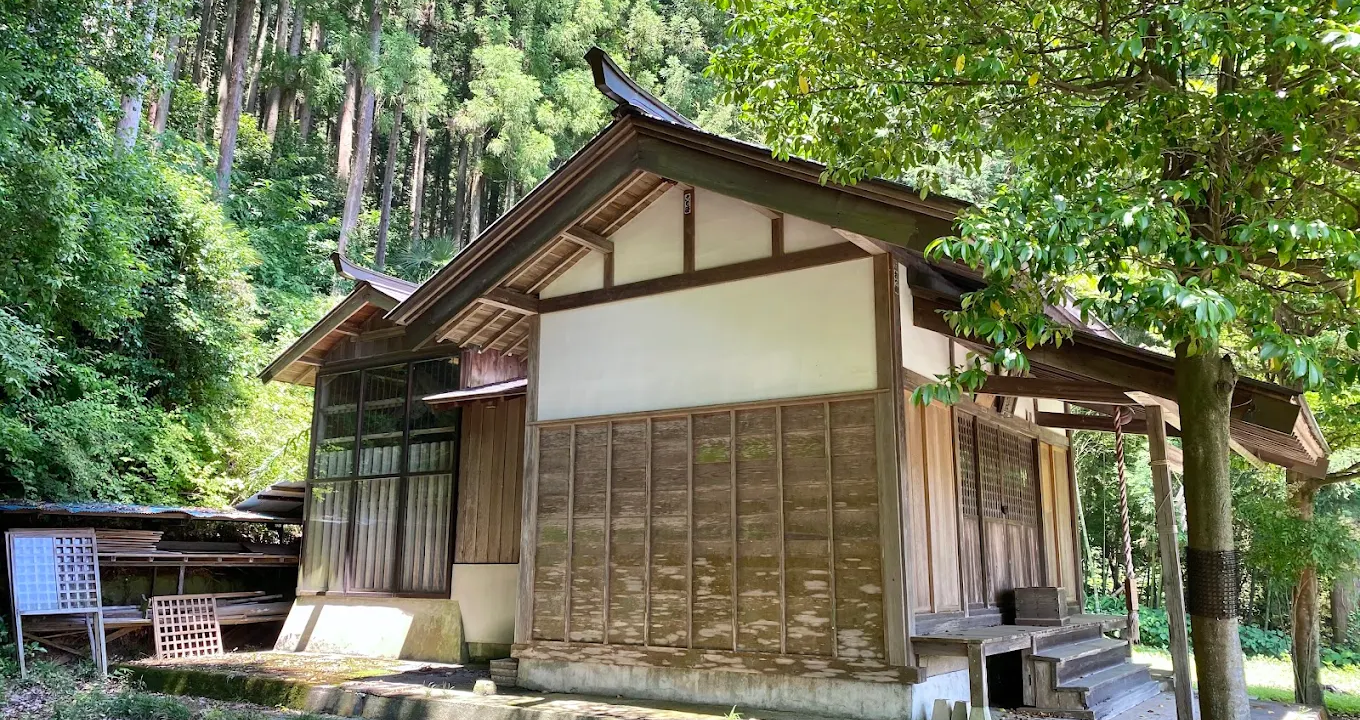
The main hall of Katsumine Shrine preserves traditional shrine architectural styles. Although small in scale, it is carefully maintained, reflecting the deep faith of the local people.
A donation box is placed in front of the main shrine, and worshippers pray using the proper etiquette of two bows, two claps, and one bow.
Worship Hall
The worship hall, where worshippers pray directly, is located in front of the main shrine. It is designed with a roof, allowing for comfortable worship even in rainy weather.
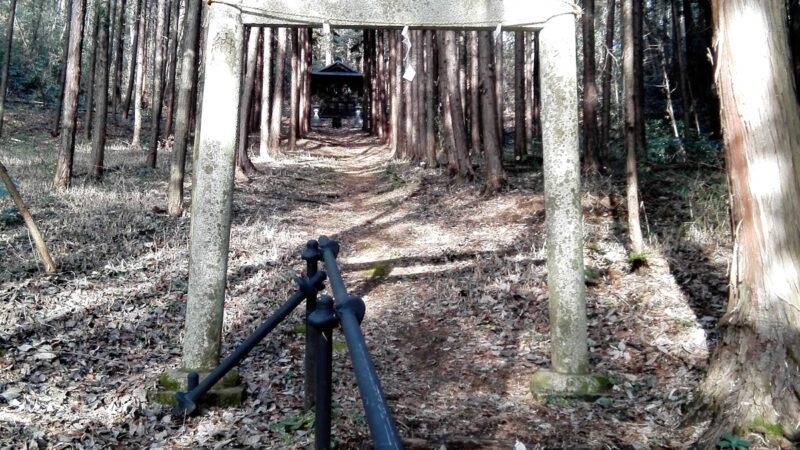
Torii Gate
A torii gate, a symbol of the shrine, stands at the entrance to the grounds. Passing through the torii gate signifies crossing the boundary from the secular world into the sacred realm.
Water Basin
A water basin is provided for purifying the body and mind before worship. Please purify your hands and mouth using the correct etiquette before proceeding to the main shrine.
Procedure for Washing Hands:
- Take the ladle with your right hand and wash your left hand.
- Switch the ladle to your left hand and wash your right hand.
- Switch the ladle back to your right hand, receive water in your left hand, and rinse your mouth.
- Wash your left hand again.
- Stand the ladle upright, wash the handle, and return it to its original position.
Shrine Office
There is a shrine office where you can receive Goshuin (shrine stamps) and amulets. You can also receive a Goshuin as a memento of your visit (please check the operating hours).
Shrine Precincts
Besides the main shrine, there may be small shrines and subsidiary shrines within the grounds. Visiting these as well will make your visit more respectful.
Access
Access by Train
Katsumine Shrine can be accessed by public transportation. It is a short walk from the nearest station.
Main Access Routes:
- Approximately 10-15 minutes on foot from the nearest station
- Buses are also available from the station
For detailed access information, we recommend checking the shrine’s official website or a map app in advance.
Access by Car
If visiting by private car, please note that the area around the shrine is a residential area, and some roads are narrow. Please drive with caution.
Parking Information:
- Please check in advance whether there is a dedicated parking lot
- Consider using nearby coin-operated parking lots
- During busy periods such as New Year’s Day, using public transportation is recommended.
Access by Bus
If using the bus from the nearest station, get off at a bus stop near the shrine and it’s a few minutes’ walk. Please check bus routes and timetables in advance.
Visiting Information
Visiting Hours
Katsumine Shrine is generally open to visitors. However, the shrine office’s operating hours may be limited.
General Visiting Hours:
- Entry to the shrine grounds: From sunrise to sunset
- Shrine office hours: Approximately 9:00 AM to 5:00 PM (Please confirm)
Goshuin Information
Goshuin are inscriptions given as proof of visiting a shrine. Katsumine Shrine may also offer goshuin.
Points to Note When Receiving a Goshuin:
- Always pray before receiving a goshuin
- Bring your goshuincho (goshuin notebook)
- Prepare a donation (approximately 300-500 yen)
- Visit during shrine office hours
- Waiting times may occur during busy periods
Amulets and Souvenirs
Katsumine Shrine offers a variety of amulets and souvenirs.
Main Items Offered:
- Victory Charm (for increased luck in winning)
- Passing Exam Charm (for passing exams)
- Business Prosperity Charm
- Traffic Safety Charm
- Protection from Evil Spirits Charm
- Health Charm
Prayers and Sacred Blessings
Prayers and supplications for individuals and groups may be accepted.
Main Prayer Contents:
- Prayer for Passing Exams
- Prayer for Business Prosperity
- Prayer for Family Safety
- Prayer for Traffic Safety
- Prayer for Protection from Evil Spirits
- First Shrine Visit for a Newborn
- Shichi-Go-San Ceremony
If you wish to have a prayer performed, it is recommended that you contact the shrine in advance to make a reservation and confirm the reception hours.
Annual Events and Grand Festival
Grand Festival
Katsumine Shrine holds its annual Grand Festival. The Grand Festival is the most important festival for the shrine, and local residents gather to offer thanks to the gods.
The timing of the annual festival varies depending on the shrine, but it is often held in the autumn (September to October). The festival may include a portable shrine procession and offering ceremonies.
First Shrine Visit of the New Year
The first shrine visit of the New Year is an important event to pray for safety and peace throughout the year. At Katsumine Shrine, many worshippers visit from New Year’s Day through the third day.
As a shrine whose name includes the character “勝” (katsu, meaning victory), it is bustling with worshippers praying for the achievement of their New Year’s goals and good fortune.
Other Annual Events
- Setsubun Festival (February): Bean-throwing and prayers for warding off evil
- Summer Purification Ceremony (End of June): A Shinto ritual to purify oneself of the impurities accumulated over the past six months
- Shichi-Go-San Festival (November): Celebrating the growth of children
- Year-End Purification Ceremony (End of December): A Shinto ritual to purify oneself of the impurities accumulated over the past year
Manners and Etiquette for Visiting Shrines
Basic Etiquette for Visiting Shrines
There are traditional manners for visiting shrines. Visiting a shrine with the correct etiquette makes your prayers more respectful.
Walking Procedure:
- Bow at the Torii Gate: Bow slightly before passing through the torii gate.
- Walking Path: Walk along the sides of the path, as the center is considered the path of the gods.
- Purify at the Water Basin: Purify your hands and mouth at the water basin.
- Worship at the Main Shrine:
- Quietly place your offering in the offering box.
- Ring the bell if available.
- Bow twice, clap twice, and bow once.
- Pray with sincerity.
- Bow Upon Exit: Turn around and bow once as you leave the torii gate.
Regarding Attire
For regular worship, no special attire is required, but clean and subdued clothing is preferred.
Clothing to Avoid:
- Excessively revealing clothing
- Sandals or flip-flops (for formal worship)
- Dirty clothing
If receiving a prayer ceremony, more formal attire (suit or jacket) is recommended.
Photography Etiquette
Photography is generally permitted on the shrine grounds, but please note the following:
- Photography inside the main hall is often prohibited.
- Be considerate of other visitors.
- Remember that this is a sacred place.
- Follow any signs prohibiting photography.
- Avoid using flash photography.
Attractions Around Katsumine Shrine
Nearby Tourist Spots
When visiting Katsumine Shrine, you can make your experience more fulfilling by also visiting nearby tourist spots.
Tokyo has numerous shrines, temples, and tourist attractions, and many attractive spots are scattered around Katsumine Shrine.
Nearby Shrines and Temples
Tokyo has many historical shrines and temples. After visiting Katsumine Shrine, a “shrine pilgrimage” to nearby shrines is also popular.
Visiting multiple shrines allows you to experience the unique characteristics and atmosphere of each.
Gourmet and Rest Spots
After your visit, we recommend taking a break at one of the nearby cafes or restaurants. Enjoying local specialty dishes and Japanese sweets will enrich your memories of your visit to the shrine.
Best Season for Visiting Katsumine Shrine
Spring (March-May)
Spring is the season of new beginnings. Many visitors come to pray for success in school entrance exams, job hunting, and new projects.
During cherry blossom season, the cherry blossoms in the shrine grounds and surrounding area are beautiful, making it a great time to visit while enjoying the blossoms.
Summer (June-August)
Summer is the time for the annual festival and summer festivals. Participating in local traditional events allows you to feel the connection between the shrine and the community.
Autumn (September-November)
Autumn has pleasant weather, making it an ideal season for visiting the shrine. The number of visitors praying for success in exams increases as the exam season approaches.
During the autumn foliage season, the trees in the shrine grounds change color, offering a beautiful landscape to enjoy.
Winter (December to February)
Winter is the season for New Year’s visits to shrines. The shrine is bustling with worshippers praying for the achievement of their New Year’s goals and for good fortune throughout the year.
Although it’s a cold time of year, visiting the shrine in the crisp, clear air is a truly invigorating experience.
Points for making wishes at Katsumine Shrine
Have a specific goal
Katsumine Shrine, known as a shrine of “victory,” is important when visiting with a specific goal in mind.
- “To pass the entrance exam for XX University”
- “To achieve this year’s sales target”
- “To win the competition”
Pray with a clear goal in mind.
Continued visits
Not just a single visit, but regular visits deepen your connection with the gods. It’s important to continue visiting at milestones along the way to achieving your goal, reporting your progress and offering prayers.
Don’t forget to be grateful
When your wish is granted, be sure to offer your thanks at the shrine. Expressing gratitude to the gods is believed to attract good fortune.
Frequently Asked Questions about Katsumine Shrine
Is there parking?
We recommend checking parking availability at Katsumine Shrine in advance. Smaller shrines may not have dedicated parking. In such cases, consider using nearby coin-operated parking or public transportation.
Can I get a Goshuin (shrine stamp)?
Many shrines offer Goshuin, but smaller shrines may not always provide them. If you wish to receive a Goshuin, please inquire with the shrine in advance or check with the shrine office during your visit.
Is it possible to visit with a pet?
Pet policies vary by shrine. Generally, it may be possible if you carry your pet or keep it in a cage, but it is considered good manners to refrain from bringing pets near the main hall. We recommend checking in advance.
Can I receive a prayer without a reservation?
For prayers, reservations may be required, or it may be possible to receive one on the day. Reservations are highly recommended, especially during peak seasons such as Shichi-Go-San (a traditional Japanese rite of passage for children) and Hatsumiyamairi (a first shrine visit for newborns). It’s best to confirm by phone in advance.
How long does it take from the nearest station?
The journey from the nearest station is generally about 10-15 minutes on foot. If using the bus, it’s a few more minutes’ walk from the bus stop. For first-time visitors, it’s recommended to leave with plenty of time to spare.
Summary: Receive good fortune at Katsumine Shrine
Katsumine Shrine, as its name suggests, is a shrine where many visitors pray for “victory” and “success.” It’s an auspicious shrine visited by people wishing for “victory” in various aspects of life, such as passing exams, business prosperity, and victory in sports.
Nestled in a quiet residential area of Tokyo, the shrine grounds are an ideal place to escape the hustle and bustle of the city and find peace of mind. The meticulously maintained grounds reflect the faith and love for the shrine of the local people.
When visiting the shrine, please observe proper etiquette and manners, and offer your prayers with sincerity. Having a specific goal and visiting regularly will deepen your connection with the gods. And when your wish is granted, it is essential to express your gratitude by returning to the shrine to offer thanks.
We hope that your visit to Katsumine Shrine will lead to the achievement of your goals and victory in life. Please consider visiting at least once.