Kanzawa Shrine (Miyakejima, Tokyo) Complete Guide | History and Visiting Information for this Shikinaisha Shrine
Kanzawa Shrine, located in Miyake Village, Tokyo, is a historic shrine situated in the northwestern part of Miyakejima Island in the Izu Islands. It holds the prestigious status of a Shikinaisha (a shrine listed in the Engishiki, an ancient Japanese legal code) and has a long history as a center of local faith. This article provides detailed information about the history of Kanzawa Shrine, its enshrined deities, highlights of the grounds, and visiting information.
Overview and Basic Information of Kanzawa Shrine
Kanzawa Shrine is located in the mountains of the Izu district of Miyake Village, Tokyo, and is one of the important shrines on Miyakejima Island. Situated in the northwestern part of the island, near the western side of the main shrine, it forms a sacred space surrounded by abundant nature.
Basic Data
- Location: Izu, Miyake Village, Miyake Island, Tokyo
- Main Deity: Tema Tenjin (Tera no Mikoto)
- Shrine Rank: Shikinaisha (listed in the Engishiki Jinmyocho)
- Annual Festival Day: July 10th
- Founding: Unknown (existed since ancient times)
- Jurisdiction: Tokyo Metropolitan Shrine Association
The Tokyo Metropolitan Shrine Association is an organization that oversees 1,398 shrines in Tokyo, and Kanzawa Shrine is under its management. Despite its unique location on an island, it plays a vital role in the Tokyo shrine network.
History and Origins of Kanzawa Shrine
Status as a Shikinaisha
The most distinctive feature of Kanzawa Shrine is that it is a Shikinaisha. A Shikinaisha refers to a shrine listed in the Engishiki Jinmyocho, compiled in the mid-Heian period (927 AD). Kanzawa Shrine is listed as “Teranomikoto Shrine,” proving its historical significance as a shrine recognized by the imperial court since ancient times.
The Engishiki Jinmyocho (a list of shrines compiled in the Heian period) lists 2,861 shrines nationwide (though there are varying theories), and the inclusion of a shrine on Miyakejima Island among them speaks to the importance of Miyakejima in ancient times. Considering its geographical location within the Izu Islands, this suggests that the region had deep ties with the imperial court from ancient times.
History of Faith on Miyakejima Island
Miyakejima Island, one of the Izu Islands, has cultivated its own unique culture and beliefs since ancient times. Kanzawa Shrine is located in the northwestern part of the island and has been revered by local residents as the tutelary deity of the Izu region.
In the closed environment of the island, the shrine served not merely as a religious facility, but as a center of the community. Through festivals and rituals, it strengthened the bonds among the islanders and became a place for passing down traditional culture.
Miyakejima Island as a Volcanic Island and its Shrine
Miyakejima is a volcanic island with the active volcano, Mt. Oyama, and has experienced numerous eruptions throughout history. The 2000 eruption, in particular, led to the evacuation of the entire island, and the shrine was significantly affected.
However, despite overcoming these natural disasters, Kanzawa Shrine has continued to exist as a center of local faith. For the islanders who coexist with the volcano, visiting the shrine remains an important act of expressing reverence for nature.
About the Deity: Tema Tenjin (Tera no Mikoto)
The deity enshrined at Kanzawa Shrine is Tema Tenjin, or Tera no Mikoto. Let’s take a closer look at this deity.
About Tera no Mikoto
Tera no Mikoto is known as a deity unique to the Izu Islands. While there are various theories about its origin and characteristics, it has been revered as a guardian deity of the region since ancient times.
The alternative name “Tema Tenjin” is thought to reflect the local name. The name “Tenjin” suggests a deity associated with heaven, but further research is needed to understand the detailed myths and legends.
Relationship with the Shikinaisha “Teira-no-Mikoto Shrine”
The Engishiki Jinmyocho (a list of shrines compiled in the Heian period) lists “Teira-no-Mikoto Shrine,” and Kanzawa Shrine is identified with this shrine. Identification means determining which current shrine corresponds to a shrine described in ancient documents.
The basis for identifying Kanzawa Shrine with Teira-no-Mikoto Shrine includes the fact that the enshrined deity is Teira-no-Mikoto, its location on Miyakejima Island, and local legends. Identifying Shikinaisha shrines is an important theme in shrine research and supports the historical value of Kanzawa Shrine.
Highlights and Features of the Shrine Grounds
Shrine Grounds Surrounded by Nature
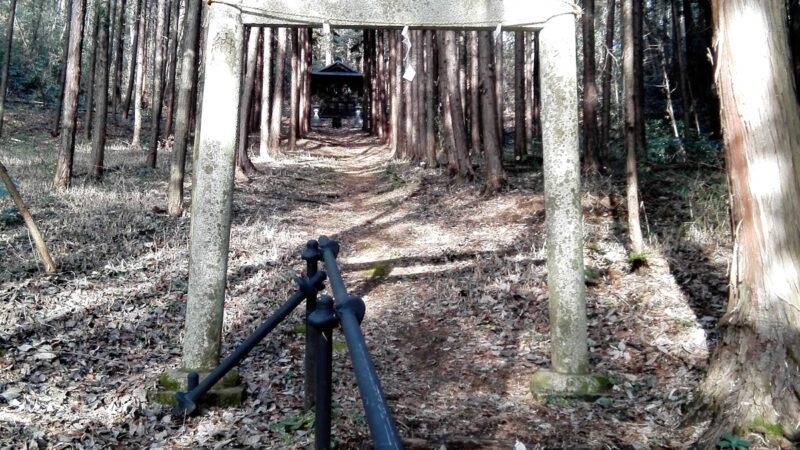
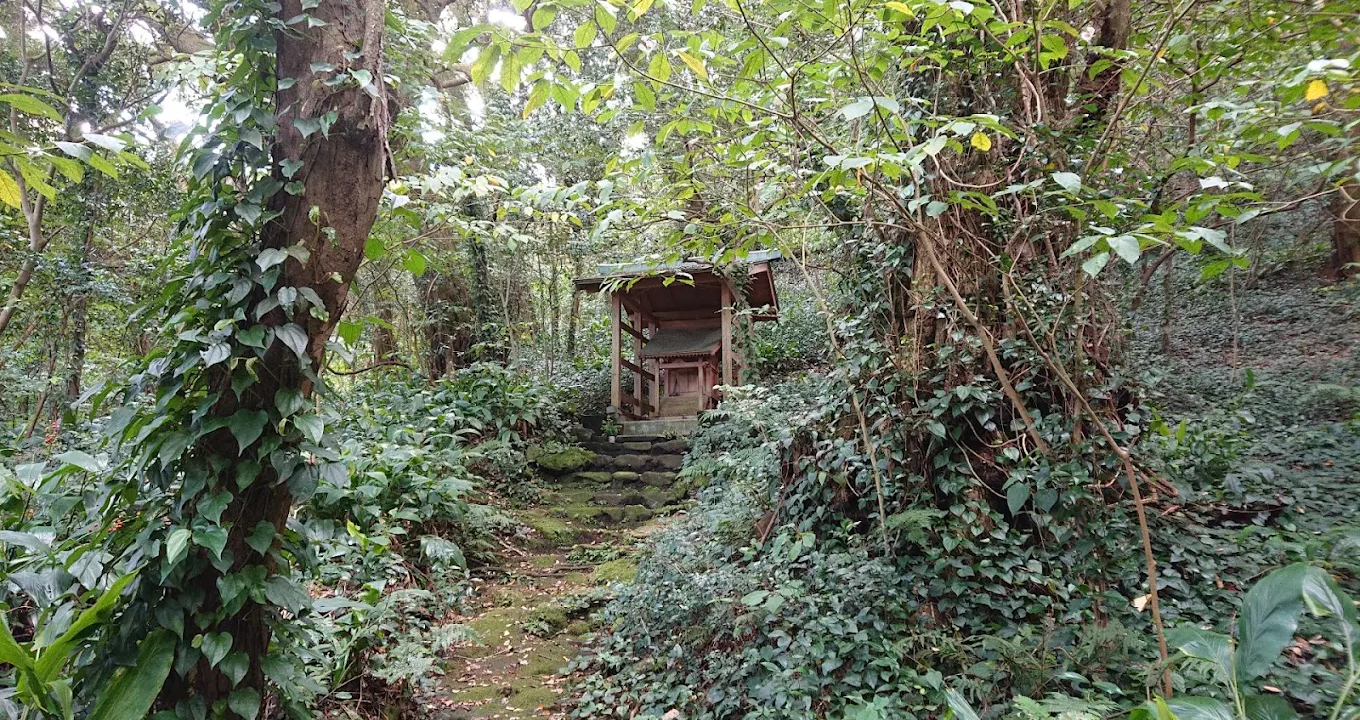
Kanzawa Shrine is located in the mountains of Miyakejima Island, surrounded by abundant nature. The island’s unique vegetation and the topography characteristic of a volcanic island give the shrine a distinctive atmosphere.
Walking along the approach to the shrine, you’ll feel a tranquility and sacredness unique to island shrines, unlike those in urban areas. The island’s location, surrounded by the sea, also provides visitors with a special experience.
Shrine Buildings and Grounds
The shrine buildings of Kanzawa Shrine are constructed to suit the climate and environment of the Izu Islands. The structure, capable of withstanding harsh natural conditions such as typhoons and sea breezes, is a testament to years of wisdom.
The grounds include the main hall, the worship hall, and various facilities supporting local faith. While not large in scale, it fully fulfills its function as a shrine deeply rooted in the community.
Location in Relation to Gosai Shrine
Kanzawa Shrine is located near Gosai Shrine to the west. Gosai Shrine is also an important shrine on Miyakejima Island, and the two are considered to have a close relationship both geographically and religiously.
Understanding the arrangement of shrines on Miyakejima Island provides a deeper understanding of the island’s religious structure. Multiple shrines complement each other, supporting the overall spiritual stability of the island.
Annual Festival and Annual Events
Annual Festival (July 10th)
The annual festival of Kanzawa Shrine is held every year on July 10th. This is the most important festival at the shrine, a day to offer gratitude and prayers to the enshrined deity.
In the island community of Miyakejima, the annual festival is not merely a religious event, but also a precious opportunity for islanders to gather together. Through traditional Shinto rituals and offering ceremonies, intergenerational exchanges are fostered, deepening community bonds.
Island Festival Culture
The Izu Islands have a unique festival culture, and Kanzawa Shrine inherits this tradition. Festivals held in the limited space of an island have characteristics different from those on the mainland, making them a valuable subject of ethnological research.
From Kagura (sacred dance) and folk performing arts to the forms of offerings, the island’s unique culture is reflected in every detail, allowing participants to experience the history and culture of Miyakejima.
Visiting Information and Access
Access to Miyakejima Island
To visit Kanzawa Shrine, you must first travel to Miyakejima Island. Access to Miyakejima Island is as follows:
Airplane
- Approximately 50 minutes from Chofu Airport to Miyakejima Airport
- Operated by Shin Chuo Airlines
Seaplane
- Approximately 6 hours and 30 minutes by large passenger ship from Takeshiba Pier in Tokyo
- Operated by Tokai Kisen
Getting Around the Island
After arriving on Miyakejima Island, you can travel to the Izu area where Kanzawa Shrine is located using the following methods:
- Rental Car: There are rental car companies on the island, allowing for free movement
- Taxi: Use local taxi companies
- Rental Bicycle: Bicycles are convenient for touring the island
- Village Bus: While the number of services is limited, there are also route buses.
Precautions When Visiting
Checking Volcanic Activity
Miyakejima Island is home to an active volcano. Before visiting, be sure to check the status of volcanic activity and prioritize your safety. Weather Conditions
Due to weather conditions unique to the islands, ferry and flight services may be cancelled. We recommend planning your itinerary with ample time.
Worship Etiquette
Follow the general worship etiquette for shrines. Two bows, two claps, and one bow are the basics.
Attire
As the shrine is located in the mountains, comfortable walking shoes and clothing are recommended. Depending on the season, warm clothing may also be necessary.
Tokyo Metropolitan Shrine Association and Kanzawa Shrine
The Tokyo Metropolitan Shrine Association is the organization that oversees shrines within Tokyo. It manages shrines not only in the city center but also in island areas such as the Izu Islands and Ogasawara Islands, and Kanzawa Shrine is one of them.
There are 1,398 shrines in Tokyo, each functioning as a local tutelary shrine or a center of a specific faith. Despite its unique location on an island, Kanzawa Shrine is positioned as an important member of Tokyo’s shrine network.
The Tokyo Metropolitan Shrine Association compiles information on various shrines and strives to guide visitors and promote shrine culture. From the perspectives of “knowing,” “finding,” and “visiting” shrines, they disseminate the diverse charms of shrines within Tokyo.
Nearby Attractions and Tourist Information
Nature of Miyakejima Island
When visiting Kanzawa Shrine, you can also enjoy the rich nature of Miyakejima Island.
- Oyama: An active volcano towering in the center of the island. The area around the crater is a restricted access zone.
- Oji Pond: The island’s largest freshwater lake. A popular spot for birdwatching.
- Megane-iwa: A unique rock formation standing on the coast. A symbol of Miyakejima Island.
- Shiitori Shrine: Another important shrine on the island.
Culture of Miyakejima Island
Miyakejima Island has its own unique culture and history.
- Local History Museum: A facility where you can learn about the island’s history and culture.
- Traditional Crafts: Crafts and folk art unique to the island.
- Island Cuisine: Local cuisine using fresh seafood.
Visiting Shikinaisha Shrines and Kanzawa Shrine
Visiting Shikinaisha shrines throughout Japan is a popular activity among shrine enthusiasts. Kanzawa Shrine is one of the few Shikinaisha shrines in Tokyo and holds an important position in Shikinaisha pilgrimages.
Besides Kanzawa Shrine, there are other Shikinaisha shrines in the Izu Islands, allowing you to trace the footsteps of ancient beliefs while visiting the islands. However, visiting the islands requires time and expense, so careful planning is necessary.
The Significance and Mindset of Shrine Visits
Visiting historical shrines like Kanzawa Shrine has meaning beyond mere sightseeing.
Gratitude to the Local Deity
Shrines are places where the local guardian deity is enshrined. The essence of worship is offering gratitude to the gods who protect the people who live in and visit the land.
Inheritance of Traditional Culture
Shrine visits are also an act of experiencing and passing on Japan’s traditional culture to future generations. By learning and practicing the correct worship etiquette, one can become a bearer of this culture.
Reverence for Nature
Shrines located in naturally rich environments, such as Kanzawa Shrine, offer an opportunity to renew one’s reverence for nature. By reflecting on the prayers of the people living in the harsh environment of a volcanic island, one can deeply consider the relationship between nature and humanity.
The Future and Preservation of Kanzawa Shrine
Shrines located on remote islands face various challenges, including depopulation and natural disasters. Kanzawa Shrine is no exception.
Challenges in Maintenance
Shrines on islands face unique difficulties in maintenance, such as limited visitor numbers and high transportation costs for materials. However, thanks to the efforts of local residents and the support of the Tokyo Metropolitan Shrine Association, the tradition is being preserved.
Value as a Cultural Property
Kamizawa Shrine, possessing historical value as a Shikinaisha (a shrine listed in the Engishiki), is more than just a religious facility; it also has aspects of an important cultural property. Its preservation and utilization are crucial issues in protecting Miyakejima’s cultural heritage.
Potential as a Tourism Resource
A properly managed shrine can become a valuable tourist resource for the region. An increase in visitors to the island specifically to worship at Kamizawa Shrine could contribute to the revitalization of the island’s economy.
Summary
Kamizawa Shrine (Miyake Village, Tokyo) is a historical shrine with the status of a Shikinaisha. It enshrines Tema Tenjin (Teira-no-Mikoto) and is located in the Izu district in the northwestern part of Miyakejima.
Within the unique environment of the Izu Islands, Kamizawa Shrine, which conveys ancient beliefs to the present day, is a special place even within Tokyo. Visiting this remote island is not easy, but that is precisely why the experience of visiting will be exceptional.
If you ever have the opportunity to visit Miyakejima Island, be sure to visit Kanzawa Shrine and experience the island’s history, culture, and the beauty of its nature. Visiting this shrine, a Shikinaisha (a shrine listed in the Engishiki, an ancient Japanese legal code), will surely create an unforgettable memory.
Among the 1,398 shrines managed by the Tokyo Metropolitan Shrine Association, Kanzawa Shrine is a special shrine with its own unique charm. We hope that many people will learn about the form of faith nurtured by the island’s environment.