Complete Guide to Suga Shrine | A Thorough Explanation of the History, Deities, Blessings, and How to Visit the Yotsuya Guardian Shrine
Suga Shrine is a historic shrine located in Suga-cho, Shinjuku-ku, Tokyo, which has been revered as the guardian shrine of the eighteen towns of Yotsuya since the Edo period. In recent years, it has become widely known among younger generations as the setting for the movie “Your Name.” This article provides a detailed introduction to everything about Suga Shrine, from its history, enshrined deities, blessings, annual events, and how to visit.
What is Suga Shrine?
Suga Shrine is a shrine that has been located in Yotsuya since the early Edo period and has been cherished by the local people as the guardian shrine of the eighteen towns of Yotsuya. The shrine’s name, “Suga,” is derived from the legend of Susanoo-no-Mikoto, who, after slaying the eight-headed serpent Yamata no Orochi at the top of the Hi River in Izumo Province, declared, “I have come to this land and my heart feels refreshed, refreshed,” before establishing his palace there.
During the Edo period, it was known as “Yotsuya Tenno-sha,” and its annual festival in June, the “Yotsuya Tenno Festival,” was so grand that it was counted as one of Edo’s five major festivals. It was renamed Suga Shrine in 1868 (Meiji 1) and elevated to the status of a local shrine in 1872 (Meiji 5).
History of Suga Shrine
From Founding to the Edo Period
The origins of Suga Shrine date back to the Kan’ei era. It is believed to have begun in 1634 (Kan’ei 11), when it was founded as an Inari Shrine at its current location. Later, in 1644 (Kanei 20), Susanoo-no-Mikoto was enshrined alongside the other deities, and the shrine came to be known as Inari Tenno Gosha (Inari and Tenno Combined Shrine).
The enshrinement of Susanoo-no-Mikoto has an interesting history. During the Shimabara Rebellion of 1637 (Kanei 14), a man named Magome Kanyu, a wealthy landowner from Nihonbashi Odenmacho, served the shogunate in charge of supply lines and horses. For his services, he was granted the land that now covers the center of Yotsuya. Taking this opportunity, the guardian deity of Nihonbashi Odenmacho (Susanoo-no-Mikoto), which had been enshrined within Kanda Myojin Shrine, was moved to Yotsuya through the collective initiative of the local people.
As the General Guardian Shrine of the Eighteen Towns of Yotsuya
Throughout the Edo period, Suga Shrine was the general guardian shrine of the eighteen towns of Yotsuya, attracting the faith of the local community. Also known as “Goryosha” (the two shrines), it was particularly highly regarded as a god of protection against disaster, and was deeply revered by its parishioners.
The Tenno Festival, held every June, is widely known as one of Edo’s five major festivals, and the entire town of Yotsuya was enveloped in the festival’s excitement. This festival continues to be passed down today, albeit in a modified form.
From the Meiji Era to the Present
In 1868 (Meiji 1), the shrine was renamed Suga Shrine due to the separation of Shinto and Buddhism. In 1872 (Meiji 5), it was elevated to the rank of a local shrine, establishing its position as a central shrine in the region. After the war, the old shrine rank was abolished due to system reforms, but its role as the guardian shrine of Yotsuya has remained unchanged to this day.
In recent years, it has attracted attention as the model for the staircase featured in the 2016 film “Your Name,” and has since attracted many visitors from both Japan and abroad. As a shrine where tradition and modern culture merge, it continues to radiate new appeal.
Deities and Divine Virtues
Main Deities
The main deities of Suga Shrine are the following two:
Susanoo-no-Mikoto
Also known as Suga-no-Okami, he is a heroic deity in Japanese mythology. Known for the myth of slaying the eight-headed serpent Yamata no Orochi, he is revered as a god of protection against misfortune, disaster, and disease.
Ukanomitama-no-Mikoto
Also known as Inari-no-Okami, he is the god of abundant harvests and business prosperity. This originates from the fact that Suga Shrine was originally founded as an Inari Shrine.
Enshrined Deities
The following deities are enshrined to the left and right of the main deity:
The Five Male Deities
- Ame-no-Oshihomimi-no-Mikoto
- Ame-no-Hohi-no-Mikoto
- Amatsu-Hikone-no-Mikoto
- Kumano-Kusuhi-no-Mikoto
- Ikutsu-Hikone-no-Mikoto
The Three Munakata Goddesses
- Takiri-Hime-no-Mikoto
- Ichikishima-Hime-no-Mikoto
- Takitsu-Hime-no-Mikoto
Divine Virtues (Benefits)
Suga Shrine is believed to offer the following divine virtues:
- Protection from Evil and Disaster: Exorcism through the divine power of Susanoo-no-Mikoto
- Protection from Epidemics and Recovery from Illness: A long-standing belief in the deity of protection from epidemics, revered as Tenno-sama
- Family Safety and Prosperity: Safety and prosperity for the family
- Business Prosperity: The divine virtue of Inari Okami
- Abundant Harvest: Prosperity of agriculture and livelihoods
- Matchmaking and Successful Relationships: Prayers for good fortune in relationships
- Safe Childbirth and Conception: Famous for safe childbirth prayers on the Day of the Dog
Highlights of Suga Shrine
Shrine Buildings and Grounds
The shrine buildings of Suga Shrine were rebuilt during the Showa period after being destroyed by fire during the war. The warm, wooden buildings maintain a tranquil atmosphere despite being in the heart of the city. The grounds are not particularly large, but they are a well-maintained and refreshing space.
Thirty-Six Immortal Poets Painting
Inside the shrine, there is a painting of the Thirty-Six Immortal Poets, dedicated in 1836 (Tenpo 7). This painting, by Ooka Unpo and calligraphy by Chigusa Ariyoshi, is a valuable cultural asset that conveys the culture of the Edo period. It is usually not open to the public, but may be viewed on special occasions.
The Staircase from “Your Name.”
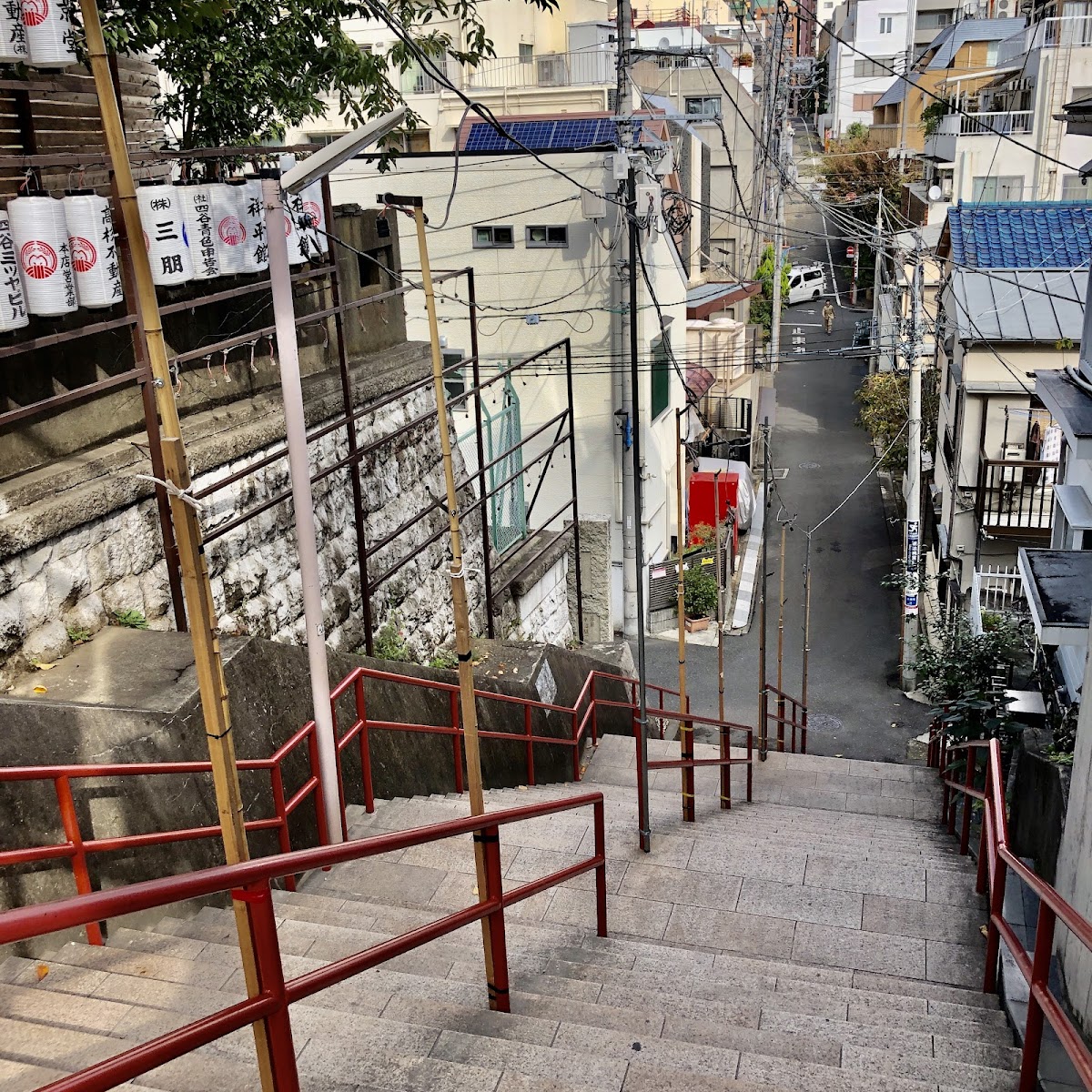
On the east side of the shrine, the steep stone staircase known as Otoko-zaka (Men’s Slope) is known as the model for the staircase that appears in the climactic scene of the movie “Your Name.” After the movie’s release, it became a popular spot for many fans on “pilgrimages.” The view from the top of the stairs is cherished as a place where you can feel the world of the movie.
Amulet and Charm Shop
Suga Shrine offers various amulets and goshuin (shrine stamps). Particularly popular is the “Ichiyo Raifuku Omamori” (Good Fortune Charm), a lucky charm that is only available for a limited time from the winter solstice to Setsubun (the day before the beginning of spring). This amulet is bestowed between the winter solstice, when yin energy reaches its peak and yang energy begins to emerge, and Setsubun, the day before the start of spring. It is believed to bring blessings of family safety and business prosperity.
About Prayers and Sorrows
Main Types of Prayers
Suga Shrine accepts the following types of prayers:
Exorcism and Protection from Misfortune
This prayer purifies and wards off misfortune, such as warding off bad luck during life’s turning points (unlucky years), protection from misfortune during moving or travel, and protection from misfortune in all directions.
Prayer for Safe Childbirth on the Day of the Dog
The prayer for safe childbirth, performed on the Day of the Dog in the fifth month of pregnancy, is one of Suga Shrine’s representative prayers. The dog is considered a symbol of safe childbirth, and prayers are offered for the health and safe delivery of both mother and child.
Hatsumiyamairi (First Shrine Visit)
This is a ceremony to report the birth of a baby to the gods and pray for their healthy growth. It is generally performed on the 31st day after birth for boys and the 32nd day for girls.
Shichi-Go-San (Seven-Five-Three Festival)
At the milestones of three, five, and seven years old, this is a ceremony to celebrate a child’s growth and pray for their future health and happiness.
Other Prayers
- Family Safety
- Business Prosperity
- Good Health
- Recovery from Illness
- Traffic Safety
- Success in Exams
- Prayers for Good Relationships (Fulfillment of a Good Match)
- Fulfillment of Wishes
Prayer Reception and Reservations
Prayer reception hours are usually from 9:00 AM to 4:00 PM. Reservations may be required, so it is recommended to inquire with the shrine in advance, especially during busy periods such as the Day of the Dog or the Shichi-Go-San season.
The offering fee (prayer fee) varies depending on the content of the prayer; please check the shrine’s official website or contact them directly for details.
Annual Events
Suga Shrine holds various festivals and Shinto rituals throughout the year.
Main Annual Events
January
- New Year’s Day Festival (January 1st): A festival to welcome the new year and pray for peace throughout the year.
- First Shrine Visit of the Year: The shrine is bustling with many worshippers.
February
- Setsubun Festival (around February 3rd): Bean-throwing ceremony to ward off evil and invite good fortune.
- Distribution of Ichiyo Raifuku Amulets ends.
June
- Grand Festival (Tenno Festival): Suga Shrine’s largest festival. It was once one of the five major festivals of Edo (Tokyo).
November
- Shichi-Go-San: A time to celebrate the growth of children.
December
- Winter Solstice: Distribution of Ichiyo Raifuku Amulets begins.
- Great Purification Ceremony (December 31st): A Shinto ritual to purify and cleanse away the impurities of the year.
In addition to these, regular festivals such as monthly festivals are also held. Detailed schedules can be found on the shrine’s official website or bulletin board.
How to Worship and Etiquette
Basic Worship Etiquette
Knowing the correct worship etiquette at a shrine will allow for a more heartfelt visit.
1. Bow Before Passing Through the Torii Gate
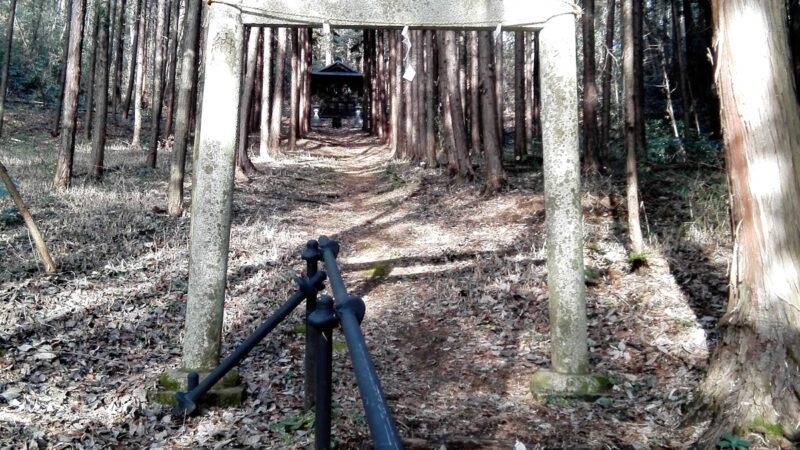
The torii gate is the entrance to the sacred area. Bow before passing through it.
2. Purifying at the Water Basin
- Hold the ladle in your right hand and purify your left hand.
- Switch the ladle to your left hand and purify your right hand.
- Switch the ladle back to your right hand, receive water in your left hand, and rinse your mouth.
- Purify your left hand again.
- Hold the ladle upright, let water flow down the handle, and return it to its original position.
3. Worship at the Main Hall (Two Bows, Two Claps, One Bow)
- Gently place your offering in the offering box.
- Ring the bell if there is one.
- Bow deeply twice.
- Clap twice.
- Pray sincerely.
- Finally, bow deeply once.
4. Upon Exit
After exiting the torii gate, turn around and bow once.
About Goshuin (Shrine Seals)
Suga Shrine offers Goshuin. It is common practice to leave your Goshuincho (seal book) at the reception area and receive it after your visit. The offering fee is usually around 300 to 500 yen.
Special Goshuin (temple/shrine stamps) related to the movie “Your Name.” may be available; please inquire with the shrine for details.
Access and Transportation Information
Location
5 Suga-cho, Shinjuku-ku, Tokyo 160-0018
Access by Train
Nearest Stations
- Approximately 7 minutes on foot from Yotsuya-sanchome Station on the Tokyo Metro Marunouchi Line
- Approximately 10 minutes on foot from Shinanomachi Station on the JR Chuo and Sobu Lines
- Approximately 12 minutes on foot from Yotsuya Station on the JR Chuo and Sobu Lines, and the Tokyo Metro Marunouchi and Namboku Lines
Yotsuya-sanchome Station is the closest and most convenient. Exit the station, walk along Shinjuku-dori towards Shinjuku, and turn left at the Suga-cho intersection to arrive at Suga Shrine.
Access by Bus
Approximately 5 minutes on foot from the Toei Bus “Yotsuya 3-chome” bus stop.
Access by Car
Approximately 10 minutes from the “Gaien Exit” of the Metropolitan Expressway Route 4 Shinjuku Line.
Parking
There is no dedicated parking lot on the shrine grounds, so please use nearby coin-operated parking lots. During busy times such as New Year’s Day and the annual festival, we recommend using public transportation.
Nearby Tourist Attractions
The following tourist attractions are located near Suga Shrine:
- Shinjuku Gyoen: A vast garden located approximately 15 minutes on foot.
- Akasaka Palace State Guest House: A beautiful Western-style building designated as a National Treasure, approximately 20 minutes on foot.
- Meiji Jingu Gaien: A spot famous for its ginkgo tree-lined avenue.
Frequently Asked Questions about Suga Shrine
Visiting Hours
While entry to the shrine grounds is generally possible 24 hours a day, the opening hours for the shrine office and the gift shop are usually from 9:00 AM to around 5:00 PM. If you wish to offer prayers or receive a Goshuin (temple/shrine stamp), we recommend visiting during these hours.
Crowds during New Year’s Day
The first three days of the year are very crowded with many visitors. It is especially crowded in the morning and evening of New Year’s Day, so we recommend visiting with plenty of time to spare. After the first three days, it is relatively calmer.
Photography
Photography is generally permitted on the shrine grounds, but photography inside the shrine buildings or during festivals may be restricted. Also, please be considerate of other visitors and check in advance regarding the use of tripods, etc.
The stairs featured in “Your Name.” are a popular photo spot, but please be careful not to obstruct traffic as the stairs are also a local road.
Suga Shrines and Soga Shrines throughout Japan
Suga Shrines (or Soga Shrines) are shrines of the Gion faith, dedicated to Gozu Tenno and Susanoo-no-Mikoto, and exist throughout Japan. The name “Suga” can also be written as “須我,” “清,” or “酒賀,” and is particularly common in Shimane and Kochi prefectures.
Other shrine names based on the Gion faith include Yasaka Shrine (Yasaka Shrine, Yasaka Shrine), Gion Shrine, Hiromine Shrine, Tenno Shrine, Yakumo Shrine, and Susanoo Shrine, with the names varying depending on the era and source.
Main Suga Shrines
- Suga Shrine (Shinjuku Ward, Tokyo): The main guardian shrine of Yotsuya, as introduced in this article.
- Suga Shrine (Taito Ward, Tokyo): An ancient shrine said to have been founded in the 9th year of Emperor Suiko’s reign (600 AD).
- Suga Shrine (Oyama City, Tochigi Prefecture): Founded in the 3rd year of Tenkei (940 AD), a shrine associated with Fujiwara no Hidesato.
- Suga Shrine (Unnan City, Shimane Prefecture): The place where Susanoo-no-Mikoto said, “My heart is refreshed.”
Each Suga Shrine has its own unique history and characteristics, and is cherished as a center of local faith.
Summary
Suga Shrine is a historical shrine that has been rooted in the community since the Edo period as the main guardian shrine of the 18 towns of Yotsuya, and has been revered as a god of protection against misfortune and disaster. Suga Shrine, dedicated to Susanoo-no-Mikoto and Ukanomitama-no-Mikoto, offers various blessings, including family safety, business prosperity, and safe childbirth.
In recent years, it has also become known as a pilgrimage site for fans of the film “Your Name,” and is beloved by people of all ages as a shrine where tradition and modern culture blend. Despite being in the heart of the city, the shrine grounds maintain a tranquil atmosphere, providing a place of peace and solace away from the hustle and bustle of everyday life.
Within walking distance of Yotsuya-Sanchome Station, it is easily accessible and a wonderful place to visit for important life events such as New Year’s prayers, exorcisms, prayers for safe childbirth, and Shichi-Go-San (a traditional Japanese rite of passage for children), as well as a place to express daily gratitude.
Having walked hand in hand with the town of Yotsuya, Suga Shrine will continue to fulfill its role as a spiritual haven for the local community and a place that bestows divine blessings upon visitors.