Hoju-in Complete Guide | A Thorough Explanation of Famous Temples Nationwide, from History to Goshuin (Temple Seals) and Access
The name Hoju-in originates from the Buddhist concept of the “Nyoi Hoju,” a wish-granting jewel. Many temples with the same name exist throughout Japan. This article provides a comprehensive explanation of the particularly well-known Hoju-in temples in Minato Ward, Tokyo, Osaka Prefecture, and other locations, covering their historical background, enshrined principal images, annual events, and access methods.
What is Hoju-in? | Origin and Meaning of the Temple Name
The name “Hoju-in” originates from the “Nyoi Hoju,” an important symbol in Buddhism. The Nyoi Hoju is considered a jewel that grants wishes and is a well-known ritual implement held in the hands of many Buddhist statues. The jewel held in the left hand of Jizo Bodhisattva is particularly famous, and temples named Hoju-in throughout Japan take their names from this jewel.
While each Hoju-in temple in different locations has its own distinct sect, history, and principal image, they have all gathered faith as places where people’s wishes are fulfilled, sharing the common symbol of the “Hoju” (sacred jewel).
Hoju-in Temple, Minato Ward, Tokyo | A Famous Sub-temple of Zojo-ji Temple
History and Founding
Located in Shiba Park, Minato Ward, Tokyo, Hoju-in Temple was founded in 1685 (Jokyo 2) as a sub-temple of Zojo-ji Temple, the head temple of the Jodo sect. Its founding priest was the 30th abbot of Zojo-ji Temple, Reigen Shonin, and it has a history of being founded simultaneously with the construction of the Benten-do Hall in Renchi Pond.
Hoju-in Temple held an important position as part of the Zojo-ji Temple complex, but its main hall was destroyed in the Tokyo air raids of 1945. It was subsequently rebuilt on its current site and continues to welcome many visitors to this day.
Main Deity and Enshrined Buddhas
The most noteworthy feature of Hoju-in Temple in Minato Ward is the “Kaiun Shusse Daibenzaiten” (Great Benzaiten of Good Fortune and Success), said to have been owned by Tokugawa Ieyasu. This hidden Buddha is known as a precious statue that only those who ruled Japan could worship, and it is still carefully enshrined today.
In addition, a wooden statue of Enma Daio (King Yama), standing 2 meters tall, is enshrined and designated as a cultural property of Minato Ward. This statue of Enma Daio is a valuable cultural asset that has existed since the temple’s founding in 1685, and it has a unique form of worship where worshippers can confess their sins to Enma Daio’s “ears.”
The main hall also displays vividly painted “Hell Scrolls” and “Paradise Scrolls,” which are valuable resources for visually understanding the Buddhist worldview.
Minato Seven Lucky Gods and Annual Events
Hoju-in Temple is widely known as a temple that enshrines Benzaiten, one of the “Minato Seven Lucky Gods.” Every New Year, the temple is bustling with visitors on the Minato Seven Lucky Gods pilgrimage, attracting many who pray for good fortune and career advancement.
Benzaiten is worshipped as the goddess of art, learning, and wealth, and is particularly revered by those involved in music and performing arts. During the New Year period, special goshuin (temple stamps) are offered, and long lines can form at the stamp office.
Goshuin and Mini Goshuin
Hoju-in Temple in Minato Ward is popular for its colorful, monthly changing goshuin. Different designs are available each season, making it a topic of conversation among goshuin collectors.
The mini goshuin, in particular, has attracted attention, being featured in the women’s magazine “Josei Jishin.” It was also featured on the TBS television program “Matsuko no Shiranai Sekai” and is actively promoted on social media.
Access Information
Address: 4-8-55 Shibakoen, Minato-ku, Tokyo
Access by Train:
- 3-minute walk from Shibakoen Station on the Toei Mita Line
- 5-minute walk from Akabanebashi Station on the Toei Oedo Line
- 10-minute walk from Hamamatsucho Station on the JR Line
- Conveniently located just a 1-minute walk from Tokyo Tower
It’s conveniently located for a visit in conjunction with a visit to Zojoji Temple.
Osaka Prefecture – Hoju-in Temple (Tenmanji Temple) | An Ancient Temple Founded by Kukai
History and its Relationship to Kukai
Hoju-in Temple, located in Osaka Prefecture, is a historic Shingon Buddhist temple said to have been founded in 825 by Kobo Daishi Kukai. With a history of approximately 1200 years, this temple holds an important position among the temples Kukai opened throughout Japan.
It has continued to uphold the teachings of Shingon Buddhism to this day and has functioned as a center of local faith.
Main Deity and Enshrined Buddha Statues
The main deity is Dainichi Nyorai, enshrined as the fundamental Buddha of the Shingon sect. Dainichi Nyorai is considered the Buddha who embodies the truth of the universe itself and is the highest-ranking Buddha in Esoteric Buddhism.
The main hall houses historically valuable Buddha statues, including a sculpture of Miroku Bodhisattva from the Kamakura period. Kamakura period statues are works from an important period in the history of Japanese sculpture and are valuable both artistically and culturally.
Access Information
Featured on the Osaka Convention & Tourism Bureau’s official website, it is a popular tourist spot as a historical temple in Osaka.
Other Hoju-in Temples
Hoju-in Temple, Ota Ward, Tokyo
There is also a Hoju-in Temple in Ota Ward, Tokyo, known for actively offering meditation and sutra copying experiences.
The temple grounds include a funeral hall and cemetery, and it also operates “Ohata Reien,” an urban cemetery with religious freedom. A distinctive feature is its temple management that adapts to modern needs.
Hoju-in Temple, Miyota-machi, Nagano Prefecture
Hoju-in Temple, located in Miyota-machi, Kita-Saku-gun, Nagano Prefecture, operates as a temple deeply rooted in the local community.
Address: 1814 Miyota, Miyota-machi, Kita-Saku-gun, Nagano Prefecture
Hoju-in Temple, Nagoya City, Aichi Prefecture
Aichi Prefecture also has Hoju-in Temple, a Soto Zen temple with a history dating back to its founding on the site of Ikatsu Castle, the residence of Sakuma Genba Morimasa, a retainer of Oda Nobunaga.
The principal image is Jizo Bodhisattva, characterized by its depiction as a monk, holding a staff in its right hand and a wish-granting jewel in its left. It is said that the temple’s name comes from the wish-granting jewel held by this principal image.
Hoju-in Temple, Aioi City, Hyogo Prefecture
A temple of the Koyasan Shingon sect, its mountain name is Gyokusenzan. It has a history of merging with Takaseyama Myoko-in (present-day Aioi-cho) and Atagoyama Kongoin Shogunji (present-day Yusho-cho).
Etiquette and Guidelines for Visiting Hoju-in Temple
Basic Visiting Etiquette
When visiting Hoju-in Temple, it is important to observe the appropriate visiting etiquette for the temple’s sect.
For Jodo-shu Buddhism (e.g., Minato-ku, Tokyo):
- Bow at the temple gate before entering the grounds.
- Cleanse your hands and mouth at the water basin.
- Join your hands in prayer in front of the main hall and chant “Namu Amida Butsu.”
- Place your offering and offer a quiet prayer.
For Shingon Buddhism (e.g., Osaka Prefecture):
- Similarly, cleanse yourself at the water basin, then join your hands in prayer in front of the main hall.
- Chant “Namu Daishi Henjo Kongo” or “Om Abokya Beiroshanou Makabodara Mani Handoma Jinbara Harabaritaya Un” (Dainichi Nyorai mantra).
Manners when receiving a Goshuin (temple stamp)
A Goshuin is not merely a stamp rally; it is given as proof of your visit.
- Always complete your prayers before receiving a Goshuin (temple stamp).
- Present your Goshuincho (stamp book) with both hands.
- Prepare a donation (usually 300-500 yen).
- Be considerate of waiting times during busy periods.
- Obtain permission before taking photographs.
Cultural Properties and Highlights of Hoju-in Temple
Minato Ward Designated Cultural Property: Enma Daio Statue
The Enma Daio statue at Hoju-in Temple in Minato Ward, Tokyo, is a 2-meter-tall wooden sculpture and a designated cultural property of Minato Ward. Existing since the temple’s founding in 1685, this statue is highly regarded as an excellent example of Edo period Buddhist sculpture.
Enma Daio is worshipped as the judge of the deceased’s actions during their lifetime and is considered the ruler of hell. A unique feature of the Enma Daio statue at Hoju-in Temple is that worshippers can directly confess their sins to “Enma-sama’s ear,” a distinctive form of worship rarely seen at other temples.
Paintings of Hell and Paradise
The paintings of hell and paradise displayed in the main hall are valuable pictorial materials that visually represent the Buddhist worldview. The paintings of hell depict the various sufferings inflicted upon those who commit evil deeds, while the paintings of paradise express the beauty of Amida Buddha’s Pure Land.
These paintings have been used since the Edo period as educational materials to encourage good deeds and warn against evil.
Maitreya Bodhisattva Statue from the Kamakura Period
The Maitreya Bodhisattva statue from the Kamakura period, housed at Hoju-in Temple in Osaka Prefecture, is an important work in the history of Japanese sculpture. The Kamakura period was a time when many realistic and powerful sculptures were produced, and this Maitreya Bodhisattva statue also exhibits these characteristics.
Maitreya Bodhisattva is the future Buddha who is said to descend to earth 5.67 billion years after the death of Shakyamuni Buddha to save humanity.
Buddhist Events You Can Experience at Hoju-in Temple
Sutra Copying Experience
Hoju-in Temple in Ota Ward, Tokyo, offers sutra copying experiences. Sutra copying is a practice of transcribing Buddhist scriptures such as the Heart Sutra, providing an opportunity to calm the mind and connect with Buddhist teachings.
Sutra copying is said to improve concentration, relieve stress, and stabilize the mind, making it a popular experience even among modern people. Reservations are required, and beginners receive careful instruction.
Meditation Experience
Also in Ota Ward, Hoju-in Temple offers meditation experiences. Through Zen meditation and other forms of meditation, you can calm your mind and have time to reflect on yourself.
Many people use this as an opportunity to escape their busy daily lives and refresh their mind and body in the tranquil space of the temple.
Participation in Annual Events
Various annual events are held at each Hoju-in temple.
Main Annual Events:
- First three days of the New Year: Hatsumode (first shrine visit of the year), Minato Seven Lucky Gods pilgrimage
- Spring and Autumn Equinoxes: Higan-e Buddhist services
- Obon (Buddhist festival): Urabon-e
- Monthly temple fairs: Benzaiten fair, Enma fair, etc.
By participating in these events, you can experience traditional Japanese Buddhist culture.
Tourist Spots Around Hoju-in Temple
Around Hoju-in Temple, Minato Ward, Tokyo
Taking advantage of its location just a 1-minute walk from Tokyo Tower, you can combine sightseeing and temple visits.
Nearby Spots:
- Zojo-ji Temple: A large temple famous as the family temple of the Tokugawa shogunate
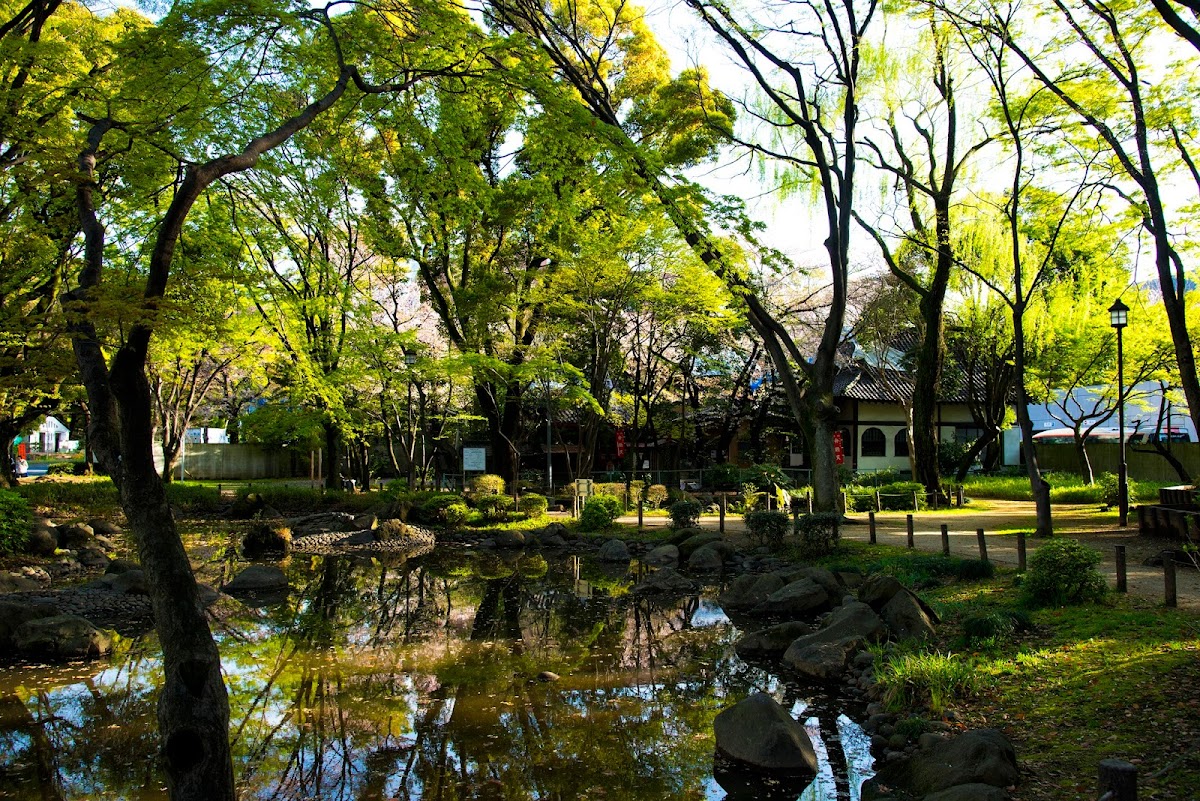
- Shiba Park: A park beloved as an oasis in the heart of the city
- Tokyo Tower: A symbol of Tokyo
- Shiba Toshogu Shrine: A shrine dedicated to Tokugawa Ieyasu
Many visitors combine their visit to Zojo-ji Temple with a visit to Hoju-in Temple, allowing you to explore multiple historical spots within walking distance.
Osaka Prefecture – Around Hoju-in Temple
As a tourist spot recommended by the Osaka Convention & Tourism Bureau, it can be incorporated into a historical walking route. As a temple associated with Kukai, it is especially recommended for those interested in the history of Shingon Buddhism.
Contact Information and Precautions for Visiting Hoju-in Temple
Visiting Hours and Admission Fees
Visiting hours and admission fees vary depending on the Hoju-in temple.
General Visiting Hours:
- Temple Grounds: From sunrise to sunset
- Goshuin (temple stamp) Issuance: 9:00 AM to 5:00 PM (Varies by temple)
- Main Hall Viewing: Please check in advance
If you wish to have a special viewing or see cultural properties, it is recommended to inquire with each temple in advance.
Photography Etiquette
Please follow the rules of each temple regarding photography of the temple grounds and Buddhist statues.
- Photography is often prohibited inside the main hall.
- Please be considerate of other visitors.
- Pay attention to location information and detailed information when posting on social media.
- Prior permission is required for commercial use.
Clothing and Belongings
Please dress appropriately for visiting a temple.
- Avoid revealing clothing.
- Remove your hat inside the main hall.
- Bring a Goshuincho (stamp book) and writing utensils.
- Bring small change (for offerings/donations).
Summary | The Charm and Significance of Visiting Hoju-in Temple
Hoju-in temples, scattered throughout Japan, each possess their own unique history and culture, yet they have received people’s wishes through the common symbol of the “Nyoi Hoju” (wish-granting jewel).
Hoju-in Temple in Minato Ward, Tokyo, is a sub-temple of Zojo-ji Temple, housing the secret Buddha Benzaiten and Enma Daio statues associated with Tokugawa Ieyasu, and attracts many visitors as a base for the Minato Seven Lucky Gods pilgrimage. Characterized by its modern temple management, which attracts attention from younger generations through colorful goshuin (temple stamps) and active social media presence, Hoju-in Temple in Osaka Prefecture boasts a long history, founded by Kukai, and as an ancient temple that continues to transmit the teachings of Shingon Buddhism to this day, it houses valuable Buddhist statues from the Kamakura period.
Other Hoju-in temples in different regions also play an important role as centers of faith and places for the preservation and transmission of cultural properties in their respective areas.
Visiting a Hoju-in temple is not merely sightseeing; it is a valuable opportunity to experience Japanese Buddhist culture and confront one’s inner self. In the tranquil temple grounds, one may realize that the “power to grant wishes,” symbolized by the wish-fulfilling jewel, actually resides within our own hearts.
By visiting Hoju-in temples throughout Japan and experiencing their respective histories and cultures, you can truly appreciate the diversity of Japan’s rich Buddhist culture. Many temples are easily accessible by train, so please consider visiting one.