Kuritani Shrine (Tottori Prefecture) Complete Guide | History, Goshuin (Shrine Seal), and Access Information
Kuritani Shrine, nestled in a quiet residential area of Tottori City, is a historic shrine that has long been affectionately known as “Kuritani-san” by the local people. It is a venerable shrine that once received a divided spirit from Hiromine Shrine in Harima Province and was revered as “Sho-ichii Gozu Tenno” (First Rank Ox-Headed Heavenly King). This article provides a detailed explanation of Kuritani Shrine’s history, highlights within the grounds, goshuin information, and access methods.
Basic Information on Kuritani Shrine
Kuritani Shrine is located in Kuritani-cho, Tottori City, Tottori Prefecture, and enshrines Susanoo-no-kami. It is situated approximately 500 meters east of the Tottori Prefectural Police Headquarters, along the Kuritani River, and is currently located in a quiet mountainous area near the Yoshikata Onsen 4-chome area.
Location: 31-1 Kuritani-cho, Tottori City, Tottori Prefecture (some sources state 32-1)
Deity Enshrined: Susanoo-no-Mikoto (Gozu Tenno)
Shrine Rank: Former Village Shrine
Annual Festival Date: June 15th
Telephone: Inquiries can be made through the Tottori Prefectural Shrine Association
History and Origins of Kuritani Shrine
Founding and Gozu Tenno Worship
The founding date of Kuritani Shrine is unknown, but it is said that a divided spirit was invited and enshrined from Hiromine Shrine in Harima Province (present-day Hyogo Prefecture). Hiromine Shrine is known as one of the centers of Gozu Tenno worship, and Kuritani Shrine was formerly called “Sho-ichii Gozu Tenno.”
Gozu Tenno is worshipped as a god who wards off epidemics and is a deity syncretized with Susanoo-no-Mikoto. This belief spread throughout Japan from the Heian period to the Edo period, and Kurikake Shrine also gained reverence as a guardian deity for warding off disease and misfortune in the region.
The Great Fire of Kyoho and the Destruction of the Shrine
In 1720 (Kyoho 5), a great fire struck Tottori Castle town, resulting in the complete destruction of Kurikake Shrine’s main building, ridgepole inscriptions, and ancient records. This Great Fire of Tottori was a historical disaster that destroyed many buildings in the castle town.
The oldest existing ridgepole inscription is believed to date from 1720, immediately after this great fire, and is a valuable historical document that tells the history of recovery from the disaster.
Separation of Shinto and Buddhism in the Meiji Era and Renaming
In 1868 (Meiji 1), influenced by the Meiji government’s decree separating Shinto and Buddhism, the shrine was renamed from “Sho-ichii Gozu Tenno” to “Kurikake Shrine.” At the same time, it was ranked as a village shrine, and was officially positioned as a shrine under the modern shrine ranking system. This name change altered the shrine’s name from the strongly Buddhist “Gozu Tenno” to a more Shinto-influenced one. However, the devotion to the enshrined deity, Susanoo-no-Mikoto, remains unchanged.
History of the Inari Shrine (Subsidiary Shrine)
Within the shrine grounds stands an Inari Shrine. This Inari Shrine was formerly known as the local guardian deity and is said to have been moved to its current location during the Shoho or Keian era (around 1644-1651). It has been revered alongside the main shrine as a place to pray for abundant harvests and business prosperity in the region.
Highlights of the Shrine Grounds
Steep Stone Steps and Approach
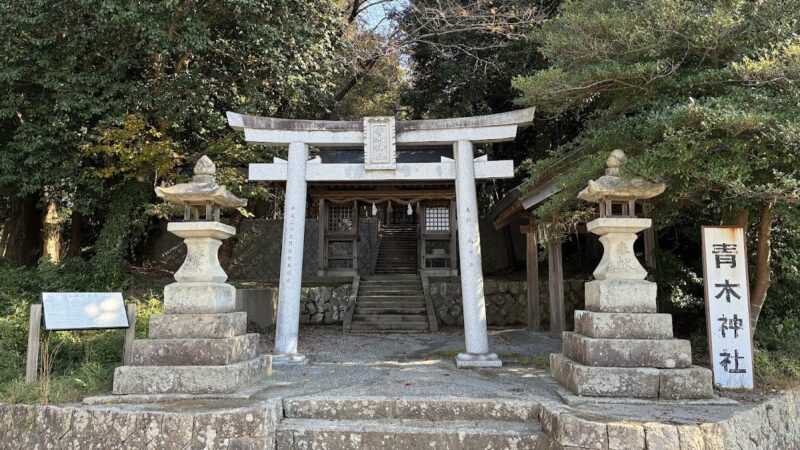
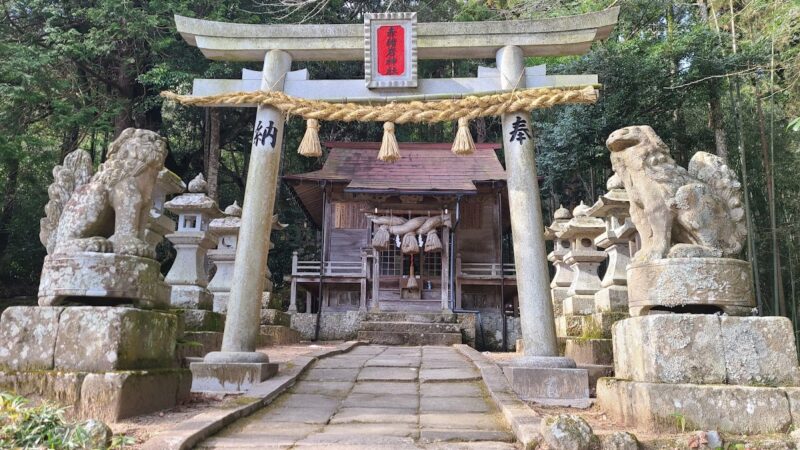
One of the distinctive features of Kurikake Shrine is the rather steep stone steps leading to the shrine grounds. Approaching the shrine from the prefectural road, a long stone staircase appears at the end of a tree-lined approach. Climbing these steps prepares one to leave the hustle and bustle of everyday life and enter the sacred realm. Several guardian lion-dogs (komainu) are positioned along the stone steps, watching over worshippers. The komainu at the top of the steps were dedicated in 1802 (Kyowa 2), making them a valuable cultural asset with over 200 years of history.
Historic Torii Gate
A torii gate that exudes a sense of history stands within the shrine grounds. Having withstood years of wind and rain, this torii gate is an important structure that speaks to the depth of this shrine’s history. Passing through the torii gate offers a sacred experience of crossing the boundary from the secular world to the sacred realm.
Worship Hall and Main Shrine
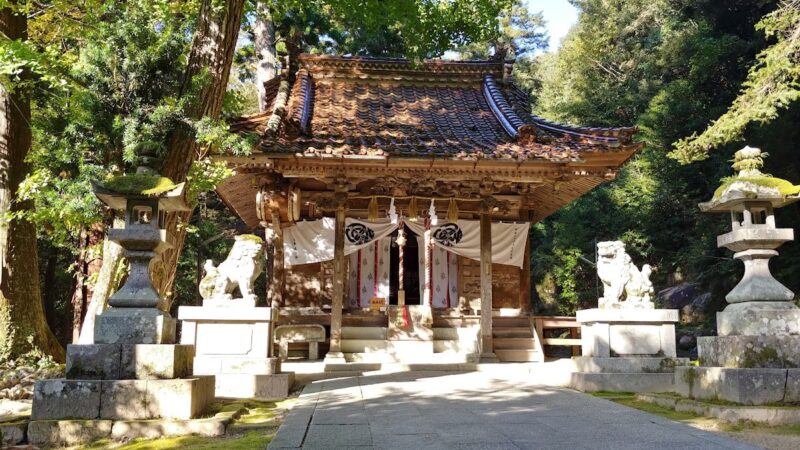
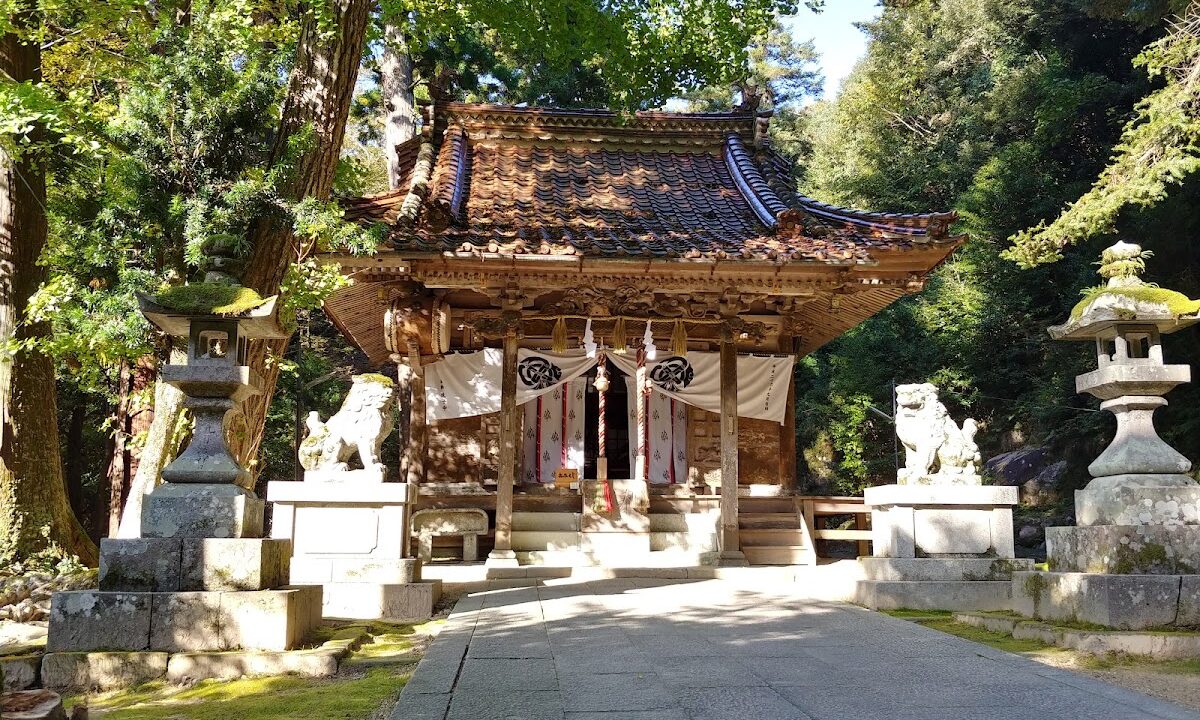
The worship hall, situated in a tranquil space surrounded by trees, is the central structure of Kurikake Shrine. Rebuilt after the Great Kyoho Fire, the shrine is a testament to the faith and efforts of the local people toward reconstruction.
Behind the worship hall sits the main shrine, where the enshrined deity, Susanoo-no-Mikoto, is worshipped. While the main shrine is generally not open to the public, its solemn presence contributes to the sacred atmosphere of the entire shrine grounds.
Highlights of the Komainu (Guardian Dogs)
Kurikawa Shrine has several komainu, each exhibiting characteristics from different eras.
- Komainu on the Stone Steps: Dedicated in 1802 (Kyowa 2). Exhibits the style of the late Edo period.
- Komainu in Front of the Worship Hall: Dedicated in 1926 (Taisho 15). Characterized by its modern design.
Comparing these komainu offers an interesting opportunity to observe the changes in style over time.
Sacred Trees and Nature of the Shrine Grounds
An ancient sacred tree stands within the shrine grounds, highlighting the sacredness of the area. Located on the hillside along the Kurikawa River, the grounds are surrounded by lush greenery, allowing visitors to experience the beauty of nature throughout the seasons.
Especially during the fresh greenery of early summer and the vibrant autumn foliage, you can enjoy the beautiful scenery of the shrine grounds in harmony with nature.
Subsidiary Shrines
The following subsidiary shrines are located around the main shrine:
- Inari Shrine: Worshipped since ancient times as the guardian deity of the land
- Nishinomiya Shrine: Worshipped as the guardian deity of the region
Visiting these subsidiary shrines as well will make for a more fulfilling pilgrimage experience.
Goshuin (Shrine Seal) Information
You can receive a goshuin at Kurikake Shrine. A goshuin is an important memento that preserves your connection with the shrine, and many visitors bring their goshuin notebooks with them.
Features of the Goshuin
The goshuin at Kurikake Shrine features the shrine’s name, “Kurikake Shrine,” written in ink and stamped in red. The simple yet powerful calligraphy conveys the history and prestige of this shrine.
Receiving Goshuin (Shrine Seals)
We recommend checking in advance regarding the reception of Goshuin. Reception hours may be limited depending on the size of the shrine and whether staff are permanently stationed there. If you definitely want to receive a Goshuin, we recommend contacting the Tottori Prefectural Shrine Association or visiting during festivals such as the annual festival.
Annual Festival and Other Annual Events
Annual Festival (June 15th)
The annual festival of Kurikake Shrine is held every year on June 15th. This festival is also featured in the calendar of festivals for the “Kirin no Machi” (Town of the Kirin), a Japanese Heritage site, and is positioned as an important local festival.
During the annual festival, traditional Shinto rituals such as the recitation of prayers and the offering of sacred branches are solemnly performed by the Shinto priests. Local parishioners and devotees gather, making it the most important festival of the year for the shrine.
Other Festivals
In addition to the annual festival, various festivals are held throughout the year, including the New Year’s Day festival, the Setsubun festival, and the autumn harvest festival. These festivals strengthen community bonds and provide important opportunities for passing on traditional culture to future generations.
Access Information
Location and Map
Address: 31-1 Kuritani-cho, Tottori City, Tottori Prefecture
Nearest Station: JR Tottori Station
Kurikake Shrine is located in Kuritani-cho, northeast of central Tottori City, near the Yoshikata Onsen area. It is approximately 500 meters east of the Tottori Prefectural Police Headquarters, along the Kuritani River.
Access by Public Transportation
From JR Tottori Station:
- Approximately 30-40 minutes on foot
- Approximately 5-10 minutes on foot from the nearest bus stop (Hinomaru Bus bound for “Yoshikata Onsen”)
- Approximately 10 minutes by taxi
Due to the distance from Tottori Station, using a bus or taxi is recommended.
Access by Car
From the Tottori Expressway:
- Approximately 15 minutes from Tottori IC
- Take National Route 29 towards the city center, then turn onto the road along the Kuriyagawa River near the Prefectural Police Headquarters.
Parking: There is some space around the shrine grounds, but it is recommended to check in advance for details. During events such as festivals, congestion is expected, so please consider using public transportation.
Nearby Tourist Attractions
The following tourist attractions are located near Kuriyagawa Shrine:
- Yoshikata Onsen: A hot spring resort town in Tottori city. Many day-trip bathing facilities are available.
- Tottori Castle Ruins: A symbolic historical site of Tottori City. The ruins of a mountain castle built on Mt. Hisamatsu.
- Tottori Sand Dunes: One of the largest sand dunes in Japan. Approximately 20 minutes by car
- Jinpukaku: A Western-style building designated as a National Important Cultural Property
By visiting these tourist spots in conjunction with a visit to Kurikake Shrine, you can experience the charm of Tottori City more deeply.
Manners and Precautions for Visiting a Shrine
Basic Worship Etiquette
- When passing through the torii gate: Bow before entering the shrine grounds.
- Purification at the water basin: Purify your left hand, right hand, and mouth in that order.
- Worship at the main hall: Two bows, two claps, and one bow are the basic rituals.
- Behavior within the shrine grounds: Worship quietly and with reverence.
Precautions for Visiting
- Steep stone steps: Pay close attention to your footing and wear comfortable shoes.
- Location on a hillside: In summer, take precautions against insects; in winter, take precautions against the cold.
- Quiet residential area: As the surrounding area is residential, be considerate of noise levels.
- If you wish to receive a Goshuin (shrine stamp): It is recommended to check the reception hours in advance.
The Charm and Worth of Visiting Kuritani Shrine
Kuritani Shrine, located in the heart of Tottori City, is a precious shrine that maintains a tranquil and sacred atmosphere. Despite its history of being a center of faith for the Gozu Tenno deity, having been invited from Hiromine Shrine in Harima Province, its reconstruction after the Great Kyoho Fire, and its name change during the Meiji era, it has been preserved to this day.
Climbing the steep stone steps and stepping into the tree-lined grounds, one is enveloped in a silence and sacred atmosphere that makes one forget the hustle and bustle of the city. The landscape, woven from the historic torii gate, guardian lion-dogs from various eras, the solemn worship hall and main shrine, and the sacred tree, deeply moves visitors.
Kuritani Shrine, affectionately known as “Kuritani-san” by the locals, still preserves traditional Shinto rituals at its annual festival. It is one shrine you should definitely visit when you come to Tottori City.
Summary
Kurikake Shrine (Tottori City, Tottori Prefecture) is a historical shrine that originated from the enshrinement of Sho-ichii Gozu Tenno, who was invited from Hiromine Shrine in Harima Province. It was renamed to its current name in 1868 (Meiji 1). The enshrined deity is Susanoo-no-Mikoto, and it has long been revered by the local community as a guardian deity against disease and misfortune.
The shrine grounds feature steep stone steps, a historic torii gate, a worship hall, a main shrine, guardian lion-dogs from various eras, and sacred trees, offering a peaceful and tranquil experience surrounded by trees. Goshuin (shrine stamps) are also available, making it a recommended spot for those collecting them.
The annual festival on June 15th features traditional Shinto rituals and plays a central role in the local community. It is accessible from Tottori Station by public transport or car, and nearby attractions include Yoshikata Onsen and the ruins of Tottori Castle.
When you visit Tottori City, be sure to pay your respects at Kurikake Shrine, a place steeped in history and tradition.