Complete Guide to Tachimi Shrine (Tottori Prefecture) | History, Benefits, and Access Information
Tachimi Shrine is a historic shrine located in Miyashita, Kofu-cho, Tottori City, Tottori Prefecture. Formerly known as Hachiman-gu, it has long been revered as the local guardian deity. This article provides detailed information you should know before visiting, including the history of Tachimi Shrine, its enshrined deities, benefits, festivals, and access methods.
Overview of Tachimi Shrine
Tachimi Shrine is located in the Kofu-cho area of Tottori City and has been revered by local residents as the guardian deity of Miyatani Village and Mototaka Village. Registered with the Tottori Prefectural Shrine Association, it is an important presence that preserves the shrine culture of the Inaba region.
Basic Information
Location: Miyashita, Kofu-cho, Tottori City, Tottori Prefecture
Former Name: Hachiman-gu Shrine
Shrine Rank: Village Shrine
Jurisdiction: Tottori Prefectural Shrine Office
Kofu-cho, within the Tottori region, has flourished since ancient times as the center of Inaba Province, and Tatemi Shrine has played a part in its history.
History
The exact founding date of Tatemi Shrine is not clearly recorded, but records indicate that it has existed as a center of local faith since ancient times.
From Hachiman-gu Shrine to Tatemi Shrine
Until the early modern period, this shrine was called “Hachiman-gu Shrine.” Following the Meiji Restoration’s separation of Shinto and Buddhism, the shrine’s name was changed to “Tatemi Shrine.” This name change is related to important historical background passed down in the region.
The Legend of Yamana Yajiro Toyokazu and Tachimi Pass
The name of Tachimi Shrine originates from a tragic event during the Sengoku period. According to the *Inaba-shi* (History of Inaba Province), Yamana Yajiro Toyokazu, the lord of Fuse Castle, was defeated in battle against Takeda Takanobu in 1564 and committed suicide at Tachimi Pass.
The villagers, in order to appease the spirit of this warrior, enshrined him together with the Hachiman Shrine, and later changed the shrine’s name to “Tachimi Shrine.” This legend is an example of “Goryo faith,” where local people worship historical figures as gods, and is an important element in understanding the Shinto culture of the Inaba region.
Fuse Castle and the Yamana Clan
The Yamana clan was a powerful samurai family that ruled Inaba Province from the Muromachi period to the Sengoku period. Fuse Castle was a mountain castle located in what is now Kofu-cho, Tottori City, and was one of the Yamana clan’s strongholds. The Eiroku era (1558-1570) was a turbulent period of the Sengoku period, and fierce power struggles were unfolding within Inaba Province.
Takeda Takanobu, with the support of the Mori clan, invaded Inaba Province and engaged in fierce battles with the Yamana clan. The final moments of Yamana Yajiro Toyokazu at Tachimi Pass are deeply etched in the local memory as an event symbolizing the turmoil in Inaba Province during this era.
Deities and Benefits
Deities
The main deity enshrined at Tachimi Shrine is Honda-wake no Mikoto, also known as Emperor Ojin. This deity has been enshrined since the time when the shrine was a Hachiman Shrine.
In addition, the aforementioned Yamana Yajiro Toyokazu no Mikoto is also enshrined, resulting in a form of worship deeply intertwined with the region’s history.
Benefits
Tachimi Shrine is believed to offer the following benefits:
Long-lasting military fortune and good luck in competitions: Hachiman, the deity of war, is considered a god of war and the guardian deity of those who participate in competitions and contests.
Protection of the community: As the local guardian deity, it plays a role in protecting the safety and prosperity of the local residents.
Safety of the family: It is worshipped as a place to pray for the peace and safety of the homes in the community.
Protection from evil: It is believed to offer the benefit of warding off misfortune and protecting a pure life.
Festivals and Events
Tachimi Shrine holds various festivals and events throughout the year, while preserving local traditions.
Annual Grand Festival
The annual grand festival, held every autumn, is the most important festival at Tachimi Shrine. Local residents gather, and traditional events such as portable shrine processions and Kagura (sacred dance) are held, praying for a bountiful harvest and the prosperity of the community.
Monthly Festival
A monthly festival is held regularly, with parishioners and devotees attending to offer daily gratitude and prayers.
New Year’s Visit
Many worshippers visit the shrine in the new year to pray for safety and happiness throughout the year. As the local guardian shrine, the New Year’s visit is an important annual event for the local residents.
Highlights of the Shrine Grounds
Shrine Buildings
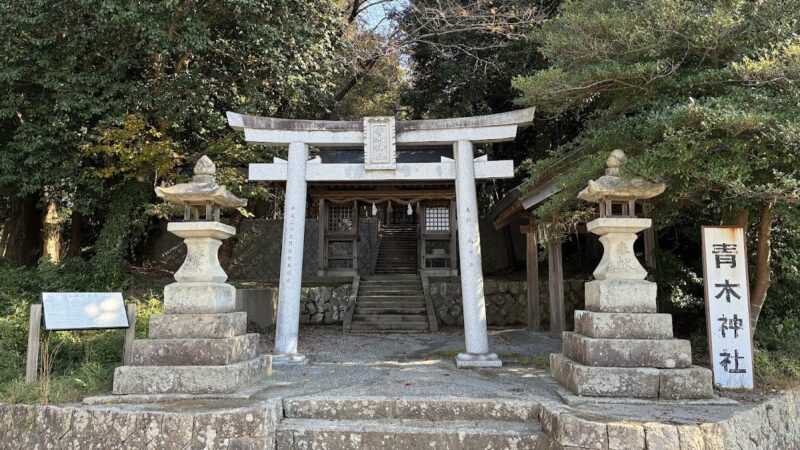
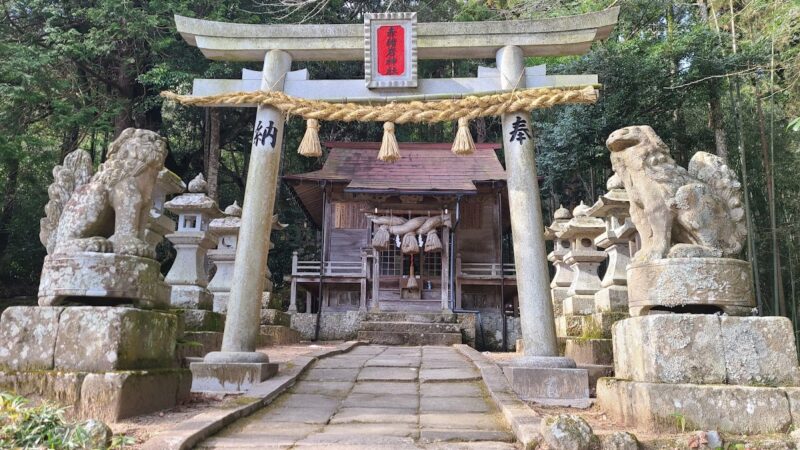
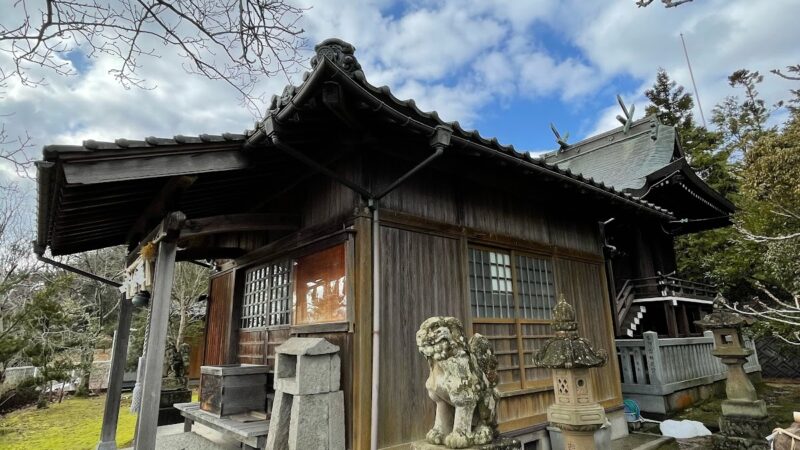
The shrine buildings of Tachimi Shrine maintain the style of traditional shrine architecture while harmonizing with the local landscape. Both the main hall and the worship hall are carefully maintained, reflecting the deep faith of the local people.
Subsidiary Shrines
Around the main hall are several subsidiary shrines dedicated to various deities worshipped in the region. These demonstrate the diversity of local beliefs and represent a comprehensive attitude of reverence for the gods in Shinto.
Natural Environment
Surrounded by the rich nature of Kofu-cho, the grounds of Tachimi Shrine offer beautiful scenery throughout the four seasons. Especially during the fresh greenery of spring and the vibrant autumn foliage, visitors can enjoy the beauty of nature along with their worship.
Shrine Culture in Tottori Prefecture and Tatemi Shrine
Tottori Prefecture has numerous shrines, each with its own unique history and beliefs. Under the jurisdiction of the Tottori Prefectural Shrine Association, shrines are registered in Tottori City, Kurayoshi City, Yonago City, Sakaiminato City, as well as in towns such as Iwami, Yazu, Wakasa, Chizu, Misasa, Kotoura, Hokuei, and Yurihama.
Shrines in the Inaba Region
The Inaba region (the eastern area centered around Tottori City), where Tatemi Shrine is located, has many shrines deeply connected to mythology and history, such as Hakuto Shrine and Ube Shrine. These shrines are important cultural heritage sites that convey the history of Inaba Province from ancient times.
Locally Rooted Beliefs
Examples like Tatemi Shrine, where local historical events and figures are enshrined as deities, are an important element in Japanese Shinto culture. This is not merely a religious facility; it plays a role in shaping the local identity and strengthening community bonds.
Access & Map
Location
Address: Miyashita, Kofu-cho, Tottori City, Tottori Prefecture
Transportation Access
Access by Train:
- Approximately 15 minutes by car from JR San’in Main Line “Tottori Station”
- If using a local bus, take a bus bound for Kofu-cho from Tottori Station
Access by Car:
- Approximately 10 minutes from Tottori IC on the Tottori Expressway
- From National Route 29 towards Kofu-cho
Parking
There is parking space for visitors on the shrine grounds or nearby. Congestion is expected during festivals, so it is recommended to visit with plenty of time to spare.
Nearby Tourist Attractions
The area around Kofu-cho has many historical sites, such as the Inaba Provincial Office Ruins and the Manyo Historical Museum. You can enjoy a journey tracing the history of Inaba Province in conjunction with a visit to Tachimi Shrine. ## Manners and Etiquette for Visiting a Shrine
Basic Shrine Visit Etiquette
There are traditional manners for visiting a shrine:
- When passing through the torii gate: Bow before entering the shrine grounds.
- Purification at the water basin: Purify your left hand, right hand, and mouth in that order.
- Worship at the main hall: Worship using the two bows, two claps, and one bow ritual.
- When leaving: Bow towards the shrine before leaving the torii gate.
Regarding Attire
There are no specific dress code requirements, but please dress cleanly and appropriately, keeping in mind that this is a sacred place. For festivals, slightly more formal attire is desirable.
Regarding Photography
Photography is generally permitted on the shrine grounds, but there may be restrictions on photography inside the main hall or during religious ceremonies. Please check with the shrine office if you have any questions.
Goshuin (Shrine Seals) and Items Offered
Goshuin
Tachimi Shrine offers Goshuin (shrine seals). Goshuin are cherished as proof of worship and as a way to forge a connection with the shrine. If you have a Goshuincho (seal book), please inquire at the shrine office after your visit.
Amulets and Items Offered
Various amulets and lucky charms are available. Amulets are available to fulfill various wishes, such as traffic safety, family safety, and academic success.
About the Tottori Prefecture Shrine Association
Tachimi Shrine is under the jurisdiction of the Tottori Prefecture Shrine Association. The Tottori Prefecture Shrine Association is a religious corporation that encompasses shrines within Tottori Prefecture and supports the maintenance and management of shrines, the training of Shinto priests, and the continuation of religious rituals.
Location: Kamimachi, Tottori City, Tottori Prefecture
The official website of the Tottori Prefectural Shrine Association provides information on shrines in the prefecture, festivals and events, and information on Shinto, making it a useful resource when searching for shrines in Tottori Prefecture.
Significance of Visiting Tachimi Shrine
Visiting Tachimi Shrine has meaning beyond mere sightseeing. By reflecting on the history of Inaba Province during the Sengoku period and experiencing the form of faith that the local people have preserved, one can gain a deep understanding of the connection between Japanese Shinto culture and local communities.
A Visit to Experience History
The legend of Yamana Yajiro Toyokazu is a valuable historical memory that conveys the turmoil of Inaba Province during the Sengoku period. His tragic end at Tachimi Pass and the faith of the villagers who enshrined him as a god illustrate the Japanese view of life and death and the nature of Goryo faith.
Inheritance of Local Culture
Ujigami faith is an important cultural foundation that supports local communities in Japan. Tatemi Shrine continues to function as a spiritual center for the people of the Kofu-cho area, fostering intergenerational exchange and cultural transmission through its festivals.
Connections to Other Shrines in Tottori Prefecture
Tottori Prefecture boasts a diverse array of shrines, each possessing its own unique charm.
Hakuto Shrine
Located in Hakuto, Tottori City, Hakuto Shrine is known for its connection to the “White Rabbit of Inaba” myth from the Kojiki (Records of Ancient Matters). It is famous for its blessings related to matchmaking and attracts many worshippers.
Ube Shrine
Ube Shrine, the Ichinomiya (first-ranked shrine) of Inaba Province, enshrines Takenouchi no Sukune and is known for its blessings related to child-rearing, longevity, and financial fortune. It is one of Tottori Prefecture’s most prestigious shrines.
Other Regional Shrines
Throughout Tottori Prefecture, including Kurayoshi City, Yonago City, and Sakaiminato City, numerous shrines with their own histories and beliefs are scattered. Visiting these shrines during a trip to Tottori would be a fascinating experience.
Summary
Tachimi Shrine is a historic shrine located in Kofu-cho, Tottori City, Tottori Prefecture. Formerly known as Hachiman-gu, it was renamed to its current name in the early Meiji period. Deeply connected to the legend of Yamana Yajiro Toyokazu, the lord of Fuse Castle during the Sengoku period, it possesses a unique charm, blending local history and faith.
As the tutelary shrine of Miyatani Village and Mototaka Village, Tachimi Shrine has continuously attracted the reverence of local residents and is an important presence in understanding the shrine culture of the Inaba region. When visiting Tottori Prefecture, we highly recommend visiting Tachimi Shrine to experience its history and faith.
The Tottori Prefectural Shrine Association website provides information on shrines within the prefecture, including Tachimi Shrine, so please use it when planning your pilgrimage. Through visiting these locally rooted shrines, you can experience the traditional culture of Japan and the spirit of Shinto.