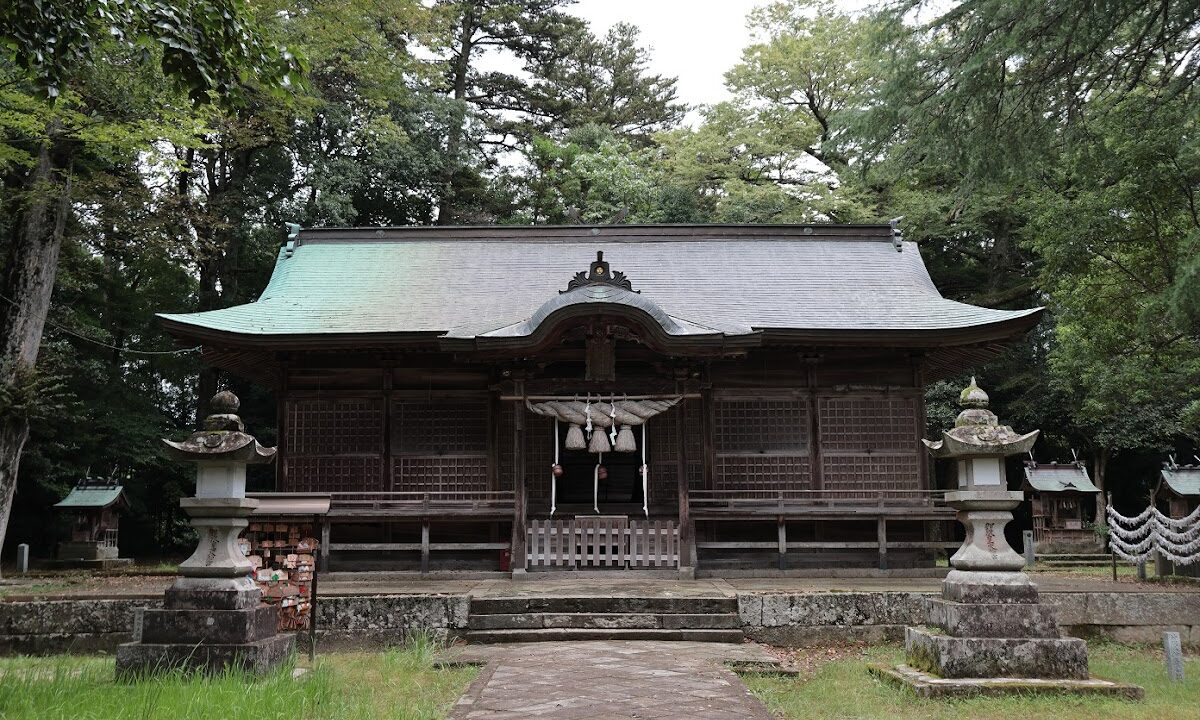
Kamo Shrine (Kurayoshi City, Tottori Prefecture) Complete Guide | Legend of the Celestial Maiden, Goshuin (Shrine Seal), and Access Information
Kamo Shrine, located in Aoi-cho, Kurayoshi City, Tottori Prefecture, is a historic shrine that received a divided spirit from Kamigamo Shrine in Kyoto. Surrounded by a lush protected forest, the shrine grounds contain many mystical sights, including the “Yugao Well,” associated with the legend of the celestial maiden, and the “Tenpai Stone,” said to have fallen from the heavens. This article provides detailed information you should know before visiting Kamo Shrine, including its history, blessings, visiting information, and access methods.
History and Origins of Kamo Shrine
Establishment from Kamigamo Shrine, Kyoto
Kamo Shrine was founded by receiving a divided spirit from Kamigamo Shrine (Kamo Wakeikazuchi Shrine) in Kyoto. According to its history, it enshrines Kamo Wakeikazuchi-no-kami as its main deity and was formerly known as “Kamo Kōtaijingu” or “Kamo Daimyōjin.” Kamigamo Shrine in Kyoto is known as an ancient shrine dedicated to the god of thunder, and its divine power spread throughout Japan. The Kamo Shrine, which was established in Kurayoshi, has also been deeply revered by the local people as a deity that governs nature.
From the Chief Guardian Deity of Kurayoshi to the Local Guardian Deity
Until the Kansei era (1789-1801), Kamo Shrine was revered as the chief guardian deity of the entire town of Kurayoshi. Later, it became the guardian deity of the eastern half of Kurayoshi, and currently protects the people of the 22 towns in the Narutoku district of Kurayoshi City.
Throughout its long history dating back to the Edo period, Kamo Shrine has walked hand in hand with the development of Kurayoshi, playing an important role as a spiritual anchor for the local residents.
The Legend of the Heavenly Worship Stone from the Jokyo Era
Kamo Shrine preserves a chicken-egg-shaped stone that is said to have fallen from the sky during the Jokyo era (1684-1687). This stone, approximately 50 centimeters long, is called the “Tenpai Stone” and is cherished as a symbol of the shrine’s mystical nature.
This stone, said to have fallen from the heavens, attracts the faith of worshippers as a manifestation of the divine power of Kamo Wakeikazuchi-no-kami.
Deity and Benefits
Divine Power of Kamo Wakeikazuchi-no-kami
The deity enshrined at Kamo Shrine is Kamo Wakeikazuchi-no-kami. “Wakeikazuchi” means “young thunder,” and this deity is known as a god of thunder possessing immense power. Thunder has been considered a symbol of heavenly power since ancient times, and this deity has been revered as a god who controls nature.
By enshrining the same deity as Kamigamo Shrine in Kyoto, the divine power extends to the Kurayoshi area, protecting the peace and prosperity of the region.
Benefits of Protection from Disaster and Misfortune
Kamo Wakeikazuchi-no-kami is believed to have particularly strong benefits in protecting against disaster. Through his power as the god of thunder, he wards off all calamities and protects worshippers.
Main benefits:
- Protection from disaster and misfortune: Protection from all kinds of calamities
- Protection from lightning: Protection from natural disasters such as lightning strikes
- Abundant harvest: Prayers for a bountiful harvest of crops
- Family safety: Protection of the health and safety of family members
- Good fortune and prosperity: Increases luck and attracts good fortune
The Miracle of the Lightning Strike at Futabayama in 1940
The lightning strike incident on July 7, 1940, is recounted as an event demonstrating the divine power of Kamo Wakeikazuchi-no-kami. Although lightning struck the main shrine, it split and struck two pine trees in front of and behind the main shrine, leaving the shrine unharmed.
This event, known as the “Lightning Strike at Futabayama,” instilled deep faith in the local people as proof that Kamo Wakeikazuchi-no-kami protected the shrine. This is a mystical episode unique to a shrine dedicated to the god of thunder.
The Legend of the Celestial Maiden and the Evening Glory Well
The Legend of the Feathered Robe in Kurayoshi
Within the grounds of Kamo Shrine lies a legend of the celestial maiden that has been passed down since ancient times. The “Legend of the Feathered Robe,” passed down in this region, is a valuable folk tale, one of the many celestial maiden legends remaining throughout Japan.
According to the legend, a celestial maiden descended to earth and lived in this area. When the time came for her to return to heaven, she is said to have ascended to the heavens by climbing the evening glory vines growing near a well close to the torii gate.
The Mystery of the Evening Glory Well
The well said to have been used by the celestial maiden when she returned to heaven is called the “Evening Glory Well” and remains on the shrine grounds today. Evening glories grow abundantly beside the well, preserving the setting of the legend.
The Evening Glory Well is a popular spot that visitors to Kamo Shrine always stop by. Gazing at the well in the tranquil shrine grounds and contemplating the legend of the celestial maiden will be a truly special experience.
The Charm of a Shrine with a Legend of the Celestial Maiden
While several shrines across Japan have legends of celestial maidens, the legend of Kurayoshi’s Kamo Shrine is unique in that it features a specific plant: the evening glory flower. The beautiful image of the maiden ascending to heaven by climbing the vines of the evening glory has captivated the imaginations of many.
When visiting the shrine, be sure to look for the evening glory well and experience this mystical legend.
Highlights of the Shrine Grounds
A Sacred Space Surrounded by a Protected Forest
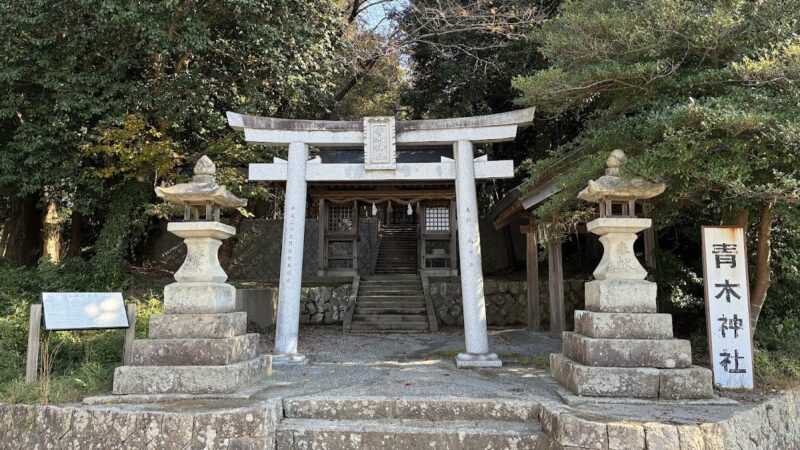
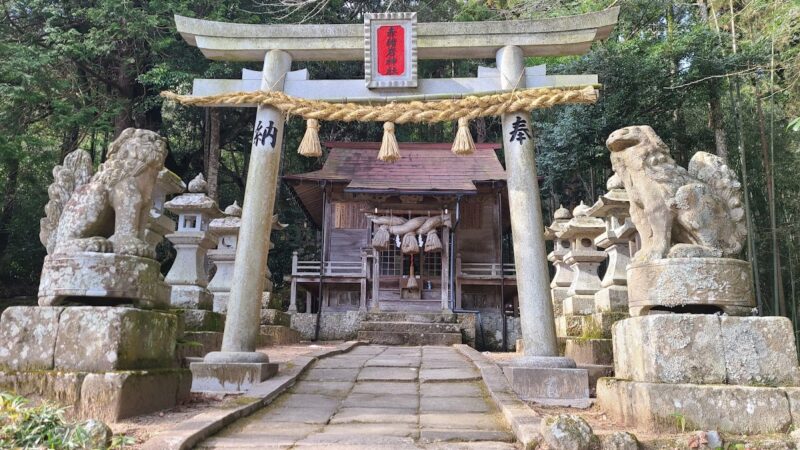
Kamo Shrine is situated in a sacred space surrounded by a rich protected forest. The lush green environment extending from the approach to the shrine allows you to forget the hustle and bustle of the city and calm your mind.
Especially from early summer to summer, the fresh greenery is beautiful, and in autumn, the autumn leaves color the grounds. Being able to visit while experiencing the changing seasons is a major attraction of Kamo Shrine.
Main Shrine and Worship Hall
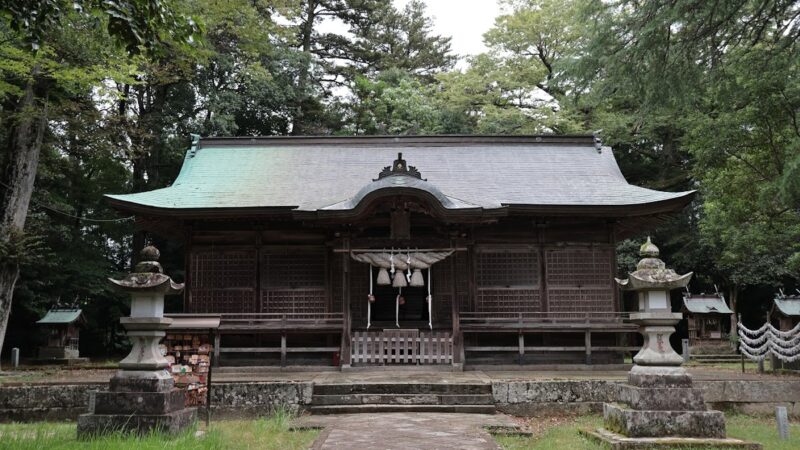
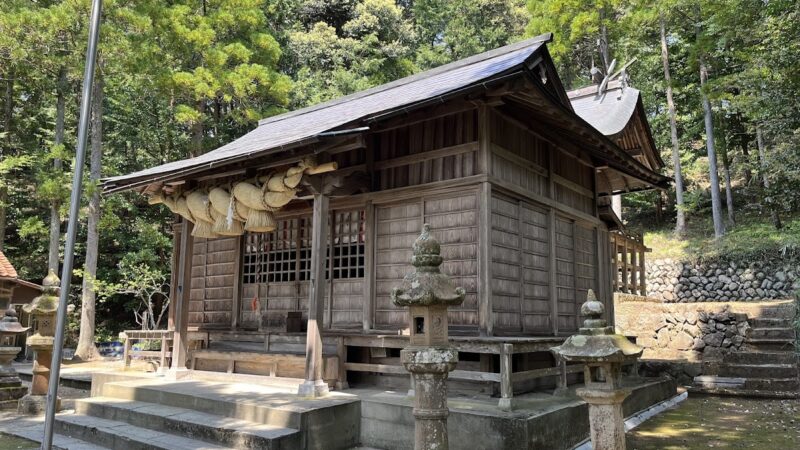
After climbing the long stone steps, the main shrine and worship hall stand majestically. The main shrine, protected from a lightning strike in 1940, is a sacred place where one can feel the divine power of Kamo Wakeikazuchi-no-kami.
At the worship hall, worship is performed using the two bows, two claps, and one bow ritual. Quietly join your hands and convey your gratitude and wishes to the gods.
The Mystery of the Tenpai Stone
Within the shrine grounds is the Tenpai Stone, said to have fallen from the sky during the Jōkyō era. This egg-shaped stone, approximately 50 centimeters long, exudes a mystical atmosphere.
Stones with legends of falling from the heavens are rare nationwide and are carefully preserved as a special treasure of Kamo Shrine.
Shrine Office and Souvenirs
Partway along the approach to the shrine, on the left, is the shrine office. Here you can obtain goshuin (shrine stamps) and amulets. Please stop by as a memento of your visit.
Goshuin (Shrine Seal) Information
Goshuin Reception
Kamo Shrine offers goshuin to visitors. Goshuin can be obtained at the shrine office located along the approach to the shrine.
Goshuin Reception Information:
- Reception Location: Shrine office (left side of the approach)
- Reception Hours: During visiting hours (checking in advance is recommended)
- Offering Fee: Approximately 300-500 yen
- QR Payment: Not accepted (please prepare cash)
About Goshuincho (Shrine Seal Books)
If you do not have a goshuincho, you may be able to obtain one at the shrine office. Please inquire at the shrine office for details.
Goshuin are important as proof of your visit and as a way to forge a connection with the shrine. Please store them carefully and cherish them.
Visiting Information
Basic Information
Location: 586 Aoi-cho, Kurayoshi City, Tottori Prefecture 682-0822
Phone Number: 0858-22-4479
Visiting Hours: Always open (Shrine office hours may vary)
Admission Fee: Free
Worship Procedure: Two bows, two claps, one bow
Annual Events
Kamo Shrine holds various festivals throughout the year. Especially during the New Year’s visit period, approximately 35,000 visitors come annually, creating a lively atmosphere.
Main Annual Events:
- Hatsumode (January 1st-3rd): New Year’s worship, fortune-telling, and prayers
- Spring Grand Festival: Spring Thanksgiving Festival
- Autumn Grand Festival: Autumn Harvest Thanksgiving Festival
- Other Festivals: Local traditional events
For detailed dates of festivals, please contact the shrine directly or check the Tottori Prefecture Shrine Association website.
Fortune-telling and Prayers
At Kamo Shrine, you can draw a fortune-telling slip. Receive a message from Kamo Wakeikazuchi-no-kami and use it as guidance for the future.
We also accept various prayers. We can accommodate various prayers such as protection from evil, family safety, and traffic safety. If you wish to receive a prayer, please contact the shrine office in advance.
Access Methods
Access by Public Transportation
From JR Kurayoshi Station:
- Walking: Approximately 15-20 minutes
- Bus: Take the Hinomaru Bus; a few minutes’ walk from the nearest bus stop.
The route from Kurayoshi Station to the shrine is relatively flat, passing through the Kurayoshi city center. Walking while strolling through the townscape of Kurayoshi is also recommended.
Access by Car
From Expressways:
- Approximately 40 minutes from the Yonago Expressway “Yuhara IC”
- Approximately 50 minutes from the Yonago Expressway “Hiruzen IC”
From Major Cities:
- From Tottori City: Approximately 40 minutes via National Route 9
- From Yonago City: Approximately 50 minutes via National Route 9
Parking: There are parking spaces around the shrine, but during busy periods such as New Year’s visits, please use nearby public parking lots.
Nearby Tourist Attractions
When visiting Kamo Shrine, we recommend also visiting other tourist attractions in Kurayoshi City.
Main Tourist Attractions in Kurayoshi City:
- White-Walled Storehouse District: A charming townscape with buildings from the Edo and Meiji periods (within walking distance)
- Red-Tiled Roofs: Shops and galleries utilizing traditional Kurayoshi architecture
- Misasa Onsen: A world-renowned radium hot spring, about 15 minutes by car
- Kurayoshi Museum: A facility where you can learn about the history and culture of Kurayoshi
The Relationship Between Kurayoshi City and Kamo Shrine
As the Guardian Deity of the Seito District
Currently, Kamo Shrine serves as the guardian deity of the 22 towns in the Seito district of Kurayoshi City, acting as a spiritual pillar of the community. It plays a central role in local festivals and events, functioning as a place to deepen the bonds among residents.
A Symbol of Kurayoshi’s History and Culture
Kamo Shrine is an important cultural property that conveys the long history and culture of Kurayoshi City to the present day. The shrine’s history, stemming from its inception from Kyoto’s Kamigamo Shrine, demonstrates Kurayoshi’s long-standing cultural ties with Kyoto.
Folk legends such as the legend of the celestial maiden and the Tenpai Stone are valuable cultural heritage nurtured by the faith and imagination of the local people.
Center of the Local Community
With approximately 35,000 visitors for Hatsumode (first shrine visit of the New Year), Kamo Shrine is a familiar place of worship for the citizens of Kurayoshi. Many worshippers visit throughout the year, playing a role in strengthening the bonds of the local community.
Manners and Precautions for Visiting a Shrine
Basic Manners for Visiting a Shrine
When visiting a shrine, please observe the following basic manners.
- Bow before passing through the torii gate: This is a courtesy before entering the sacred area.
- Avoid walking in the center of the approach: The center is considered the path of the gods.
- Purify yourself at the water basin: Cleanse your hands and mouth before praying.
- Two bows, two claps, one bow: Follow the proper way to pray at Kamo Shrine.
- Pray quietly: Be considerate of other worshippers.
About the long staircase
To reach the main hall of Kamo Shrine, you need to climb a long flight of stone steps. Those with weak legs or elderly individuals are advised to climb slowly, taking breaks as needed.
There is a shrine office along the stairs, so please pray at your own pace without overexerting yourself.
About photography
Photography is generally permitted on the shrine grounds, but please be considerate of other worshippers. Also, there are areas where photography is restricted, such as inside the main hall, so please follow the signs.
About photography
Photography is generally permitted on the shrine grounds, but please be considerate of other worshippers. When photographing special locations such as the Yugao Well or the Tenpai Stone, please do so with respect.
Shrine Pilgrimage in Tottori Prefecture and Kamo Shrine
Major Shrines in Tottori Prefecture
Besides Kamo Shrine, Tottori Prefecture has many other historically significant shrines. A shrine pilgrimage tour throughout the prefecture is highly recommended.
Major Shrines in Tottori Prefecture:
- Ube Shrine (Tottori City): Ichinomiya of Inaba Province
- Ogamiyama Shrine (Yonago City): Ichinomiya of Hoki Province
- Shizuri Shrine (Yurihama Town): Ichinomiya of Hoki Province
- Hakuto Shrine (Tottori City): The setting of the legend of the White Rabbit of Inaba
Recommendation for Collecting Goshuin (Shrine Stamps)
A trip to visit shrines in Tottori Prefecture and collect Goshuin is also popular. A course starting from Kamo Shrine and visiting shrines around Kurayoshi and Misasa is a manageable distance that can be covered in one day. Kurayoshi City boasts approximately 19 shrines and temples, each with its own unique history and charm. If you have ample time, why not visit several?
Seasonal Charms of Kamo Shrine
Spring at Kamo Shrine
In spring, the fresh greenery is beautiful, and the trees in the shrine grounds begin to bud. Visiting in the warm climate is a refreshing experience for both mind and body. The Spring Grand Festival is also held, attracting many local people.
Summer at Kamo Shrine
In summer, the greenery deepens, and the shade of the protected forest provides coolness. Around the Yuugao Well, you might even see the moonflowers in bloom.
Autumn at Kamo Shrine
In autumn, the trees in the shrine grounds change color, offering a beautiful landscape. During the Autumn Grand Festival, gratitude for the harvest is offered to the gods. Visiting in the cool climate is especially pleasant.
Kamo Shrine in Winter (New Year’s Visit)
In winter, especially during the New Year’s visit season, approximately 35,000 worshippers visit the shrine. The grounds are bustling with people conveying their New Year’s wishes to the gods and praying for a safe year. Despite the cold weather, visitors can welcome the New Year in a solemn atmosphere.
Summary
Kamo Shrine in Kurayoshi City, Tottori Prefecture, is a historic shrine established by inviting a deity from Kamigamo Shrine in Kyoto. It is known for its protection against disaster, enshrining Kamo Wakeikazuchi-no-kami. It boasts numerous mystical sights, such as the “Yugao Well,” associated with a legend of a celestial maiden, and the “Tenpai Stone,” said to have fallen from the sky.
The quiet grounds, surrounded by a protected forest, offer a peaceful place to worship while appreciating the changing seasons. As the tutelary shrine of the 22 towns in the Narutoku district of Kurayoshi City, it is a popular shrine, attracting approximately 35,000 visitors for the New Year’s visit.
Located just a 15-20 minute walk from JR Kurayoshi Station, this shrine is easily accessible and is recommended to visit in conjunction with other nearby attractions such as the white-walled storehouse district and Misasa Onsen hot springs. You can also receive a Goshuin (shrine stamp), so please stop by the shrine office to commemorate your visit.
Enjoy a special pilgrimage experience, touching upon the divine power of Kamo Wakeikazuchi-no-kami and the mysteries of the celestial maiden legend.