
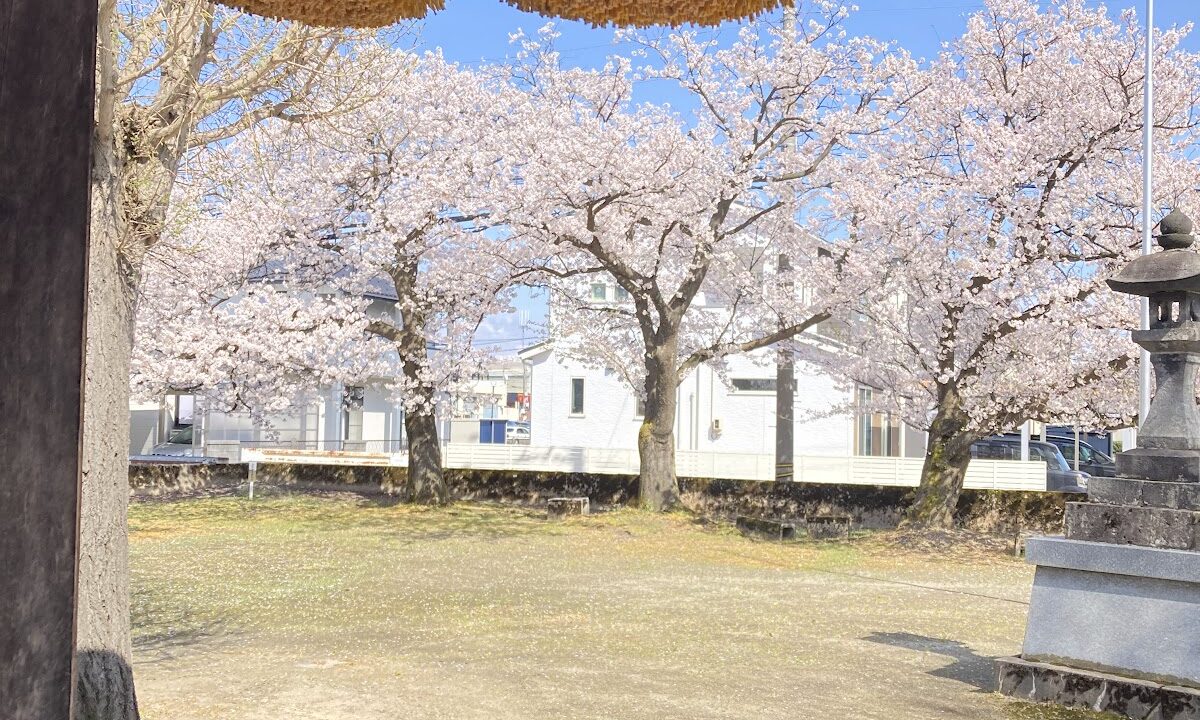
Shinmei Shrine (Shimoakae-cho, Toyama City, Toyama Prefecture) | Detailed Explanation of Deities, Access, and History
Shinmei Shrine, located in Shimoakae-cho, Toyama City, Toyama Prefecture, is a shrine that has long been revered as the local guardian deity. This article provides a detailed explanation of the deities enshrined at Shinmei Shrine, its location, access methods, and historical background.
Basic Information on Shinmei Shrine
Location
Address: 2-5-26 Shimoakae-cho, Toyama City, Toyama Prefecture 930-0838
Shinmei Shrine is located in the Shimoakae district of Toyama City, and is a shrine quietly nestled within a residential area. Shimoakae-cho is located slightly north of the center of Toyama City and belongs to the area that spreads east of the Jinzu River.
Deities Enshrined
From the name of the shrine, Shinmei Shrine, it is presumed that the main deity is Amaterasu Omikami. The names Shinmei-sha and Shinmei-gu are commonly used for shrines dedicated to Amaterasu Omikami, the deity enshrined at Ise Grand Shrine.
Amaterasu Omikami is the supreme deity in Japanese mythology, revered as the ancestral deity of the Imperial Family and the tutelary deity of all Japanese people. She is also worshipped as the goddess of agriculture and the sun, and is believed to bestow blessings such as abundant harvests, national peace and security, and good fortune.
Access Information
Nearest Station/Line
Awashima Station, Toyama Chihō Railway Fujikoshi-Kamitaki Line
Shinmei-sha is located approximately 12 minutes on foot from the exit of Awashima Station. Awashima Station is on the Toyama Chihō Railway Fujikoshi-Kamitaki Line, an important transportation route connecting the central and southern parts of Toyama City.
The general route from the station is to exit and head north, passing through the residential area towards Shimoakae-machi. The route is relatively flat and follows local residential roads, making it a common route for locals to visit the shrine.
Nearest Bus Stop and Route
Toyama Chihō Railway buses, which operate within Toyama City, pass through the Shimoakae area. The nearest bus stop is just a few minutes’ walk away. For specific bus stop names and routes, we recommend checking the latest information on the Toyama Chihō Railway’s official website or map app.
Access by Car
The shrine is approximately a 10-minute drive from the center of Toyama City. Access is possible via National Route 41 or prefectural roads. Since the area around the shrine is residential, consideration should be given to avoiding disturbing nearby residents during visits.
History of Shimoakae Area and Shinmei Shrine
Regional Characteristics of Shimoakae
Shimoakae-machi is located in the northern part of Toyama City, on the east bank of the Jinzu River. The place name “Akae” is thought to have originated from the color of the soil in the area or the flow of the river. During the Edo period, it developed as an agricultural area, and since the Meiji era, it has been developed as a residential area along with the expansion of Toyama City’s urban area.
The Role of Shinmei Shrine
Shinmei Shrine has been the center of faith for local residents as the tutelary deity of the Shimoakae district. A tutelary deity is a god that protects the people living in a specific area, and those born in that area have a deep connection with the shrine as parishioners.
As a local shrine, it is believed that various festivals are held at Shinmei Shrine throughout the year. Seasonal events such as the spring grand festival, the autumn harvest festival, and the New Year’s visit serve as a place to deepen the bonds of the local community.
About Shinmei Shrines in Toyama City
There are several Shinmei Shrines in Toyama City. This indicates that Shinmei worship was widespread.
Major Shinmei Shrines in the City
- Shinmei Shrine (Zenmyo): Located at 275 Zenmyo, Toyama City. It is located about 1 km north of Daisho Station and is worshipped as the tutelary deity of the Zenmyo district. 2. Shinmei Shrine (Matsuki): One of the shrines managed by Etchu Gokoku Hachimangu Shrine. Records indicate it was established on March 22, 1785 (Tenmei 5).
- Shinmei Shrine (Ishizaka): The tutelary shrine of the Ishizaka district. This shrine is deeply connected to the history of the Jinzu River’s course change.
- Shinmei Shrine (Kusajima): Located in the Kusajima district. Records indicate it was established in 1821 (Bunsei 4), and it is also known as a deity of fire prevention.
- Shinmei Shrine (Tajiri): As the tutelary shrine of the Tajiri district, it enshrines Amaterasu Omikami, Toyouke Omikami, and Takeminakata no Mikoto.
These Shinmei Shrines each have their own unique history and ties to their respective communities, but they are united by their shared faith in Amaterasu Omikami.
Characteristics of Shinmei Worship
Relationship with Ise Worship
Shinmei shrines are shrines that enshrine Amaterasu Omikami, the deity of Ise Grand Shrine (Ise City, Mie Prefecture). During the Edo period, “pilgrimages to Ise” became extremely popular among common people, and Ise worship spread throughout Japan. As a result, Shinmei shrines and Shinmei-gu shrines were built in various locations.
In Toyama Prefecture, many Shinmei shrines were founded from the Edo period to the Meiji period. These shrines have played an important role as spiritual pillars of the region and as guardian deities of agriculture.
Divine Virtues and Faith
The divine virtues of Amaterasu Omikami, enshrined at Shinmei Shrine, are multifaceted:
- Abundant Harvest: As a sun goddess, she brings growth and abundant harvests.
- National Peace and Security: As the ancestral deity of the Imperial Family, she protects the peace and prosperity of the nation.
- Good Fortune and Prosperity: Faithful as the supreme deity who brings all kinds of happiness.
- Protection from Evil: The power to ward off disasters and maintain a state of purity.
Etiquette for Worship
Here are the basic etiquette steps for visiting Shinmei Shrine.
Worship Procedure
- Bow Before Passing Through the Torii Gate: As a sign of respect before entering the sacred area, bow before the torii gate.
- Purify at the Water Basin: If there is a water basin, purify your left hand, then your right hand, and then your mouth.
- How to walk along the approach to the shrine: Since the center of the approach is considered the path of the gods, it is polite to walk along the sides.
- Worship at the main hall: The basic method is two bows, two claps, one bow (two bows, two claps, one bow).
- Bow deeply twice
- Clap your hands twice at chest height
- Finally, bow deeply once
- When leaving: After exiting the torii gate, turn around and bow once.
Nearby Shrines and Temples
Several other shrines and temples are scattered around Shimoakae-cho.
Shinmei-gu Shrine
Another Shinmei-gu Shrine exists approximately 12 minutes’ walk (about 892m) from the Shimoakae Shinmei-sha Shrine. As a shrine belonging to the same Shinmei faith lineage, it forms a regional area of worship.
Omachi Shrine
Omachi Shrine, located approximately 13 minutes’ walk (about 1km), is also one of the important shrines in the region.
Relationship with Etchu Gokoku Hachimangu Shrine
Many small shrines in Toyama City are managed by Etchu Gokoku Hachimangu Shrine (718 Hachiman, Toyama City). Etchu Gokoku Hachimangu Shrine belongs to the Toyama Prefectural Shrine Association and is responsible for the rituals and management of shrines in the surrounding area.
The Shinmei Shrine in Shimoakae-cho may also have a relationship with Etchu Gokoku Hachimangu Shrine. For detailed information regarding rituals, goshuin (shrine seals), etc., please contact Etchu Gokoku Hachimangu Shrine (TEL: 076-435-0843).
Connection with the Community
Parishioner System
The residents of Shimoakae-cho support the Shinmei Shrine as parishioners. The parishioners cooperate in the maintenance and management of the shrine and the operation of rituals, passing down their faith across generations.
Annual Events
It is believed that various events are held throughout the year at Shinmei Shrine:
- New Year: First Shrine Visit of the Year, New Year’s Day Festival
- Spring: Spring Grand Festival, Prayer Festival
- Summer: Summer Purification Ceremony
- Autumn: Autumn Grand Festival, Harvest Festival
- Winter: Year-End Purification Ceremony
These events provide opportunities for local residents to gather and play an important role in strengthening community bonds.
Shrine Culture in Toyama
Characteristics of Shrines in Toyama Prefecture
Toyama Prefecture has approximately 2,000 shrines, many of which are small, community-based shrines. Many shrines show influence from mountain worship, such as Tateyama and Hakusan worship.
Shrines and Local Communities
Shrines in Toyama Prefecture have functioned not only as religious facilities but also as centers of local communities. Through festivals and events, intergenerational exchange takes place, and they serve as places for the transmission of traditional culture.
Shrines and Local Communities
Shrines in Toyama Prefecture have functioned not only as religious institutions but also as centers of local communities. Through festivals and events, intergenerational exchange takes place, and they serve as places for the transmission of traditional culture. In recent years, maintaining small shrines has become a challenge due to depopulation and the aging population, but the faith and traditions are being preserved thanks to the efforts of local residents.
Maps and Navigation
Using Digital Maps
When visiting Shinmei Shrine, digital map services such as Yahoo! Maps, Google Maps, and NAVITIME are convenient. These services allow you to:
- Search for routes from your current location
- Display travel times by foot, car, and public transport
- Information on nearby parking lots
- Check locations in advance using Street View
Searching for “Shinmei Shrine, Shimoakae-cho, Toyama City” will display accurate location information.
Things to Check Before Visiting
Before visiting, it’s a good idea to check the following:
- Visiting hours (generally from sunrise to sunset)
- Festival schedule (there are more visitors on days with special events)
- Availability and location of parking
- Latest access information
Shrine Visiting Etiquette
Attire
While casual attire is acceptable, clean and neat clothing is preferred. Avoid revealing or overly flashy clothing.
Photography
Photography is generally permitted on the shrine grounds, but please note the following:
- Photography inside the main hall is often prohibited
- Please refrain from taking photos during festivals
- Be considerate of other visitors
- Avoid using flash
Mindset During Visit
Shrines are sacred places. It is important to visit quietly and with gratitude towards the gods. When making a wish, it is recommended to express gratitude first, and then make your wish.
Summary
The Shinmei Shrine, located in Shimoakae-cho, Toyama City, Toyama Prefecture, has long been revered by local residents as the guardian shrine of the region, dedicated to Amaterasu Omikami. It boasts a convenient location, approximately a 12-minute walk from Awashima Station on the Toyama Chihō Railway Fujikoshi-Kamitaki Line, making it easily accessible.
The Shinmei Shrine is not merely a tourist spot; it plays a vital role as a spiritual pillar of the local community. When visiting, consider quietly offering your prayers while reflecting on the region’s history and culture.
Several Shinmei Shrines exist within Toyama City, each with its own unique history and ties to the community. The Shinmei Shrine in Shimoakae-cho is one such example, and will continue to burn the flame of faith, protected by the local people.
For detailed information on festivals and Goshuin (shrine stamps), please contact Etchū Gokoku Hachimangu Shrine (TEL: 076-435-0843). When you visit Toyama, be sure to add a visit to a local shrine to your travel memories.


