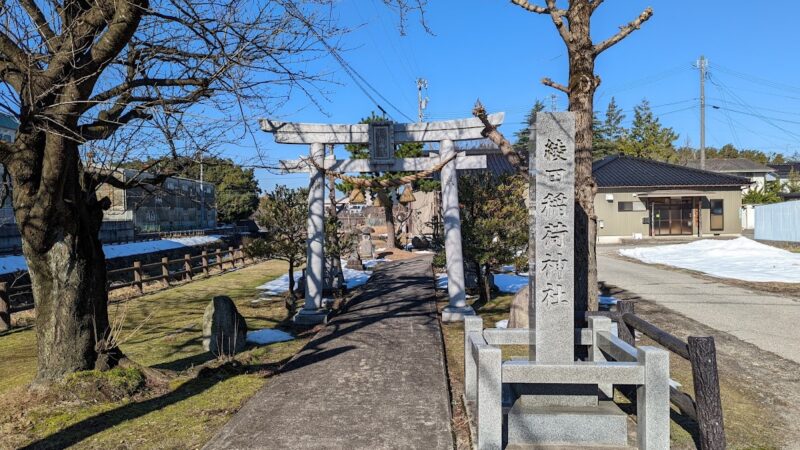
Inari Shrine (Ayata, Toyama City, Toyama Prefecture) Complete Guide | Thorough Explanation of Goshuin (Shrine Seal), Access, and History
Located in Ayata, Toyama City, Toyama Prefecture, Inari Shrine is a historically significant shrine deeply rooted in the community and beloved by many worshippers. This article provides detailed information you should know before visiting, from basic information about Inari Shrine to its goshuin (shrine seal), access methods, and information about surrounding shrines.
Basic Information on Inari Shrine (Ayata, Toyama City)
Location and Postal Code
Address: 11 Ayata, Toyama City, Toyama Prefecture
Postal Code: 〒939-0000
Corporate Number: 7230005000775
This Inari Shrine is located in the Ayata district of Toyama City and has been revered as a guardian deity of the region since ancient times. It is officially registered as a religious corporation and is properly operated.
Deity Enshrined
The main deity enshrined at Inari Shrine is Ukanomitama-no-kami. This deity is known nationwide as Inari-shin, the god of abundant harvests, business prosperity, and industrial development.
Ukanomitama-no-kami is the god of food in Japanese mythology and has been deeply revered by people involved in agriculture and commerce. Toyama Prefecture, in particular, is known as a rice-producing region, and Inari worship has taken root alongside the development of agriculture in the area.
How to Access Inari Shrine (Ayada, Toyama City)
Access by Public Transportation
The following public transportation options are available to Inari Shrine in Ayada, Toyama City:
Nearest Station: Toyama Chihō Railway “Inarimachi Station”
Distance from Station: Approximately 3-5 minutes on foot
Inarimachi Station is a station on the Toyama Chihō Railway Main Line and is easily accessible from Toyama Station. The route from the station to the shrine is a flat path through a residential area, making it relatively easy to follow even for first-time visitors.
Access by Car
If visiting by private car, it’s approximately 10-15 minutes from the center of Toyama City. It’s also accessible in about 20 minutes from the Toyama Interchange on the Hokuriku Expressway.
Parking Information: Depending on the size of the shrine, it’s recommended to check in advance whether there is a dedicated parking lot. Since the surrounding area is residential, please avoid street parking and consider using nearby coin-operated parking lots.
Landmarks in the Area
The Ayata area is located in a residential area of Toyama City, and local roads run through the surrounding area. Starting from Inarimachi Station, you can arrive without getting lost.
About Inari Shrines in Toyama City
There are several Inari shrines in Toyama City, Toyama Prefecture. In addition to the Ayata Inari Shrine introduced in this article, there are other Inari shrines such as the following:
Etchu Inari Shrine (Inari-cho, Toyama City)
Location: 2-5-5 Inari-cho, Toyama City, Toyama Prefecture
Nearest Station: 4-minute walk from Inari-cho Station
Etchu Inari Shrine is a historic shrine that has been revered alongside the gods of Tateyama. It is said to have been founded in 701 AD by Lord Saeki Ariyori at the behest of Tateyama Gongen, giving it a history of over 1200 years.
In 1659 AD, Lord Maeda Toshitsugu, the founder of the Toyama Domain, relocated the shrine from the sandy fields of Nakashinkawa to its current location and constructed the shrine buildings. The name “Inari-cho” (Inari Town) originates from this shrine.
Toyama Inari Shrine (Toyama City)
Toyama Inari Shrine, said to have been founded in 1262 (Kōchō 2) during the Kamakura period on Kurehayama Mountain as the guardian shrine of Banshōzan Sōshōji Temple, a branch temple of Tōfukuji Temple, is also an important center of Inari worship in Toyama City.
Deities Enshrined:
- Ukanomitama-no-Ōkami
- Sadahiko-no-Ōkami
- Ōmiyame-no-Ōkami
- Tanaka-no-Ōkami
- Shidai-no-Kami
As such, there are several Inari shrines in Toyama City with different historical backgrounds, each functioning as a center of local faith.
Inari Shrine (Akiyoshi, Toyama City)
Location: 190 Akiyoshi, Toyama City, Toyama Prefecture
Corporate Number: 6230005000776
An Inari shrine is also located in the Akiyoshi area, attracting the faith of local residents.
Information on Goshuin (Shrine Seals) at Inari Shrines
About Goshuin
Many visitors request goshuin as a memento of their shrine visit. The issuance of goshuin at Inari Shrine in Ayata, Toyama City, may vary depending on the size of the shrine and whether or not there is a resident priest.
Generally, smaller shrines may have the following arrangements:
- Goshuin may not be available at all times.
- Goshuin may only be available on special days such as annual festivals.
- Goshuin may be available at a nearby shrine managed by the same priest.
- Goshuin may be available at the priest’s residence.
If you wish to receive a goshuin, it is recommended that you inquire with the shrine or the Toyama City Shrine Association in advance.
About Goshuincho (Shrine Seal Books)
Some major shrines in Toyama Prefecture offer original goshuincho. When visiting large shrines in Toyama City, obtaining a goshuincho with a unique Toyama design is one of the pleasures of your visit.
History and Origins of Inari Shrines
Background of Inari Faith
Inari faith is one of the most widespread Shinto beliefs in Japan. Its origins can be traced back to Fushimi Inari Taisha in Kyoto, and it spread throughout the country from the Nara period to the Heian period.
In Toyama Prefecture, within an industrial structure centered on agriculture, Inari faith, which prays for abundant harvests, was naturally accepted, and Inari shrines were established in various locations. Especially during the Edo period, as Toyama developed as a territory of the Toyama Domain, a branch of the Kaga Domain, Inari faith spread further along with the prosperity of commerce.
History of the Ayata District, Toyama City
The Ayata district has developed as a residential area close to the city center of Toyama City. An Inari shrine has been enshrined there as the guardian deity of the area, and it has a history of being closely intertwined with the lives of the local residents.
The faith has been passed down through generations as a place to watch over the development of local agriculture and commerce, and to pray for the peace and well-being of the residents.
Guide to Inari Shrine Grounds
Characteristics of the Shrine Grounds
The grounds of an Inari shrine, deeply rooted in the local community, generally consist of the following:
Shrine Building: The main hall where the enshrined deity is worshipped, and the worship hall where visitors pay their respects.
Torii Gate: A torii gate marking the entrance to the sacred area (Inari shrines often have vermilion torii gates).
Water Basin: A place to purify oneself before worship.
Shrine Office: A building for managing the shrine and distributing amulets and other items (may not always have staff present).
Etiquette for Worship
Here are the basic etiquette rules for visiting a shrine:
- Passing Through the Torii Gate: Bow before entering the grounds.
- Purifying at the Water Basin: Purify your left hand, right hand, and mouth in that order.
- Worshiping in Front of the Worship Hall: Two bows, two claps, and one bow is the basic form.
- Quietly Exiting: Bow again when leaving the torii gate.
Nearby Shrines and Temples Information
Around the Inari Shrine in Ayada, Toyama City, there are several other shrines and temples that you can visit.
Major Shrines in Toyama City
Hie Shrine (Sanno-san)
Known as the guardian shrine of Toyama City, it is affectionately known as “Sanno-san” by the citizens of Toyama. The Sanno Festival is held every May, attracting many worshippers.
Toyama Prefecture Gokoku Shrine
As the Gokoku Shrine of Toyama Prefecture, it enshrines the spirits of war dead. Located adjacent to Toyama Castle Park, it offers a peaceful environment for worship.
Toyosaka Inari Shrine
One of the central shrines of Inari worship in Toyama City, it attracts many worshippers praying for business prosperity.
Temples in Toyama City
Toyama City has many temples of the Shinshu Otani sect and the Jodo Shinshu Honganji sect, allowing you to experience the Buddhist culture of the Hokuriku region. In addition to visiting shrines, you can also enjoy visiting temples.
Annual Events at Inari Shrines
Main Festivals
Typical Inari shrines hold the following annual events:
Hatsuumasai (First Horse Day of February)
This is one of the most important festivals at Inari shrines. It is considered the day when the deity of Fushimi Inari Taisha descended, and festivals are held at Inari shrines throughout Japan.
Reisai (Autumn)
This is the most important festival of the shrine, where local residents gather and perform Shinto rituals.
Hatsumode (January 1st-3rd)
As a New Year’s visit, local residents pray for family safety and business prosperity.
Connection with the Community
Local Inari shrines also play a role in strengthening community ties through festivals. Parishioners and local residents cooperate to maintain and manage the shrine, passing on traditions to future generations.
Characteristics of Inari Worship in Toyama Prefecture
Shinto Culture in the Hokuriku Region
While the Hokuriku region, including Toyama Prefecture, is known as a stronghold of Shinshu Buddhism, Shinto belief is also deeply rooted there. A strong tradition of syncretism between Shinto and Buddhism remains, forming a unique religious culture where shrines and temples coexist.
Industry and Inari Worship
Toyama Prefecture has developed through agriculture, primarily rice cultivation, as well as the pharmaceutical and textile industries. For those involved in these industries, Inari, the god of abundant harvests and business prosperity, has been a special object of worship.
It is said that even when Toyama’s medicine peddlers traveled throughout the country, faith in Inari served as a source of spiritual support, praying for business success.
Notes and Manners for Visiting a Shrine
Attire
While no special attire is required for a regular visit, please note the following:
- Wear clean clothing.
- Avoid overly revealing clothing.
- Formal attire is preferable for formal visits.
Photography
Photography is generally permitted on the shrine grounds, but please consider the following:
- Photography inside the main hall is often prohibited.
- Be considerate of other visitors.
- Refrain from taking photos during religious ceremonies.
- Remember to show respect to the shrine when posting on social media.
Visiting Hours
It is generally recommended to visit shrines between sunrise and sunset. Avoid visiting at night; visiting during daylight hours is advised.
Toyama City Tourist Information
When visiting Inari Shrines, you can also visit other tourist spots in Toyama City.
Highlights in Central Toyama City
Toyama Castle Park
This park was developed on the site of Toyama Castle and houses the Toyama City Local History Museum. You can learn about Toyama’s history here.
Toyama Glass Art Museum
Designed by Kengo Kuma, this building showcases contemporary glass art.
Around Toyama Station
With the opening of the Hokuriku Shinkansen, redevelopment is progressing, and there are many restaurants and souvenir shops.
Toyama’s Gourmet Food
After visiting the shrine, we recommend enjoying Toyama’s famous local cuisine:
- Toyama Black Ramen: Characterized by its rich, dark soy sauce-based broth
- White Shrimp Dishes: White shrimp, known as the jewel of Toyama Bay
- Masu Sushi: A representative ekiben (train station bento box) and local dish of Toyama
- Himi Udon: Hand-stretched thin udon noodles
The Significance of Visiting Inari Shrines
Shrine Visits in Modern Times
In modern society, visiting shrines has meaning beyond mere sightseeing or making wishes. The time spent calming the mind in the quiet shrine grounds, away from the hustle and bustle of everyday life, leads to mental refreshment.
Inheritance of Local Culture
Visiting local shrines is also an opportunity to experience the history and culture of the land. The traditions and festivals that shrines have preserved and passed down are important elements of the region’s identity.
Other Inari Shrines in Toyama Prefecture
There are many Inari shrines in Toyama Prefecture, not just in Toyama City. ### Inari Shrines in Imizu City
Location: 3-23 Ninomaru-cho, Imizu City
An Inari shrine is also located in Imizu City, attracting the faith of the local community.
Inari Shrines in Nanto City
Kogaoka Shrine: 235-4 Johana, Nanto City
Kogaoka Shrine, located in the Johana district of Nanto City, is also known as a shrine dedicated to Inari.
In this way, Inari worship is widespread throughout Toyama Prefecture, and Inari shrines with unique histories and traditions in each region are closely connected to their local communities.
Summary
The Inari Shrine in Ayada, Toyama City, Toyama Prefecture, is a historical shrine deeply rooted in the community, and continues to attract the faith of many people today. The faith in Inari, the god of abundant harvests and business prosperity, is deeply intertwined with Toyama’s industry and culture, and has served as a spiritual support for the region.
Several Inari shrines exist within Toyama City, each possessing its own unique history and characteristics. Near Inarimachi Station is the Etchu Inari Shrine, and visiting both will allow for a deeper understanding of Toyama’s Inari faith.
Knowing the history and origins of the shrine will make your visit a more meaningful experience. Spending time immersed in local culture and offering quiet prayers will bring new vitality to your daily life.
When visiting Toyama, be sure to visit the Inari Shrine in Ayada and other local shrines to experience Toyama’s history and culture.
Frequently Asked Questions (FAQ)
Q1: What is the exact address of Inari Shrine (Ayada, Toyama City)?
A1: The address is 11 Ayada, Toyama City, Toyama Prefecture. The postal code is 〒939-0000, and the registered corporate number is 7230005000775. The nearest station is Inarimachi Station on the Toyama Chihō Railway, which is approximately a 3-5 minute walk away.
Q2: Can I get a Goshuin (temple/shrine stamp) at an Inari Shrine?
A2: Smaller shrines may not always offer Goshuin. If you wish to receive one, it is recommended to inquire with the shrine or the Toyama City Shrine Association in advance. They may be offered on special days such as festivals, or handled by other shrines.
Q3: Who is the deity enshrined at Inari Shrines?
A3: The main deity is Ukanomitama-no-kami. This deity is worshipped nationwide as Inari-sama and is believed to bestow blessings of abundant harvests, business prosperity, and industrial development. In Japanese mythology, this deity is known as the god who presides over food.
Q4: Are there other Inari Shrines in Toyama City?
A4: Yes, there are several Inari Shrines in Toyama City. Major Inari shrines include Etchu Inari Shrine at 2-5-5 Inari-cho, Toyama City, Toyama Inari Shrine built on Kurehayama Mountain, and Inari Shrine at 190 Akiyoshi, Toyama City. Each has its own distinct history and origins.
Q5: What is the best time to visit an Inari shrine?
A5: Generally, the best time to visit is during daylight hours, from sunrise to sunset. The refreshing morning hours are especially recommended. Visiting at night should be avoided for safety reasons. If the shrine has annual events, it’s a good idea to visit during those times.
Q6: Do Inari shrines have parking?
A6: The availability of dedicated parking varies depending on the size of the shrine. It’s recommended to check in advance. Since the surrounding area is residential, avoid street parking and use nearby coin-operated parking lots if necessary. Public transportation is also convenient.
Q7: When is the Hatsuumasai Festival held?
A7: The Hatsuumasai Festival is held every year on the first Day of the Horse in February. Hatsuumasai refers to the first Day of the Horse in February, and it is one of the most important festivals for Inari shrines. It is considered the day when the deity of Fushimi Inari Taisha descended, and festivals are held at Inari shrines throughout Japan.
Q8: Please tell me about the history of the Inari Shrine in Ayata, Toyama City.
A8: While the exact founding date may vary depending on the record, it has been worshipped as a guardian deity of the region since ancient times. In Toyama Prefecture, Inari worship spread from the Edo period, during the Toyama Domain era, and Inari shrines were established in various places along with the development of agriculture and commerce. In the Ayata area, the faith continues to be closely intertwined with the lives of the local residents.
Q9: Are there any dress code requirements for visiting the shrine?
A9: No special clothing is required for a normal visit, but please dress cleanly and modestly. It is advisable to avoid overly revealing clothing. Formal attire is appropriate when making a formal visit or receiving prayers.
Q10: Are there any recommended routes for visiting shrines in Toyama City?
A10: There are several Inari shrines around Inarimachi Station, so you can visit them on foot. Ayada Inari Shrine and Etchu Inari Shrine are close to each other. A route including Hie Shrine, the main guardian shrine of Toyama City, and Toyama Prefectural Gokoku Shrine near Toyama Castle Park is also recommended. To efficiently visit them in one day, it is recommended to check the locations on a map beforehand and plan your route.