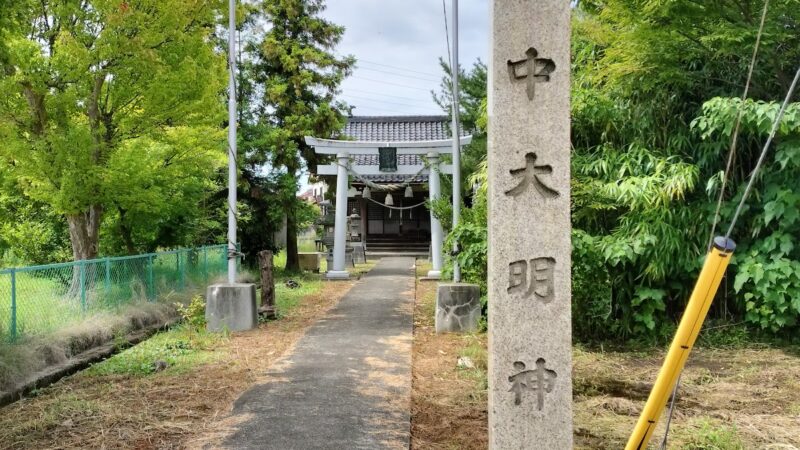
Complete Guide to Tanaka Shrine (Toyama City, Toyama Prefecture) | Thorough Explanation of Deities, Goshuin (Shrine Seals), Access, and History
Tanaka Shrine, located in Toyama City, Toyama Prefecture, is a historic shrine that has long been cherished by the local community. This article provides a detailed explanation of everything you need to know before visiting, including the deities enshrined at Tanaka Shrine, its blessings, information on goshuin (shrine seals), access methods, historical background, and highlights within the shrine grounds.
Basic Information about Tanaka Shrine
Tanaka Shrine is located in Toyama City, Toyama Prefecture, and has long been revered as the local guardian deity. Situated in a quiet residential area, it is a familiar place of daily worship for local residents.
Location and Access Information
Address: Toyama City, Toyama Prefecture (We recommend checking the exact address on-site)
Access Method:
- Access by Train: Within walking distance from the nearest station on the Toyama Chihō Railway
- Access by Bus: Use the Toyama City Loop Bus
- Access by Car: Approximately 15-20 minutes by car from the Toyama Interchange on the Hokuriku Expressway
- Parking: Parking is available on the temple grounds or nearby (spaces may be limited)
We recommend checking the latest traffic information and parking availability before visiting.
Visiting Hours and Admission Fee
- Visiting Hours: Generally open all day (Shrine office is only open during the daytime)
- Admission Fee: Free
- Shrine Office Hours: Approximately 9:00 AM to 5:00 PM (may vary depending on the season and events)
Deities and Benefits of Tanaka Shrine
About the Deities
The deities enshrined at Tanaka Shrine are worshipped as guardian deities of the region and are considered to be gods of agriculture and abundant harvests. Toyama Prefecture has long been a region where rice cultivation flourished, and the name Tanaka itself suggests a history of agricultural-related beliefs.
The following deities may be enshrined here:
- Ukanomitama-no-Mikoto: The principal deity of Inari shrines, the god of abundant harvests and business prosperity.
- Oyamatsumi-no-Mikoto: The god of mountains, the guardian deity of agriculture and fishing.
- Sugawara no Michizane: Known as the god of learning.
Many local shrines enshrine multiple deities; please check the local history or inquire at the shrine office for details.
Benefits and Faith
Tanaka Shrine is believed to offer the following benefits:
- Abundant Harvest and Agricultural Prosperity: Prayers are offered for a bountiful harvest as the god of the rice fields.
- Family Safety: As the local guardian deity, the shrine protects the peace and safety of families.
- Business Prosperity: Development of local industries and prosperity of businesses.
- Protection from Misfortune and Good Fortune: Wards off disasters and attracts good relationships.
- Prosperity of Descendants: Continuation and development of the local community.
Local residents visit the shrine at important life events such as New Year’s Day, Shichi-Go-San (a traditional rite of passage for children), and exorcisms, offering their daily gratitude.
History and Origins of Tanaka Shrine
History of Founding
The exact founding date of Tanaka Shrine is unclear due to limited historical records, but like many shrines in the Toyama region, it is believed to have been established as the local guardian deity sometime between the medieval and early modern periods.
The Toyama Plain, blessed with abundant water resources from the Tateyama mountain range, is a region where rice cultivation has flourished since ancient times. The shrine’s name, “Tanaka,” literally means “in the rice field,” reflecting its character as a guardian deity of agriculture, situated in the heart of the rice-growing area.
Connection to the Community
During the Edo period, under the rule of the Kaga Domain (Toyama Domain), it functioned as the spiritual center of the local village community. Despite the changes of the times, such as the Meiji-era separation of Shinto and Buddhism and post-war land reform, it has been preserved as a place of worship for the local residents.
Even today, it is maintained and managed by the local parishioners’ organization, and serves as a place where local people gather throughout the year for spring and autumn festivals and New Year’s visits.
Position in Toyama’s Shrine Culture
While Toyama Prefecture boasts famous shrines such as the Etchu Ichinomiya (first-ranked shrine) Oyama Shrine and Takase Shrine, small, community-oriented shrines like Tanaka Shrine also play an important role in the transmission of local culture.
Highlights of the Shrine Grounds
Shrine Architecture
Tanaka Shrine’s buildings showcase the traditional shrine architecture of the Toyama region. While not large in scale, the meticulously maintained main hall and worship hall reflect the deep faith of the local people.
Atmosphere of the Shrine Grounds
The shrine grounds are enveloped in a quiet and peaceful atmosphere. Surrounded by trees, it maintains a sacred space despite being in an urban area. Visiting in the early morning or at dusk is especially ideal for quiet prayer.
Seasonal Scenery
- Spring: The cherry blossoms and fresh greenery of the grounds are beautiful, and the spring festival is held.
- Summer: The lush green grounds offer a cool and refreshing atmosphere.
- Autumn: The season of autumn leaves and the autumn festival, where gratitude for a bountiful harvest is offered.
- Winter: The snow-covered grounds are enveloped in a solemn atmosphere.
Toyama is known as a heavy snowfall area, and the winter snow creates a unique landscape within the shrine grounds.
Goshuin (Shrine Seal) Information
Regarding the Issuance of Goshuin
The issuance of Goshuin at Tanaka Shrine varies depending on the availability of the shrine office. Since the shrine office may not be open all the time at smaller shrines, please note the following points if you wish to receive a Goshuin:
- Prior Confirmation: We recommend checking in advance by phone or other means to see if Goshuin are available.
- Annual Festival Days: The likelihood of receiving a Goshuin increases during the spring and autumn festivals and the first three days of the New Year.
- Pre-printed Goshuin: If there is no permanent staff member, pre-printed Goshuin may be available.
- Offering Fee: Generally around 300 to 500 yen.
Regarding Goshuincho (Shrine Seal Books)
If an original Goshuincho is available, it may feature a design reflecting local characteristics. Please check the details at the shrine.
Annual Events and Festivals
Main Annual Events
Tanaka Shrine holds the following events throughout the year:
January
- Hatsumode (New Year’s Day to the third day): Many local residents visit the shrine for New Year’s prayers.
- Dondoyaki (Little New Year): A traditional event where New Year’s decorations and amulets are burned.
Spring (April to May)
- Spring Grand Festival: An important festival praying for a bountiful harvest and the safety of the community.
Autumn (September to October)
- Autumn Grand Festival: A festival expressing gratitude for the harvest.
- Niiname-sai (Harvest Festival): A traditional event where new grains are offered to the gods.
Other
- Monthly Festivals: Regular festivals held on fixed days each month.
- Shichi-Go-San Pilgrimage: A pilgrimage centered in November to celebrate the growth of children.
Scenes from the Annual Festival
During the annual festival, Shinto rituals such as the recitation of prayers by Shinto priests and the offering of sacred branches are solemnly performed. Local parishioners and devotees attend, and sometimes a portable shrine procession and offering ceremonies take place.
Manners and Etiquette for Visiting a Shrine
Basic Etiquette for Visiting a Shrine
By observing the basic etiquette for visiting a shrine, you can offer a more heartfelt prayer:
How to Pass Through the Torii Gate
- Bow before entering the shrine grounds after bowing in front of the torii gate.
- Walk along the edge of the path, as the center is considered the path of the gods.
How to Wash Your Hands at the Water Basin
- Hold the ladle in your right hand and wash your left hand.
- Switch the ladle to your left hand and wash your right hand.
- Switch the ladle back to your right hand, receive water in your left hand, and rinse your mouth.
- Wash your left hand once more.
- Hold the ladle upright, let water flow over the handle, and return it to its original position.
Worship at the Main Hall
- Gently place your offering in the offering box.
- If there is a bell, ring it.
- Perform two bows, two claps, and one bow (two deep bows, two claps, one deep bow).
- When retreating, take a few steps back before turning around.
Attire and Items to Bring When Visiting
- Attire: Clean and subdued clothing is preferred (avoid overly flashy or revealing clothing).
- Items to Bring: Offering money, Goshuincho (stamp book) (if desired), camera (only in areas where photography is permitted).
Photography Etiquette
Photography is generally permitted on the shrine grounds, but please note the following:
- Do not take photos in areas where photography is prohibited, such as inside the main hall.
- Take photos sparingly during Shinto rituals, or obtain permission first.
- Be considerate of other worshippers.
- When posting on social media, be mindful of the sacred nature of the place.
Nearby Tourist Attractions
Here are some tourist attractions in Toyama City that you might want to visit along with Tanaka Shrine.
Major Tourist Attractions in Toyama City
Toyama Castle (Toyama Castle Ruins Park)
- A historical symbol located in the heart of Toyama City
- The castle tower is open to the public as a local history museum
- Also known as a famous cherry blossom viewing spot
Fugan Canal Kansui Park
- An urban park where you can enjoy beautiful waterside scenery
- Famous for having the world’s most beautiful Starbucks
- The nighttime illumination is also fantastic
Toyama Glass Art Museum
- A beautiful building designed by Kengo Kuma
- An excellent collection of contemporary glass art
- Located within TOYAMA Kirari
Toyama’s Gourmet Food
After visiting the temple, we recommend enjoying Toyama’s delicious food:
- Toyama Black Ramen: A local ramen with a rich soy sauce flavor
- White Shrimp Dishes: White shrimp, known as the jewel of Toyama Bay
- Masu Sushi: A representative ekiben (train station bento box) and local dish of Toyama
- Himi Udon: Characterized by its thin, hand-stretched noodles
- Toyama’s Local Sake: Sake brewed with the pure groundwater of the Tateyama mountain range
Visiting Shrines in Toyama
Including Tanaka Shrine, Toyama Prefecture has many historical shrines.
Major Shrines in Toyama Prefecture
Oyama Shrine (Tateyama Town)
- A prestigious shrine known as the Ichinomiya (first-ranked shrine) of Etchu Province
- The center of Tateyama worship
- Consists of three shrines: Minehonsha, Maetateshadan, and Ashikurachūmiya
Takase Shrine (Nanto City)
- Another Ichinomiya of Etchu Province
- Popular as a power spot for matchmaking
- Features a magnificent sacred tree hundreds of years old
Keta Shrine (Takaoka City)
- Revered as the main shrine of Etchu Province
- An ancient shrine mentioned in the Manyoshu (an ancient collection of Japanese poetry)
Imizu Shrine (Takaoka City)
- Located within Takaoka Castle Ruins Park
- Has a history of being relocated from Mount Futakami
Practical Guide to Visiting Tanaka Shrine
Recommended Visiting Plan
Half-Day Course
- Visit Tanaka Shrine in the morning (quiet time)
- Lunch in central Toyama City (Toyama Black Ramen, etc.)
- Stroll around Toyama Castle and Kansui Park
- Purchase souvenirs around Toyama Station
One-Day Course
- Visit Tanaka Shrine first thing in the morning
- Visit other shrines and temples in Toyama City
- Enjoy a seafood lunch in Toyama Bay
- Visit cultural facilities such as the Toyama Glass Museum
- Relax in Kansui Park in the evening
Recommended Seasons
Spring (April-May)
- The shrine grounds are beautiful during cherry blossom season
- You can participate in the Spring Grand Festival
- The weather is mild, making it ideal for visiting
Summer (June-August)
- The lush green grounds are cool and refreshing
- It’s possible to combine this with sightseeing on the Tateyama Kurobe Alpine Route
Autumn (September-November)
- The season of beautiful autumn leaves
- Celebrate the harvest together at the Autumn Grand Festival
- It’s the season for new rice, and Toyama’s food is delicious!
Winter (December-March)
- Pray for the New Year at the first shrine visit of the year
- Visiting a shrine amidst a snowy landscape is exceptional
- Enjoy winter delicacies such as winter yellowtail
Points to Note When Visiting
Preparing for the Weather
- Toyama is a region with heavy rainfall, so prepare rain gear
- Be careful of snow and ice in winter, and take thorough precautions against the cold
- The sun is strong in summer, so wear a hat and sunscreen
Transportation Access
- Public transportation may be limited, so check in advance
- If visiting by car, use winter tires (around November-April)
- Car navigation information may be outdated, so use the latest map app as well
Consideration for the Community
- Be mindful of noise if you are near a residential area
- Avoid street parking and use designated parking lots
- Always take your trash with you
Summary: The Charm of Tanaka Shrine
Tanaka Shrine, located in Toyama City, Toyama Prefecture, is a community-oriented shrine that has long attracted the faith of local people. Unlike large tourist shrines, its greatest charm lies in its quiet and peaceful atmosphere, allowing for heartfelt worship.
It is a shrine regularly visited by locals seeking blessings for abundant harvests, family safety, and business prosperity, playing a vital role as a spiritual pillar of Toyama’s rice-farming culture and local community.
When visiting Toyama City, why not visit not only famous tourist spots but also such community-based shrines? By experiencing the shrine’s close connection to the lives of local people, you can touch upon the essence of traditional Japanese faith culture.
We hope that through your visit, you will feel the history and culture of Toyama, and the warmth of its people.
—
Pre-Visit Checklist
- □ Check the office hours (if you wish to receive a Goshuin stamp)
- □ Check the weather forecast and prepare appropriate clothing and belongings
- □ Check access methods and travel time
- □ Check the availability and location of parking
- □ Check the dates of special events such as festivals
- □ Check the opening hours of nearby tourist attractions
- □ Prepare small change for offerings
- □ Prepare your Goshuin stamp book (if desired)
May your heartfelt visit be a wonderful experience.