Complete Guide to Ikuhime Shrine (Wakayama Prefecture) | History, Deities, Access, and Highlights Explained in Detail
Ikuhime Shrine is a historical shrine located in Ichikoji, Wakayama City, Wakayama Prefecture. Known as a candidate for a Shikinaisha (a shrine listed in the Engishiki Jinmyocho), it has long been worshipped as the local tutelary deity. This article provides a detailed explanation of everything you need to know before visiting, from the history of Ikuhime Shrine and its enshrined deities to the highlights of the grounds and access methods.
Basic Information about Ikuhime Shrine
Ikuhime Shrine is located at 330 Ichikoji, Wakayama City, approximately 500 meters east of Kinokawa Station on the Nankai Electric Railway. Currently, it is cherished by local residents as the tutelary deity of Jiromaru and Nobutoki in the Kusumi, Nozaki 2, and Kishi districts of Wakayama City.
Location and Access
Location: 330 Ichikoji, Wakayama City, Wakayama Prefecture
Access:
- Approximately 7 minutes on foot from Nankai Electric Railway “Kinokawa Station” (approximately 500m east)
- By car: Approximately 15 minutes from the center of Wakayama City
- There is parking space for visitors on the shrine grounds.
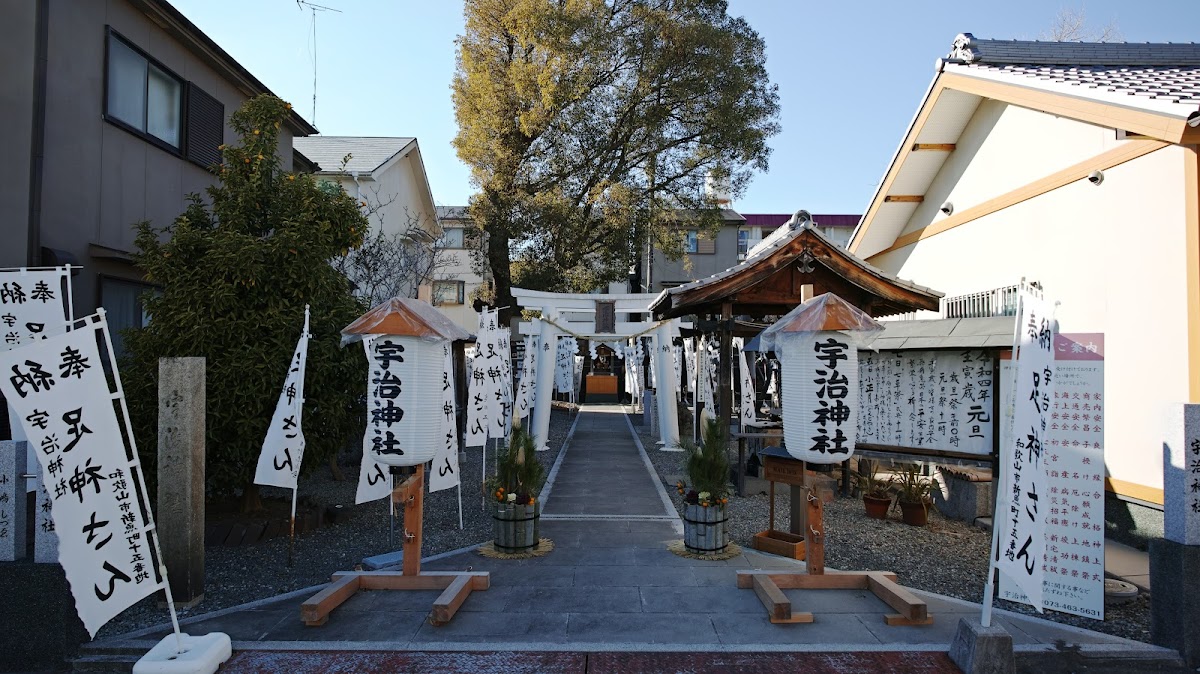
The shrine is located behind a high school, nestled quietly in a residential area. The grounds are not particularly large, but they are enveloped in a tranquil atmosphere.
History and Origins of Ikuhime Shrine
Status as a Shikinaisha Shrine
Ikuhime Shrine is a candidate for the Shikinaisha shrine listed in the “Engishiki Jinmyocho” (a list of shrines compiled in the Heian period) for the “Ikuhime Shrine” in Nagusa District, Kii Province. The Engishiki Jinmyocho is a list of all shrines nationwide officially recognized by the imperial court, compiled in 927 during the Heian period. Inclusion in this list indicated a high status for the shrine.
In Nagusa District, Kii Province, there are several shrines considered to be the “Ikuhime Shrine,” and Yamaguchi Shrine, located in the Tani district of Wakayama City, is also considered a candidate for the Engishiki-listed “Ikuhime Shrine.” The existence of multiple candidate shrines indicates that the worship of Ikuhime-no-kami was deeply rooted in this region in ancient times.
Worship as Ichihime Daimyojin
Before the Edo period, this shrine was called “Ichihime Daimyojin.” From this name and the place name “Ichikoji,” it is inferred that a market was once held in this area, and Ikuhime Shrine was enshrined as its guardian deity.
Its role as a guardian deity of a market suggests that the shrine played an important role as a place to pray for the prosperity of commerce and the safety of local economic activities. The name Ichihime likely reflects the devotion of those who traded in the market.
Changes from the Medieval to the Early Modern Period
The shrine is listed as “Ikuhime-no-kami” in the “Kii Province Shrine Register,” confirming that it maintained a certain level of worship even in the medieval period. However, historical records are scarce regarding the detailed founding date and history, leaving many points unclear.
During the Edo period, Tokugawa Yorinobu, the lord of the Kishu domain, conducted a survey of the shrine, establishing its boundaries. It is believed that the shrine’s rank and ritual system were established during this period.
Flood Damage and Reconstruction
A noteworthy aspect of our shrine’s history is the record of past flood damage. Due to its location near the Kinokawa River, it is likely that it suffered repeated flooding. However, thanks to the deep faith of the local residents, it was rebuilt each time, and rituals have continued to this day.
Changes Since the Meiji Era
Due to the reform of the shrine system during the Meiji era, Ikuhime Shrine was ranked as a village shrine. This former village shrine rank indicates its position as a central shrine in the region.
Although it may have been affected by the shrine consolidation policies from the Meiji to the early Showa period, the shrine has continued to exist as an independent shrine to this day.
Deities and Divine Virtues
Main Deity: Ikuhime-no-kami
The main deity of Ikuhime Shrine is, as the name suggests, “Ikuhime-no-kami.” While there are various theories regarding the specific characteristics of this deity, she has been worshipped as the guardian deity of the market and as the local tutelary deity.
The “Iku” in the name “Ikuhime” is related to “to live” and “to thrive,” potentially symbolizing vitality and prosperity. “Hime” is a word indicating a goddess, suggesting a female deity who brings fertility and prosperity.
Divine Virtues
The following are said to be the divine virtues of Ikuhime Shrine:
- Business Prosperity: As the guardian deity of the market, prayers are offered for the prosperity of commerce.
- Abundant Harvest: A belief in the blessing of a bountiful harvest.
- Regional Peace and Security: As the tutelary deity, it protects the peace and prosperity of the entire region.
- Protection from Misfortune and Disaster: As a deity that protects the region from disasters such as floods.
Even today, it attracts the faith of local residents and is revered as a deity that watches over the safety and prosperity of their daily lives.
Highlights of the Shrine Grounds
The Sacred Camphor Tree
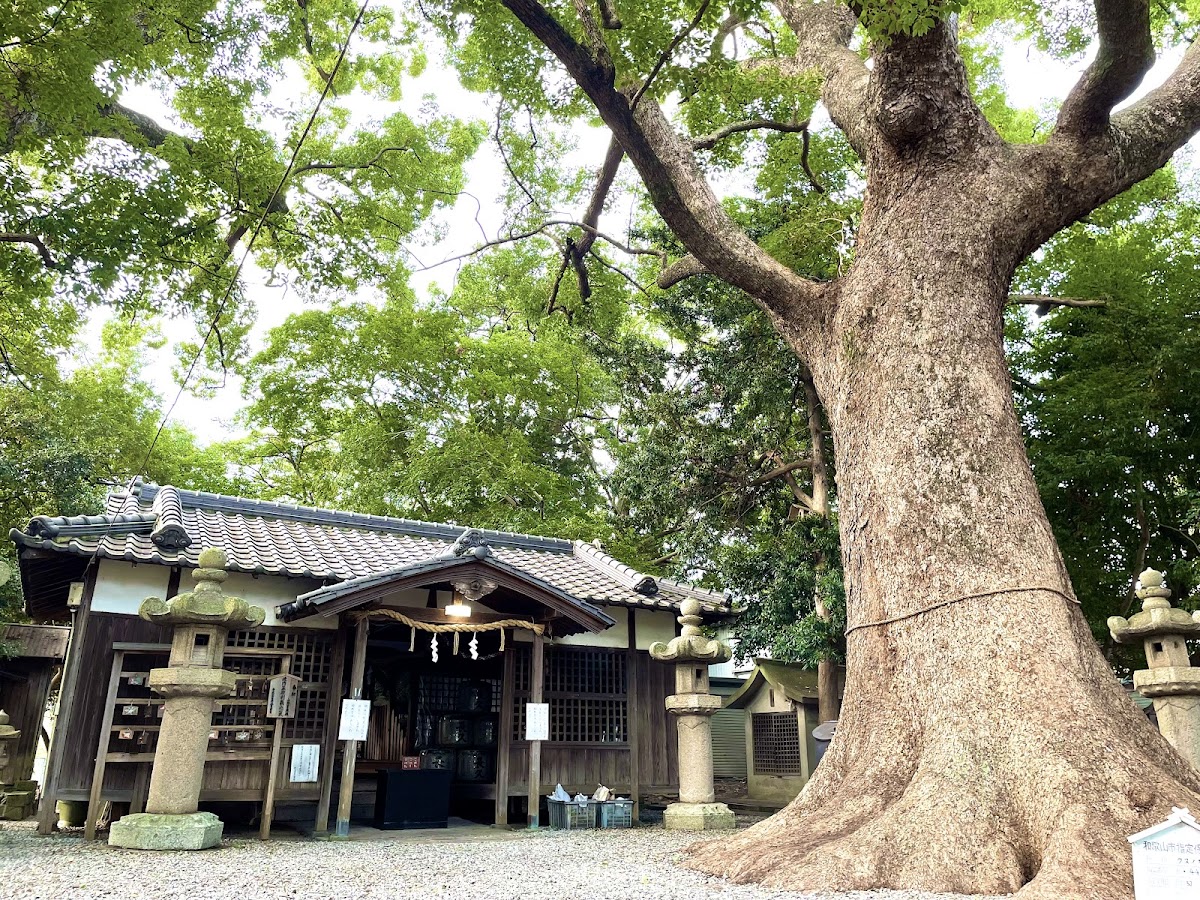
The most impressive feature of the Ikuhime Shrine grounds is the magnificent camphor tree that stands in front of the main hall. This giant tree is estimated to be several hundred years old, and its branches and leaves widely cover the shrine grounds.
The presence of the large camphor tree is overwhelming, so much so that visitors describe it as “giving the impression that the entire shrine is under the canopy of a camphor tree.” Camphor trees have long been revered as sacred trees of shrines, and this large camphor tree can be considered a living witness to the history of Ikuhime Shrine.
A shimenawa (sacred rope) is stretched around the base of the large camphor tree, showing how it is cherished as a sacred presence. When you visit, please feel the vitality of this sacred tree.
Shrine Buildings
The shrine buildings of Ikuhime Shrine consist of a worship hall and a main sanctuary. While not large in scale, it is meticulously maintained, reflecting the deep faith of the local people.
The worship hall is where worshippers offer their prayers, exuding a simple yet solemn atmosphere. The main sanctuary is located behind the worship hall and is the most sacred place where the enshrined deity resides.
The architectural style of the shrine buildings follows the general style of shrines and is suited to the climate and natural features of Kishu.
Torii Gate and Approach
A torii gate stands at the entrance to the shrine, and a path leads from there to the main shrine building. Although the path is short, it creates a quiet space away from the hustle and bustle of the surrounding residential area, and stepping inside brings a sense of calm.
Atmosphere of the Shrine Grounds
The shrine grounds are not particularly large, but they are meticulously maintained, conveying the care and respect the local community has for them. Despite being located in an urban area, it maintains a lush, tranquil atmosphere.
Rituals and Annual Events
Autumn Festival
Ikuhime Shrine holds its annual Autumn Festival every autumn. This festival is considered an important event in the community, with many parishioners and local residents participating.
One of the highlights of the Autumn Festival is the “Otani Lion Dance.” The lion dance is a traditional performing art praying for a bountiful harvest and the expulsion of evil spirits, and it is preserved as a local cultural asset. The magnificent lion dance leaves a deep impression on worshippers.
Sometimes, mochi (rice cakes) are scattered at the end of the festival (the practice varies from year to year), making it a place for community interaction. In recent years, the scale of the festival has been reduced due to the impact of the COVID-19 pandemic, but efforts to preserve the tradition continue.
Daily Rituals
In addition to the annual grand festival, regular rituals such as the New Year’s Day festival and monthly festivals are held. As the local tutelary deity, rituals are continued to pray for daily peace and the safety of the residents.
Subsidiary Shrines and Shrines within the Precincts
There may be subsidiary shrines and shrines within the precincts that enshrine deities other than the main deity, but detailed information is limited. It is possible that multiple deities are enshrined together as guardian deities of the region.
The Connection Between Ikuhime Shrine and the Community
Role as a Local Guardian Deity
Ikuhime Shrine functions as the local guardian deity for areas such as Kusumi, Nozaki 2 districts, and Jiromaru and Nobutoki in the Kishi district of Wakayama City. A local guardian deity is a god who protects people born in a particular area throughout their lives, and is a core element of the community’s identity.
Local residents visit the shrine at significant life events, praying for things like their child’s first shrine visit, Shichi-Go-San (a traditional rite of passage for children), and protection against misfortune. In this way, Ikuhime Shrine plays a vital role as a spiritual pillar of the local community.
Inheritance of Local Culture
Traditional events, including the lion dance at the autumn festival, are not merely religious rituals but also a platform for the inheritance of local culture. By participating in the festival, younger generations learn about the history and traditions of the region and pass them on to the next generation.
Nearby Tourist Attractions
When visiting Ikuhime Shrine, you can also explore nearby tourist attractions.
Kinokawa River
The Kinokawa River, located near the shrine, is a representative river of Wakayama Prefecture. A promenade is maintained along the river, making it a pleasant place for a stroll.
Wakayama Castle
In the center of Wakayama City lies Wakayama Castle, the former residence of the Kishu Tokugawa family, one of the three main branches of the Tokugawa clan. It’s approximately a 20-minute drive from Ikuhime Shrine.
Other Shikinaisha Shrines
History enthusiasts are also recommended to visit Yamaguchi Shrine (Tani district, Wakayama City), another Shikinaisha shrine. Visiting multiple shrines will give you a real sense of the widespread Ikuhime worship in ancient Kii Province.
Manners and Precautions for Visiting a Shrine
Basic Worship Etiquette
- Bow before passing through the torii gate.
- Avoid walking in the center of the path (the center is the path of the gods).
- Purify your hands and mouth at the temizuya (water purification pavilion). (Currently, the use of the temizuya may be restricted.)
- Worship in front of the haiden (main hall) using the “two bows, two claps, one bow” ritual.
- Bow again at the torii gate when leaving.
Photography
Photography is generally permitted on the shrine grounds, but please note the following:
- Be discreet when taking photos in particularly sacred areas such as the main hall.
- Refrain from taking photos during rituals, or obtain permission beforehand.
- Be considerate of the privacy of other worshippers.
Attire
While casual attire is acceptable, it is preferable to wear clothing that reflects the sacred nature of the place. Formal attire is especially recommended when receiving formal prayers.
The Charm of Ikuhime Shrine
A Witness to History in an Urban Area
Located in the urban area of Wakayama City, Ikuhime Shrine is a precious place that conveys ancient history to the present day. The fact that this prestigious shrine, listed in the Engishiki Jinmyocho (a historical record of shrines), quietly continues to attract worshippers amidst a modern residential area demonstrates the continuity of Japanese religious culture.
The Vitality of the Great Camphor Tree
The great camphor tree covering the shrine grounds continues to spread its branches and leaves powerfully even after hundreds of years. The sacred atmosphere emanating from this giant tree leaves a deep impression on visitors, allowing them to feel the connection between nature and the sacred.
A Faith Rooted in the Community
Ikuhime Shrine, not a tourist destination but a place of daily worship for local people, has a simple and warm atmosphere. The sight of local residents participating in festivals conveys that the shrine is not merely a historical building, but a living place of faith.
Value for Researchers and History Enthusiasts
Important Resource for the Study of Shikinaisha Shrines
Ikuhime Shrine holds an important position in the study of identifying shrines listed in the Engishiki Jinmyocho (a list of shrines compiled in the Heian period). The existence of multiple candidate shrines contributes to the study of ancient shrine distribution and religious spheres.
Connection to Place Name Research
The connection between the place name “Ichikoji” and the former name “Ichihime Daimyojin” is an interesting case study for exploring the relationship between markets and faith in ancient and medieval times. It can be said that this shrine is noteworthy from the perspectives of place name research and economic history.
Shrine History of Kii Province
Kii Province (present-day Wakayama Prefecture) had many Shikinaisha shrines, and the worship of gods was thriving from ancient times. Ikuhime Shrine is one of them, and is indispensable for understanding the religious history of Kii Province.
Summary
Ikuhime Shrine is a historical shrine located in Ichikoji, Wakayama City, Wakayama Prefecture. As a shrine listed in the Engishiki Jinmyocho (a historical record of shrines), and as a local tutelary deity, it has attracted worshippers from ancient times to the present day.
It is a shrine with many attractions, including its role as the guardian deity of the market, “Ichihime Daimyojin,” its history of overcoming flood damage, the magnificent camphor tree covering the grounds, and its locally rooted autumn festival and lion dance.
Although not large in scale, its tranquil atmosphere despite being in an urban area, and the way it is cherished by the local people, convey the essence of Japanese shrine culture. It is one of the shrines you should definitely visit when you come to Wakayama.
Its easy accessibility, being within walking distance of Kinokawa Station on the Nankai Electric Railway, is also a major draw. The time spent quietly offering prayers beneath the great camphor tree, while reflecting on history, will surely allow you to forget the hustle and bustle of everyday life.
Ikuhime Shrine, as a place of worship that has continued since ancient times, will undoubtedly continue to engrave its history together with the local people.