Complete Guide to Itakiso Shrine | A Thorough Explanation of the History, Benefits, and Visiting Information of the Ichinomiya of Kii Province
Itakiso Shrine, located in Itakiso, Wakayama City, Wakayama Prefecture, is a historic shrine known as the Ichinomiya of Kii Province, dedicated to Itakeru-no-Mikoto, who is said to have planted trees throughout Japan and created a lush, green country. It is not only revered as the “God of Trees” by forestry and timber workers nationwide, but is also known for its blessings of protection against misfortune and healing from illness.
This article provides a detailed explanation of everything you need to know before visiting Itakiso Shrine, from its historical background and mythology to its benefits, highlights within the grounds, annual festivals, and access methods.
About Itakiso Shrine | Overview of the Ichinomiya of Kii Province
Itakiso Shrine, formerly known as Yamato-no-miya, has been revered since ancient times as a Shikinaisha (a shrine listed in the Engishiki, a compilation of laws and regulations) and the Ichinomiya of Kii Province. Its former rank was Kanpei-chusha (a medium-ranked government-supported shrine), and it is currently designated as a Beppyo Jinja (a special shrine) by the Association of Shinto Shrines.
In Kii Province, the origin of the name “Ki no Kuni” (Land of Trees), Itakiso Shrine has been positioned as a central place of worship. It first appears in historical documents in the Shoku Nihongi (Continued Chronicles of Japan) in the second year of the Taiho era (702 AD), making it an ancient shrine with a history of over 1300 years.
Deity | Itakeru-no-Mikoto and the Mythology of the Land of Trees
The main deity of Itakiso Shrine is Itakeru-no-Mikoto, also known as Ooyabiko-no-Kami and Itakiso-no-Okami. Isotakeru-no-Mikoto is a divine son of Susanoo-no-Mikoto, and the *Nihon Shoki* (Chronicles of Japan) describes him as “the god of tree planting who sowed tree seeds throughout Japan, creating lush green mountains.”
Enshrined alongside him are his sisters, Ooyatsuhime-no-Mikoto and Tsumatsuhime-no-Mikoto, and it is said that these three deities worked together to plant trees throughout Japan.
According to the myths in the *Nihon Shoki*, Isotakeru-no-Mikoto traveled to Silla with his father, Susanoo-no-Mikoto, but declared, “I don’t want to stay in this country,” and crossed to Izumo Province in a boat made of clay. Afterward, he sowed tree seeds throughout the country, filling it with trees. Because of this achievement, Kii Province came to be known as the “Land of Trees,” and this is said to be the origin of the name “Kii Province.”
Benefits of Itakiso Shrine | God of Trees, God of Life, God of Protection Against Evil
Itakiso Shrine is known for its diverse blessings, and is particularly revered for the following three aspects:
Benefits as the God of Trees
Because it enshrines Isotakeru-no-Mikoto, the god of tree planting, Itakiso Shrine is revered as the “God of Trees” by forestry workers, timber merchants, construction workers, and furniture makers nationwide. Many people visit the shrine to pray for prosperity and safety in their wood-related work, making it a special place for those in the wood industry.
Furthermore, because trees continue to grow, blessings related to “growth,” such as business prosperity, commerce success, and academic achievement, are also expected.
Benefits as a God of Life
The Kojiki (Records of Ancient Matters) recounts a myth in which Ōkuninushi-no-kami, persecuted by his elder brothers, was nearly killed when he was trapped between trees. Sashikuniwakahime, the mother of Isotakeru-no-mikoto, then opened a fork in the tree and rescued him.
Based on this myth of “passing through a tree fork,” Itakiso Shrine is believed to offer blessings of healing from illness, good health and longevity, and protection from misfortune, and is worshipped as a “god of life.” A “tree fork passage” is actually installed on the shrine grounds, allowing many visitors to experience this myth firsthand.
Benefits as a God of Protection Against Misfortune
In keeping with the myth of saving Ōkuninushi-no-kami from disaster, Itakiso Shrine is also known as a god of protection against misfortune, disaster, and evil. The Uzue Festival, held on January 15th, is particularly famous as a festival for warding off evil, attracting many worshippers from all over Japan.
Many people visit not only those in their unlucky years, but also to pray for protection against misfortune at life’s milestones or when starting something new. Amulets and talismans are also popular.
Highlights of the Shrine Grounds | Must-Visit Spots
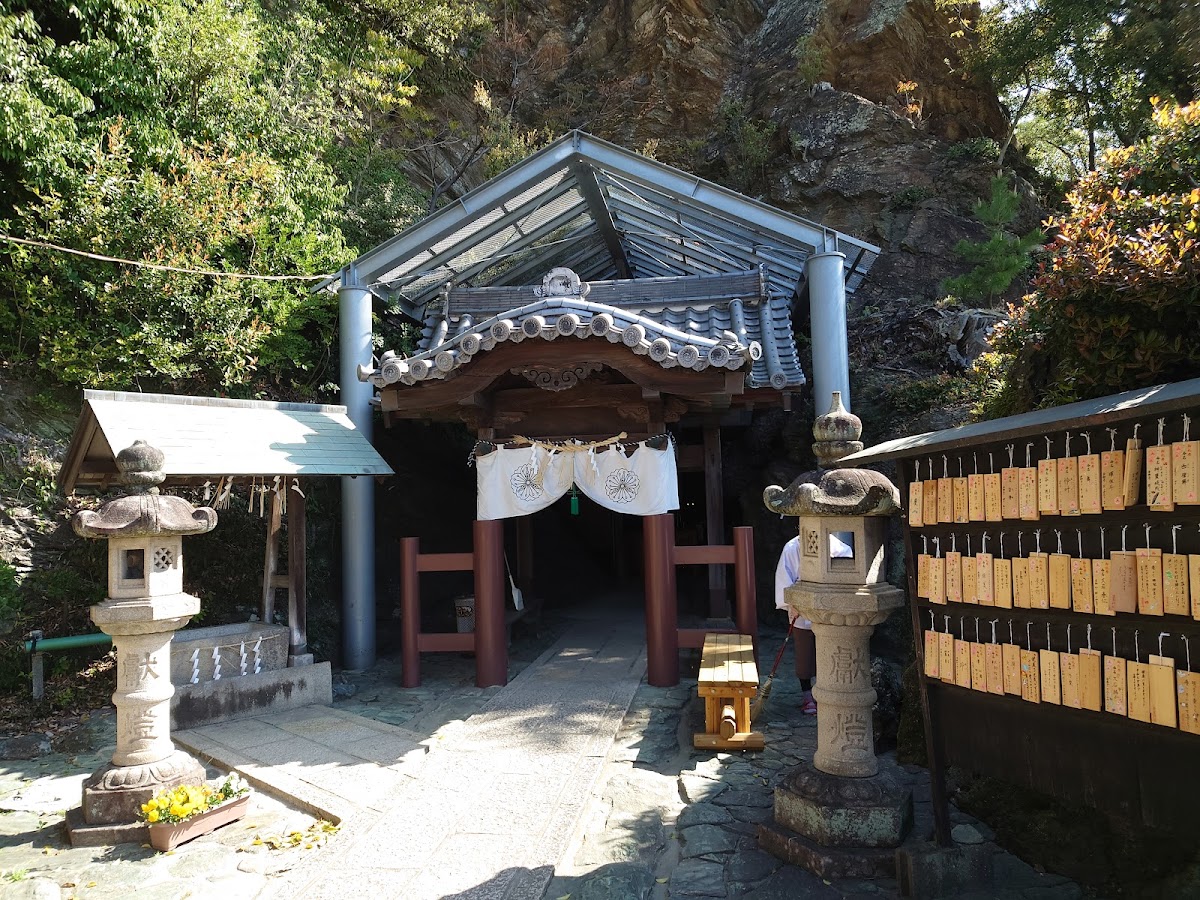
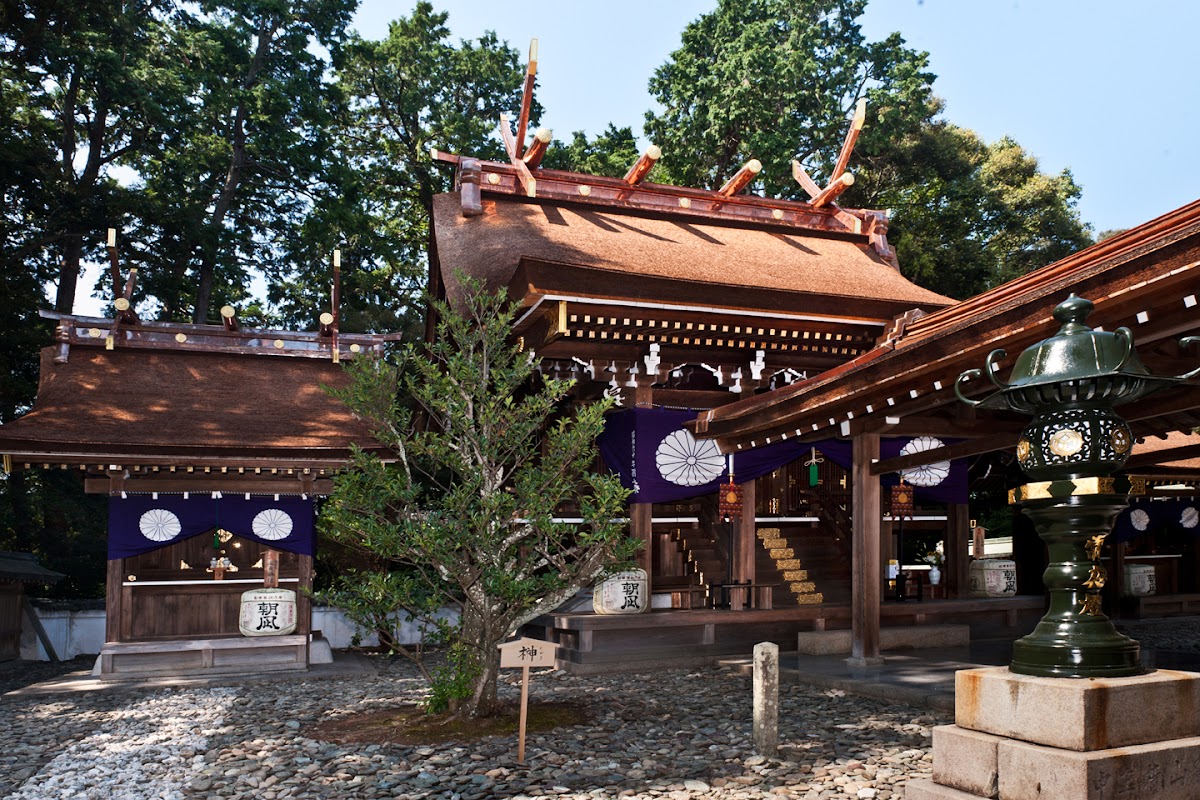
The grounds of Itakiso Shrine offer numerous points of interest that evoke a sense of history and faith.
Main Hall and Worship Hall
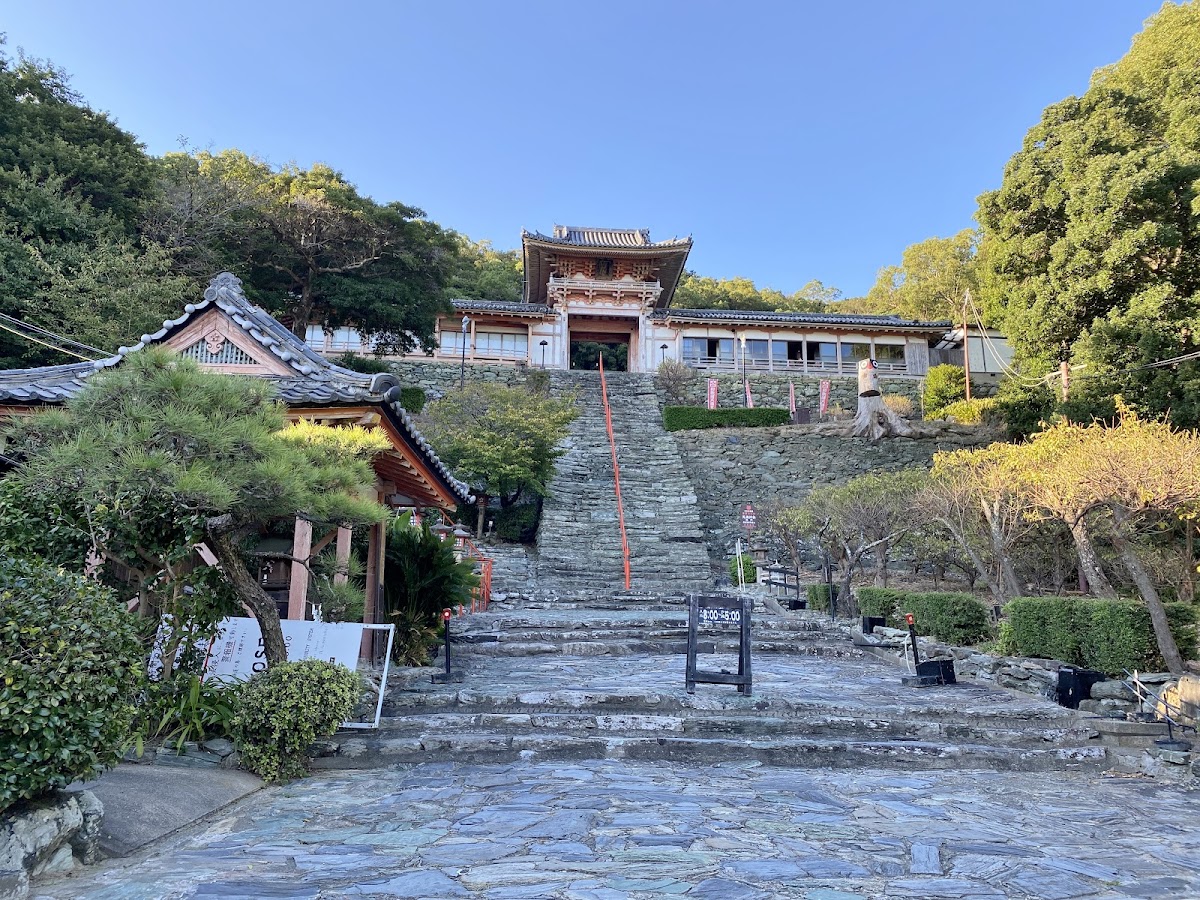
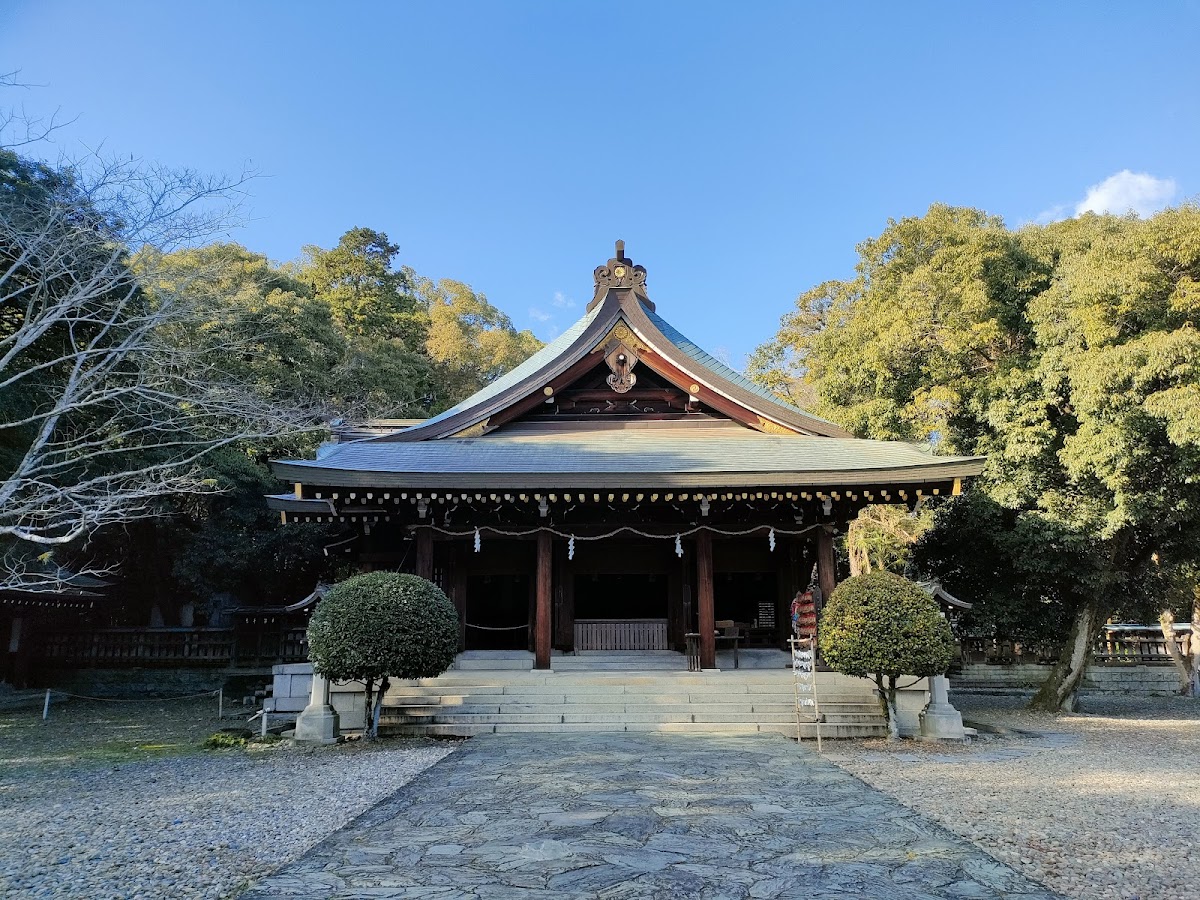
The magnificent main hall, reached by climbing stairs, is enveloped in a solemn atmosphere. The worship hall enshrines deities including Isotakeru-no-Mikoto, allowing for a serene and heartfelt prayer experience.
Passing Through the Tree’s Fork | A Real-Life Experience of Kojiki Mythology
The “Passing Through the Tree’s Fork” in the worship hall is a must-try experience when visiting Itakiso Shrine. Inspired by the Kojiki’s myth of the resurrection of Ōkuninushi-no-Mikoto, it is believed that passing through this tree’s fork will protect you from misfortune and grant you renewed vitality.
The tree trunk is indeed split, and you can pass through the gap. When passing through, calm your mind and pray for protection from misfortune and good health.
Monkey Stone
The “Monkey Stone” located within the shrine grounds is a mysterious stone resembling a monkey’s face and is popular for its association with the monkey, considered a messenger of Isotakeru-no-Mikoto. It is also a popular photo spot.
Chainsaw Art of the Twelve Zodiac Animals
Befitting a shrine dedicated to the god of trees, the grounds are adorned with chainsaw sculptures of the twelve zodiac animals. These works of art, showcasing the warmth of wood, delight visitors. Finding your own zodiac animal’s sculpture can be a fun experience.
Inner Shrine
Behind the main shrine lies the inner shrine, offering a more tranquil environment for worship. If you have time, we recommend extending your visit to the inner shrine.
Annual Festivals | Main Festivals of Itakiso Shrine
Itakiso Shrine holds various festivals throughout the year.
Uzue Festival | January 15th
One of the most important festivals at Itakiso Shrine is the Uzue Festival held on January 15th. Known as a festival for warding off evil, it involves a ritual where staffs made from the wood of the Japanese laurel tree (Uzu-no-ki) are bestowed. Since ancient times, the Japanese laurel tree has been believed to have the power to ward off evil spirits, and it is thought that possessing this staff will protect one from misfortune throughout the year.
The shrine is bustling with many worshippers from the morning, and people from all over the country visit not only those in their unlucky years, but also those praying for family safety and good health.
Kimatsuri (Tree Festival) | Third Sunday of April
The Kimatsuri is a unique festival held at Itakiso Shrine, which enshrines the god of trees. Held annually on the third Sunday of April, it attracts many forestry workers and timber merchants who express gratitude for timber and pray for the prosperity of the industry.
On this day, exhibitions and events related to timber are also held, providing a valuable opportunity for general visitors to learn about the importance of wood.
Chinowa Matsuri (Reed Ring Festival) | June 30th
The Chinowa Matsuri (Reed Ring Festival) on June 30th is a Shinto ritual also known as Nagoshi no Oharai (Summer Purification Ceremony). By passing through a large ring made of reeds, people purify themselves of the impurities accumulated over the past six months and pray for good health and protection from illness for the remaining half of the year.
The proper way to pass through the reed ring is to do so three times, drawing a figure eight, and there are traditional prayers that are recited while passing through.
Annual Festival | October 15th
On October 15th, the most important annual festival is held. A solemn Shinto ritual takes place in the main shrine in the morning, with prayers offered for gratitude to Isotakeru-no-Mikoto, national peace and security, and the prosperity of parishioners and worshippers.
New Year’s Eve Purification Ceremony
On December 31st, the New Year’s Eve Purification Ceremony is held, purifying away the impurities of the past year and preparing for the New Year. The shrine is bustling with many visitors from New Year’s Eve to New Year’s Day.
Goshuin (Shrine Seals) and Souvenirs | A Memento of Your Visit
At Itakiso Shrine, in addition to the regular goshuin, seasonal goshuin are also available. Popular goshuin include those with wood-grain designs befitting the shrine’s deity of trees, and beautiful goshuin adorned with seasonal flowers.
As for souvenirs, a variety of amulets are available, including amulets for warding off evil, health amulets related to passing through a tree fork, and safety amulets for timber workers. Additionally, special Uzue (rabbit-shaped staffs) are given out during the Uzue Festival.
Access Information | How to Get There by Train and Car
Access by Train
The nearest station to Itakiso Shrine is Itakiso Station on the Wakayama Electric Railway Kishigawa Line, famous for its cat stationmaster, “Tama.” The shrine is easily accessible, approximately a 5-minute walk from the station.
- Transfer to the Wakayama Electric Railway Kishigawa Line from JR Wakayama Station
- Get off at Itakiso Station, approximately a 5-minute walk
The Wakayama Electric Railway is also known for its uniquely designed trains, such as the “Tama Train,” “Strawberry Train,” and “Toy Train,” allowing you to enjoy a train journey in conjunction with your visit.
Access by Car
If visiting by car, it’s approximately 15 minutes from the Wakayama Interchange on the Hanwa Expressway. The shrine has a free parking lot for visitors, accommodating approximately 50 regular-sized cars.
During long holidays and festival days, crowds are expected, so using public transportation is recommended.
Visiting Hours and Basic Information
- Address: 558 Itakiso, Wakayama City, Wakayama Prefecture 640-0361
- Visiting Hours: Grounds are freely accessible (Shrine office is open from 9:00 AM to approximately 5:00 PM)
- Admission Fee: Free
- Parking: Free parking available (approximately 50 cars)
- Phone: 073-478-0006
Nearby Tourist Attractions | Places to Visit Together
Wakayama Electric Railway Kishigawa Line
Itakiso Station is a station on the Kishigawa Line, which leads to Kishi Station, famous for its cat stationmaster, and is home to the Wakayama Electric Railway headquarters. It’s recommended to take a ride on the uniquely designed train to Kishi Station before or after your visit.
Wakayama Castle
Wakayama Castle, located near JR Wakayama Station, is a famous castle known as the residence of the Kishu Tokugawa family, one of the three main branches of the Tokugawa clan. From the castle tower, you can enjoy a panoramic view of Wakayama city, and it’s a popular spot for cherry blossom viewing in spring.
Kimii-dera Temple
Kimii-dera Temple, the second temple on the Saigoku Thirty-Three Kannon Pilgrimage, is also a popular tourist spot in Wakayama City. It’s famous for its early-blooming cherry blossoms, and is bustling with many visitors in spring.
Wakayama Marina City
For families, Wakayama Marina City, which features a theme park, hot springs, and a seafood market, is also recommended. It’s about a 30-minute drive from Itakiso Shrine.
Manners and Points for Visiting the Shrine
When visiting Itakiso Shrine, keeping the following points in mind will make your visit more fulfilling.
Etiquette for Visiting the Shrine
- Bow before passing through the torii gate.
- Cleanse your hands and mouth at the water basin.
- At the front of the main hall, perform the “two bows, two claps, one bow” ritual.
- Experience passing through the tree fork.
- Explore the various parts of the shrine grounds.
Photography
Photography is generally permitted on the shrine grounds, but may be prohibited during Shinto rituals or inside the main hall. Please be considerate of other visitors.
Attire
Casual attire is acceptable for visiting the shrine, but if you are receiving prayers or attending Shinto rituals such as the annual festival, somewhat formal attire is recommended.
History of Itakiso Shrine | From Ancient Times to the Present
The history of Itakiso Shrine is ancient, with the first documented mention being in the “Shoku Nihongi” (Continued Chronicles of Japan) in the second year of the Taiho era (702 AD). However, its actual founding is much older, dating back to when Isotakeru-no-Mikoto planted trees throughout Japan before settling in this location.
During the Heian period, it was already highly regarded by the imperial court as a Myojin Taisha (a major shrine) and is listed in the Engishiki Jinmyocho (a list of shrines compiled in the Heian period). In the Middle Ages, it was considered the Ichinomiya (first-ranked shrine) of Kii Province, the most prestigious shrine in the region.
During the Edo period, it received the reverence of the Kishu Tokugawa family, who undertook the construction and repair of the shrine buildings. Under the modern shrine ranking system of the Meiji era, it was ranked as a Kanpei Chusha (a medium-ranked government-supported shrine), and after World War II, it became a Beppyo Jinja (a special shrine) of the Association of Shinto Shrines, a status it maintains to this day.
Throughout its long history, Itakiso Shrine has attracted the faith of many people as a deity of trees and a god of protection against misfortune, and it remains a beloved representative shrine of Wakayama Prefecture.
Summary | A Recommendation for Visiting Itakiso Shrine
Itakiso Shrine is a historic shrine with over 1300 years of history, serving as the Ichinomiya (first-ranked shrine) of Kii Province, and dedicated to Isotakeru-no-Mikoto, the deity who enriched Japan’s land with greenery. It offers diverse blessings as the god of trees, the god of life, and the god of protection against evil, and boasts many unique attractions such as a tree fork passage and chainsaw art depicting the twelve zodiac animals.
Its convenient location, just a 5-minute walk from Itakiso Station on the Wakayama Electric Railway, is also a major draw, making it a great place to visit in conjunction with a trip on the Kishigawa Line, famous for its cat stationmaster. Various festivals, such as the Uzue Festival and the Ki Festival, are held throughout the year, so visiting during one of these events will allow you to experience the shrine’s charm more deeply.
Why not spend some peaceful time in the tranquil grounds surrounded by trees, reflecting on Japan’s nature and mythology?