What is Karukaya-do?
Karukaya-do is a sacred site known for the tragic story of Kato Saemon Shigeuji (Karukaya Doshin), a samurai from the late Heian period, and his son, Ishidomaru. The story of Ishidomaru, who traveled longing for his father, reuniting with him after he became a monk, but parting without revealing their father-son relationship, is widely known as a subject for Noh and Joruri plays.
Karukaya-do temples are scattered throughout Japan, each attracting local devotion. In particular, the Karukaya-do on Mount Koya is visited by many pilgrims as the birthplace of this legend.
The Story of Karukaya Doshin and Ishidomaru
Kato Saemon Shigeuji was a samurai from Chikuzen Province (present-day Fukuoka Prefecture), but feeling the impermanence of the world, he left his wife and child and became a monk. He changed his name to Karukaya Doshin and spent his days in ascetic training at Mount Koya.
His wife, left behind, embarked on a journey to find him, but fell ill and passed away along the way. Young Ishidomaru, with his mother’s dying wish in his heart, set out alone to Mount Koya in search of his father. He finally reunited with his father, but Karukaya Doshin, fearing he would hinder his training, did not reveal himself to be his father.
It is said that Ishidomaru subsequently became a monk and spent the rest of his life by his father’s side. This story of father and son has touched the hearts of many as a tale depicting detachment from attachment in Buddhism and the lingering human affection.
Benefits of Karukaya-do
Family Harmony and Parent-Child Reunion
The most well-known benefits of Karukaya-do are family harmony and parent-child reunion. Inspired by Ishidomaru’s pure love for his father, many visitors come to deepen family bonds and pray for improved parent-child relationships.
It is especially popular among those with the following wishes:
- To deepen parent-child bonds
- To resolve family discord
- To pray for the safety of family members living far away
- To fulfill filial piety
Child-rearing and Fertility
Because Ishidomaru lost his mother at a young age and experienced a difficult journey, the shrine is also believed to grant blessings for the healthy growth of children and fertility. Parents raising children and those expecting to become parents visit the shrine.
Safe Travels
Because Ishidomaru successfully completed a long journey in his childhood, the shrine is also believed to grant blessings for safe travel and traffic safety.
Points to Note When Visiting
Etiquette for Visiting
When visiting Karukaya-do, follow the general etiquette of Buddhist temples:
- Bow at the Entrance – Bow lightly at the main gate or entrance before entering the temple grounds.
- Purify at the Water Basin – If there is a water basin, purify in the order of left hand → right hand → mouth → left hand.
- Pray at the Main Hall – Quietly pray in front of the main hall, and silently pray for the happiness of your family and your wishes.
- Offering a Money Offering – There is no set amount, but offer with a respectful heart.
- Bow Upon Departure – Bow again at the main gate when leaving.
Special Visiting Days
Many Karukaya-do temples hold special memorial services and events on the following days:
- Spring and Autumn Equinoxes – Memorial services for ancestors
- Obon (August 13-16) – Memorial Service for Ishidomaru
- Monthly Memorial Day – Some temples hold memorial services on specific days each month.
It is recommended to check the official information of each temple in advance.
Highlights
Statues of Karukaya Doshin and Ishidomaru
Many Karukaya halls house statues or paintings of the father and son. Ishidomaru is often depicted in traveling attire, wearing a straw hat and leaning on a staff, and many visitors are deeply moved by his courageous figure.
Votive Tablets and Offerings
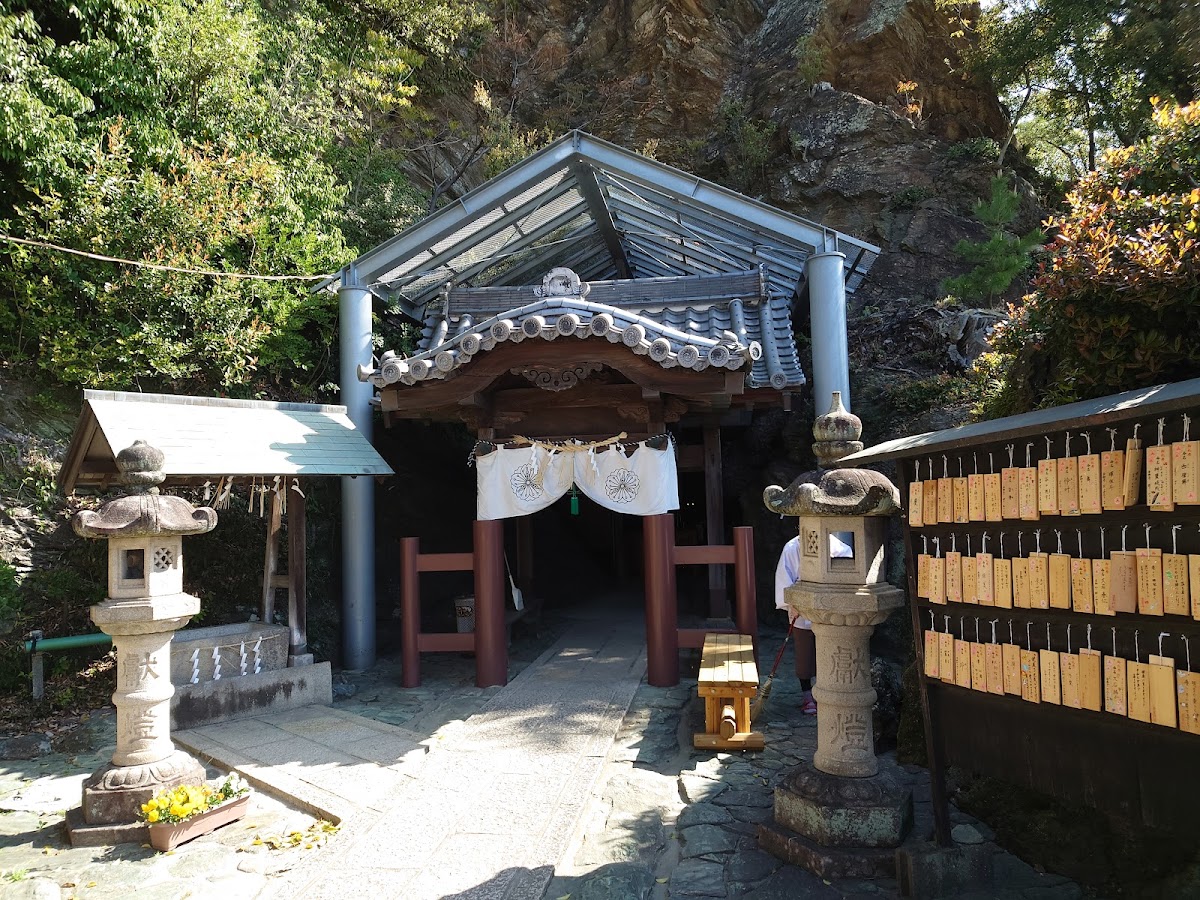
Numerous votive tablets wishing for family harmony and successful child-rearing are offered on the temple grounds, demonstrating that the faith continues even today.
Major Karukaya-do Halls and Access
Koyasan Karukaya-do Hall (Wakayama Prefecture)
Location: 479 Koyasan, Koya-cho, Ito-gun, Wakayama Prefecture
Access:
- Take the Koyasan Cable Car from Gokurakubashi Station on the Nankai Koyasan Line and get off at Koyasan Station.
- Take the Nankai Rinkan Bus from Koyasan Station and get off at Karukaya-do-mae bus stop.
- By car: Approximately 40 minutes from Katsuragi-Nishi IC on the Keina-Wa Expressway.
Visiting Hours: 8:30 AM – 5:00 PM (may vary depending on the season)
Admission Fee: Free entry to the grounds (separate fee for the Treasure Hall)
Parking: Paid parking available nearby
Koyasan’s Karukaya-do Hall is most famous as the birthplace of the legend. Located along the path to Okunoin, it is a popular stop for many pilgrims.
Other Major Karukaya-do Halls
Zenkoji Karukaya-do Hall (Nagano Prefecture)
Location: Motozen-cho, Nagano City, Nagano Prefecture
Access: Approximately 15 minutes by bus from JR Nagano Station, get off at Zenkoji Daimon bus stop, then a 5-minute walk.
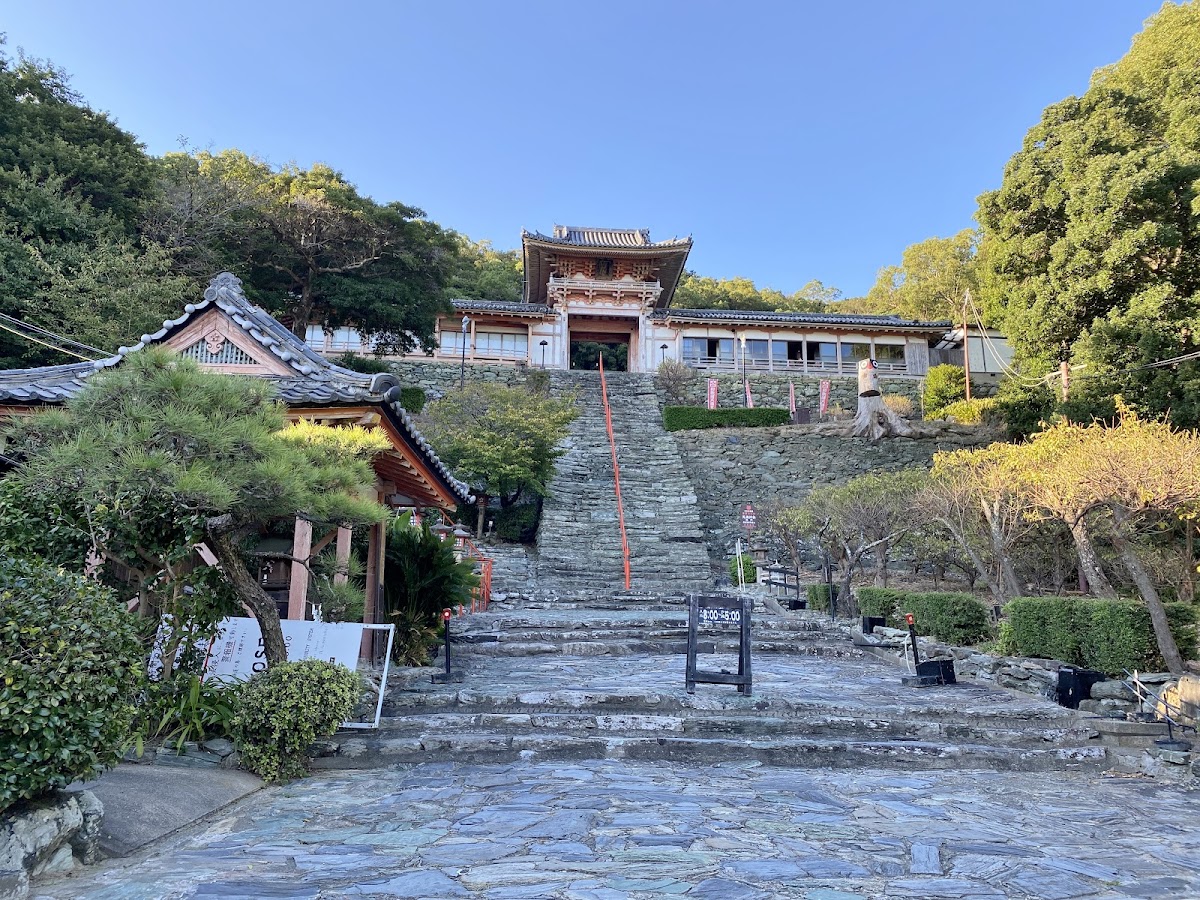
The Karukaya-do Hall, located within the grounds of Zenkoji Temple, has attracted worshippers since the Edo period. It is a sacred site that many people visit in conjunction with a visit to Zenkoji Temple.
Chikuzen Karukaya-do Hall (Fukuoka Prefecture)
Location: Fukuoka City, Fukuoka Prefecture
Access: Approximately 10 minutes on foot from Gion Subway Station
The Karukaya-do Hall is located in Chikuzen Province, the birthplace of Karukaya Doshin. It is affectionately known as “Karukaya-san” by locals.
Access Notes
- Because Koyasan is at a high altitude, there is a possibility of snow and ice in winter. Please check road conditions in advance.
- Public transportation is limited in some areas, so we recommend checking the timetable.
- Parking lots may be full during peak seasons. Especially during Obon and Higan periods, try to arrive early.
Items to Bring and Attire for Visiting Temples
Recommended Items
- Prayer Beads – Used for visiting Buddhist temples
- Offering Money – Having small change ready will make things smoother
- Goshuincho (Stamp Book) – Some temples offer Goshuin (stamps)
- Camera – Take commemorative photos where photography is permitted (check beforehand inside the main hall)
Attire Precautions
For temple visits, it is desirable to wear attire that takes the following points into consideration:
- Avoid revealing clothing
- Wear comfortable shoes (especially on Mount Koya, which has many slopes)
- Take appropriate precautions against cold and heat depending on the season
Summary
Karukaya-do has attracted the faith of people for over a thousand years as the setting for a story that conveys the love between parent and child and the strictness of the Buddhist path. It is a sacred place that serves as a spiritual anchor for modern visitors praying for family harmony, successful child-rearing, and filial piety. Why not visit Karukaya-do temples in various locations, including Mount Koya, and reflect on the pure love between Ishidomaru and his child, while renewing your gratitude to your own family? The time spent praying in the tranquil temple grounds will surely be a precious moment away from the hustle and bustle of everyday life.