Hachitengu Shrine (Koshu City, Yamanashi Prefecture) Complete Guide: A Historic Shrine Associated with Takeda Shingen
Hachitengu Shrine, located in Shioyama Nakahagiwara, Koshu City, Yamanashi Prefecture, is a historic shrine with ties to Lord Takeda Shingen. This article provides comprehensive information useful for those considering a visit, including the detailed history of Hachitengu Shrine, its enshrined deities, highlights of the grounds, and access methods.
Basic Information on Hachitengu Shrine
Hachitengu Shrine is a religious corporation belonging to the Yamanashi Prefectural Association of Shinto Shrines, located at 3600 Shioyama Nakahagiwara, Koshu City, Yamanashi Prefecture. It is situated in a quiet environment surrounded by the rich nature of Koshu City and has been carefully preserved by the local parishioners.
Location and Contact Information
- Location: 3600 Nakahagiwara, Shioyama, Koshu City, Yamanashi Prefecture
- Jurisdiction: Yamanashi Prefectural Shrine Association
- Former Place Name: Nakahagiwara, Shioyama City (before the Heisei-era mergers)
Koshu City was formed in 2005 through the merger of Shioyama City, Katsunuma Town, and Yamato Village. Hachitengu Shrine is located within the former Shioyama City area.
History of Hachitengu Shrine
The founding date of Hachitengu Shrine is unknown, but its recorded history dates back to the Sengoku period (Warring States period). Let’s take a detailed look at the shrine’s history in chronological order.
Sengoku Period: Donation by Takeda Shingen
In Tensho 2 (1574), Takeda Shingen, a renowned general of Kai Province, donated 2,500 monme (a unit of currency). This donation is a valuable record indicating that Hachitengu Shrine was an important place of worship in the region. Takeda Shingen died in 1573, but records state it was in the second year of the Tensho era, which may indicate it was during the time of Takeda Katsuyori, who inherited Shingen’s will.
As a Sengoku daimyo ruling Kai Province, the Takeda clan protected shrines and temples within their territory and encouraged religious faith. The donation to Hachitengu Shrine can be seen as a symbolic event representing the connection between the Takeda family and the local community.
Edo Period: Reconstruction and Maintenance of the Main Hall
In the seventh year of the Hoei era (1710), the main hall was rebuilt by Matsudaira Kai-no-kami, the local administrator. During this period in the mid-Edo period, Kai Province had a complex system of governance, with a mix of shogunate-controlled territories and hatamoto (direct retainers of the shogun), but it is clear that the shrine was maintained and managed by influential local figures.
In the same year, 100 stone steps were built by the worshippers, and another 10 steps were added above them. The total of 110 stone steps was developed as an important pilgrimage route leading worshippers to the main hall. In 1819 (Bunsei 2), the main shrine building was constructed, and in 1864 (Genji 1), the worship hall was built. Even during the turbulent Bakumatsu period, it is evident that the local people maintained their faith in the shrine and strived to improve its facilities.
Modern and Contemporary Periods: Continued Faith and Maintenance
In 1940 (Showa 15), the main shrine building was rebuilt. Although this period was under the wartime regime of World War II, it is clear that the maintenance of the shrine as a center of local faith was considered important.
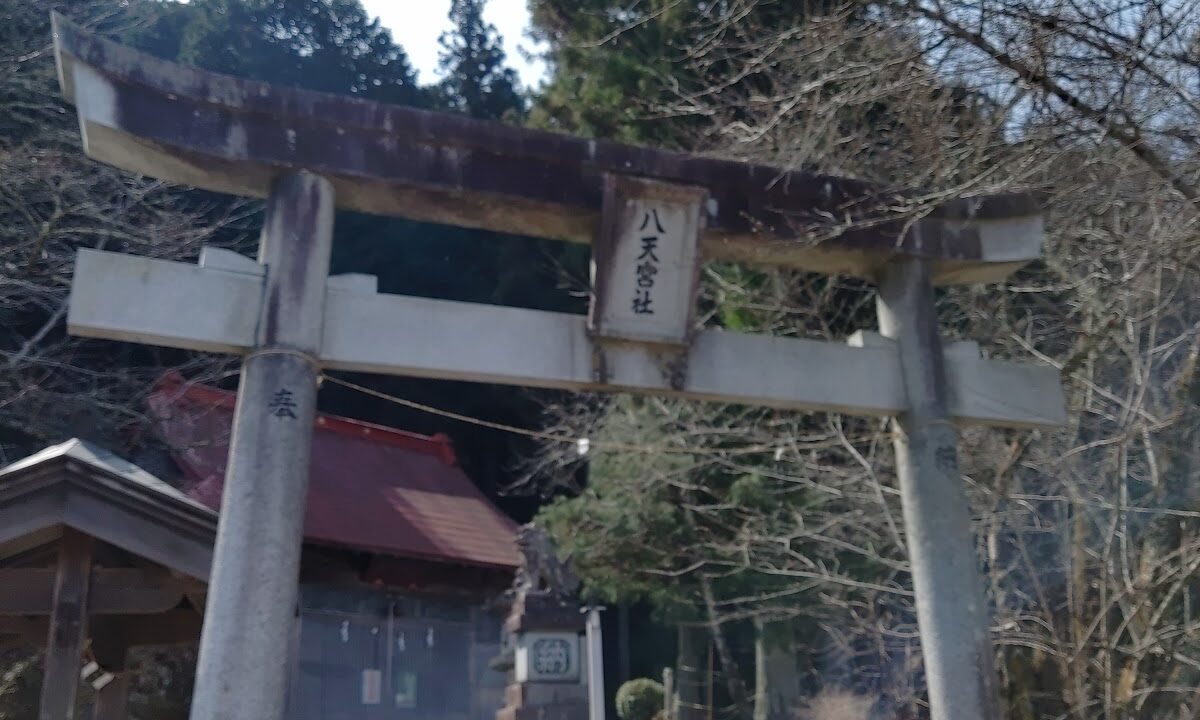
In 1982 (Showa 57), a stone torii gate, stone steps, a purification fountain, and stone lanterns were renovated through donations from parishioners. Even today, Hachitengu Shrine continues to be carefully preserved thanks to the deep faith of the local people.
Deities and Faith
The name “Hachitengu” of Hachitengu Shrine is thought to originate from the Buddhist concept of “Hachiten” (eight deities). The Eight Heavenly Generals refer to the eight deities of the Tenbu (heavenly beings) who protect Buddhist teachings, including Indra, Brahma, and Bishamonten.
During the era of syncretism of Shinto and Buddhism, a form of worship that blended Shinto and Buddhism was common, and it is presumed that the name “Hachiten-gu” (Eight Heavenly Shrine) was influenced by this. The fact that this name has remained even after the Meiji-era separation of Shinto and Buddhism is a valuable example of how the historical form of worship in the region is preserved.
Highlights of the Shrine Grounds
The grounds of Hachiten-gu Shrine contain various facilities and cultural assets that tell the story of its long history.
110 Stone Steps
The stone steps, built in 1710 (Hoei 7), are one of the symbolic features of Hachiten-gu Shrine. By climbing the 100 steps plus the 10 steps above them, a total of 110 steps, worshippers can prepare themselves mentally to leave the secular world and enter the sacred realm.
From the middle of the stone steps, you can enjoy views of the townscape of Koshu City and the surrounding mountains, with scenery that changes with the seasons.
Main Shrine and Worship Hall
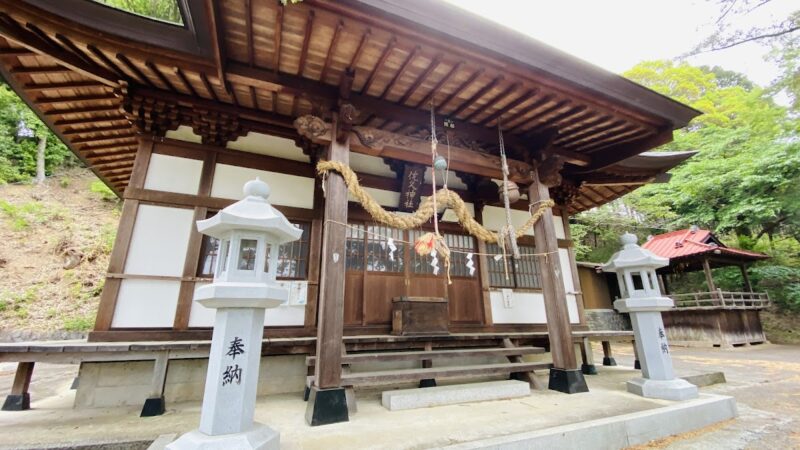
The main shrine, rebuilt in 1940, preserves the traditional style of shrine architecture. Together with the worship hall, built in 1864, it forms a sacred space welcoming worshippers.
Stone Structures
The stone torii gate, purification fountain, and stone lanterns, donated by parishioners in 1982, are relatively new but maintain a traditional style, creating a solemn atmosphere within the shrine grounds.
At the purification fountain, you can experience the traditional Japanese custom of purifying your mind and body by cleansing your hands and mouth before worship.
Access Information
Here’s how to access Hachitengu Shrine.
Access by Public Transportation
JR Chuo Main Line “Shioyama Station” is the nearest station. The shrine is approximately 3 kilometers from Shioyama Station.
- By taxi from Shioyama Station: Approximately 10 minutes
- On foot from Shioyama Station: Approximately 40 minutes
- By local bus from Shioyama Station: Accessible on foot from the nearest bus stop
Access by car
The Chuo Expressway “Katsunuma IC” or “Ichinomiya-Misaka IC” are convenient.
- From Katsunuma IC: Approximately 15 minutes
- From Ichinomiya-Misaka IC: Approximately 20 minutes
The Shioyama Nakahagiwara area of Koshu City is easily accessible from National Route 140. When using a car navigation system, please enter “3600 Shioyama Nakahagiwara, Koshu City, Yamanashi Prefecture”.
About parking
We recommend checking parking spaces around the shrine before visiting. When using local roads, please be considerate of nearby residents.
Relationship with other shrines in Koshu City
Besides Hachitengu Shrine, many other shrines are located in Koshu City. According to records of the Yamanashi Prefectural Shrine Association, the following shrines are located in Koshu City.
- Hachiman Shrine
- Hachizuka Shrine
- Iizuna Shrine
- Hida Shrine
- Ozaki Shrine
- Hikawa Shrine (Katsunuma Town)
- Hikawa Shrine (Yamato Town)
- Fushiki Shrine
- Suzumiya Shrine
These shrines are deeply intertwined with the history and beliefs of their respective regions, forming a rich cultural landscape in Koshu City. Visiting these shrines, along with Hachitengu Shrine, will allow you to gain a deeper understanding of Koshu City’s history and culture.
Other Shrines in Yamanashi Prefecture
Besides Koshu City, Yamanashi Prefecture has many other historical shrines. Many shrines within the prefecture belong to the Yamanashi Prefectural Shrine Association, and they attract worshippers in their respective regions.
Major Shrines Around Kofu City
Kai Takeda Shrine is one of Yamanashi Prefecture’s representative shrines, enshrining Takeda Shingen as its principal deity. Built on the site of the Takeda clan’s residence, Tsutsujigasaki-kan, it attracts many worshippers. Considering that Hachitengu Shrine has a history of receiving donations from Lord Takeda Shingen, it can be said that there is a historical connection between the two shrines.
Shrines in Kai City, Yamanashi City, and Uenohara City
Kai City, Yamanashi City, and Uenohara City each have numerous shrines rooted in their respective communities. These shrines are linked to the history, industry, and nature worship of the region, and visiting them allows you to learn about the unique characteristics of each area.
Shrines around the Fuji Five Lakes
Around the Fuji Five Lakes, including Yamanakako Village, there are many shrines associated with the worship of Mount Fuji. Mount Fuji has been an object of worship since ancient times, and its influence remains strongly felt in the shrines of the surrounding areas.
Shrines in the Kyonan Region
The Kyonan region, including Ichikawamisato Town, Fujikawa Town, Kosuge Village, and Showa Town, also has its own unique shrines. Along with Buddhist temples such as Minobu-san Kuonji Temple, these shrines have supported the spiritual culture of the region.
Manners and Etiquette for Visiting a Shrine
When visiting Hachitengu Shrine, please observe basic shrine visiting etiquette.
Preparation Before Visiting
- Attire: Please wear clean and understated clothing appropriate for visiting a sacred place.
- Mindset: Prepare to leave the hustle and bustle of everyday life behind and face the deities with a calm heart.
Etiquette Within the Shrine Grounds
- How to Pass Through the Torii Gate: The torii gate is the entrance to the sacred area. Bow before passing through. Since the center of the path is considered the path of the gods, it is considered preferable to walk along the sides.
- Procedure for Washing Hands:
- Hold the ladle in your right hand and wash your left hand.
- Switch the ladle to your left hand and wash your right hand.
- Hold the ladle in your right hand again, receive water in your left hand, and rinse your mouth.
- Finally, stand the ladle upright and pour water over the handle to cleanse it.
- Worship at the Main Hall:
- The basic procedure is two bows, two claps, and one bow.
- Bow lightly once, then bow deeply twice.
- Clap your hands twice at chest height.
- Finally, bow deeply once.
Precautions on the Shrine Grounds
- Do not make loud noises.
- Always take your trash with you.
- Take photographs only within permitted areas.
- Always be mindful that this is a sacred place.
Tourist Attractions Around Hachitengu Shrine
When visiting Hachitengu Shrine, we recommend also visiting tourist attractions around Koshu City.
Winery Tour
The Katsunuma district of Koshu City is known as one of Japan’s leading wine-producing regions. Many wineries are scattered throughout the area, offering opportunities for tours and wine tastings. The beautiful scenery of sprawling vineyards is also a major attraction.
Erinji Temple
Erinji Temple, known as the family temple of Takeda Shingen, is a Rinzai Zen temple of the Myoshinji school located in Shioyama Koyashiki, Koshu City. It is famous for the words of Kaikawa Joki, “If you extinguish the desires in your mind, even fire feels cool,” and attracts many visitors due to its connection to the Takeda family.
Fruit Picking
Koshu City is a thriving center for the cultivation of seasonal fruits such as grapes, peaches, and cherries. Visitors can enjoy fruit picking according to the season, making it a popular activity for families.
Mount Daibosatsu
Mount Daibosatsu, one of Japan’s 100 Famous Mountains, is located on the border between Koshu City and Tanbayama Village in Kitatsuru District. Known as a relatively easy mountain to climb, the summit offers spectacular views of Mount Fuji and the Southern Alps.
Hachitengu Shrine and the Local Community
Hachitengu Shrine is not merely a historical building; it continues to function as a central hub for the local community.
The Role of the Parishioners’ Organization
As seen in the donation of the stone torii gate and stone lanterns in 1982, the parishioners are actively involved in the maintenance and management of the shrine. The shrine is protected through the cooperation of local residents, including regular cleaning activities and the operation of festivals.
Annual Events and Festivals
Like many shrines, Hachitengu Shrine is believed to hold various events throughout the year. These events provide opportunities for local people to gather and strengthen community bonds.
Inheritance of Local Culture
Shrines are important places for passing on local history and culture to future generations. The long history of Hachitengu Shrine is the history of the Nakahagiwara district of Shioyama, Koshu City, and is a source of local identity.
Relationship with the Yamanashi Prefectural Association of Shinto Shrines
Hachitengu Shrine is one of the shrines belonging to the Yamanashi Prefectural Association of Shinto Shrines. The Yamanashi Prefectural Association of Shinto Shrines is an organization that oversees shrines throughout the prefecture, providing support for shrine management, training Shinto priests, and promoting Shinto culture.
Role of the Association of Shinto Shrines
The Yamanashi Prefectural Association of Shinto Shrines website allows you to search for shrines within the prefecture and find basic information about each shrine. Information such as the location and contact details for Hachitengu Shrine is also listed.
Shrine Network
Through the Association of Shinto Shrines, shrines throughout the prefecture cooperate with each other, exchanging information and undertaking joint projects. This enables even small shrines to be properly maintained and managed.
Seasonal Attractions for Visitors
Hachitengu Shrine is surrounded by nature that changes with the seasons, offering different attractions depending on the time of year you visit.
Spring (March-May)
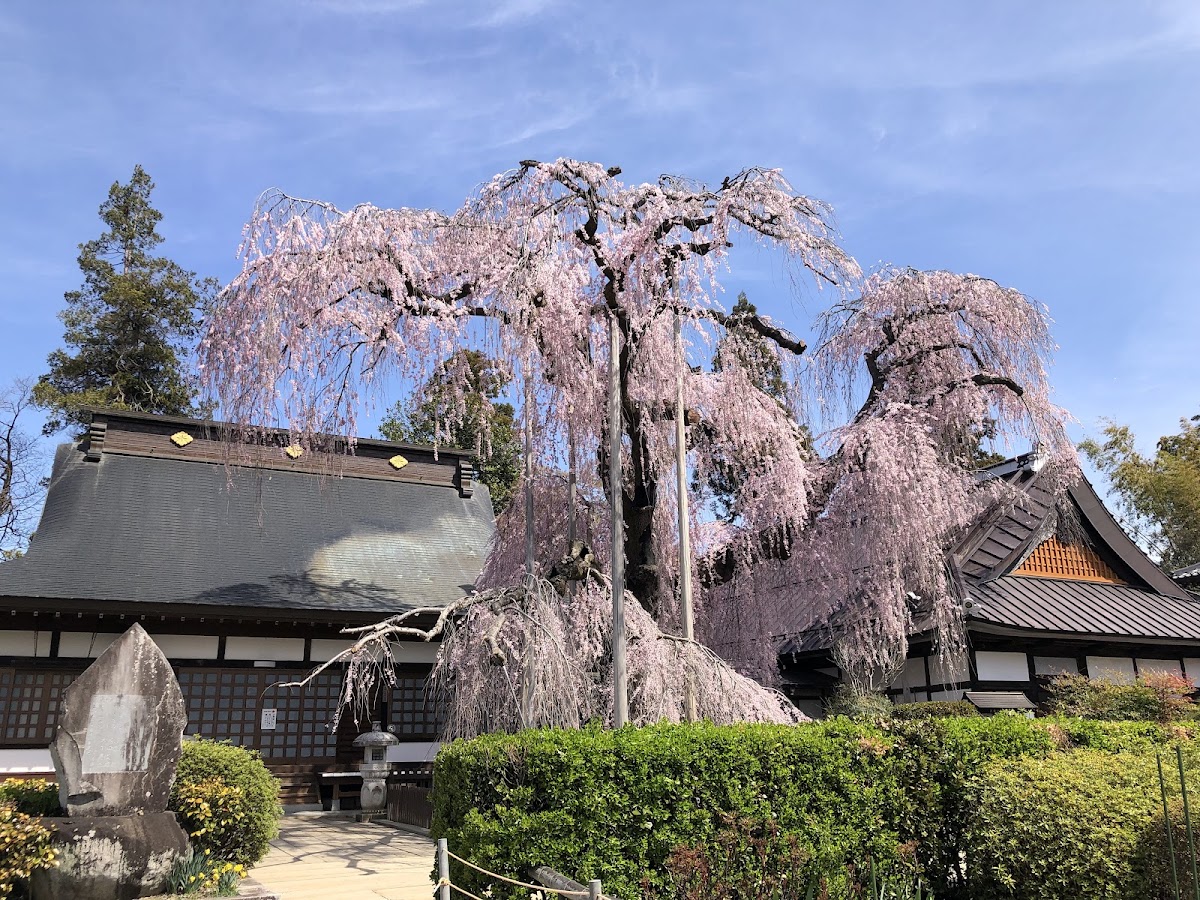
In spring, cherry blossoms bloom in the shrine grounds and surrounding areas, and the fresh greenery is beautiful. The mild climate makes for a pleasant visit. This is also the time when the entire city of Koshu is adorned with peach and cherry blossoms.
Summer (June-August)
In summer, the greenery becomes lush, and the shade of the trees provides a cool respite when climbing the stone steps. Koshu City, being at a relatively high altitude, remains cool in the mornings and evenings even in summer, making it a popular summer resort.
Autumn (September-November)
Autumn is a beautiful season for autumn foliage. The surrounding mountains change color, and the view from the temple grounds is exceptional. It’s also grape harvest season, making it an ideal time to visit in conjunction with a winery tour.
Winter (December-February)
In winter, snow sometimes falls, creating a sacred atmosphere enveloped in silence. Many worshippers visit during the New Year’s pilgrimage season. The air is clear, making the view from the temple grounds particularly beautiful.
Cultural Value of Hachitengu Shrine
Hachitengu Shrine is a valuable site that conveys the history and culture of Yamanashi Prefecture to the present day.
Historical Value
The record of a donation from Lord Takeda Shingen during the Sengoku period, the reconstruction of the main hall during the Edo period, and the history of continuous maintenance throughout the Meiji, Taisho, and Showa periods provide valuable historical documents that tell the story of the changes in the local community.
Architectural Value
The buildings constructed and rebuilt from the Edo period to the Showa period convey the architectural styles and techniques of each era. The 110 stone steps, in particular, demonstrate the high level of stonemasonry skill of the time.
Religious History Value
The name “Hachitengu,” which retains traces of the syncretism of Shinto and Buddhism, is an interesting example when considering the history of religion in Japan. The fact that the name was maintained even after the separation of Shinto and Buddhism in the Meiji era demonstrates the continuity of local faith.
Summary
Hachitengu Shrine is a historical shrine located in Nakahagiwara, Shioyama, Koshu City, Yamanashi Prefecture. With a long history beginning with a donation from Lord Takeda Shingen, Hachitengu Shrine has been protected by the fervent faith of the local people from the Edo period to the present day.
Many structures remain within the shrine grounds that tell the story of its long history, including the 110 stone steps, the main hall rebuilt in the Showa era, and stone structures donated by parishioners. When visiting Koshu City, be sure to visit Hachitengu Shrine and reflect on its history in its tranquil grounds.
The Yamanashi Prefectural Shrine Association website allows you to search for information on shrines throughout the prefecture, including Hachitengu Shrine. A trip to visit shrines throughout the prefecture, such as Koshu City, Yamanashi City, Kofu City, and Kai City, will be a great opportunity to gain a deeper understanding of Yamanashi’s history and culture.
Hachitengu Shrine will continue to be a beloved place of worship for many people, continuing from the past to the present and into the future.
External Links
For more detailed information about Hachitengu Shrine and other shrines in Koshu City, please refer to the following links.
- Yamanashi Prefecture Shrine Association Official Website: You can search for shrines in Yamanashi Prefecture. Basic information on shrines in the prefecture, including Hachitengu Shrine, is available.
- Koshu City Official Website: Provides tourism information and historical and cultural information for Koshu City.
- Yamanashi Prefecture Official Tourism Site “Yamanashi Tourism Promotion Organization”: Comprehensively introduces tourist spots, shrines and temples, and event information in Yamanashi Prefecture.
By utilizing these resources, you can deepen your understanding of Hachitengu Shrine and have a more fulfilling pilgrimage experience.