Complete Guide to Tateishi Shrine (Yamanashi Prefecture, Yamanashi City) | The Sacred Eight-Sided Stone, History, and Access Information
Tateishi Shrine, located in Nishihoshita, Makioka-cho, Yamanashi City, Yamanashi Prefecture, is a mystical shrine with a massive eight-sided stone as its sacred object. This shrine, which preserves the Iwakura (sacred rock) belief that can be considered the origin of animistic faith, has been revered by the local people since ancient times. This article comprehensively introduces information you should know before visiting, including the history of Tateishi Shrine, the characteristics of the eight-sided stone, the highlights of the shrine grounds, and access methods.
Basic Information on Tateishi Shrine
Tateishi Shrine is located at 5238 Nishihoshita, Makioka-cho, Yamanashi City, Yamanashi Prefecture, and has long been a designated village shrine, attracting the faith of the local community. Its corporate number is “6090005003645,” and it is officially recognized as a religious corporation belonging to the Association of Shinto Shrines.
Basic Data
- Location: 5238 Nishihoshita, Makioka-cho, Yamanashi City, Yamanashi Prefecture 404-0004
- Former Shrine Rank: Village Shrine
- Affiliation: Association of Shinto Shrines
- Corporate Number: 6090005003645
- Jurisdiction: Yamanashi Prefectural Association of Shinto Shrines
Tateishi Shrine is located in the Makioka area of Yamanashi City, surrounded by a mountainous region rich in nature. It is also close to the Makioka Branch Office (350 Kubohira, Makioka-cho, Yamanashi City) and serves as a spiritual center for the local community.
The Mystery and Characteristics of the Sacred Object, the Octagonal Stone
The most distinctive feature of Tateishi Shrine is undoubtedly the gigantic octagonal stone enshrined within the shrine grounds. This stone is revered as a sacred object and is known as a representative example of a sacred rock formation in animistic beliefs.
The Scale and Shape of the Eight-Ridge Stone
The Eight-Ridge Stone stands majestically within the shrine grounds, its size overwhelming.
- Height: Approximately 10.6 meters
- Circumference: Approximately 19.6 meters
- Features: Unique shape with eight ridges
This megalith, while a natural stone, possesses an eight-ridged shape that appears almost artificially crafted. Its mystical presence makes it easy to understand why ancient people felt a sense of sacredness in this stone and worshipped it as a dwelling place for gods.
Iwakura Worship and Tateishi Shrine
Iwakura worship is an ancient Japanese form of belief in which megaliths and rocks are worshipped as places where gods reside, or even as gods themselves. The Eight-Ridge Stone at Tateishi Shrine is a classic example of this Iwakura worship, and it is believed to have been an object of worship in this area even before the development of shrine architecture.
A sacred atmosphere permeates the area around the Eight-Ridge Stone, and visitors naturally feel a sense of awe. The historical context of the shrine’s formation around this massive rock, followed by the later construction of the shrine buildings, conveys the primal form of Japanese shrine worship.
History and Origins of Tateishi Shrine
While detailed records of Tateishi Shrine’s founding date are unavailable, its foundation in rock worship suggests it has been a place of worship since ancient times.
Reconstruction in the Mid-Edo Period
The current main hall was rebuilt in the mid-Edo period. This was a time when shrine architecture was being developed throughout Japan, and at Tateishi Shrine, the addition of shrine buildings to the existing rock worship created a more systematic form of shrine.
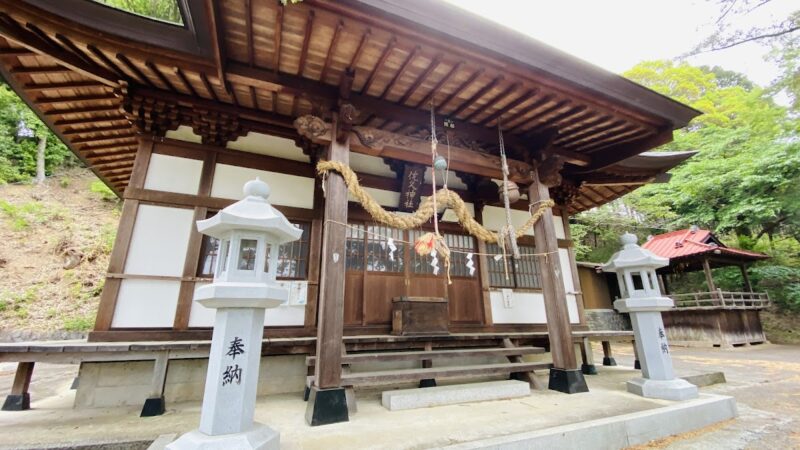
The mid-Edo period main hall possesses valuable cultural heritage, preserving the architectural style of the time. The main hall features intricate carvings, demonstrating the high skill of the craftsmen. These carvings include motifs from myths and legends, resulting in beautiful decorations that fuse faith and art.
History as a Village Shrine
Tateishi Shrine was designated as a village shrine under the modern shrine ranking system. A village shrine is a shrine that functions as the guardian deity of a local village community, and was closely intertwined with the lives of the local residents.
During the festivals held throughout the year, a portable shrine procession takes place, and all the local people participate in the religious ceremonies. These traditions are still passed down today, demonstrating that Tateishi Shrine is a place that symbolizes the unity of the local community.
Highlights of the Shrine Grounds and Subsidiary Shrines
In addition to the main shrine and the sacred eight-sided stone, several subsidiary shrines are enshrined within the grounds of Tateishi Shrine.
Shrines Enshrined Together within the Precincts
The following shrines are enshrined together within the precincts of Tateishi Shrine:
- Ōjinja: A shrine with the character of a general guardian shrine for the region.
- Hyūga-sha: Dedicated to a deity originating from Hyūga Province (Miyazaki Prefecture).
- Tsushima-sha: A shrine of the Tsushima Shrine lineage, worshipped as a deity that wards off epidemics.
- Konpira-sha: Konpira worship, known as the deity of maritime safety and business prosperity.
- Koyasu-jinja: Dedicated to the deity of safe childbirth and child-rearing.
- Soreisha: A shrine dedicated to the spirits of the region’s ancestors.
These shrines within the precincts demonstrate that Tateishi Shrine is not merely a single shrine, but a comprehensive space of faith encompassing diverse local beliefs. Each shrine offers its own unique blessings, and visitors can visit each shrine according to their purpose.
Atmosphere of the Precincts
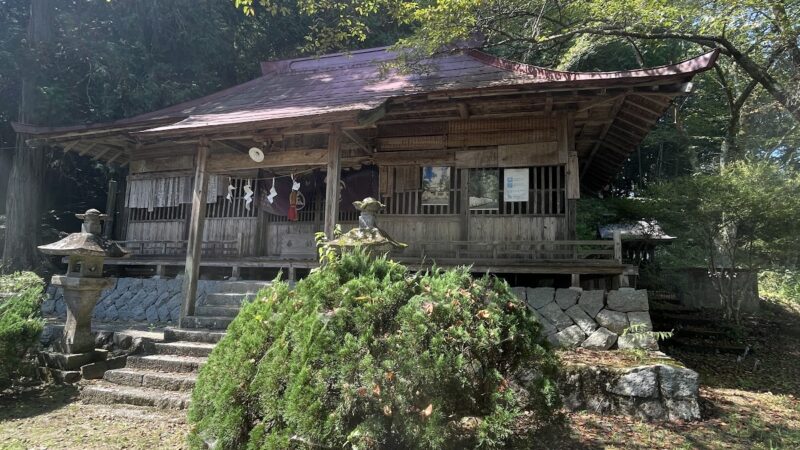
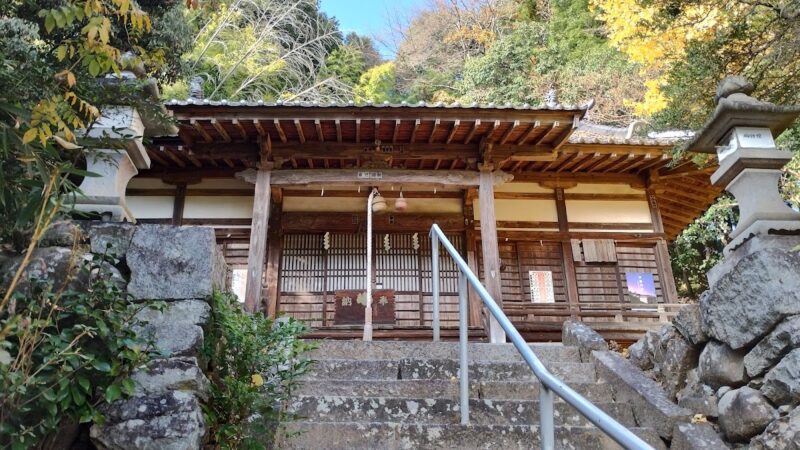
The precincts of Tateishi Shrine are a tranquil space surrounded by nature. The shrine complex, centered around a massive octagonal stone, embodies a traditional Japanese shrine space where artificial and natural elements harmonize.
Walking through the grounds, you can hear the rustling of trees and the chirping of birds, allowing you to experience a sacred time away from the hustle and bustle of the city. Especially in the early morning and at dusk, a mystical light illuminates the grounds, creating an even more spiritual atmosphere.
Legends and Myths Surrounding Tateishi Shrine
Various legends are passed down about the octagonal stone, the sacred object of worship at Tateishi Shrine.
Legend of the Origin of the Octagonal Stone
According to local legends, the octagonal stone is said to be either a sacred stone that fell from the heavens or a manifestation of a god that suddenly appeared from the earth. Its mysterious shape with eight ridges is considered a symbol of the god’s power to protect all eight directions, and it has been revered as a guardian stone protecting the safety and prosperity of the village.
Mythology and Belief
The beliefs surrounding Tateishi Shrine are deeply intertwined with the worship of sacred rocks (Iwakura) in Japanese mythology. The Kojiki and Nihon Shoki describe gods descending upon rocks and stones, and the eight-sided rock at Tateishi Shrine has also been recognized as a sacred place where gods descend.
Local elders recount feeling a mysterious power when touching the eight-sided rock, and people have consistently visited the shrine, particularly to pray for bountiful harvests and recovery from illness. This folk belief, separate from the official doctrines of Shinto, continues to thrive as a unique regional religious culture.
Annual Events and Festivals at Tateishi Shrine
Tateishi Shrine holds various Shinto rituals and festivals throughout the year.
Main Annual Events
- Grand Festival: The most important festival held once a year, featuring a procession of the portable shrine (mikoshi).
- Spring Festival: A festival praying for a bountiful harvest.
- Autumn Festival: A festival giving thanks for the harvest.
- New Year’s Festival: A festival at the beginning of the year praying for the safety and prosperity of the community.
Tradition of the Portable Shrine Procession
At the Tateishi Shrine festival, a procession of the portable shrine (mikoshi) takes place. The mikoshi, carried by local parishioners, travels from the shrine through the village, believed to bring divine blessings to each home. This procession is an important opportunity to reaffirm the unity of the local community and to pass on traditions across generations.
On the day of the festival, the usually quiet shrine grounds become lively, filled with the laughter of children and the sound of drums. For the people of the community, the Tateishi Shrine festival is not merely a religious event, but an important cultural event that deepens community bonds.
How to Access Tateishi Shrine
Tateishi Shrine is located in the Makioka area of Yamanashi City, Yamanashi Prefecture, and is easily accessible by car.
Access by Car
- Chuo Expressway: Approximately 30 minutes from Katsunuma IC or Ichinomiya-Misaka IC
- National Route 140: From Yamanashi city center towards Makioka
- Parking: Parking spaces are available on the shrine grounds or nearby (checking on-site is recommended)
Access by Public Transportation
Public transportation is somewhat inconvenient, but the following options are available:
- JR Chuo Main Line: Get off at Yamanashi-shi Station
- Bus: Take a bus from Yamanashi-shi Station towards Makioka (limited number of buses, so checking in advance is essential)
- Taxi: Taking a taxi from Yamanashi-shi Station is the most reliable option (approximately 20-30 minutes)
Combining with Nearby Facilities
When visiting Tateishi Shrine, it is also recommended to combine it with other tourist spots in the Makioka area of Yamanashi City:
- Makioka Branch Office (350 Kubohira, Makioka-cho, Yamanashi City): You can obtain local administrative information
- Orchards in the Makioka Area: Fruit picking is available depending on the season.
- Nature Trails in the Surrounding Area: Hiking courses where you can enjoy the rich natural environment.
Manners and Precautions for Visiting the Shrine
When visiting Tateishi Shrine, please observe the following manners and precautions.
Basic Manners for Visiting the Shrine
- Bow before passing through the torii gate: This is a courtesy when entering the sacred area.
- Avoid walking in the center of the approach to the shrine: The center is considered the path for the gods.
- Purify yourself at the water basin: If there is a water basin, purify your hands and mouth.
- Two bows, two claps, one bow: This is the general etiquette for visiting a shrine.
Respect for the Sacred Object
The eight-sided stone is the sacred object and is considered holy. Please note the following:
- Do not touch unnecessarily: Avoid directly touching the sacred object.
- Photography: Photography is permitted on the shrine grounds, but please do so with respect.
- Do not shout: Please strive to maintain a peaceful atmosphere.
Precautions specific to shrines in mountainous areas
- Clothing: As it is a mountainous area, please wear comfortable clothing appropriate for the season.
- Insect repellent: Especially in summer, please prepare insect repellent spray.
- Check the weather: Weather in mountainous areas can change quickly, so please check beforehand.
Tateishi Shrine and the Local Community
Tateishi Shrine is not merely a religious facility; it is a central hub for the community in the Nishihoshita area of Makioka-cho, Yamanashi City.
A Place to Foster Community Bonds
Tateishi Shrine has functioned as a place where local residents gather and interact. Through festivals, cleaning activities, and annual events, intergenerational exchanges are fostered, strengthening community bonds.
Especially in mountainous areas experiencing depopulation, shrines play a crucial role as the core of regional identity and symbolize “hometown.”
Connection to Community Development
In Yamanashi City, citizen activities such as the “Association to Make Yamanashi City a ‘Beloved City'” are underway, exploring community development that utilizes local cultural resources like Tateishi Shrine. Efforts continue to preserve the region’s history and traditions while passing on their value to new generations.
Comparison with Surrounding Shrines
While Yamanashi Prefecture has many shrines, Tateishi Shrine is unique in its focus on the worship of sacred rocks (iwakura).
Difference from Ishiwari Shrine
Yamanashi Prefecture also has Ishiwari Shrine, which also enshrines a large rock as its deity. However, Tateishi Shrine’s eight-ridged rock is unique in its scale and shape. While Ishiwari Shrine is characterized by a crack in the rock, Tateishi Shrine’s eight-ridged rock is characterized by its distinctive shape with eight ridges.
Other Shrines in Yamanashi City
While there are several shrines scattered throughout Yamanashi City, Tateishi Shrine is a representative shrine of the Makioka area, preserving the unique beliefs and history of the region to this day.
Summary of the Charms of Tateishi Shrine
The charms of Tateishi Shrine can be summarized in the following points:
- Overwhelming Sacred Object: A gigantic octagonal stone measuring 10.6 meters in height and 19.6 meters in circumference
- Inheritance of Ancient Beliefs: An opportunity to experience the origins of animism and Iwakura (sacred rock) worship
- Historical Buildings: The main hall and intricate carvings from the mid-Edo period
- Diverse Beliefs: A comprehensive space of worship where multiple subsidiary shrines are enshrined together
- Center of Regional Culture: A place that fosters the bonds of the local community
- Mystical Atmosphere: A tranquil and sacred space surrounded by nature
- Legends and Myths: Numerous legends surrounding the octagonal stone
How to Enjoy Your Visit
When visiting Tateishi Shrine, the following ways to enjoy your visit are recommended:
Take Your Time to Stroll Through the Grounds
Instead of rushing through your visit, take your time to stroll through the grounds. Viewing the octagonal stone from various angles and observing its mystical shape is a fascinating experience.
Enjoying the Seasonal Expressions
Tateishi Shrine displays different expressions with each season: the fresh green of spring, the deep green of summer, the autumn foliage, and the snowy landscape of winter. There are new discoveries to be made with each visit.
Finding Peace in Tranquility
In the tranquil atmosphere of Tateishi Shrine, you can forget the hustle and bustle of everyday life and have time to find peace of mind. It is also a suitable place for meditation and mindfulness practice.
Learning about Local History
Visiting Tateishi Shrine is also an opportunity to learn about the history and culture of the Makioka area of Yamanashi City. You can feel how the local people have coexisted with nature and nurtured their faith.
Summary: Experiencing Ancient Beliefs at Tateishi Shrine
Tateishi Shrine, located in Nishihoshita, Makioka-cho, Yamanashi City, Yamanashi Prefecture, is a mystical shrine with a gigantic octagonal stone as its sacred object. This sacred space, steeped in history and tradition, preserves the tradition of Iwakura worship, the origin of animistic beliefs, and boasts a main hall rebuilt in the mid-Edo period and numerous subsidiary shrines.
The majestic octagonal stone, 10.6 meters high and 19.6 meters in circumference, overwhelms visitors, allowing them to relive the awe felt by ancient people. With subsidiary shrines such as the Oogami Shrine, Hyuga Shrine, Tsushima Shrine, Konpira Shrine, Koyasu Shrine, and Soreisha Shrine also enshrined within, it serves as a comprehensive shrine encompassing diverse beliefs and a spiritual pillar of the region.
Festivals and annual events, including the procession of the portable shrine, strengthen the bonds of the local community and play a vital role in passing on traditions to future generations. When visiting the Makioka area of Yamanashi City, be sure to visit Tateishi Shrine and experience this ancient form of Japanese faith. You will gain new insights into the relationship between nature and humanity, and between gods and humans.
Tateishi Shrine quietly speaks to us, living in the modern age, of reverence and gratitude for nature, and the importance of local community.
Frequently Asked Questions (FAQ)
What is the Hachiryoishi, the sacred object of Tateishi Shrine?
The Hachiryoishi is a massive natural stone revered as the sacred object of Tateishi Shrine, boasting a height of approximately 10.6 meters and a circumference of approximately 19.6 meters. It is characterized by its unique shape with eight ridges and is known as a representative example of an iwakura (sacred rock formation) in animistic beliefs. It is a sacred stone that has been worshipped as a vessel for gods since ancient times.
How do I get to Tateishi Shrine?
Tateishi Shrine is located at 5238 Nishihoshita, Makioka-cho, Yamanashi City, Yamanashi Prefecture. It is easily accessible by car, approximately 30 minutes from the Katsunuma IC or Ichinomiya-Misaka IC on the Chuo Expressway. If using public transportation, you can take a bus or taxi from Yamanashi-shi Station on the JR Chuo Main Line. However, since bus services are limited, it is recommended to check in advance.
What subsidiary shrines are there within the grounds of Tateishi Shrine?
Within the grounds of Tateishi Shrine, the following shrines are enshrined: Oogami Shrine, Hyuga Shrine, Tsushima Shrine, Konpira Shrine, Koyasu Shrine, and Soreisha Shrine. Each of these subsidiary shrines offers different blessings, catering to diverse beliefs such as protection from disease, maritime safety, business prosperity, safe childbirth and child-rearing, and ancestral worship.
When was the main hall of Tateishi Shrine built?
The current main hall of Tateishi Shrine was rebuilt in the mid-Edo period. It features elaborate carvings, showcasing the high level of architectural technology of the time. The carvings include motifs from myths and legends, making it a valuable cultural asset where faith and art are fused.
What kinds of festivals are held at Tateishi Shrine?
At Tateishi Shrine, various Shinto rituals and festivals are held throughout the year. The most important is the annual Grand Festival, which includes a procession of the portable shrine. Other festivals include the Spring Festival, which prays for a bountiful harvest; the Autumn Festival, which gives thanks for the harvest; and the New Year’s Festival, all of which are important events that strengthen the bonds of the local community.
Are there any legends surrounding the Hachiryoishi (eight-ridged stone) at Tateishi Shrine?
Various legends are passed down about the Hachiryoishi. Some say it is a sacred stone that fell from the heavens, while others say it is a manifestation of a god that suddenly appeared from the earth. The eight ridges are considered a symbol of the god’s power to protect the eight directions, and it has been revered as a guardian stone protecting the safety and prosperity of the village. Elders in the region say that they feel a mysterious power when they touch the Hachiryoishi.