Complete Guide to Mukae Fuji Sengen Shrine (Yamanashi Prefecture): History, Goshuin (Shrine Seals), Access, and Benefits Explained in Detail
Mukae Fuji Sengen Shrine, located in Fujiyoshida City, Yamanashi Prefecture, is an important shrine that preserves the history of Mount Fuji worship. Situated at the foot of Mount Fuji, this shrine has long attracted the faith of Mount Fuji climbers and local residents. This guide provides a detailed introduction to its history, enshrined deities, benefits, visiting information, and access methods.
What is Mukae Fuji Sengen Shrine?
Mukae Fuji Sengen Shrine is one of the Sengen shrines located in Fujiyoshida City, Yamanashi Prefecture. The name “Mukae Fuji” is thought to mean welcoming Mount Fuji, or welcoming climbers heading to Mount Fuji.
Sengen shrines are a general term for shrines that worship Mount Fuji as a sacred mountain, and there are said to be approximately 1,300 such shrines nationwide. Among them, many Sengen shrines are scattered around the foot of Mount Fuji on the Yamanashi Prefecture side, each cultivating its own unique history and faith.
Mukai Fuji Sengen Shrine is a deeply rooted local shrine, closely intertwined with the lives of the citizens of Fujiyoshida, and various festivals are held there throughout the year.
History of Mukai Fuji Sengen Shrine
Founding and History
While there are various theories regarding the exact founding date of Mukai Fuji Sengen Shrine, it is believed to have been established during the Heian to Kamakura periods, when Mount Fuji worship flourished. Mount Fuji has been revered as a sacred mountain since ancient times, and Sengen Shrines were built in various locations to appease its eruptions.
The Fujiyoshida region prospered as the starting point of the northern climbing route to Mount Fuji, and during the Edo period, many followers of the Fuji-ko (Fuji pilgrimage) visited the area. Mukai Fuji Sengen Shrine also played an important role as a place for these climbers to pray for safety and to express gratitude after descending the mountain.
Connection with Fuji-ko
During the Edo period, Mount Fuji worship spread among the common people through a religious organization called “Fuji-ko.” Numerous Fuji-ko (Fuji pilgrimage groups) were formed, primarily in the Kanto region, and every summer, large numbers of members climbed Mount Fuji.
Fujiyoshida flourished as a climbing base centered around Kitaguchi Hongu Fuji Sengen Shrine, and the surrounding Sengen Shrines were also deeply revered by Fuji-ko followers. Mukai Fuji Sengen Shrine also received visits from these Fuji-ko people and developed as a center of local faith.
Developments since the Modern Era
The Meiji-era separation of Shinto and Buddhism brought about significant changes to shrines throughout Japan. In the worship of Mount Fuji, the previously syncretic form of Shinto-Buddhist belief was streamlined, and the shrine’s structure was established.
In the Showa era, the spread of automobiles made access to Mount Fuji easier, and its popularity as a tourist destination increased. Mukai Fuji Sengen Shrine, too, was carefully preserved by local people as a shrine welcoming tourists and worshippers.
In 2013, Mount Fuji was registered as a World Cultural Heritage site, and the cultural value of Mount Fuji worship was internationally recognized. This has increased interest in the Asama Shrines at the foot of Mount Fuji.
Deities and Blessings
Deities
The deity enshrined at Mukai Fuji Asama Shrine is Konohanasakuya-hime no Mikoto. Konohanasakuya-hime is a beautiful goddess appearing in Japanese mythology and is worshipped as the goddess of Mount Fuji at Asama Shrines throughout Japan.
Konohanasakuya-hime is known as the goddess who married Ninigi-no-Mikoto in the myth of the descent of the heavenly grandchild. Her beauty is said to have been like that of a cherry blossom, and the name “Sakuya” (咲耶) also represents the image of a flower blooming.
Main Benefits
The main benefits you can pray for at Mukai Fuji Sengen Shrine include the following:
Safe Childbirth and Child-Rearing Konohanasakuya-hime, from the myth of safely giving birth to three children amidst flames, is widely worshipped as the goddess of safe childbirth. Many pregnant women and families raising children visit the shrine.
Matchmaking and Family Harmony From the beautiful story of her marriage to Ninigi-no-Mikoto, the shrine is believed to bring good fortune in finding a partner and marital harmony.
Protection from Fire Due to its history as a deity that calms the eruptions of Mount Fuji, the shrine is believed to offer protection from fire and ward off fire-related disasters.
Safety in Mountain Climbing and Travel As a shrine where people pray for safety during Mount Fuji climbs, many climbers and travelers visit to pray for safety.
Business Prosperity and Abundant Harvest
As the local guardian deity, prayers for business prosperity and abundant harvests are offered here.
Highlights of the Shrine Grounds
Shrine Buildings
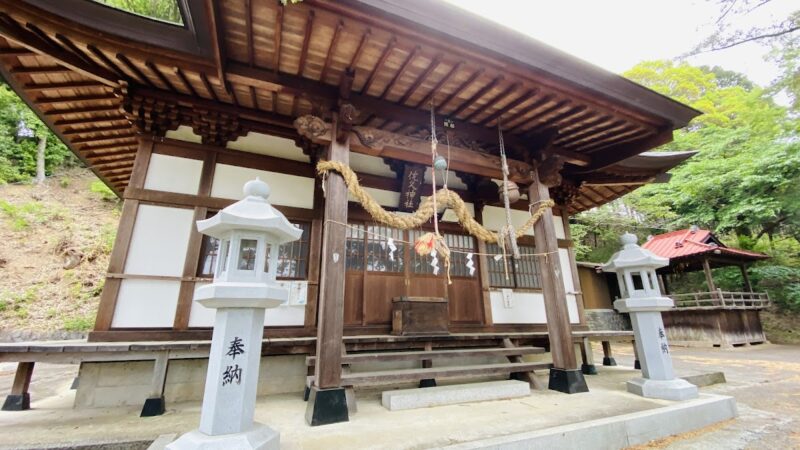
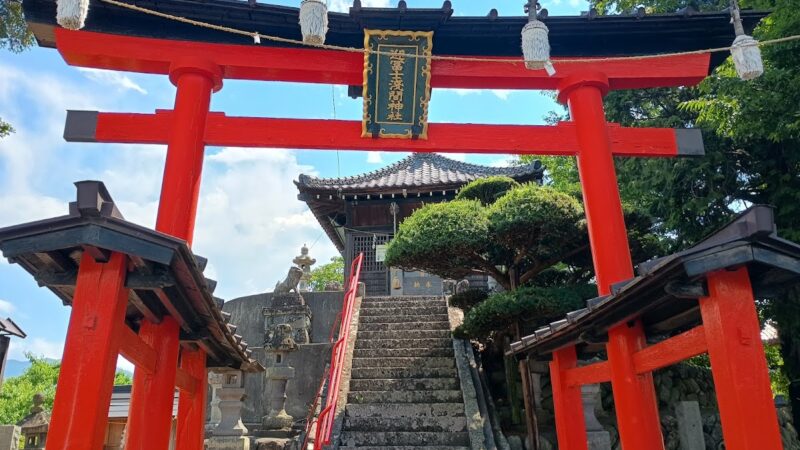
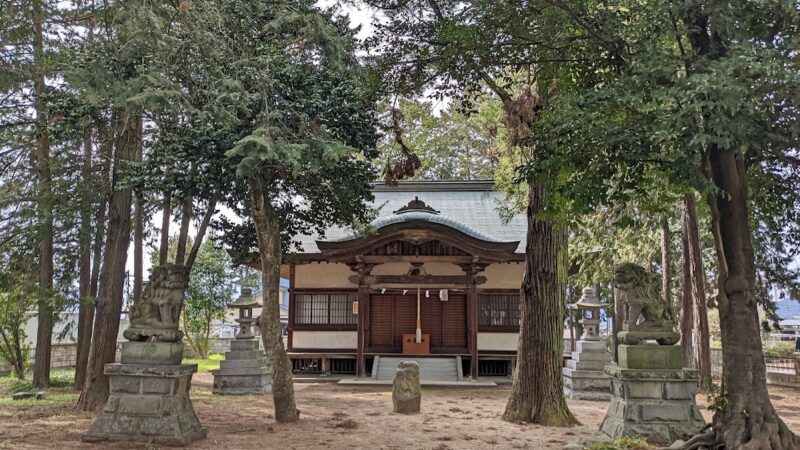
The shrine buildings of Mukai Fuji Sengen Shrine maintain the traditional style of shrine architecture. The main hall and worship hall are well-maintained and carefully managed by local residents.
The area surrounding the shrine is characterized by the unique natural environment of the foot of Mt. Fuji, allowing visitors to enjoy beautiful scenery throughout the seasons. The grounds are particularly beautifully colored during the fresh greenery of spring and the vibrant autumn foliage.
Views of Mt. Fuji
On clear days, the majestic figure of Mt. Fuji can be seen from the shrine grounds and surrounding area. The view of the shrine with Mt. Fuji in the background creates a solemn atmosphere befitting a sacred site of Mt. Fuji worship.
Stone Monuments and Memorials
Stone monuments and memorials donated by followers of the Fuji-ko (Fuji pilgrimage) can sometimes be found on the shrine grounds. These are valuable historical documents that tell the story of the history of Mount Fuji worship from the Edo period to the modern era.
Annual Events and Festivals
Various festivals are held throughout the year at Mukai Fuji Sengen Shrine.
Annual Grand Festival
The annual grand festival, held at a fixed time each year, is the most important festival for the shrine. Local people gather, and portable shrines and offering ceremonies are sometimes held.
New Year’s Visit
At the start of the new year, local residents and tourists visiting Fujiyoshida come for their first shrine visit of the year. The shrine is bustling with people praying for good health and safety for the year.
Setsubun Festival
During Setsubun in February, events such as bean-throwing are sometimes held. Worshippers visit to pray for protection from evil and good fortune.
Shichi-Go-San Festival
In November, Shichi-Go-San prayers are held, and families visit to pray for the healthy growth of their children.
Goshuin (Shrine Seal) Information
Issuance of Goshuin
While it is possible that Goshuin are issued at Mukai Fuji Sengen Shrine, smaller shrines may not always issue them. Those wishing to receive a Goshuin are advised to check in advance.
Larger shrines, such as the nearby Kitaguchi Hongu Fuji Sengen Shrine, definitely issue Goshuin, so visiting multiple shrines around Fujiyoshida is a good idea.
Goshuincho (Shrine Seal Book)
The number of visitors enjoying “Mt. Fuji Goshuin Pilgrimages,” visiting shrines related to Mt. Fuji worship, is increasing. Beautiful Goshuincho featuring Mt. Fuji motifs are also available at various Sengen shrines.
Manners and Etiquette for Visiting Shrines
Basic Visiting Etiquette
Please observe basic manners when visiting a shrine:
- Bow Before Passing Through the Torii Gate
As a sign of respect when entering the sacred area, bow before the torii gate before entering the grounds. 2. Walk along the edge of the approach to the shrine
The center of the approach is considered the path for the gods, so it is proper etiquette to walk along the edge.
- Purify yourself at the water basin
If there is a water basin, purify your left hand, then your right hand, and then your mouth.
- Two bows, two claps, one bow
In front of the main hall, bow twice, clap your hands twice, and finally bow once.
Attire for visiting
Unless you are receiving a special prayer, everyday clothing is acceptable for visiting, but please be mindful of the sacred nature of the place and wear clean clothing.
Access
Location
Mukaifuji Sengen Shrine is located in Fujiyoshida City, Yamanashi Prefecture. For the specific address, it is recommended to check the latest information.
Access by Train
Using the Fujikyu Railway Line
- The nearest stations are likely to be Fujisan Station, Tsukigaeji Station, or Shimoyoshida Station on the Fujikyu Railway Line.
- From the station, you can walk, take a taxi, or take a bus.
- Fujisan Station is the central station of Fujiyoshida City and has a tourist information center.
From the JR Chuo Main Line
- Transfer to the Fujikyu Railway Line at Otsuki Station.
- Approximately 2 hours from Tokyo.
Access by Car
Using the Chuo Expressway
- Exit at Kawaguchiko IC or Fujiyoshida IC.
- Head towards the city center from the IC.
- Enter the shrine name into your car navigation system, or use the area around Fujiyoshida City Hall as a landmark.
Using the Tomei Expressway
- Exit at Gotemba IC and head towards Yamanakako/Fujiyoshida on National Route 138.
- Approximately 30-40 minutes.
Parking
For small shrines, there may not be a dedicated parking lot. We recommend using nearby public parking lots or parking lots around Fujisan Station.
Access by Bus
There may be a city loop bus operating from Fujisan Station. For getting around Fujiyoshida City, regular buses and community buses are convenient.
Nearby Tourist Attractions
When visiting Mukai Fuji Sengen Shrine, we recommend visiting other tourist attractions in Fujiyoshida City as well.
Kitaguchi Hongu Fuji Sengen Shrine
This shrine is the starting point of the Mount Fuji North Entrance climbing route and is one of the components of the Mount Fuji World Cultural Heritage site. Highlights include a sacred tree over 1000 years old and a magnificent shrine building. If you visit Mukai Fuji Sengen Shrine, be sure to pay your respects here as well.
Mount Fuji World Heritage Center
This facility allows you to learn about the nature, history, and culture of Mount Fuji. There are also exhibits on Mount Fuji worship, and visiting before or after visiting the Sengen Shrines will deepen your understanding.
Arakurayama Sengen Park (Chureito Pagoda)
This scenic spot, where you can photograph Mount Fuji and the five-story pagoda together, attracts many tourists from both Japan and abroad. The scenery is especially beautiful during cherry blossom season.
Fuji-Q Highland
One of Japan’s leading amusement parks, famous for its thrilling rides. Ideal for families and groups.
Lake Kawaguchi
One of the Fuji Five Lakes, offering magnificent views of Mount Fuji from its shores. There are various ways to enjoy the lake, including sightseeing boats, art museums, and hot springs.
Yoshida Udon
Yoshida Udon, a local specialty of Fujiyoshida City, is characterized by its firm, chewy noodles. Many udon restaurants can be found in the city, allowing you to enjoy the local flavor.
Fujiyoshida Sengen Shrine Pilgrimage
In addition to the Mukai Fuji Sengen Shrine, several other Sengen Shrines are scattered throughout Fujiyoshida City. For those with ample time, a “Sengen Shrine Pilgrimage” visiting multiple shrines is highly recommended.
Komuro Sengen Shrine
This ancient shrine is said to have been built to appease the eruptions of Mount Fuji and is a component of the Mount Fuji World Cultural Heritage site.
Kawaguchi Sengen Shrine
This shrine, located on the shores of Lake Kawaguchi, is notable for its beautiful shrine buildings and ancient trees. It is also a component of the World Cultural Heritage site.
Deepening Understanding of Mount Fuji Worship
Mount Fuji and Sengen Worship
Mount Fuji has been revered as a sacred mountain since ancient times, and has been an object of worship for appeasing eruptions and praying for blessings. Sengen shrines have played a central role in this Mount Fuji worship.
The name “Sengen” is said to originate from “Asama,” meaning volcano, and is deeply connected to Mount Fuji’s volcanic activity.
The Culture of Fuji-ko
Fuji-ko, which spread among common people during the Edo period, was not merely mountain climbing, but a form of ascetic practice based on faith. The members, clad in white robes, ascended the mountain while chanting “Rokkon Shojo” (purification of the six senses).
The culture of the Fuji-ko (Fuji pilgrimage) continues to this day, and many traces of it remain in the shrines and climbing trails at the foot of Mount Fuji.
Mindset for Worship
When visiting a shrine, it is important to remember that it is a place of worship, not just a tourist attraction, and to visit with a reverent heart.
Quietly put your hands together and offer your prayers with gratitude and wishes. Shrines are also a spiritual center for the local people, so remember to be considerate of the local residents.
Summary
Mukaifuji Sengen Shrine is a valuable shrine that conveys the history of Mount Fuji worship. Located in Fujiyoshida City, the heart of the northern foothills of Mount Fuji, it has long attracted the faith of local people and Mount Fuji climbers.
It enshrines Konohanasakuya-hime no Mikoto and is believed to offer blessings for safe childbirth, matchmaking, and protection from fire. When visiting Fujiyoshida, why not also visit Mukai Fuji Sengen Shrine, along with other famous shrines such as Kitaguchi Hongu Fuji Sengen Shrine?
By praying while gazing upon the majestic figure of Mount Fuji, you can feel the awe that people have held towards Mount Fuji since ancient times. You can calm your mind in the tranquil grounds and spend a sacred time away from the hustle and bustle of everyday life.
The area surrounding the Mount Fuji World Cultural Heritage site is home to numerous historical and cultural sites. Through a visit to Mukai Fuji Sengen Shrine, you can experience traditional Japanese mountain worship and local history, and discover a deeper appreciation for the allure of Mount Fuji.