Achi Shrine (Achi Village, Shimoina District, Nagano Prefecture) Complete Guide
Achi Shrine, located in Achi Village, Shimoina District, Nagano Prefecture, is a representative ancient shrine of Achi Village, known for having the best starry sky in Japan. Situated in an ancient sacred site of Shinano Province, it has been deeply revered by the local people and continues to attract many visitors with its history and mystical atmosphere.
This article provides comprehensive information useful for visiting Achi Shrine, including its history, enshrined deities, blessings, goshuin (shrine stamp) information, access methods, and highlights within the shrine grounds.
Basic Information about Achi Shrine
Official Name: Achi Shrine (Achi Jinja)
Location: Chiri, Achi Village, Shimoina District, Nagano Prefecture
Shrine Rank: Former Village Shrine
Founding Date: Unknown (Established in ancient times)
Main Deity: Ame-no-Omoikane-no-Mikoto
Annual Festival Day: Third Sunday of September
Achi Shrine is located in the heart of Achi Village, famous for having the best starry sky in Japan, and has been revered as the guardian deity of the region since ancient times. Situated on a plateau approximately 800 meters above sea level, the shrine grounds, enveloped in pure air and tranquility, offer peace of mind to visitors.
History and Origins of Achi Shrine
A Place of Worship from Ancient Times
The founding date of Achi Shrine is unclear, but it is believed to have been established in the Achi area since ancient times. The place name Achi Village is said to have a deep connection to Ame-no-Omoikane-no-Mikoto, the deity enshrined at this shrine, and its connection to the ancient Achi clan has also been pointed out.
The Achi clan is known as a clan of immigrant origin and is said to have introduced techniques such as sericulture and weaving. The development of sericulture culture in this region and the faith of Achi Shrine are closely intertwined, and it has been revered as a guardian deity of industry.
Development from the Medieval to the Early Modern Period
In the medieval period, it received the patronage of the samurai groups and lords who ruled this region, and developed into a proper shrine. During the Sengoku period, it survived as a center of local faith despite being affected by the power struggles between the Takeda and Oda clans.
In the Edo period, it became part of the Iida Domain, receiving the reverence of the domain lord, and also enjoyed strong faith from the common people, bustling with worshippers praying for bountiful harvests and family safety.
History Since the Meiji Era
Following the Meiji-era decree separating Shinto and Buddhism, the shrine established its independence and was designated a local shrine. Since the Showa era, it has continued to welcome many worshippers as the local tutelary deity and a representative shrine of Achi Village.
In recent years, as Achi Village has become nationally known as having “Japan’s best starry sky,” the number of tourists visiting the shrine has also increased, playing an important role in both local culture and tourism.
Deities and Benefits
Main Deity: Ame-no-Omoikane-no-Mikoto
The main deity of Achi Shrine is Ame-no-Omoikane-no-Mikoto. In Japanese mythology, Ame-no-Omoikane-no-Mikoto is known as the god of wisdom and foresight, and is famous for devising a plan to open the cave when Amaterasu Omikami hid in it.
Ame-no-Omoikane-no-Mikoto is said to be the son of Takamimusubi-no-Kami and is also called Omoikane-no-Kami. As its name suggests, this deity is revered as the god of deep thought and wisdom, and is believed to bring blessings related to academic success, wisdom, and business prosperity.
Blessings of Achi Shrine
Achi Shrine is believed to offer the following blessings:
Academic Success and Passing Exams: Many worshippers visit the shrine to pray for academic success and passing exams, thanks to the divine virtues of Ame-no-Omoikane-no-Mikoto, the god of wisdom.
Business Prosperity: By receiving the blessing of thoughtful judgment, one can pray for success in business and ventures.
Good Fortune and Prosperity: Through sound judgment and wisdom, one can pray for good fortune in various aspects of life.
Abundant Harvest: Revered as a god of agriculture since ancient times, many local residents visit to pray for a bountiful harvest.
Family Safety: As the local guardian deity, it protects the health and safety of families.
Highlights of the Shrine Grounds
Shrine Buildings and Architecture
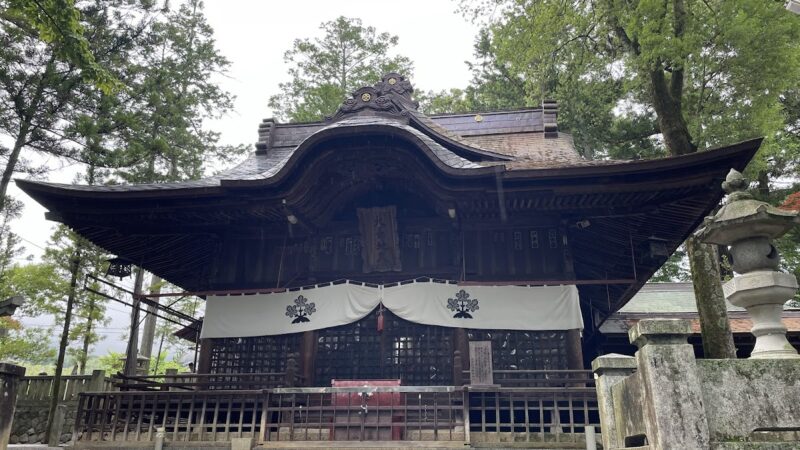
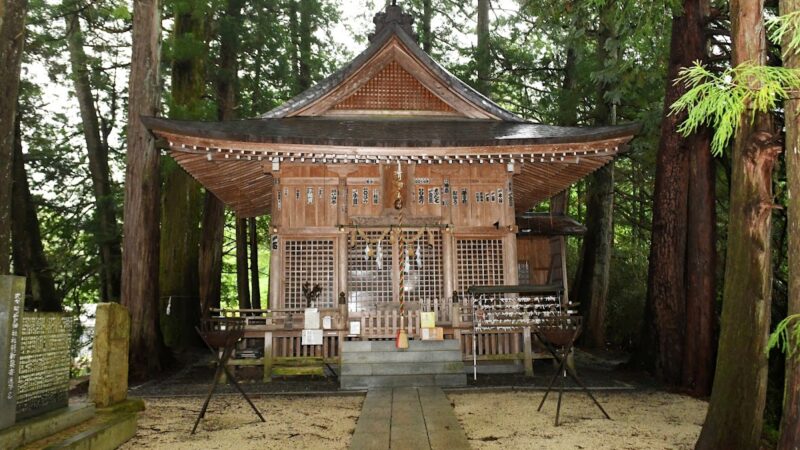
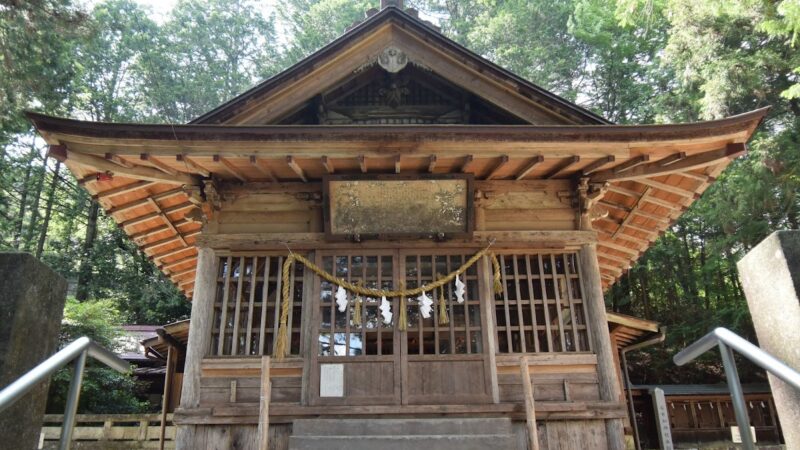
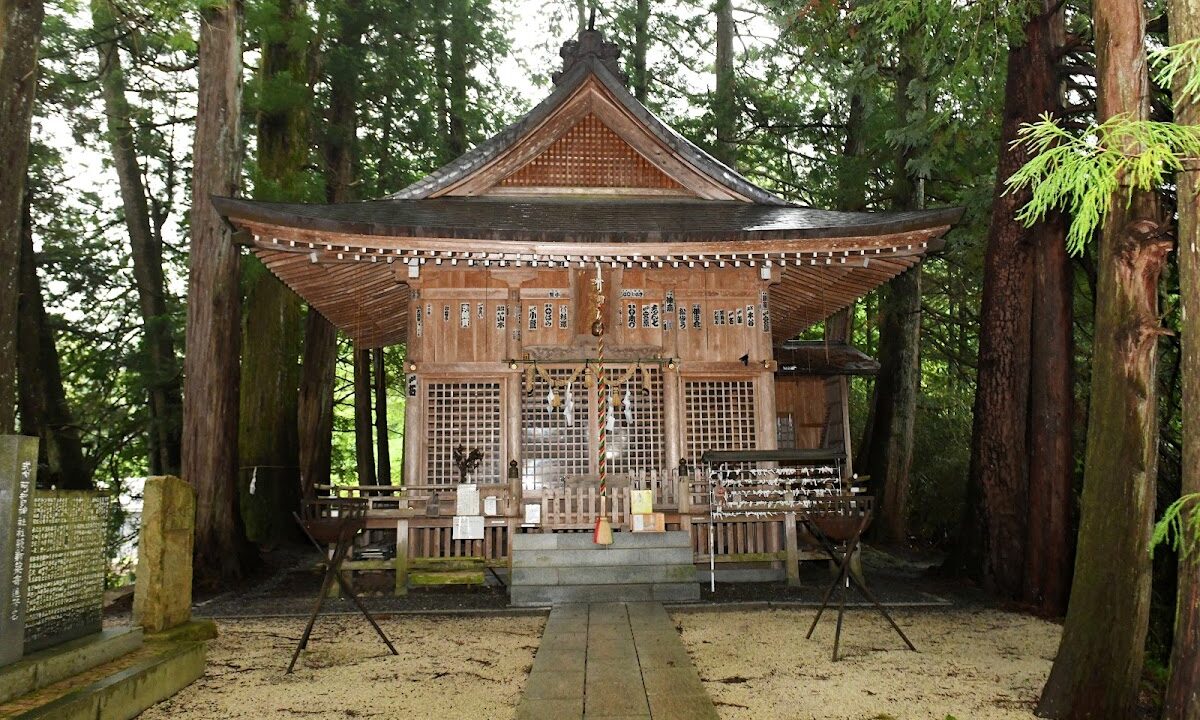
The shrine buildings of Achi Shrine are built to blend seamlessly into the tranquil mountain environment. The main hall retains the architectural style of the late Edo period, preserving the traditional architectural techniques of the region.
The worship hall has a warm and welcoming atmosphere for visitors, characterized by its simple, rustic beauty as a wooden structure. Ancient trees stand around the shrine, creating a sacred atmosphere.
Sacred Trees and Nature
Within the shrine grounds are sacred trees such as cedars and zelkova trees estimated to be several hundred years old, quietly watching over a long history. These ancient trees further enhance the sacred atmosphere of the shrine.
Especially from spring to early summer, the greenery of the grounds is beautiful, and in autumn, the autumn leaves color the grounds. Enjoying the changing seasons and nature is one of the charms of Achi Shrine.
Stone Steps and Approach
The approach to Achi Shrine is a charming path lined with stone steps. As you ascend each step, you can calm your mind and prepare yourself for worship. Stone lanterns line the path, giving it the feel of an ancient shrine.
Goshuin (Shrine Seal) Information
About the Issuance of Goshuin
Achi Shrine offers goshuin to worshippers. Goshuin are popular among many worshippers as proof of their visit and as a tangible memento of their connection with the deities.
Goshuin Reception Hours: During the shrine office’s opening hours (usually 9:00 AM to 4:00 PM)
Offering Fee: Usually around 300-500 yen
*Please note that the issuance of goshuin may not be possible due to shrine events or the schedules of the Shinto priests. If you definitely wish to receive a goshuin, it is recommended that you inquire with the shrine in advance.
About Goshuincho (Shrine Seal Books)
Achi Shrine may also have its own original goshuincho. Goshuincho with designs reflecting local characteristics are popular as souvenirs of your visit.
When receiving a Goshuin (temple/shrine stamp), it is customary to speak to the shrine office after completing your prayers. Remember that a Goshuin is not merely a stamp rally, but a token of respect and gratitude to the deities.
Access Methods
Access by Car
Achi Shrine is most easily accessible by car.
From Iida-Yamamoto IC on the Chuo Expressway:
- Travel time: Approximately 25 minutes
- Take National Route 153 towards Achi Village
From Sonohara IC on the Chuo Expressway:
- Travel time: Approximately 15 minutes
- This is the interchange closer to Achi Village
Parking: There is parking space around the shrine, but spaces are limited, so caution is advised during peak seasons.
Access by Public Transportation
From JR Iida Line “Iida Station”:
- Take the Shinnan Kotsu bus bound for “Hirugami Onsen” or “Achi Village”
- Get off at the “Achi Village Office” or “Chisato” bus stop, then walk for approximately 10-15 minutes
- Since the number of buses is limited, it is recommended to check the timetable in advance.
Using Highway Buses:
- Highway buses also operate from Shinjuku and Nagoya to Achi Village.
- Get off at the “Hirugami Onsen” bus stop and travel by taxi or local bus.
Combining with Nearby Sightseeing
Achi Shrine is easily accessible from major tourist spots in Achi Village.
- Hirugami Onsen: Approximately 10 minutes by car
- Heavens Sonohara (Star Village Achi): Approximately 15 minutes by car
- Tsukikawa Onsen: Approximately 5 minutes by car
Visiting the shrine in conjunction with enjoying Japan’s best stargazing or hot springs is highly recommended.
Annual Events and Festivals
Grand Festival
The Grand Festival of Achi Shrine is held every year on the third Sunday of September. Local people gather for a procession of portable shrines and devotional performances, making it the most lively day of the year.
In addition to traditional Shinto rituals, events showcasing local culture are also held, providing a valuable opportunity to experience the history and traditions of Achi Village.
New Year’s Visit
At the start of the new year, many worshippers, mainly local residents, visit the shrine for their first shrine visit of the year. It is bustling with people praying for safety throughout the year, family well-being, and business prosperity.
From New Year’s Day to the third day, there are sometimes offerings such as free amazake (sweet rice wine).
Other Annual Events
- Spring Festival: Celebrating the arrival of spring and praying for a bountiful harvest.
- Summer Purification Ceremony: A Shinto ritual held at the end of June to purify oneself of the impurities accumulated over the past six months.
- Autumn Festival: A festival expressing gratitude for the harvest.
- Year-End Purification Ceremony: A Shinto ritual held at the end of December to purify oneself of the impurities accumulated over the past year.
Manners and Etiquette for Visiting a Shrine
Basic Etiquette for Visiting a Shrine
There are basic manners to observe when visiting a shrine. Please keep the following points in mind when visiting.
Bow Before Passing Through the Torii Gate:
The torii gate is the entrance to the sacred area. Bow before entering the shrine grounds.
Purifying yourself at the water basin:
- Take the ladle with your right hand and purify your left hand.
- Switch the ladle to your left hand and purify your right hand.
- Switch the ladle back to your right hand, receive water in your left hand, and rinse your mouth.
- Purify your left hand once more.
- Hold the ladle upright, purify the handle, and return it to its original place.
Worship at the main hall:
- Quietly place your offering in the offering box.
- If there is a bell, ring it.
- Perform two bows, two claps, and one bow (bowing deeply twice, clapping twice, bowing deeply once).
Clothing and belongings for worship
While no special attire is required for visiting a shrine, please dress in clean clothing that is respectful to the gods.
- Avoid revealing clothing.
- Remove hats and sunglasses in front of the main hall.
- Comfortable walking shoes are recommended as the shrine is located in a mountainous area.
- Take appropriate precautions against cold and heat depending on the season.
Regarding Photography
Photography is generally permitted on the shrine grounds, but please note the following:
- Strictly respect any areas where photography is prohibited, such as inside the main hall.
- Be considerate of other worshippers.
- Refrain from taking photographs during religious ceremonies.
- Avoid using flash photography.
Achi Village and Stargazing Tourism
Japan’s Best Stargazing Village
Achi Village is known for being ranked No. 1 as the “place where stars shine brightest” in the nationwide continuous stargazing observation conducted by the Ministry of the Environment. Due to its high altitude and lack of large light sources in the surrounding area, it is an excellent location for viewing a sky full of stars.
After visiting Achi Shrine, you can enjoy the beautiful starry sky at night with tours such as the “Heavenly Paradise: Japan’s Best Stargazing Night Tour.”
The Mysterious Relationship Between Shrines and the Starry Sky
Since ancient times, shrines have been considered places that connect heaven and earth. By visiting Achi Shrine and gazing at the countless stars shining in the night sky above Achi Village, you can feel the mystery of the universe and the divine blessings of the gods more deeply.
Achi Shrine, where Ame-no-Omoikane-no-Mikoto, the god of wisdom, is enshrined, and the starry sky that evokes the mystery of the universe, offer visitors a profound spiritual experience.
Nearby Tourist Attractions
Hirugami Onsen
Located about 10 minutes by car from Achi Shrine, Hirugami Onsen is a representative hot spring resort in Southern Shinshu. Known for its alkaline simple sulfur spring water, which is said to be good for the skin, it also boasts excellent day-trip bathing facilities.
Relaxing in the hot springs after visiting the shrine is a recommended plan.
Heavens Sonohara (Star Village Achi)
This is the venue for the “Heavenly Paradise: Japan’s Best Starry Sky Night Tour,” where you can enjoy stargazing from an altitude of 1,400 meters. Take the gondola to the mountaintop and enjoy a 360-degree panoramic view of the starry sky.
From spring to autumn, the ropeway operates during the daytime, allowing you to enjoy walks around the plateau and the spectacular scenery.
Historical and Cultural Facilities of Achi Village
- Achi Village Historical and Folk Museum: A facility where you can learn about the history and culture of the region.
- Old Houses in Chiri-Nishi District: An area where traditional rural landscapes remain.
- Seinaiji Pass: A historical mountain pass that retains traces of the former Nakasendo Road.
Recommended Plans for Visiting Achi Shrine
Day Trip Plan
Morning:
- Travel from Iida IC to Achi Village
- Visit Achi Shrine (Duration: 30 minutes to 1 hour)
- Explore the surrounding area
Lunch:
- Enjoy local cuisine at a restaurant in Achi Village
- Local dishes such as Shinshu soba and Goheimochi are recommended.
Afternoon:
- Day trip to Hirugami Onsen for a hot spring bath
- Or, enjoy a highland stroll at Heavens Sonohara.
1-Night, 2-Day Plan
Day 1:
- Arrive in Achi Village in the afternoon
- Visit Achi Shrine
- Check into your accommodation in Hirugami Onsen
- After dinner, participate in a stargazing night tour
Day 2:
- Visit Achi Shrine again in the refreshing morning air
- Explore nearby tourist spots
- After lunch, head home
Seasonal Recommendations
Spring (March-May):
- A beautiful season of fresh greenery
- Relatively few tourists, allowing for a peaceful visit
Summer (June-August):
- Best season for stargazing
- Enjoy the cool climate of the highlands
Autumn (September-November):
- A season of beautiful autumn foliage
- The annual festival is held in September
Winter (December-February):
- The clear air makes the starry sky especially beautiful
- Visiting amidst a snowy landscape is also charming
- Be careful of icy roads in winter
Summary of Achi Shrine’s Charms
Achi Shrine is a historic shrine located in Achi Village, known for having the best starry sky in Japan. This shrine, dedicated to Ame-no-Omoikane-no-Mikoto, the god of wisdom, attracts many worshippers seeking blessings for academic success, business prosperity, and more.
Nestled in a tranquil mountain setting, the shrine grounds offer the beauty of nature throughout the seasons, providing peace of mind to visitors. You can also receive a Goshuin (shrine stamp), a memorable memento of your visit.
While access is most convenient by car, it is also accessible by public transport. The surrounding area boasts many attractive tourist spots, such as Hirugami Onsen and Heavens Sonohara, allowing you to fully enjoy a trip to southern Shinshu in conjunction with your shrine visit.
In particular, the unique experience of gazing at Japan’s best starry sky at night in Achi Village will make your visit to Achi Shrine even more special. Cleansing your mind at the shrine and contemplating the mysteries of the universe at night—such a spiritually enriching experience is a major attraction of Achi Shrine and Achi Village.
Please do visit the sacred Achi Shrine, nestled amidst the mountains of Shinshu. The blessings of the god of wisdom and a sky full of stars await you.