About Amanawa Shinmei-gu Shrine
Amanawa Shinmei-gu Shrine is a Shinto shrine located in Hase, Kamakura City, Kanagawa Prefecture. Founded in 710 AD (Wado 3), it is known as the oldest shrine in Kamakura.
The enshrined deity is Amaterasu Omikami, and the shrine is associated with the Minamoto clan. Many worshippers visit the shrine as a deity of matchmaking, safe childbirth, and child-rearing.
History and Origins
Origin of Founding
According to shrine tradition, it was founded in 710 AD (Wado 3) by Someya Tarōdayū Tokitada after receiving a divine oracle. Founded during the Nara period, it existed approximately 480 years before the establishment of the Kamakura Shogunate.
Deep Connections with the Minamoto Clan
- Minamoto no Yoriyoshi: It is said that during the Former Nine Years’ War (1051-1062), he prayed for victory at this site and achieved a resounding victory.
- Minamoto no Yoshiie: Yoriyoshi’s son, Hachiman Taro Yoshiie, is said to have been born near this shrine in 1063, and the “Well Where Minamoto no Yoshiie Was Given His First Bath” remains on the shrine grounds.
- Hojo Masako: There are records indicating that Hojo Masako, the wife of Minamoto no Yoritomo, the first shogun of the Kamakura shogunate, also visited to pray for a safe delivery.
Connections with Kawabata Yasunari
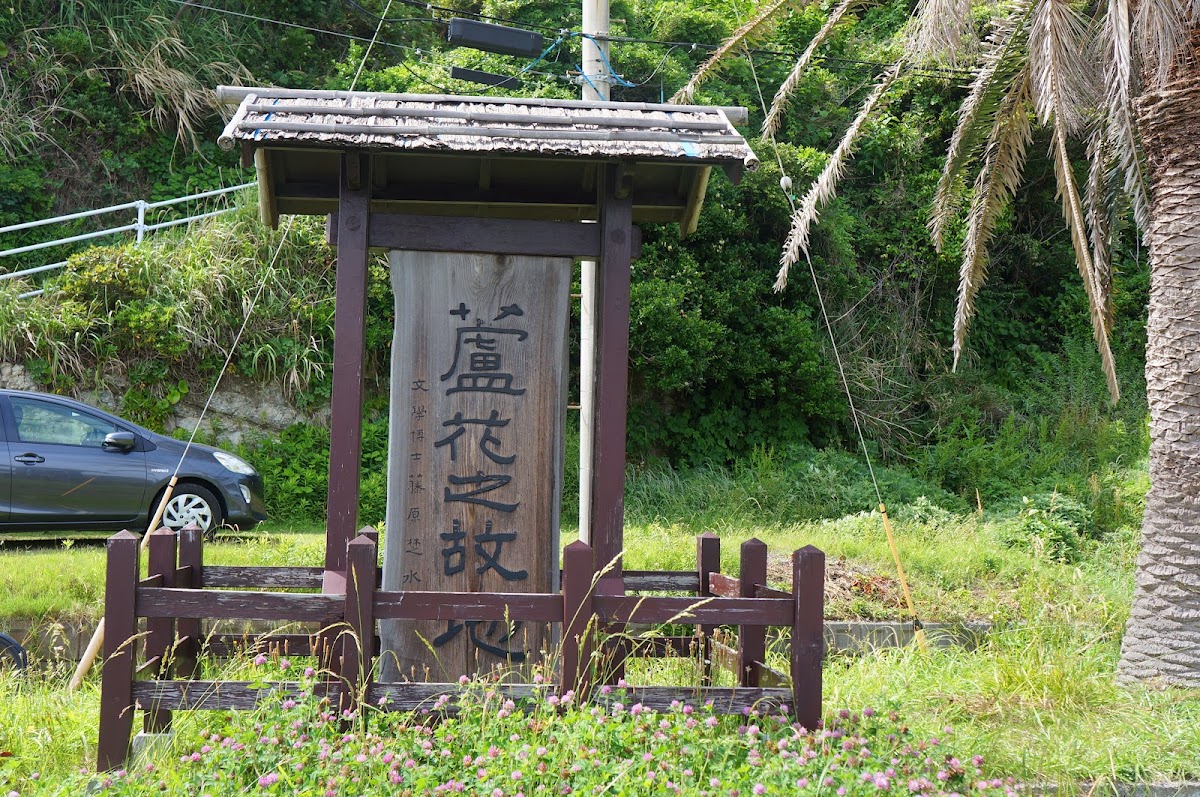
Adjacent to the shrine grounds is the site of the residence where Nobel Prize-winning author Kawabata Yasunari spent his later years. Kawabata loved this peaceful environment and wrote many of his works here. Currently, a stone monument of the “Kawabata Yasunari Memorial Association” stands there.
Benefits and Deities
Main Deity
Amaterasu Omikami is enshrined as the main deity. She is the supreme deity in Japanese mythology and the personification of the sun.
Main Benefits
- Matchmaking: For those seeking a good partner.
- Safe Childbirth: A blessing for safe childbirth, said to have been prayed for by Hojo Masako.
- Child Rearing and Conception: Faith as the birthplace of Minamoto no Yoshiie.
- Family Safety: Wishing for the prosperity of the family.
- Good Fortune and Prosperity: Related to Minamoto no Yoriyoshi’s prayer for victory in battle.
Many female visitors, especially pregnant women and families with young children, come to pray for safe childbirth and for their baby’s first shrine visit.
Highlights of the Shrine Grounds
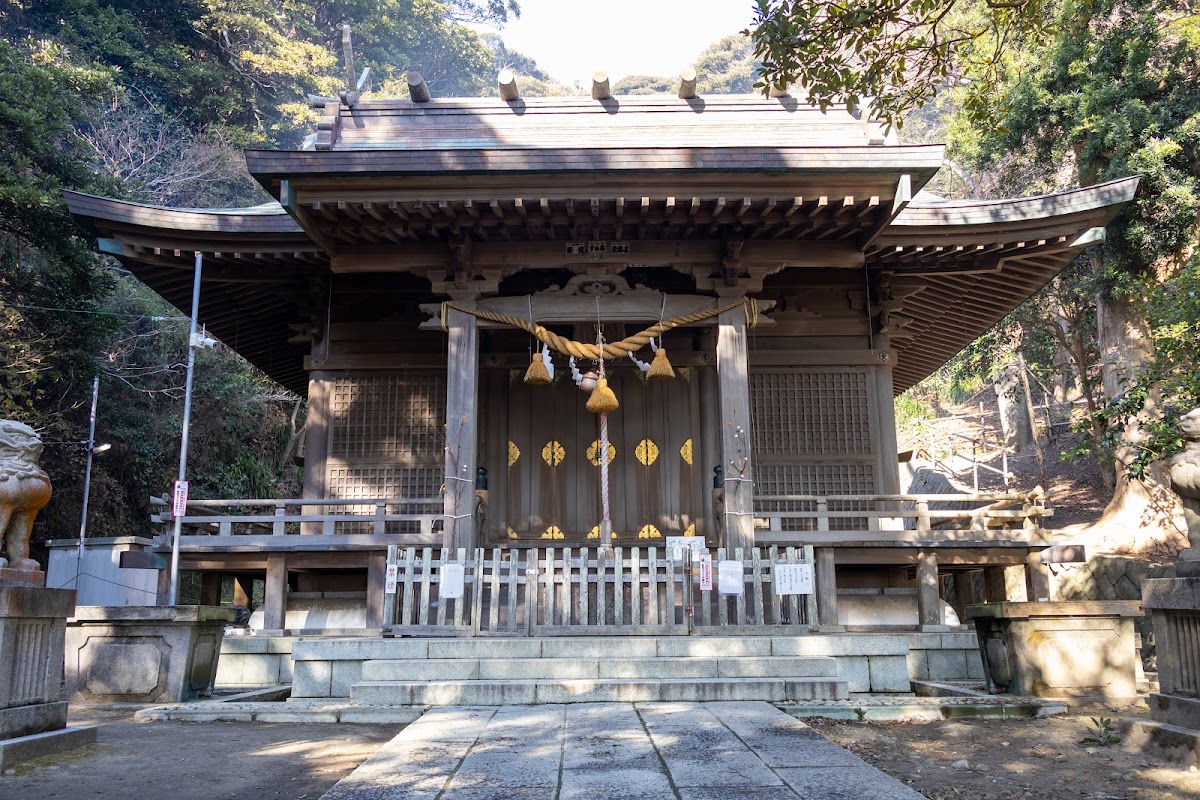
Main Hall
Located on a hill, the main hall, though small, possesses a solemn atmosphere. In this tranquil space surrounded by trees, you can forget the hustle and bustle of the city.
The Well of Minamoto no Yoshiie’s First Bath
Within the temple grounds, there is a well said to have been used for Minamoto no Yoshiie’s first bath. This well, with a history of over 800 years, still holds clear water and is preserved as a valuable historical site associated with the Minamoto clan.
The Stone Steps and Atmosphere of the Temple Grounds
Climbing the stone steps from the residential area of Hase, you enter a world of tranquility. The temple grounds are not large, but they are a clean and well-maintained space where you can feel the beauty of nature throughout the seasons.
Points to Note When Visiting a Shrine
Etiquette for Visiting a Shrine
- Bow Before Passing Through the Torii Gate: Bow lightly before entering the shrine grounds.
- Purify at the Water Basin: Purify in the following order: left hand → right hand → mouth → hilt of left hand.
- Worship at the Main Shrine: Follow the etiquette of two bows, two claps, and one bow.
- Quietly Explore the Shrine Grounds: Visit historical sites such as the well where the baby’s first bath was taken.
Recommended Time to Visit
- Early Morning (8:00-9:00): Fewer visitors, allowing for a peaceful visit. Visiting the shrine in the refreshing morning air is exceptional.
- Weekday mornings: Less crowded than weekends, allowing for a more relaxed visit.
- Evening (16:00-17:00): The shrine grounds bathed in the setting sun create a magical atmosphere.
Points to Note When Visiting
- The shrine grounds are located in a residential area, and the stone steps are steep, so comfortable shoes are recommended.
- There is no parking lot, so using public transportation is convenient.
- The shrine office is open irregularly, so prior confirmation is necessary if you wish to receive a Goshuin (shrine stamp).
- As it is located in a quiet residential area, please refrain from loud conversations.
Recommended Visiting Route Combining the Shrine with Nearby Attractions
Amanawa Shinmei Shrine is located in the Hase area, and the following attractions are recommended for a combined visit:
- Hase-dera Temple (5-minute walk): An ancient temple famous for its Eleven-faced Kannon statue.
- Kōsoku-ji Temple (3-minute walk): Known as a temple of flowers.
- Kotoku-in Temple (Kamakura Great Buddha) (10-minute walk): A symbol of Kamakura
- Goryo Shrine (7-minute walk): A photo spot featuring the Enoden train and torii gate
Access Information
Access by Train
5-minute walk from Hase Station on the Enoshima Electric Railway (Enoden)
- Exit Hase Station and turn right (towards Kamakura)
- Turn left at the intersection in front of Hase Kannon
- Proceed along the narrow residential street and turn right following the signs
- Climb the stone steps to reach the shrine
Access by Bus
- From JR Kamakura Station East Exit, take the Enoden bus and get off at “Hase Kannon,” then a 5-minute walk
- Using the Enoden train from Kamakura Station is convenient
Access by Car
- Approximately 30 minutes from the Asahina IC on the Yokohama-Yokosuka Expressway
- No parking available: Use nearby coin parking (several available around Hase Station)
- During weekends and tourist seasons, roads become congested, so we strongly recommend using public transportation.
Address and Basic Information
- Address: 1-12-1 Hase, Kamakura City, Kanagawa Prefecture 248-0016
- Phone: 0467-22-3347
- Visiting Hours: Grounds are open freely (Shrine office is open irregularly)
- Admission Fee: Free
- Official Website: None (Information can be found on the Kamakura City Tourism Association website)
Annual Events
Main Festivals
- Annual Grand Festival: Held every September. A traditional festival by local parishioners.
- New Year’s Visit: The first three days of the year are bustling with local worshippers.
- Shichi-Go-San (7-5-3 Festival): Visits by families increase in October-November.
Summary
Amanawa Shinmei Shrine is a quiet shrine with the oldest history in Kamakura, yet it remains unspoiled by tourism. As a place associated with the Minamoto clan and as a shrine dedicated to the gods of safe childbirth and child-rearing, it has been cherished by the local people for generations.
Please be sure to visit it along with your sightseeing in Hase. The tranquil space that unfolds at the top of the stone steps will make you feel the weight of over 1300 years of history.