Arai-ni-imasu Shrine (Fukuoka Prefecture) Complete Guide | History, Deities, Blessings, and Access Information
About Arai-ni-imasu Shrine
Arai-ni-imasu Shrine is a historic shrine located in Fukuoka Prefecture. It has long been cherished and revered by the local community, and continues to attract many worshippers.
The character “坐” (imasu) means “to reside” or “to be present.” This is a highly formal expression indicating the presence of a deity in a particular place, and has been used for important shrines since ancient times.
Arai-ni-imasu Shrine has been deeply intertwined with the local community throughout its long history, serving as a guardian deity of the region and a spiritual anchor for its people.
History of Arai-ni-imasu Shrine
Origin of Founding
While the exact founding date of Arai-ni-imasu Shrine is unclear due to limited historical records, local traditions suggest it was founded sometime between ancient and medieval times.
The place name “Arai” suggests that the area has been related to water management since ancient times, and it is presumed that the founding of the shrine was deeply connected to the region’s water sources and agriculture.
Historical Changes
The shrine has undergone various changes over time. During the Sengoku period (Warring States period), it received the patronage of local warlords, and during the Edo period, it was established as the local tutelary shrine. Even during the Meiji era’s reform of the shrine system, it was positioned as an important local shrine, and remains so to this day.
Since the modern era, the shrine has been supported by the deep faith of local residents, and the shrine buildings have been repaired and the grounds maintained.
Deities and Divine Virtues
Main Deity
The deities enshrined at Arai-ni-imasu Shrine are passed down through local traditions and the shrine’s history. Like many local shrines, it is believed that a deity protecting the region is enshrined there.
Benefits and Divine Virtues
Arai-ni-imasu Shrine is believed to offer the following benefits:
- Abundant Harvest: Prayers for agricultural development and bountiful harvests
- Family Safety: Protection of family health and safety
- Regional Peace and Security: Peace and prosperity for the entire region
- Exorcism: Purification and warding off of misfortune
- Business Prosperity: Development and success of businesses
As the guardian deity of the region, this shrine accepts various wishes.
Highlights of the Shrine Grounds
Main Hall and Worship Hall
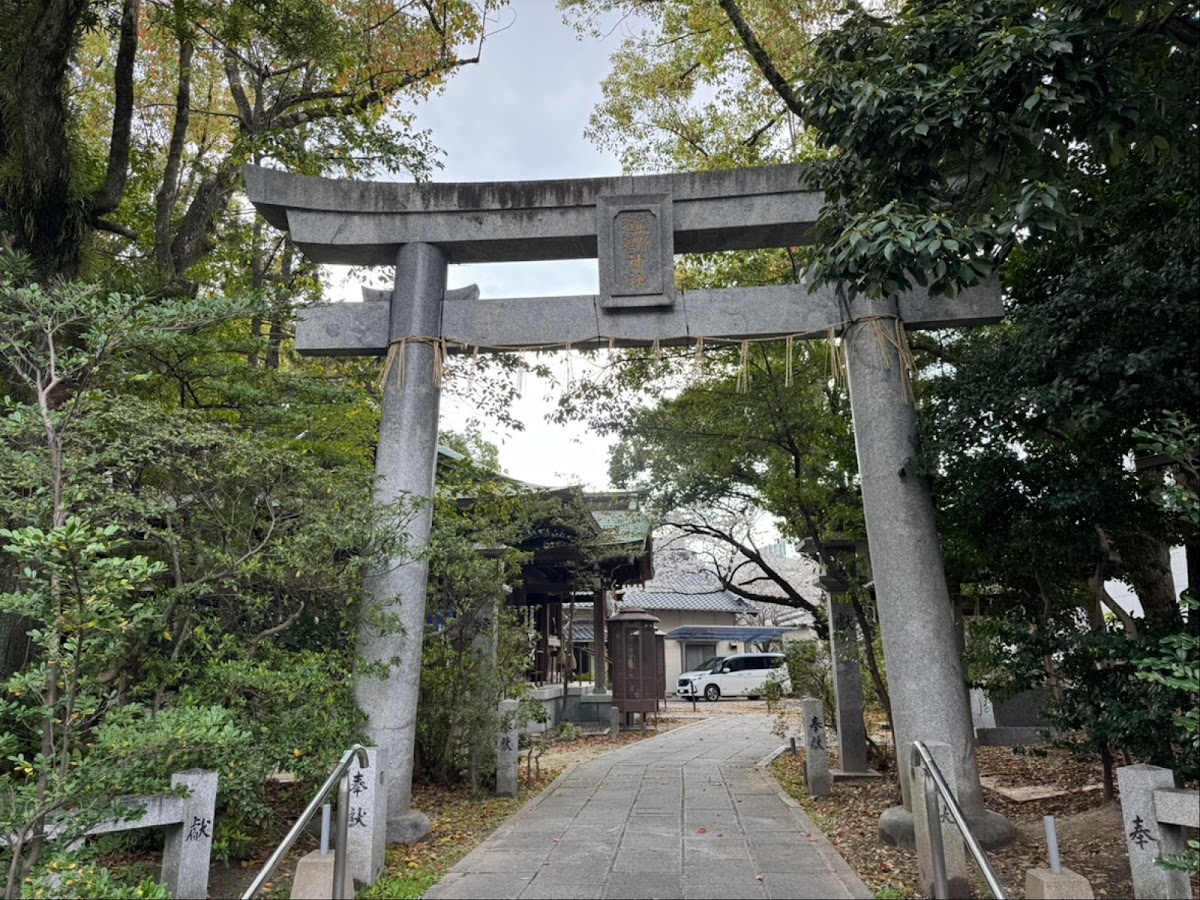
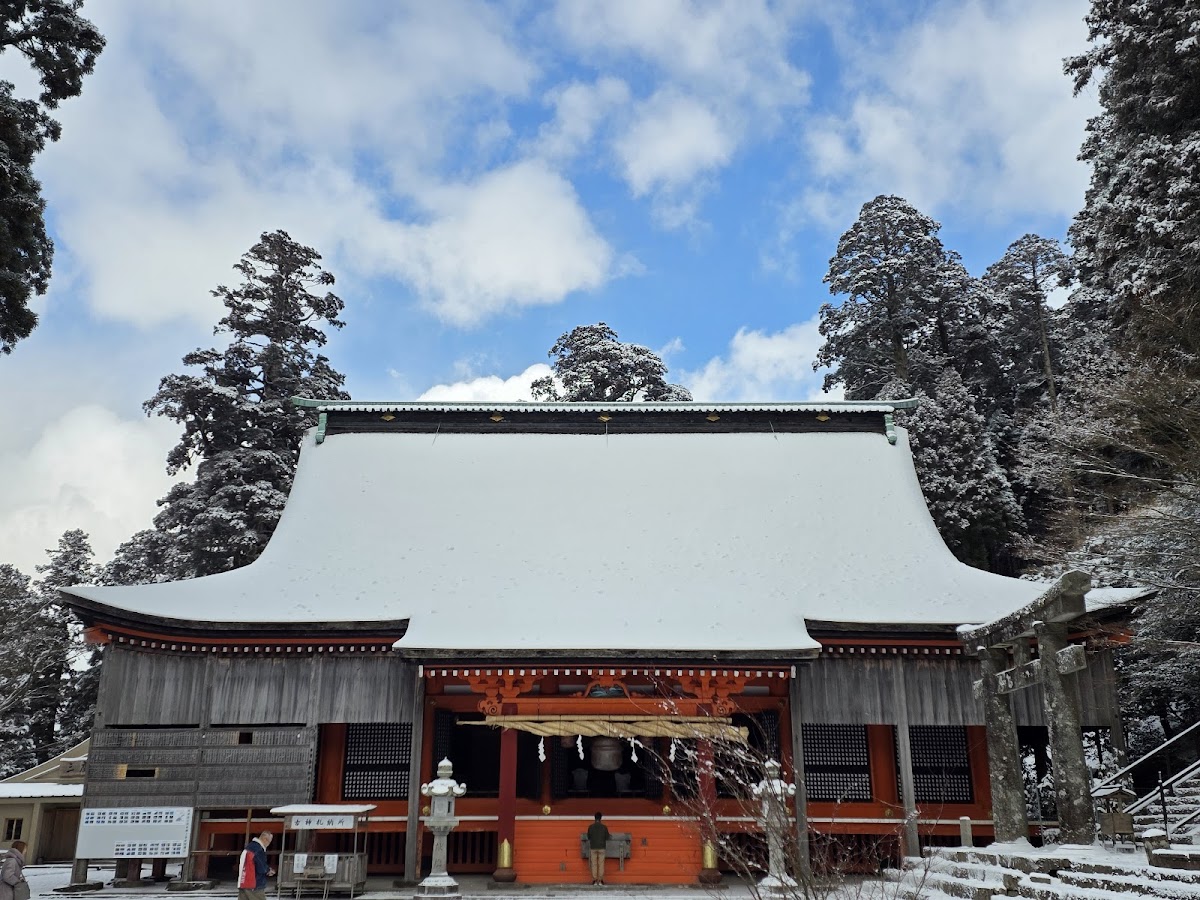
The main hall and worship hall of Arai-ni-imasu Shrine exhibit characteristics of traditional shrine architecture in the region. The worship hall, which welcomes worshippers, exudes a solemn atmosphere, allowing for quiet prayer.
Subsidiary Shrines
In addition to the main hall, there may be several subsidiary shrines within the grounds. These small shrines also have a history of attracting local faith.
Sacred Trees and Nature
The shrine grounds are home to many ancient trees, creating a sacred atmosphere. These sacred trees can be considered living witnesses to the history of the shrine.
The nature within the grounds, which displays different expressions with each season, provides peace and tranquility to visitors.
Annual Festivals and Events
Grand Festival
At Arai-ni-imasu Shrine, the Grand Festival is held once a year. This is the most important festival for the shrine, where local people gather to express gratitude to the gods and pray for the prosperity of the community.
On the day of the festival, Shinto rituals are solemnly performed, and sometimes a procession of portable shrines and offering ceremonies are also held.
New Year’s Events
At the start of the new year, worshippers visit for their first shrine visit of the year, praying for safety and happiness throughout the year. New Year’s rituals, including the New Year’s Day Festival, are performed.
Other Annual Events
- Setsubun Festival: A festival held on the day before the beginning of spring to ward off evil spirits.
- Summer Purification Ceremony: A festival held at the end of June to purify oneself of the impurities accumulated over the past six months.
- Autumn Harvest Festival: A festival to give thanks for the harvest.
- Year-End Purification Ceremony: A festival held at the end of December to purify oneself of the impurities accumulated over the past year.
These events are carefully preserved as local traditions.
Etiquette and Manners for Visiting a Shrine
Basic Method of Visiting a Shrine
The following steps are followed when visiting a shrine:
- Passing through the Torii Gate: Bow before entering the shrine grounds.
- Purifying at the Water Basin: Purify your left hand, right hand, and mouth in that order.
- Proceeding to the Main Hall: Proceed quietly.
- Offering a Coin: Carefully place your coin in the offering box.
- Two Bows, Two Claps, One Bow: This is the basic method of worship.
- Expressing Gratitude: Express gratitude in addition to making a wish.
Mindset When Visiting a Shrine
A shrine is a sacred place. Please note the following:
- Visit quietly and with reverence.
- Do not speak loudly on the shrine grounds.
- Take your trash with you.
- Take photographs only in designated areas.
- Do not touch sacred trees or buildings.
Access Information
Location
Arai-za Shrine is located in Fukuoka Prefecture. We recommend confirming the specific address in advance.
Transportation Access
If using public transportation:
You can access the shrine by bus or taxi from the nearest station. Depending on the area, walking may also be possible.
If coming by car:
Depending on the size of the shrine, parking may be available. During major festivals and other events, congestion is expected, so we recommend using public transportation.
Visiting Hours
The shrine grounds are generally open for worship during the day. However, the reception hours for the shrine office and the hours for receiving Goshuin (shrine stamps) may be limited, so we recommend checking in advance.
Goshuin (Shrine Seals) and Other Items
Goshuin
Arai-za Shrine may offer Goshuin. Goshuin are cherished as proof of worship and as a way to forge a connection with the deities.
When requesting a Goshuin, please note the following:
- Complete your prayers first.
- Prepare your Goshuincho (stamp book).
- Check the shrine office’s opening hours.
- Request politely.
Amulets and Other Items
Shrines often offer various amulets and other items:
- Traffic Safety Amulet: Praying for safe driving.
- Health Amulet: Praying for good health and longevity.
- Academic Success Amulet: Praying for academic achievement.
- Family Safety Amulet: Praying for family happiness.
- Exorcism Amulet: Warding off misfortune.
These items are meant to help you feel the blessings of the deities close at hand.
Connection with the Community
Role as a Local Guardian Deity
Arai-ni-imasu Shrine has long been revered by local residents as the local guardian deity. A local guardian deity is a god who protects the people living in a particular area, forming the core of the community’s identity.
Collaboration with Local Events
Shrines are deeply connected to various local events. Festivals are important opportunities for the community to gather and serve as a place for intergenerational exchange.
Cultural Transmission
Festivals and events centered around the shrine play an important role in passing on the region’s traditional culture to the next generation. Children’s participation in festivals fosters a sense of attachment to the community and an understanding of tradition.
Nearby Attractions
Nearby Shrines and Temples
Fukuoka Prefecture has many historical shrines and temples. When visiting Arai-ni-imasu Shrine, we recommend visiting the surrounding temples and shrines as well.
Local Tourist Spots
The area surrounding the shrine may offer unique local tourist spots and natural landscapes. Discover the charm of the region along with your visit to the shrine.
Local Cuisine
Fukuoka Prefecture is known for its rich food culture. After visiting the shrine, enjoying local specialty dishes and products is one of the pleasures of traveling.
Visitor Voices
Local Faith
For local residents, Arai-za Shrine is a spiritual home they have cherished since childhood. Many visit the shrine at significant life events such as their child’s first shrine visit, Shichi-Go-San (a traditional rite of passage for children), and exorcisms, feeling as if they have been watched over by the gods.
Visitor Impressions
First-time visitors often describe the shrine as having a “quiet and peaceful atmosphere” and a “warm, community-oriented feel.” It possesses a unique charm that differs from large-scale tourist shrines.
The Significance of Shrine Visits
Purification of the Soul
Visiting a shrine and quietly offering prayers provides a precious time to escape the hustle and bustle of everyday life and calm the mind. In the pure air of the shrine grounds, one can reflect on oneself.
A Heart of Gratitude
Visiting a shrine is not just about making wishes; it’s also an opportunity to express gratitude for the blessings we receive every day. It’s a chance to realize how grateful we should be for things we take for granted, such as good health, family, and work.
Connection with the Community
Visiting a local shrine is also about experiencing the history and culture of the area. Through the shrine, we can deepen our understanding of the community and feel a sense of connection.
Seasonal Charms of Visiting a Shrine
Spring Visits
Spring is a beautiful season when the trees in the shrine grounds bud, and the fresh greenery is stunning. Many people visit the shrine at the start of the new fiscal year, with renewed determination. If the shrine has cherry blossoms, you can enjoy a visit that also includes cherry blossom viewing.
Summer Visits
In summer, the shrine grounds offer cool shade, making it a place to escape the heat. If a summer festival is held, you can enjoy the lively atmosphere.
Autumn Visits
Autumn is the harvest season, a time to offer gratitude for the bounty. In the shrine grounds, beautiful with autumn foliage, you can pray while feeling the changing seasons.
Winter Visits
Visiting the shrine in the tranquil atmosphere of winter is especially calming. During the New Year’s holiday, it is bustling with many visitors, and an atmosphere filled with hope for the new year permeates the air.
A Respect for the Shrine
Understanding Maintenance
Maintaining a shrine requires considerable effort and expense. The shrine is protected by the efforts of local residents and parishioners. As visitors, we can show respect for these efforts and support them through offerings and gifts.
Passing on to the Next Generation
Passing on the cultural heritage of the shrine to future generations is our responsibility. It is important to take children to the shrine and teach them the proper etiquette of worship and the significance of the shrine.
Environmental Preservation
The shrine grounds are also a valuable green space for the community. Preserving the natural environment and keeping it clean is the responsibility of all visitors.
The Future of Arai-ni-imasu Shrine
Preserving Tradition and Modernizing
Arai-ni-imasu Shrine needs to respond to the needs of modern society while preserving its long-standing traditions. New initiatives such as enhanced information dissemination and outreach to younger generations are expected.
As a Core of the Local Community
Amidst the declining birthrate and aging population, the role of shrines as a core for strengthening local community bonds is becoming increasingly important. The value of shrines as places for intergenerational exchange is growing.
Value as a Cultural Asset
Historical shrines are also valuable cultural assets of their communities. They possess cultural value in various forms, including architecture, festivals, and traditions, and there is a need to preserve and utilize these.
Summary
Arai-ni-imasu Shrine, a historic shrine located in Fukuoka Prefecture, has attracted the faith of local people and served as a spiritual anchor.
While preserving its long-standing traditions, it remains deeply connected to the local community even in modern times. Many worshippers visit this shrine, which is believed to offer various blessings such as abundant harvests, family safety, and protection from evil.
When visiting, it is important to observe basic etiquette and approach the deities with reverence. Remember to express gratitude not only for your wishes but also for the blessings you receive daily.
A shrine is not merely a tourist spot; it is a place where the history and culture of the region breathe life into. Visiting will deepen your understanding of the region and bring you peace of mind.
When you visit Fukuoka Prefecture, be sure to visit Arai-za Shrine and experience its history and charm. The time you spend praying in the quiet grounds will surely be a memorable experience.
We sincerely hope that this shrine, as the guardian deity of the region, will continue to be cherished and protected by many people.