Washio Atago Shrine Complete Guide | A Thorough Explanation of the History, Benefits, and Visiting Methods of One of Japan’s Three Great Atago Shrines
Washio Atago Shrine, located on the summit of Mt. Atago in Nishi-ku, Fukuoka City, is a venerable shrine boasting a history of approximately 1900 years. Known as one of the “Three Great Atago Shrines of Japan” alongside those in Kyoto and Tokyo, it is one of Fukuoka’s representative shrines, attracting approximately 500,000 visitors for Hatsumode (first shrine visit of the year).
This article comprehensively explains everything you need to know before visiting Washio Atago Shrine, including its history, enshrined deities and benefits, visiting methods, annual events, and access information.
What is Washio Atago Shrine? Basic Information
Washio Atago Shrine is located on the summit of Mt. Atago (approximately 60 meters above sea level) in Atago, Nishi-ku, Fukuoka City. Its former shrine rank was Gosha (village shrine), and it is currently designated as a Beppyo Jinja (special shrine) by the Association of Shinto Shrines. Often referred to as “Atago Shrine” or “Atago-san,” it is a beloved local shrine in Fukuoka.
From its grounds, it offers panoramic views of Hakata Bay, Fukuoka Tower, and Nokonoshima Island, making it one of the best viewpoints in Fukuoka City. It is particularly famous as a spot for viewing the first sunrise of the year, and many worshippers head to the summit on New Year’s Day.
Basic Data
- Official Name: Washio Atago Shrine
- Location: 2-7-1 Atago, Nishi-ku, Fukuoka City, Fukuoka Prefecture
- Former Shrine Rank: Gosha (Village Shrine)
- Current Classification: Beppyo Shrine (Special Shrine)
- Founding: Approximately 1900 years ago (during the reign of Emperor Keiko)
- Shrine Office Hours: 8:00 AM – 5:00 PM
- Parking: Available (Free, approximately 100 spaces)
History of Washio Atago Shrine
Washio Shrine from Ancient Times
The origins of Washio Atago Shrine are ancient, dating back approximately 1900 years to the reign of Emperor Keiko. Initially called “Washio Shrine,” it enshrined two deities: Ame-no-Oshihomimi-no-Mikoto and Izanagi-no-Mikoto.
Mount Atago, formerly known as “Washioyama,” was a geographically important location situated on a hill west of the Muromi River estuary. It is said that during the Kamakura and Muromachi periods, the shogunate’s magistrate’s offices, such as the Chinzei Tandai and Kyushu Tandai, were located there.
Records show that the Muromachi period renga poet, Sogi, also visited this area and praised the scenery around Mount Atago.
The Establishment of Atago Shrine in the Edo Period
A major turning point occurred in the early Edo period, in 1634 (Kanei 11). Kuroda Tadayuki, the second lord of the Fukuoka domain, invited two deities, Homusubi-no-kami and Izanami-no-mikoto, from Atago Gongen Hakuunji Temple in Kyoto (present-day Atago Shrine), and established a new Atago Shrine.
Lord Kuroda Tadayuki donated land to the shrine and established the Enmanji Temple, a priest’s residence, to serve the shrine. From this time onward, the shrine became widely revered as a deity of fire prevention and protection.
Merger in the Meiji Era and the Present
In 1901 (Meiji 34), the ancient Washio Shrine and the Atago Shrine, founded during the Edo period, merged to form the current “Washio Atago Shrine.” As a result, it has become a shrine enshrining four deities.
Deities and Benefits
Due to its historical background, Washio Atago Shrine enshrines four deities.
Deities Enshrined
- Ame-no-Oshihomimi-no-Mikoto
A child deity of Amaterasu-Omikami, the god of victory, success, and good fortune.
- Izanagi-no-Mikoto
The male deity of the creation myth, the god of matchmaking and marital harmony.
- Homusubi-no-Kami
The god of fire, the god of fire prevention, protection, and extinguishing.
- Izanami-no-Mikoto
The goddess of the creation myth, the goddess of matchmaking, safe childbirth, and child-rearing.
Main Benefits
Washio Atago Shrine is known as a “god of wishes” and is said to offer a variety of benefits.
- Fire Prevention and Protection: Offering protection against fires and extinguishing fires, as it enshrines the deity Homusubi-no-Kami.
- Exorcism and Good Fortune: Warding off all misfortunes and bringing good luck and fortune.
- Matchmaking: Achieving a good marriage and marital harmony through the blessings of Izanagi-no-Mikoto and Izanami-no-Mikoto.
- Family Safety: Protecting the safety and health of the family.
- Business Prosperity: Promoting business development and success.
- Exam Success: Academic achievement and passing exams.
- Healing from Illness: Restoring physical and mental health.
- Abstinence from Alcohol and Smoking: Believed to have the power to break bad habits.
The benefit of “abstinence from alcohol and smoking” is particularly rare, and worshippers from all over the country constantly visit to make their wishes.
One of Japan’s Three Great Atago Shrines
Washio Atago Shrine is counted among Japan’s “Three Great Atago Shrines,” alongside Kyoto’s Atago Shrine and Tokyo’s Atago Shrine.
Kyoto’s Atago Shrine is the head shrine of approximately 900 Atago shrines nationwide, and Washio Atago Shrine also has a history of being established through a branch shrine from Kyoto’s Atago Shrine. All three Great Atago Shrines have long been revered as deities of fire prevention, and each is positioned as an important shrine representing its respective region.
Washio Atago Shrine has a significant presence in Fukuoka, and the number of visitors for Hatsumode (first shrine visit of the New Year) ranks among the highest in the prefecture.
Highlights of the Shrine Grounds
Approach to the Shrine and Otoko-zaka (Stairs of Success)
There are several approaches to Washio Atago Shrine, but the most famous is Otoko-zaka (Stairs of Success). The approach to the shrine features a steep staircase, suitable for those with strong legs. Similar to the “Staircase of Success” at Atago Shrine in Tokyo, climbing these stairs is believed to bring good fortune and career advancement.
There is also a gentler “Women’s Slope,” which can be used by those less confident in their physical strength or those with small children. It is also possible to drive close to the summit.
Main Shrine and Worship Hall
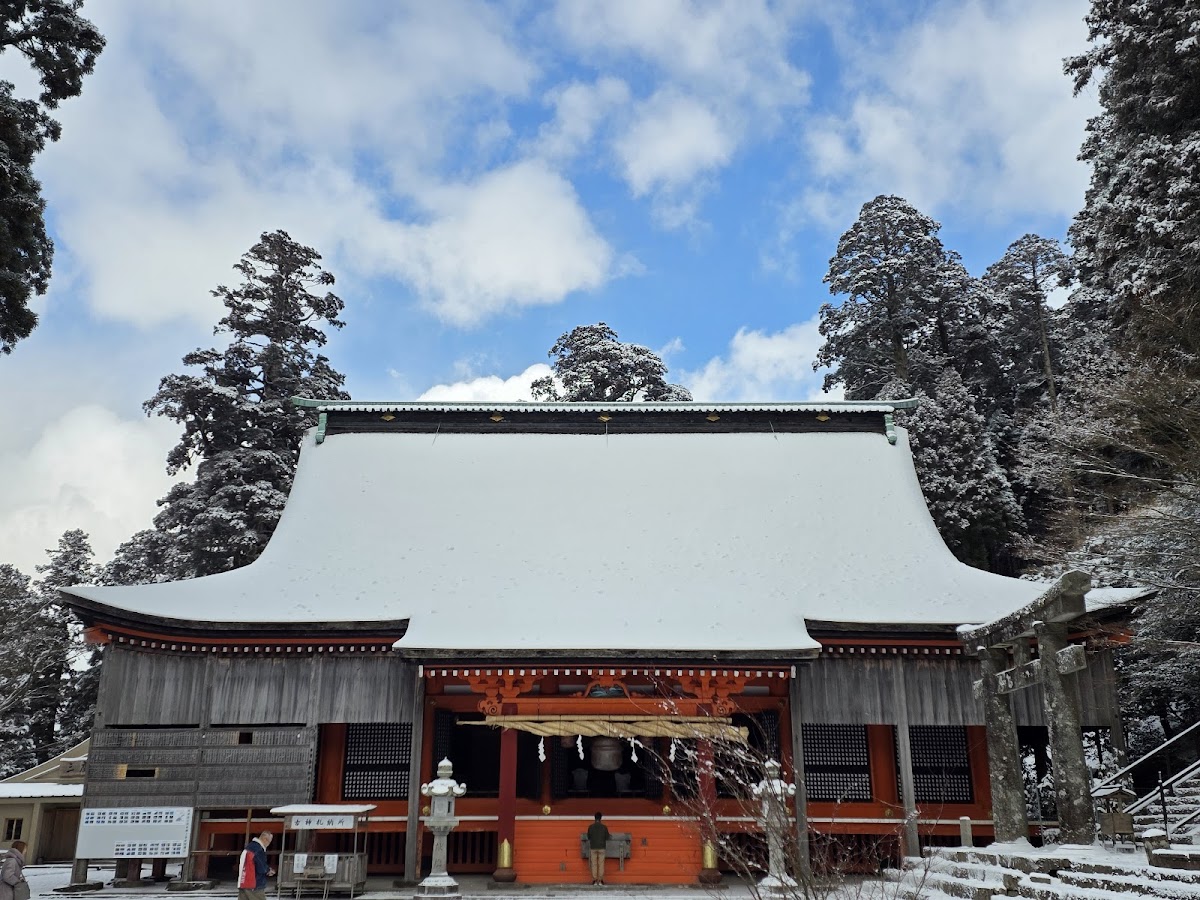
Upon reaching the summit, you will be greeted by a magnificent main shrine and worship hall. The vermilion-lacquered buildings exude dignity, instilling a sense of solemnity in visitors.
Observation Spot
The view from the shrine grounds is superb, offering panoramic views of Hakata Bay, Fukuoka Tower, Yahoo! Dome, Nokonoshima Island, Shikanoshima Island, and more. On clear days, you can even see as far as the Genkai Sea.
Especially during the New Year’s sunrise season, it attracts many visitors as one of Fukuoka City’s best spots to watch the first sunrise. It is also known as a night view spot and is a popular date spot.
Shrines within the Precincts
Several shrines are enshrined around the main hall. Each offers different blessings, and many people visit all of them.
How to Worship and Manners
Basic Worship Etiquette
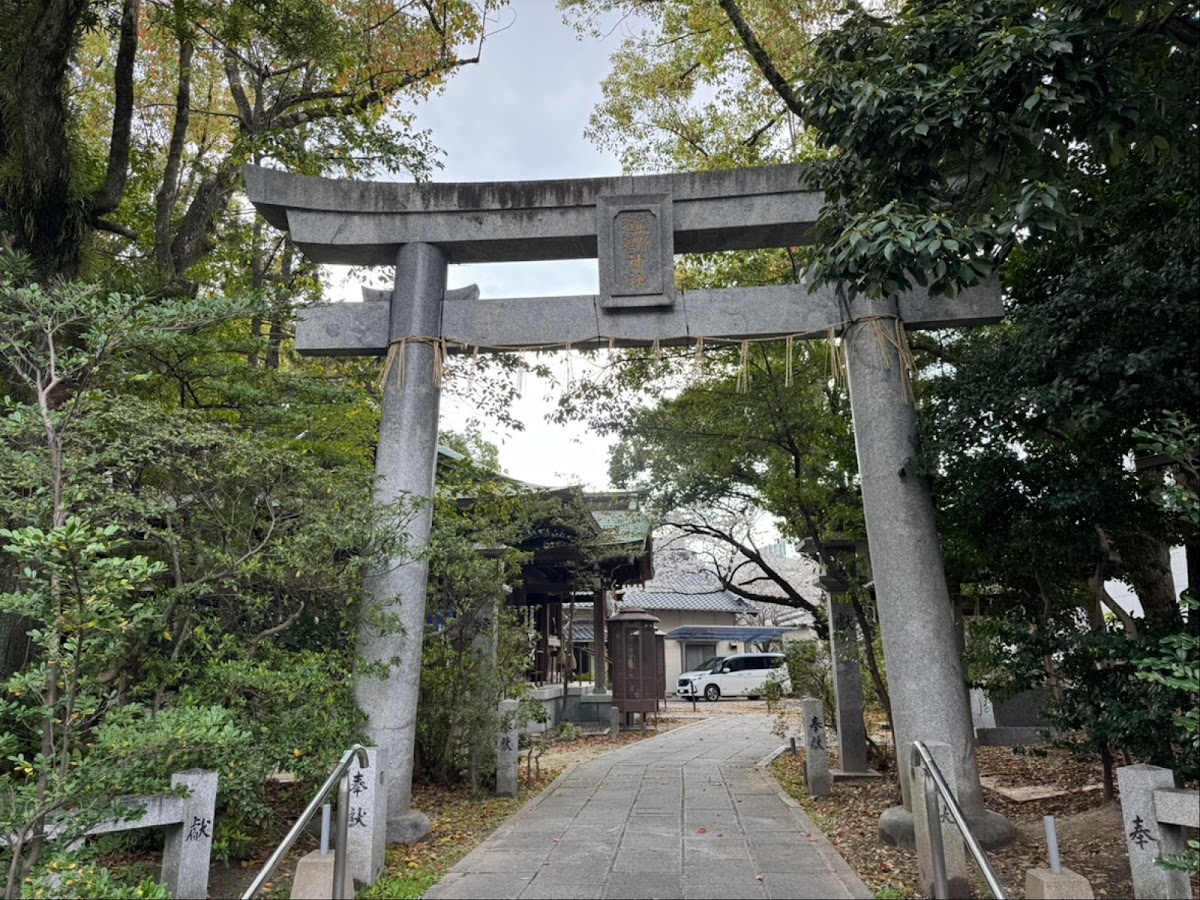
- Bow Before Passing Through the Torii Gate
Bow before entering the sacred area, standing before the torii gate.
- Purify at the Water Basin
Proceed along the path and purify your hands and mouth at the water basin. Purify your left hand, then your right hand, then your mouth, and finally your left hand.
- Worship at the Main Hall
Stand before the offering box and quietly place your offering. Worship using the two bows, two claps, and one bow ritual.
- Bow When Leaving the Torii Gate
When leaving the torii gate after finishing your worship, turn around and bow.
Goshuin (Shrine Seals) and Offerings
Washio Atago Shrine offers Goshuin (shrine seals). Please apply at the shrine office during reception hours (8:00 AM to 5:00 PM). Original Goshuin notebooks are also available and are popular as souvenirs of your visit.
Offerings include amulets, talismans, and votive tablets. Fire prevention amulets and matchmaking amulets are particularly popular.
Annual Events and Festivals
Washio Atago Shrine holds various Shinto rituals throughout the year.
Main Annual Events
- January 1st-3rd: First Shrine Visit of the Year (approximately 500,000 visitors)
- 1st, 15th, 23rd, and 24th of each month: Monthly Festival of Gratitude
- Spring Grand Festival: An important festival held in spring
- Summer Festival: A Shinto ritual held in summer, attracting many worshippers
- Autumn Grand Festival: A festival of gratitude for the autumn harvest
- December 31st: Great Purification Ceremony, New Year’s Eve Festival
Crowds During First Shrine Visit of the Year
Washio Atago Shrine attracts one of the largest crowds during the first shrine visit of the year in Fukuoka Prefecture. It is especially crowded in the early morning (around sunrise) and during the day on January 1st.
If you wish to avoid the crowds, it is recommended to visit in the morning or evening from January 2nd onwards. Furthermore, even after the first three days of the New Year, you can still visit the shrine for Hatsumode (first shrine visit of the year) throughout January.
Access Methods
Access by Public Transportation
By Subway and Bus
- From Muromi Station on the Subway Airport Line
- Approximately 20 minutes on foot from Muromi Station (to the summit)
- Take the Nishitetsu Bus bound for “Atago Shrine” from Muromi Station, get off at the last stop, and walk for approximately 10 minutes.
- Using Nishitetsu Bus
- Take the Nishitetsu Bus bound for “Atago Shrine” or “Atagoshita” from Hakata Station or Tenjin.
- Approximately 10 minutes on foot if you get off at “Atago Shrine”.
- Approximately 15 minutes on foot if you get off at “Atagoshita”.
By Taxi
- Approximately 20 minutes from Hakata Station
- Approximately 15 minutes from Tenjin
- Approximately 30 minutes from Fukuoka Airport
Access by Car
Using the Fukuoka Urban Expressway
- Approximately 5 minutes from the “Atago Exit” of the Fukuoka Urban Expressway
- Free parking is available on the shrine grounds (approximately 100 spaces).
About Parking
While there is usually ample parking, it can become full during the New Year’s pilgrimage period (especially January 1st-3rd) and long holidays. In such cases, we recommend using nearby temporary parking lots or public transportation.
Nearby Tourist Attractions
Here are some nearby spots you might want to visit when you come to Washio Atago Shrine.
Fukuoka Tower
A Fukuoka landmark located about 10 minutes by car from Washio Atago Shrine. Enjoy a 360-degree panoramic view from the 234-meter-high observation deck.
Seaside Momochi Beach Park
An artificial beach adjacent to Fukuoka Tower. Enjoy swimming in the summer and marine sports year-round.
Marinoa City Fukuoka
A complex commercial facility with an outlet mall and a Ferris wheel. Enjoy shopping and dining.
Muromi Riverbank
The Muromi River, known as a famous cherry blossom viewing spot, boasts a magnificent row of cherry trees in spring. A walking path is also maintained.
Summary of the Charms of Washio Atago Shrine
Washio Atago Shrine is a representative shrine of Fukuoka with a history of approximately 1900 years. As one of Japan’s three major Atago shrines, it offers various blessings such as fire prevention, matchmaking, and good fortune, attracting the faith of many people as a “god of wishes.”
The view from the mountaintop is magnificent, and the panoramic view of Hakata Bay captivates visitors. It is also famous as a spot for watching the first sunrise of the year and for night views, and many people visit for purposes other than worship.
The sense of accomplishment from climbing the Otoko-zaka (Stairway of Success) on the approach to the shrine, the solemn atmosphere of the shrine grounds, and the spectacular view overlooking the city of Fukuoka—Washio Atago Shrine has a charm that offers new discoveries no matter how many times you visit.
When sightseeing in Fukuoka, be sure to visit Washio Atago Shrine and experience its history, blessings, and magnificent views.
Frequently Asked Questions
How long does it take to visit Washio Atago Shrine?
If you only wish to pray, it will take about 30 minutes. However, if you plan to climb the Otoko-zaka (men’s slope), stroll around the grounds, and enjoy the scenery, it’s best to allow about an hour. During busy periods such as New Year’s, it may take longer.
Is it accessible for wheelchairs and strollers?
You can drive almost to the top of the mountain, so it is accessible for wheelchairs and strollers. However, there are some steps within the grounds, so we recommend being accompanied by an assistant. The Otoko-zaka is a steep staircase and is not accessible for wheelchairs or strollers.
What are the hours for receiving Goshuin (shrine stamps)?
Goshuin are available during the shrine office’s reception hours, from 8:00 AM to 5:00 PM. However, during special periods such as the New Year’s visit period, reception hours may be extended.
Is it possible to visit with a pet?
Generally, it is discouraged to bring pets into the shrine grounds, but please contact the shrine directly for details. Walking your pet on the paths outside the shrine grounds or around the parking lot is possible, provided you observe proper etiquette.
What time should I arrive to see the first sunrise of the year?
The first sunrise in Fukuoka is usually around 7:15 AM. To see the first sunrise, we recommend arriving by 6:30 AM at the latest. It gets very crowded early on New Year’s Day, so please leave with plenty of time to spare. Public transportation may also operate on a special schedule on New Year’s Day.