Complete Guide to Asama Shrines (Yamanashi Prefecture, Kofu City Area) | History, Benefits, and Access Information for Ichinomiya Asama Shrine and Aonuma Asama Shrine
Yamanashi Prefecture is home to several Asama Shrines, each with its own unique history and beliefs. This article focuses on two particularly important shrines in the Kofu City area: “Kai no Kuni Ichinomiya Asama Shrine” (Ichinomiya-cho, Fuefuki City) and “Aonuma Asama Shrine” (Kofu City). We will provide a detailed explanation of their history, benefits, points of interest within the shrine grounds, festivals, and access methods.
What are Asama Shrines in Yamanashi Prefecture?
Asama Shrines are a general term for shrines that enshrine Mount Fuji as their sacred mountain, and there are said to be approximately 1,300 such shrines nationwide. In Yamanashi Prefecture, several Asama Shrines are located, mainly in the Kofu Basin, each attracting local devotion.
Particularly important is “Kai no Kuni Ichinomiya Asama Shrine” (Fuefuki City), which has been revered since ancient times as the Ichinomiya (first-ranked shrine) of Kai Province. Furthermore, within Kofu City, there is the Aonuma Sengen Shrine, which serves as a center of faith for the local residents. These shrines share a common historical background: they were founded to appease the eruptions of Mount Fuji.
Kai Province Ichinomiya Sengen Shrine (Ichinomiya-cho, Fuefuki City)
History and Origin
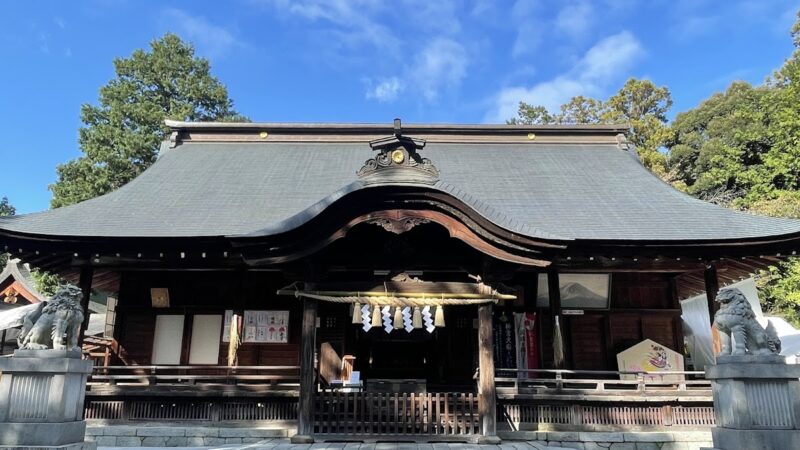
Kai Province Ichinomiya Sengen Shrine is a prestigious shrine located in Ichinomiya, Ichinomiya-cho, Fuefuki City, Yamanashi Prefecture. According to shrine tradition, it was founded in the 8th year of Emperor Suinin’s reign (22 BC) at the foot of Mt. Koyama, approximately 2 km southeast of the present site.
Later, in the 7th year of the Jogan era (865 AD), when Mount Fuji experienced a major eruption, the shrine was relocated to its current location by imperial decree. This eruption, known as the “Jogan Eruption,” caused significant damage to the surrounding area, including Kai Province. The shrine was built at its current location with the purpose of enshrining Asama-no-Okami, the deity of Mount Fuji, to appease volcanic eruptions and pray for the peace and well-being of the people.
In 2018, it celebrated its 1153rd anniversary, and as a shrine with a long history, it continues to attract the faith of the local community.
Shrine Rank and Cultural Properties
Asama Shrine, the Ichinomiya (first-ranked shrine) of Kai Province, is a candidate for the Shikinaisha (Myojin Taisha) listed in the Engishiki Jinmyocho (a list of shrines compiled in the Heian period), and boasts the highest rank as the Ichinomiya of Kai Province. During the Meiji era, it was ranked as a Kokuhei Chusha (a national shrine of the second rank), and is currently a Beppyo Jinja (a shrine listed in the special register) of the Association of Shinto Shrines.
The shrine grounds preserve valuable cultural properties, including nationally designated important cultural properties, and it is known as a shrine of high historical value.
Deity and Benefits
The enshrined deity is Konohanasakuya-hime no Mikoto. Known as the god of Mount Fuji, it is widely worshipped as the god of beauty, matchmaking, safe childbirth, and child-rearing.
Main Benefits:
- Matchmaking and successful relationships
- Safe childbirth and fertility
- Family safety
- Business prosperity
- Protection from evil
- Protection from fire
Highlights of the Shrine Grounds
Stone Statues of the Twelve Zodiac Animals
Stone statues representing each of the twelve zodiac animals are placed throughout the shrine grounds. Visitors can pay their respects to the statue of their current zodiac sign and their own. This “zodiac pilgrimage” is a popular and distinctive way of worship at our shrine.
Married Couple Plum Trees (Sacred Trees)
A pair of plum trees, over 200 years old, stand as sacred trees on the shrine grounds. The fruit of these plums is believed to bring blessings for fertility, and many visitors come to pray for safe childbirth and conception. In spring, beautiful plum blossoms bloom, adorning the shrine grounds.
Shrine Building
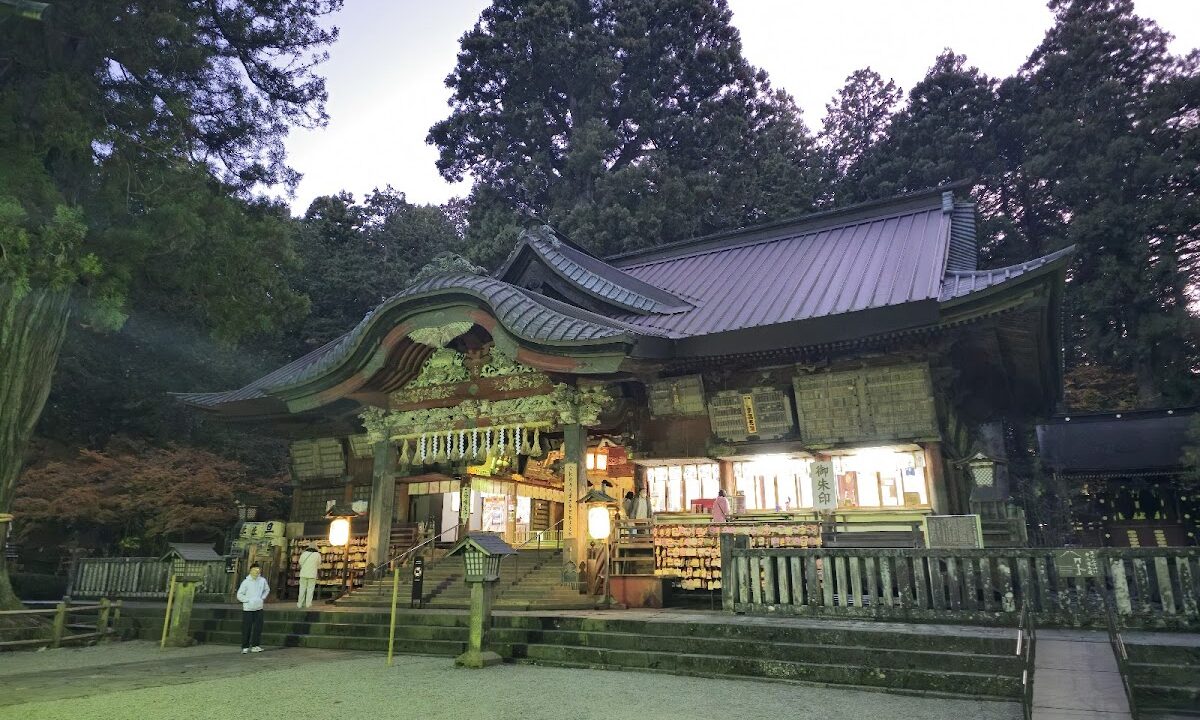
The majestic shrine building exudes a sense of long history, welcoming visitors. The grounds are enveloped in a tranquil atmosphere, allowing for peaceful worship.
Main Festivals and Events
Omiyukisai (Grand Imperial Procession Festival)
Held annually on April 15th, the Omiyukisai is one of the representative festivals of the Kofu Basin. Traditional Shinto rituals, including a portable shrine procession and the dedication of Kagura (sacred dance), are performed, attracting many worshippers and tourists. This festival is a cherished cultural event in the region.
Other Annual Events
- New Year’s Visit (January 1st-3rd)
- Setsubun Festival (February 3rd)
- Grand Festival (April)
- Summer Purification Ceremony (June 30th)
- Autumn Grand Festival (September)
- Shichi-Go-San Ceremony (November)
Basic Information and Access
Location: 1684 Ichinomiya, Ichinomiya-cho, Fuefuki City, Yamanashi Prefecture
Access:
- [By Car] Approximately 5 minutes from the Ichinomiya-Misaka Interchange on the Chuo Expressway. There is a large torii gate along National Route 20; proceed north along the approach road.
- [Train] Approximately 10 minutes by taxi from JR Chuo Main Line “Yamanashi-shi Station,” or approximately 30 minutes by bus from “Kofu Station.”
Parking: Available (Free)
Visiting Hours: Grounds are freely accessible (Shrine office is generally open from 9:00 to 17:00)
Inquiries: 055-262-4757
Aonuma Asama Shrine (Kofu City)
History and Origin
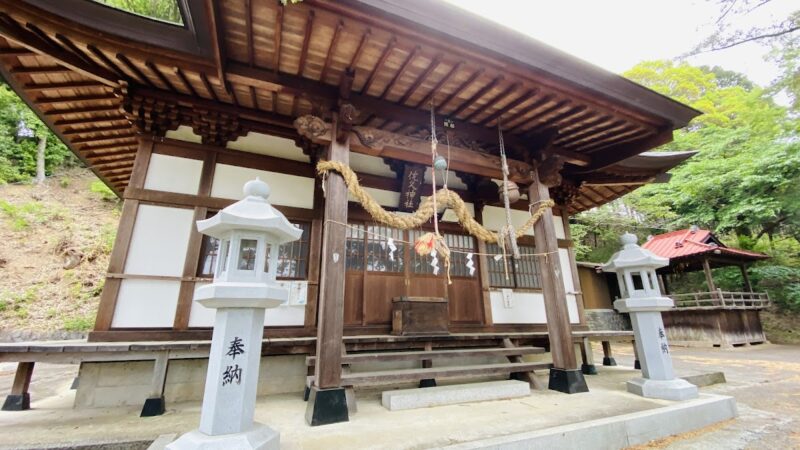
Aonuma Asama Shrine is a shrine located in Aonuma, Kofu City, Yamanashi Prefecture. It is located approximately 2 km southeast of Kofu Station, east of National Route 358 along Aonuma Street, next to the Kofu City General Citizens’ Hall.
The plaque on the shrine building reads “Asama Shrine,” and it is affectionately known locally as “Aonuma Asama Shrine.” It has long been a center of Asama worship in Kofu City, attracting the faith of local residents.
Deity and Blessings
Aonuma Sengen Shrine also enshrines Konohanasakuya-hime no Mikoto as its main deity.
Main Blessings:
- Safe childbirth and child-rearing
- Matchmaking
- Family safety
- Protection of the community
Features of the Shrine Grounds
Despite being located in the heart of Kofu city, Aonuma Sengen Shrine maintains a tranquil atmosphere. The shrine building features traditional shrine architecture, preserving the region’s history. Its proximity to the Kofu City Hall makes it a familiar presence for residents.
Basic Information and Access
Location: Aonuma, Kofu City, Yamanashi Prefecture
Access:
- [By Car] Head south on National Route 358, then east on Aonuma Street. Parking available
- [Train] Approximately 25 minutes on foot from JR Kofu Station, or by bus.
Visiting Hours: Grounds are freely accessible.
Other Major Asama Shrines in Yamanashi Prefecture
Kawaguchi Asama Shrine (Fujikawaguchiko Town)
Located in Kawaguchi, Fujikawaguchiko Town, Kawaguchi Asama Shrine is a historically significant shrine established in 865 AD by imperial decree to appease the eruption of Mount Fuji. Within the grounds are seven cedar trees over 1200 years old, and two of these trees, standing side-by-side, are particularly popular as “matchmaking cedars.”
Location: 1 Kawaguchi, Fujikawaguchiko-machi, Minamitsuru-gun, Yamanashi Prefecture
Points to Note When Visiting Asama Shrine
Etiquette for Worship
- Bow before passing through the torii gate: As a courtesy before entering the sacred area.
- Purify yourself at the water basin: Purify your left hand, right hand, and mouth in that order.
- Walk along the edge of the path: The center is considered the path for the gods.
- Worship at the main hall: The basic procedure is two bows, two claps, and one bow.
- Zodiac Pilgrimage (Ichinomiya Asama Shrine): Pray to the zodiac sign of the year and your own zodiac sign.
Recommended Time to Visit
- New Year’s Visit: January 1st to 3rd are bustling with many worshippers.
- Spring: The shrine grounds are beautifully colored when plum and cherry blossoms are in bloom.
- Grand Imperial Procession Festival: The festival on April 15th is a sight to behold.
- Shichi-Go-San (7-5-3 Festival): November is a busy month for families visiting for Shichi-Go-San.
About Goshuin (Shrine Seals)
Kaigoku Ichinomiya Sengen Shrine offers Goshuin. Visitors can receive a Goshuin stamp during the shrine office’s reception hours, bringing their Goshuin book. The offering fee is usually around 300-500 yen.
Nearby Tourist Attractions
Around Fuefuki City (Ichinomiya Sengen Shrine)
- Peach Blossom Paradise: A spectacular spot where peach blossoms bloom in abundance in spring.
- Isawa Onsenkyo: A representative hot spring resort in the Kofu Basin.
- Monde Brewery: A Yamanashi winery tour.
- Shakado Archaeological Museum: Exhibits Jomon period ruins and excavated artifacts.
Around Kofu City (Aonuma Sengen Shrine)
- Kofu Castle Ruins (Maizuru Castle Park): A historical site associated with the Takeda clan.
- Takeda Shrine: A shrine dedicated to Takeda Shingen.
- Shosenkyo Gorge: A gorge designated as a National Special Place of Scenic Beauty.
- Yamanashi Prefectural Museum of Art: Famous for its Millet collection.
Sengen Faith and Mount Fuji in Yamanashi
The Sengen Shrines in Yamanashi Prefecture are deeply connected to the worship of Mount Fuji. Following the massive eruption of Mount Fuji in 865 AD, Asama Shrines were erected throughout the region by imperial decree. These shrines, dedicated to Konohanasakuya-hime, the deity of Mount Fuji, served to appease eruptions and pray for the safety of the people.
The Asama Shrine of Kai Province, the Ichinomiya (first-ranked shrine) of the province, held a politically and religiously significant position as the center of Asama worship in the Kofu Basin and as the Ichinomiya of Kai Province. Its proximity to the provincial temple and government office further attests to its importance.
Even today, these shrines play an important role as guardian deities of the region and as tourist attractions, attracting many worshippers from both within and outside the prefecture.
Facility Information and Inquiries
Kai Province Ichinomiya Asama Shrine
Address: 1684 Ichinomiya, Ichinomiya-cho, Fuefuki City, Yamanashi Prefecture 405-0056
Phone: 055-262-4757
Official Website: https://asamajinja.jp/
Parking: Available (Free, approx. 50 spaces)
Visiting Hours: Grounds are open freely (Shrine office: 9:00 AM – 5:00 PM)
Goshuin (Shrine Seal): Available (at the shrine office)
Restrooms: Available
Barrier-Free: Partially accessible
Aonuma Asama Shrine
Address: Aonuma, Kofu City, Yamanashi Prefecture
Access: Along National Route 358, Aonuma Street, next to Kofu City General Citizens’ Hall
Parking: Available
Visiting Hours: Grounds are open freely
Summary
The Sengen Shrines in Yamanashi Prefecture, particularly the Kai-no-Kuni Ichinomiya Sengen Shrine and the Aonuma Sengen Shrine, are important shrines that convey the history of Mount Fuji worship and the region to the present day. The Kai-no-Kuni Ichinomiya Sengen Shrine, a prestigious shrine with a history of over 1000 years, attracts worshippers from all over Japan seeking blessings for matchmaking, safe childbirth, and fertility.
Its unique forms of worship, such as the zodiac stone statues within the shrine grounds and the over 200-year-old “married couple” plum trees, are also appealing. The Omikoshi Festival on April 15th is a representative festival of the Kofu Basin and plays an important role in the preservation of regional culture.
The Aonuma Sengen Shrine is a familiar place of worship in the Kofu city area and is cherished by local residents.
When visiting Yamanashi, why not visit these Sengen Shrines and experience the history and culture of Mount Fuji worship? Ichinomiya Sengen Shrine, easily recognizable by its large torii gate along National Route 20, and Aonuma Sengen Shrine, situated next to the Kofu City General Civic Hall, each possess their own unique charm and warmly welcome visitors.