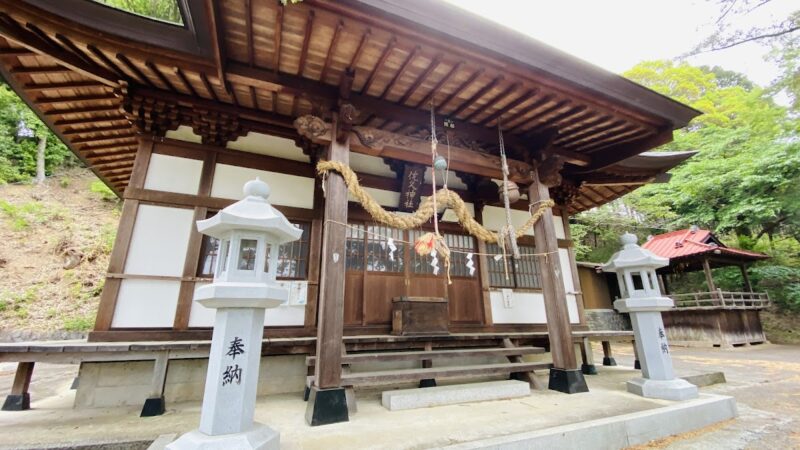
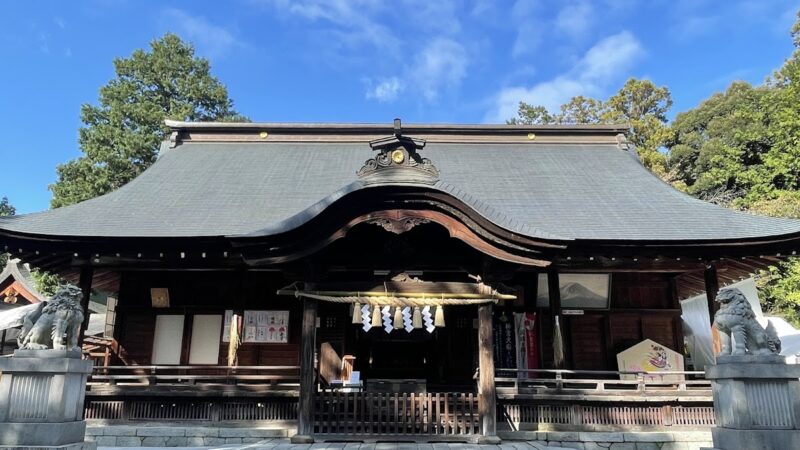
Asama Shrine (Fuefuki City, Yamanashi Prefecture) Complete Guide | A Thorough Explanation of the History and Highlights of Kai Province’s Ichinomiya
Asama Shrine, located in Ichinomiya-cho, Fuefuki City, Yamanashi Prefecture, is a prestigious shrine boasting a history of approximately 2000 years as the Ichinomiya (first-ranked shrine) of Kai Province. Its official name is “Kai Province Ichinomiya Asama Shrine,” but it is affectionately known as “Ichinomiya-san” by locals. As one of the centers of Mount Fuji worship, and as a shrine dedicated to the gods of beauty and matchmaking, it attracts many worshippers throughout the year.
This article comprehensively introduces information you should know before visiting Asama Shrine, from its founding to the present day, to its highlights, festivals, and access methods.
Table of Contents
- Basic Information about Asama Shrine
- Deities and Divine Virtues
- History of Asama Shrine
- Highlights of the Shrine Grounds
- Subsidiary Shrines
- Annual Festivals and the Grand Procession Festival
- Cultural Properties and Natural Monuments
- Access and Parking
- Points to Note When Visiting
Basic Information about Asama Shrine
Official Name: Kai Province Ichinomiya Asama Shrine
Location: 1684 Ichinomiya, Ichinomiya-cho, Fuefuki City, Yamanashi Prefecture
Shrine Rank: Shikinaisha (Myojin Taisha) Candidate, Kai Province Ichinomiya, Former National Shrine of the Second Rank, Shrine of the Association of Shinto Shrines
Deity Enshrined: Konohanasakuya-hime no Mikoto
Founding: Traditionally, it was founded in the 8th year of Emperor Suinin’s reign (around 90 BC).
Visiting Hours: Grounds are freely accessible (Shrine office is generally open from 9:00 to 17:00)
Parking: Free parking available (approximately 50 cars)
Phone Number: 0553-47-0900
Asama Shrine is located in Ichinomiya-cho, Fuefuki City, and is easily identifiable by its large torii gate along National Route 20. The surrounding area was the political center of the ancient Kai Province, and the ruins of the Kai Kokubunji Temple remain approximately 2 km to the southwest. Currently, it is located in the heart of the Japan Heritage site “Vineyard Landscapes – Yamanashi Prefecture’s Kyōtō Region,” symbolizing Yamanashi, the wine kingdom.
Deities and Divine Virtues
Konohanasakuya-hime no Mikoto
The main deity enshrined at Asama Shrine is Konohanasakuya-hime no Mikoto. In Japanese mythology, she is known as the beautiful goddess who became the consort of Ninigi-no-Mikoto, the grandson of the gods who descended from heaven. She is enshrined as the deity of Mount Fuji in Asama Shrines throughout Japan, and her name literally means “a princess as beautiful as a blooming flower.”
Divine Virtues
Konohanasakuya-hime is believed to possess the following divine virtues:
- Matchmaking: Due to her marriage to Ninigi-no-Mikoto, she is worshipped as the goddess of successful marriages.
- Safe Childbirth and Fertility: From the myth of her becoming pregnant overnight and safely giving birth to three princes amidst flames, she is revered as the goddess of safe childbirth and fertility.
- Beauty: With her beautiful appearance reminiscent of a cherry blossom, she is worshipped by women as the goddess of maintaining beauty and youth.
- Protection from Fire: As the goddess who calmed the eruptions of Mount Fuji, she is believed to offer protection against fire.
- Family Safety: She is worshipped as the goddess who protects family harmony and safety.
Within the shrine grounds are two sacred plum trees, over 200 years old, whose fruit is believed to bring blessings of fertility, attracting many worshippers.
History of Asama Shrine
Founding and Yamamiya Shrine
Asama Shrine is said to have been founded in the 8th year of Emperor Suinin’s reign (around 90 BC). Initially, it is believed to have been enshrined at the foot of Mount Koyama, the site of the current subsidiary shrine, Yamamiya Shrine. At this time, three deities were enshrined: Konohanasakuya-hime, Oyamatsumi-no-mikoto, and Ninigi-no-mikoto.
Yamamiya Shrine still stands today as a subsidiary shrine of Asama Shrine, located in the Yamamiya area, approximately 1.5 km north of the main shrine, preserving the original form of Asama Shrine.
The Great Jogan Eruption and Relocation
In the 6th year of the Jogan era (864 AD) during the Heian period, a massive eruption occurred at Mount Fuji. This “Great Jogan Eruption” caused widespread lava flows, instilling great fear in the people of that time. To appease this eruption, it is said that in the following year, 865 (Jōgan 7), Konohanasakuya-hime no Mikoto was relocated to the present site.
This relocation made the shrine an important center of the Asama faith, which worships the deity of Mount Fuji, in Kai Province.
Engishiki and Myōjin Taisha
The Engishiki Jinmyōchō (a list of shrines compiled in the mid-Heian period) lists “Asama Shrine in Yatsushiro District, Kai Province” as a Myōjin Taisha (a major shrine). Myōjin Taisha were shrines highly valued by the state due to their exceptional spiritual power, and within Kai Province, only Asama Shrine held this status.
However, there are various theories regarding the location of the Asama Shrine listed in the Engishiki. Besides this shrine, Kitaguchi Hongū Fuji Asama Shrine in Fujiyoshida City and Kawaguchi Asama Shrine in Fujikawaguchiko Town are also considered candidate sites.
As the Ichinomiya (First Shrine) of Kai Province
From the late Heian period to the Middle Ages, the custom of designating the shrine with the highest rank in each province as “Ichinomiya” (First Shrine) was established. Asama Shrine, as the Ichinomiya of Kai Province, received deep reverence from provincial governors, samurai, and the common people.
During the Sengoku period, it received protection from the Takeda clan, who ruled Kai Province, and it is said that Takeda Shingen also visited the shrine. During the Edo period, under the patronage of the Tokugawa shogunate, it was revered by the lords of the Kofu domain and others.
Modern Era
With the separation of Shinto and Buddhism during the Meiji era, it transformed from a syncretic Shinto-Buddhist form into a purely Shinto shrine. In 1871 (Meiji 4), it was ranked as a National Shrine of the second rank, positioning it as an important national shrine.
After World War II, it became a special shrine of the Association of Shinto Shrines, and even today, it continues to play a central role in regional faith and culture as a representative shrine of Yamanashi Prefecture.
Highlights of the Shrine Grounds
The Grand Torii Gate and Approach
The grand torii gate, standing along National Route 20, is a symbolic structure marking the presence of Asama Shrine. Passing through this gate and proceeding north along the approach, you will reach the shrine entrance approximately 300 meters ahead.
The approach is a gentle uphill slope, lined with stone lanterns on both sides, creating a solemn atmosphere. Walking along the approach allows you to calm your mind, shifting from everyday life to the sacred realm.
Zuishinmon Gate (Purification Gate)
At the entrance to the shrine grounds is the Zuishinmon Gate, where one purifies oneself before entering. The Zuishinmon Gate marks the boundary of the sacred area, and guardian deities (Zuishin) are enshrined on either side.
Shrine Building
Upon entering the shrine grounds, the shrine building is located to the left (facing east). This is because it faces Mount Fuji, reflecting the deep connection between Asama Shrine and Mount Fuji worship.
Haiden: This is the building where worshippers offer their prayers. It is a magnificent structure with a beautiful cypress bark roof.
Honden: Located behind the Haiden, it is built in the traditional Nagare-zukuri style of shrine architecture. The Honden enshrines Konohanasakuya-hime, the deity of the shrine.
Meotoume (Married Couple Plum Tree)
Next to the Honden is the sacred Meotoume (Married Couple Plum Tree), over 200 years old. This plum tree has a very rare characteristic: it bears two fruits in a single flower, hence its name.
The Meotoume is designated as a natural monument of Yamanashi Prefecture and is believed to bring blessings for matchmaking and fertility. Especially during the spring blooming season, its white blossoms beautifully adorn the shrine grounds.
Stone Statues of the Twelve Zodiac Animals
Stone statues of the twelve zodiac animals are placed throughout the shrine grounds, allowing worshippers to pay their respects to both the zodiac animal of the year and their own zodiac sign. Each stone statue of a zodiac animal is carved in an adorable style that captures the characteristics of the animal, making it a highlight of the temple grounds that can be enjoyed by both children and adults.
Kagura Hall
The temple grounds contain a Kagura Hall where Kagura and Bugaku (traditional dance and music) are performed during festivals. Especially during the annual grand festival, traditional Kagura is performed, attracting many worshippers.
Water Basin
The water basin, where worshippers purify their hands and mouths before praying, is located near the entrance to the temple grounds. Pure water springs forth, and worshippers purify themselves according to the proper etiquette.
Amulet and Gift Shop
The amulet and gift shop offers a variety of amulets, goshuin (temple stamps), and ema (votive tablets). Amulets for matchmaking, safe childbirth, and fertility are particularly popular. Also, in keeping with Yamanashi Prefecture’s reputation as a wine kingdom, wine donated by local wineries is used as sacred sake.
Subsidiary Shrines
Several subsidiary shrines are located within and around the grounds of Asama Shrine.
Yamamiya Shrine (Subsidiary Shrine)
Yamamiya Shrine, considered the founding site of Asama Shrine, is located in the Yamamiya district, approximately 1.5 km north of the main shrine. Although now a subsidiary shrine, it is an important shrine that conveys the original form of Asama Shrine.
It is the place where the three deities Konohanasakuya-hime, Oyamatsumi-no-Mikoto, and Ninigi-no-Mikoto were first enshrined in the 8th year of Emperor Suinin’s reign. Even after the main shrine was moved to its current location in the 7th year of the Jogan era, it continues to be revered as the original shrine.
Other Shrines within the Grounds
Several other subsidiary shrines are enshrined within the grounds, each dedicated to deities with different divine virtues. It is believed that visiting these subsidiary shrines as well will grant even greater blessings.
Annual Festivals and the Grand Procession Festival
Asama Shrine holds various festivals throughout the year. ### Main Annual Festivals
- January 1st: Saitansai (New Year’s Day Festival)
- February (Setsubun Festival): Setsubun Festival
- March (Spring Equinox): Spring Festival
- April 15th: Omiyukisai (Most Important Festival)
- July: Natsukoshi no Oharae (Summer Purification Ceremony)
- September (Autumnal Equinox): Autumn Festival
- November: Shichi-Go-San Festival
- December 31st: Year-End Purification Ceremony, New Year’s Eve Festival
Omiyukisai (Great Divine Procession Festival)
The Omiyukisai, held annually on April 15th, is the most important festival at Asama Shrine. This festival, also known as “Omiyuki,” has been cherished by the local people since ancient times.
During the Omiyukisai, the enshrined deity is transferred to a portable shrine and paraded through the parish area. Many parishioners participate in the portable shrine procession, dressed in traditional costumes, parading through the town. Kagura and Bugaku (traditional dances and music) are also performed, creating a festive atmosphere throughout the day.
This festival also marks the start of spring farming and is an important Shinto ritual praying for a bountiful harvest. Many worshippers, not only from the local area but also from far away, visit, making it a spring tradition in Fuefuki City.
Wine Offering
A distinctive feature of the festival in recent years is the offering of Yamanashi-produced wine as sacred sake from approximately 40 local wineries. This is a modern Shinto ritual unique to Asama Shrine, located at the heart of the Japan Heritage site “Vineyard Landscape,” and is attracting attention as an initiative that connects tradition with local industry.
Cultural Properties and Natural Monuments
Meoto Ume (Married Couple Plum Tree) (Yamanashi Prefecture Designated Natural Monument)
As mentioned above, the Meoto Ume (Married Couple Plum Tree) on the shrine grounds is an ancient tree over 200 years old, possessing the rare characteristic of bearing two fruits within a single flower. Due to its rarity, it has been designated a natural monument of Yamanashi Prefecture and is also a valuable botanical artifact.
Shrine Architecture
The main shrine building, with its nagare-zukuri style architecture, is a valuable structure that conveys the characteristics of Edo period shrine architecture. The cypress bark roof and intricate carvings showcase the excellent architectural techniques of the time.
Ancient Documents and Treasures
Asama Shrine houses numerous offerings and ancient documents from previous generations. These are important historical materials for understanding the history of Kai Province, and some are displayed on special occasions.
Access and Parking
Access by Car
From the Chuo Expressway:
- Approximately 5 minutes from Ichinomiya-Misaka IC
- Approximately 10 minutes from Katsunuma IC
From National Route 20:
- From Kofu: After passing the Ichinomiya Branch Office, turn right at the traffic light with the large torii gate, approximately 500m further.
- From Otsuki: Turn left at the traffic light with the large torii gate.
After passing through the large torii gate, proceed north along the approach road for approximately 300m to reach the entrance to the shrine grounds.
Access by Public Transportation
JR Chuo Main Line:
- Approximately 10 minutes by taxi from Yamanashi-shi Station
- Approximately 15 minutes by taxi from Kasugai-cho Station
Bus:
- Local buses are available from Yamanashi-shi Station (prior confirmation is recommended as the number of buses is limited).
Parking
There is a free parking lot on the shrine grounds with space for approximately 50 cars. Temporary parking may be provided on days when congestion is expected, such as during major festivals.
Nearby Tourist Attractions
- Kai Kokubunji Temple Ruins: Within walking distance (approx. 2km)
- Fuefukigawa Fruit Park: Approx. 15 minutes by car
- Katsunuma Grape Village: Approx. 15 minutes by car
- Winery Tour: Numerous wineries are scattered throughout the area
Points to Note When Visiting
Proper Way to Visit
- Bow at the Great Torii Gate: Bow when passing through the Great Torii Gate on National Route 20.
- Walk on the Edge of the Path: The center of the path is considered the path of the gods.
- Purify at the Water Basin: Purify your left hand, right hand, and mouth in that order.
- Pray at the Main Hall: Pray using the two bows, two claps, and one bow method.
- Pray at the Twelve Zodiac Signs: Pray to the zodiac sign of the year and your own zodiac sign.
- Pray at the Married Couple Plum Trees: Those praying for matchmaking or fertility tend to pray especially respectfully.
- Visiting Subsidiary Shrines: If time permits, visit the subsidiary shrines within the grounds.
Recommended Time to Visit
- Spring (Late March to April): The blooming season for the Meoto Ume (Married Couple Plum Trees). The Oogami Kosai festival on April 15th is a must-see.
- New Year’s Visit (January 1st to 3rd): Many worshippers visit to pray for the new year.
- Shichi-Go-San (November): Bustling with families praying for their children’s growth.
- Weekday Mornings: Recommended for those who want to pray in peace.
Goshuin (Shrine Seal)
Asama Shrine offers Goshuin. These are available at the shrine office. In addition to the regular Goshuin, seasonal limited-edition Goshuin are sometimes available. You can bring your own Goshuincho (stamp book) or purchase one on the spot.
Estimated Time Required
- Regular Visit: 30 minutes to 1 hour
- In-depth Exploration: 1 hour to 1 hour 30 minutes
- Participation in Festivals: 2 hours or more
Attire and Items to Bring
- Attire: There are no specific dress code requirements, but appropriate attire for a sacred place is recommended.
- Footwear: The path to the shrine is paved, but comfortable walking shoes are recommended.
- Items to Bring: Camera, goshuincho (stamp book), offering money, drinks, etc.
Summary
Asama Shrine (Kai Province Ichinomiya Asama Shrine), located in Fuefuki City, Yamanashi Prefecture, is a representative shrine of Yamanashi Prefecture, boasting a history of approximately 2000 years as the Ichinomiya of Kai Province. It enshrines Konohanasakuya-hime no Mikoto and is known for its divine blessings related to matchmaking, safe childbirth, fertility, and beauty, attracting many visitors throughout the year.
With a history dating back to its relocation to its current site to appease the great eruption of Mount Fuji during the Jogan era, Asama Shrine has long been considered a nationally important shrine, listed in the Engishiki Jinmyocho (a historical record of shrines).
The shrine grounds boast many attractions, including a pair of plum trees over 200 years old and stone statues of the twelve zodiac animals. The Oogamikosai festival on April 15th is the largest festival in the region and a must-see. Furthermore, located in the heart of Yamanashi Prefecture, a wine-producing region, the shrine also engages in modern initiatives such as wine offerings from local wineries.
The large torii gate along National Route 20 serves as a landmark, and access by car is excellent. When visiting Fuefuki City, be sure to pay your respects at Asama Shrine and experience the solemn atmosphere and historical weight of this Ichinomiya (first-ranked shrine) of Kai Province. Combining a visit with a tour of nearby wineries or orchards is also highly recommended.