Kakkiishi Inari Shrine (Yamanashi Prefecture) Complete Guide: The God of Legs and Lower Back Related to Takeda Nobutora
Located in Kami-Obina-cho, Kofu City, Yamanashi Prefecture, Kakkiishi Inari Shrine is known as a rare shrine in Japan that presides over “beriberi” and “leg and lower back health.” It is a historically significant shrine, having been granted the highest rank of Shinto deity, stemming from the legend of Lord Takeda Nobutora, and continues to attract many worshippers praying for healthy legs and lower backs.
History and Origins of Kakkiishi Inari Shrine
Founding in Eiroku 4 and the Legend of Takeda Nobutora
Kakkiishi Inari Shrine is said to have been founded in Eiroku 4 (1561). An interesting legend related to Lord Takeda Nobutora, a Sengoku period daimyo of Kai Province, remains at the origin of this shrine.
According to a note in the register of volunteers who restored the shrine during the Koka era (1844-1848), Takeda Nobutora, while falconry in this area with several close retainers, suffered a flare-up of his chronic beriberi, making it difficult for him to walk. He sat down on a roadside stone to rest, and miraculously, the pain in his legs immediately disappeared.
Astonished, Lord Nobutora summoned the village chief and learned that the stone had long been known as the “beriberi stone” and possessed miraculous powers. Deeply impressed, Lord Nobutora is said to have had a shrine built to enshrine this sacred stone.
Legends Related to Yamato Takeru
An even older legend states that this sacred stone is the one on which Yamato Takeru no Mikoto rested when he visited this area and untied the “belt” of his armor due to pain in his legs. This legend is said to be the origin of the place name “Obina,” suggesting that the shrine’s history may date back to ancient times.
Granted the highest rank of Shinto deity
In the Bunkyu 2nd year (1862), Kakkiishi Inari Shrine was granted the highest rank of Shinto deity, “Shō-ichii.” Shō-ichii is the highest rank among Shinto shrines, and this grant led to the shrine being respectfully referred to as “Shō-ichii Kakkiishi Inari Daimyōjin.”
With this granting of rank, Kakkiishi Inari Shrine became widely known as “the only god of beriberi in Japan” and “the god of legs and hips,” and since then, worshippers seeking good health in their legs and hips have visited from all over the country.
Deities and blessings of Kakkiishi Inari Shrine
Deities
The deity enshrined at Kakkiishi Inari Shrine is Inari Ōkami. The unique combination of Inari worship and the worship of beriberi and leg and hip health is the shrine’s greatest feature. This is a unique form of worship, unparalleled in Japan, where the spiritual power of the sacred stone and the divine virtues of Inari Okami (the Inari deity) are intertwined.
Main Benefits
The main benefits believed to be received at Kakkiishi Inari Shrine are as follows:
- Healing from Beriberi: The most important benefit, which gave the shrine its name.
- Healthy Legs and Hips: Improvement of knee pain, lower back pain, joint pain, etc.
- Recovery from Walking Difficulties: Recovery of health for those with difficulty walking.
- Prevention of Foot Injuries in Sports: Visitors include athletes and sports enthusiasts.
- Healthy Longevity for the Elderly: Strong legs and hips are fundamental to healthy longevity.
- Successful Rehabilitation: Prayers for recovery for those undergoing rehabilitation for leg and hip injuries.
While beriberi itself has decreased in modern times, many worshippers, regardless of age, pray for healthy legs and hips. Especially in an aging society, the shrine’s importance as a place of worship for those praying for “the health to walk” is increasing.
Highlights of the Shrine Grounds and the Sacred Stone
The Sacred Stone as the Deity
The greatest highlight of Kakkiishi Inari Shrine is the sacred stone on which Lord Takeda Nobutora is said to have sat. This stone is carefully enshrined as the deity of the shrine and has long been believed to have miraculous powers for curing leg and back ailments.
Many visitors recount experiences of relief from leg and back pain after touching this sacred stone or praying nearby. The presence of this sacred stone is central to the faith of this shrine.
Atmosphere of the Shrine Grounds
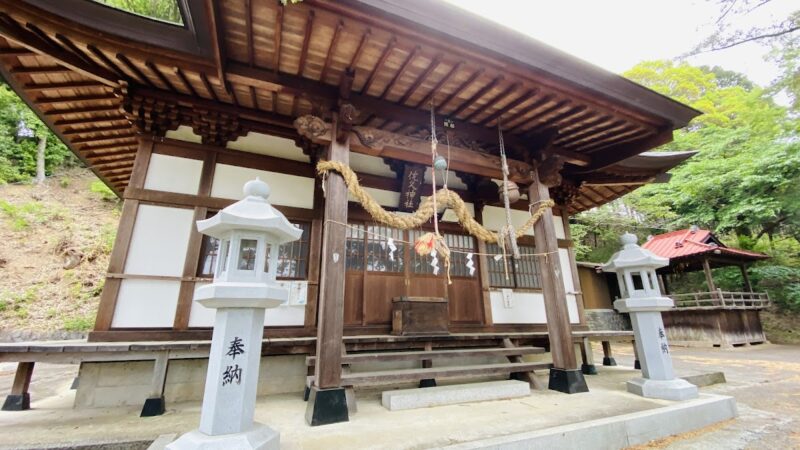
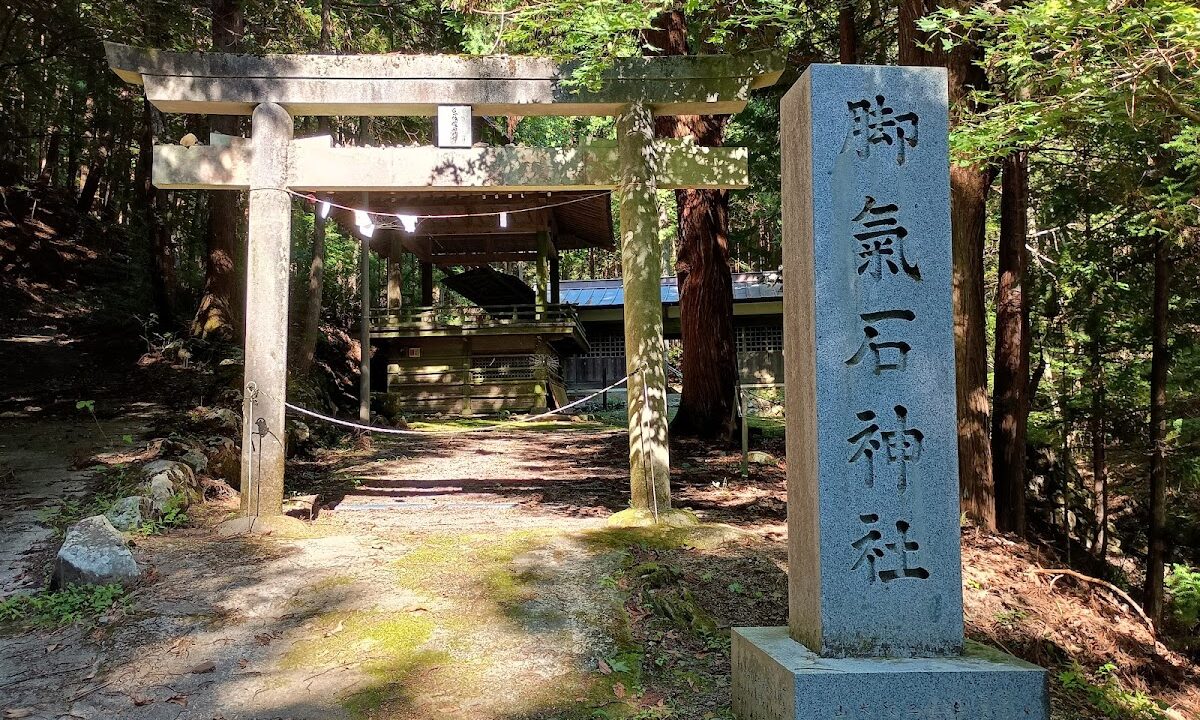
Located in the quiet environment of Kami-Obina-cho, Kofu City, Kakkiishi Inari Shrine is a small yet solemn shrine. The surrounding area is rich in nature, surrounded by mountains, and visitors can be seen stopping by while hiking in the mountains such as Mount Obina.
Access and Visiting Information
Location
Address: 2314 Kami-Obina-cho, Kofu City, Yamanashi Prefecture
Access Method
Access to Kakkiishi Inari Shrine is most convenient by private car. Head north from Kofu city center towards Kami-Obina-cho. Public transportation is limited, so it is recommended to check transportation options in advance.
By Car:
- Approximately 20 minutes from Kofu-Showa IC on the Chuo Expressway
- Head north from Kofu city center via the national highway
By Public Transportation:
- Take a bus or taxi from Kofu Station on the JR Chuo Main Line
- Details must be confirmed in advance
Visiting Hours and Notes
Kakkiishi Inari Shrine is generally open for worship all day, but the shrine office’s operating hours may be limited. Those wishing to obtain a Goshuin (shrine stamp) or amulet are advised to contact the shrine in advance.
Points to Note When Visiting:
- Located in a mountainous area, warm clothing may be necessary depending on the season.
- Some areas have uneven footing, so comfortable walking shoes are recommended.
- Parking space may be limited, so please use it with consideration for others.
Nearby Attractions and Mount Obina
Combining with Mount Obina Hiking
Kyokeishi Inari Shrine is located at the foot of Mount Obina (elevation 1,422m), one of the 100 Famous Mountains of Yamanashi Prefecture. Mount Obina is known as a relatively easy mountain to climb and is a popular course for hiking enthusiasts.
Many hikers stop by Kayokeishi Inari Shrine to pray for safety during their climb or to offer thanks after descending. As a shrine that presides over the health of the legs and lower back, it is an excellent match for hiking, an activity that uses the legs and lower back.
Characteristics of Mount Obina’s Climb:
- Elevation: 1,422m
- Climbing Time: Approximately 4-5 hours round trip
- Difficulty: Beginner to Intermediate
- View from the Summit: Views of the Kofu Basin and the Southern Alps
Nearby Shrines and Temples
Many historical shrines and temples are scattered throughout Kofu City. When visiting Kakkiishi Inari Shrine, it is also recommended to visit the following shrines:
- Inazumi Shrine (Shonoki Inari Daimyojin): A famous Inari shrine in Kofu City
- Takeda Shrine: A representative shrine in Kofu dedicated to Takeda Shingen
- Kai Zenkoji Temple: An ancient temple associated with Takeda Shingen
Modern Significance of Kakkiishi Inari Shrine
Leg and Lower Back Health in an Aging Society
While beriberi itself has become a rare disease in modern Japan due to advances in medicine, the importance of “leg and lower back health” is actually increasing in an aging society. In this “era of 100-year lifespans,” maintaining the health to walk on one’s own two feet until the very end is extremely important for maintaining a good quality of life.
Keikiishi Inari Shrine responds to this modern need, providing spiritual support to worshippers praying for healthy legs and hips. It can be said that it functions as a place that supports people’s health and longevity, where medicine and faith complement each other.
Visits by Sports Athletes
In recent years, there have been cases of sports athletes who put a lot of strain on their legs and hips visiting the shrine to pray for injury prevention and recovery. For marathon runners, soccer players, mountain climbers, and others engaged in activities where their legs and hips are their livelihood, Kakkiishi Inari Shrine holds special significance.
Value as the Only “God of Beriberi” in Japan
Among the many shrines throughout Japan, Kakkiishi Inari Shrine is said to be the only one that specializes in “beriberi” and “leg and hip health.” This uniqueness enhances the historical and cultural value of the shrine, making it a valuable site from a folkloric perspective.
Manners and Etiquette for Visiting a Shrine
Basic Shrine Visit Etiquette
When visiting Kakkiishi Inari Shrine, follow the general etiquette for visiting a shrine:
- Bow before passing through the torii gate: A courtesy before entering the sacred area.
- Purify yourself at the water basin: Purify your left hand, right hand, and mouth in that order.
- Walk along the edge of the path: The center is the path for the gods.
- Etiquette in front of the main hall: Two bows, two claps, one bow.
- State your wish specifically: Mentally recite your address and name, then state your specific wish.
How to Interact with the Sacred Stone
It is especially important to treat the sacred stone, which is the object of worship, with respect. Even if you are permitted to touch it, do so carefully and with gratitude.
Yamanashi Prefecture’s Shrine Culture and Kakkiseki Inari Shrine
Relationship with the Yamanashi Prefectural Shrine Association
Kakkiseki Inari Shrine is one of the shrines belonging to the Yamanashi Prefectural Shrine Association. The Yamanashi Prefectural Shrine Association is an organization that oversees shrines within the prefecture, handling maintenance and management of shrines, as well as training of Shinto priests.
Religious Culture Associated with the Takeda Clan
Yamanashi Prefecture is known as a land associated with the Takeda clan, including the famous Sengoku period general, Takeda Shingen. Kakkiseki Inari Shrine, as a shrine originating from the legend of Takeda Nobutora, forms part of Yamanashi Prefecture’s historical and cultural heritage.
Many shrines and temples related to the Takeda clan exist within the prefecture, and visiting them allows for a deeper understanding of Yamanashi’s history.
Summary: The Charm of Kakkiseki Inari Shrine
Kakkiseki Inari Shrine boasts a history of approximately 460 years, beginning with the legend of Takeda Nobutora, and is a venerable shrine that has been granted the highest rank of Shinto priest. As the only shrine in Japan dedicated to the gods of beriberi and legs, it continues to attract the faith of many people today.
In an aging society, it serves as a place that fulfills people’s wishes in a way that meets the needs of the times, such as maintaining leg and back health, preventing sports injuries, and praying for successful rehabilitation. Its significance will only continue to grow.
When visiting Yamanashi Prefecture, why not visit this historic shrine, feel the power of the sacred stone, and pray for good leg and back health? Combining it with a hike up Mount Obina will allow you to spend a fulfilling time refreshing both your mind and body in nature.
Nestled in the quiet mountains of Kami-Obina-cho, Kofu City, Kakkiishi Inari Shrine is a special place that gives visitors gratitude for their health and hope for continuing to walk energetically in the future.