Chiba-dera Temple (Chiba Prefecture) Complete Guide | History and Highlights of the 29th Temple of the Bando Thirty-Three Kannon Pilgrimage
Located in Chibadera-cho, Chuo-ku, Chiba City, Chiba Prefecture, Chiba-dera Temple (Sen’yōji) is a Shingon sect temple of the Buzan school, boasting a history of over 1300 years as the oldest temple in the city. This ancient temple, affectionately known as “Chibadera,” is the 29th temple of the Bando Thirty-Three Kannon Pilgrimage and attracts many pilgrims. This article provides a detailed introduction to Chiba-dera Temple, including its history, highlights, access methods, and surrounding tourist attractions.
History and Origin of Chiba-dera Temple
Founding and Founder
The history of Chiba-dera Temple dates back to 709 AD (Wadō 2). According to temple tradition, it began when the high-ranking monk Gyōki, who was traveling through eastern Japan, visited the area and enshrined an eleven-faced Kannon Bodhisattva. Later, by imperial decree of Emperor Shōmu, it was granted the temple name “Chiba-dera.”
Excavations conducted by Chiba City between 1930 and 1952 confirmed the existence of a 4×4 bay tiled main hall from the late Nara period. Tiles characteristic of the Nara period have also been unearthed from the temple grounds, archaeologically supporting the temple’s founding as far back as the Nara period.
Relationship with the Chiba Clan
In the medieval period, Chiba-dera Temple, located near Inohana Castle (Chiba Castle), the Chiba clan’s residence, played an important role as a place of prayer for the Chiba clan. In 1160, the temple buildings were destroyed by fire, but it was later rebuilt and flourished as a center of local faith.
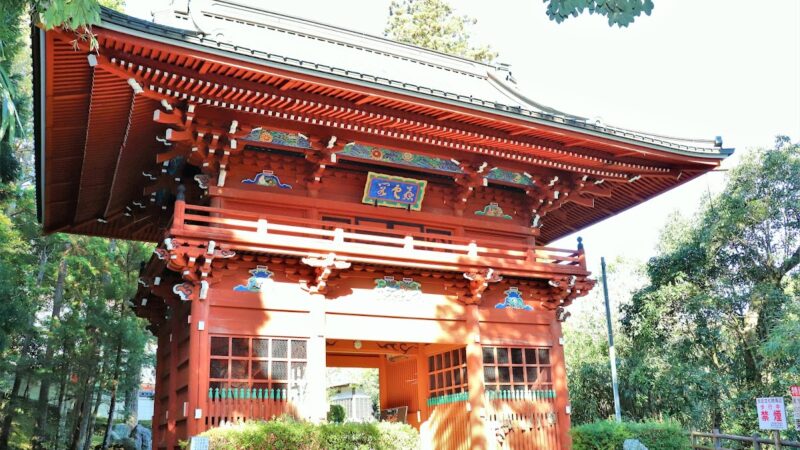
During the Edo period, the temple underwent improvements, and the current main gate was built during this time, remaining a historically valuable structure.
Highlights of Chiba-dera Temple
The Giant Ginkgo Tree, a Natural Monument
When visiting Chiba-dera Temple, the most striking feature is the gigantic ginkgo tree towering in front of the main hall in the center of the temple grounds. This “Chiba-dera Ginkgo Tree” is designated a natural monument of Chiba Prefecture and is said to have been planted the year after Chiba-dera Temple was founded (710 AD).
The tree is approximately 30 meters tall and has a trunk circumference of 8 meters, making it larger than the ginkgo tree at Tsurugaoka Hachimangu Shrine in Kamakura. In autumn, it displays magnificent yellow foliage, making it a beloved sight for locals and tourists alike. This giant tree, over 1300 years old, symbolizes the long history of Chiba-dera Temple and leaves a deep impression on visitors.
The Temple Gate from the Edo Period
The temple gate of Chiba-dera Temple, located along the Oami Highway, was built during the Edo period and is a valuable cultural asset that preserves the architectural style of that time. Despite being located in a residential area, stepping through this temple gate evokes a sense of tranquility and solemnity, as if entering a different world.
The structure and decoration of the gate showcase Edo-period craftsmanship, creating a historical atmosphere that welcomes visitors.
Main Hall and Eleven-Faced Kannon Bodhisattva
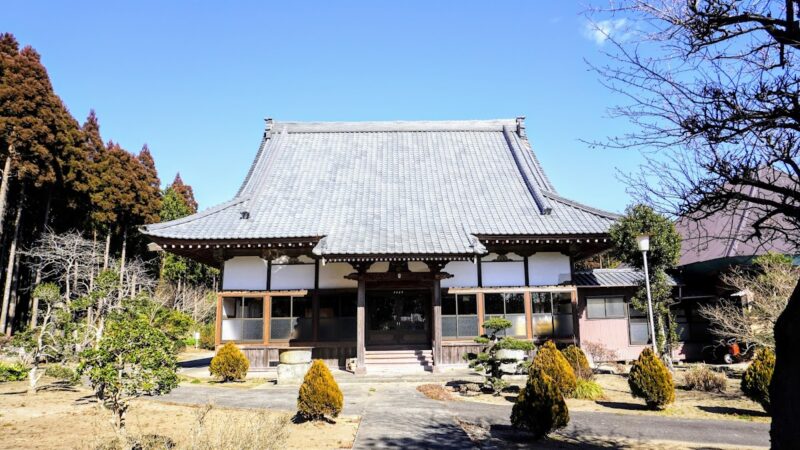
The principal image of Chiba-dera Temple is the Eleven-Faced Kannon Bodhisattva. The main hall is located in the center of the temple grounds and serves as a place of prayer for many visitors. As the 29th temple on the Bando Thirty-Three Kannon Pilgrimage, it is constantly visited by pilgrims.
A hymn is displayed in front of the main hall:
“My body, as I make my pilgrimage to Chiba-dera Temple, is also reassuring, like a boat being dipped by waves crashing against the shore.”
This hymn expresses the merit of visiting Chiba-dera Temple and the depth of faith in Kannon Bodhisattva.
Cultural Properties and Historic Sites on the Temple Grounds
The grounds of Chiba-dera Temple are a designated cultural property of Chiba City, and the entire area possesses historical value. The temple grounds, which have existed since the Nara period, also contain remains of an ancient temple revealed through archaeological excavations, making it a fascinating place for history enthusiasts.
The grounds also contain various artifacts from different eras, such as stone monuments and memorial towers, allowing visitors to experience Chiba’s history firsthand.
As the 29th Temple of the Bando Thirty-Three Kannon Pilgrimage
Chiba-dera Temple is the 29th temple of the Bando Thirty-Three Kannon Pilgrimage, and one of the important centers of Kannon worship in the Kanto region. The Bando Thirty-Three Kannon Pilgrimage originated from Minamoto no Yoritomo’s pilgrimage to Kannon temples in the Bando (Kanto region) after establishing the Kamakura Shogunate, and many believers continue the pilgrimage to this day.
Hours for Receiving Temple Stamps (Goshuin)
The hours for receiving temple stamps (Goshuin) at Chiba-dera Temple vary depending on the season:
- April to October: 8:00 AM to 5:00 PM
- November to March: 9:00 AM to 4:00 PM
Pilgrims are advised to visit within these hours. Bringing your Goshuincho (stamp book) will allow you to receive beautiful calligraphy and a temple stamp.
Basic Information about Chiba-dera Temple
Location and Contact Information
- Official Name: Kaijozan Senyoji Temple
- Sect: Shingon-shu Buzan-ha
- Principal Image: Eleven-faced Kannon Bodhisattva
- Founder: Gyoki Bodhisattva
- Established: Wado 2 (709 AD)
- Address: 161 (or 167-1) Chibadera-cho, Chuo-ku, Chiba City, Chiba Prefecture 260-0844
- Phone: 043-261-3723
- Admission Fee: Free (Grounds are freely accessible)
Access Methods
Access by Train
- Approximately 9 minutes on foot from Keisei Chihara Line “Chibadera Station”
- Convenient bus access from JR Chiba Station
Access by Bus
- From JR Chiba Station, take the Chuo Bus and get off at “Chibadera” bus stop. It’s a short walk from the bus stop.
- Multiple bus routes stop at the “Chibadera” bus stop.
Access by Car
- Approximately 13 minutes from the Keiyo Expressway Matsugaoka Interchange
- Located along the Oami Kaido road, it’s relatively easy to find.
Parking
There is a parking lot for visitors on the temple grounds. However, spaces are limited, so using public transportation is recommended during busy times.
Recommended Tourist Spots Around Chibadera
Chiba Shrine
Chiba Shrine is one of the representative shrines of Chuo Ward, Chiba City. Located towards Chiba Station from Chibadera, it is known as a center of Myoken worship. It features a rare architectural style with a multi-story shrine building, characterized by worship halls on both the upper and lower levels.
Chiba Shrine is known for its blessings of good fortune and protection against evil, and is bustling with many visitors throughout the year, including for New Year’s visits and Shichi-Go-San (a traditional Japanese rite of passage for children). Visiting it together with Chibadera allows you to enjoy a temple and shrine tour of Chiba City. ### Aoba-no-Mori Park
Near Chibadera Station lies the vast Aoba-no-Mori Park. This park is a representative urban park of Chiba Prefecture, equipped with sports facilities, a museum, and an arts and culture hall.
It is a popular spot for citizens to enjoy nature throughout the seasons, with cherry blossoms in spring, fresh greenery in early summer, and autumn leaves in fall. It is particularly known as a famous spot for cherry blossoms and plum blossoms, attracting many visitors during the flower viewing season.
Chiba Castle (Inohana Castle Ruins)
Located north of Chibadera Temple, the Chiba Castle ruins were the site of the Chiba clan’s residence. Currently, it is maintained as Inohana Park, and a replica castle tower (local history museum) has been built.
It functions as a museum where you can learn about the history of the Chiba clan, making it a must-see spot for those interested in Chiba’s medieval history. Considering that Chibadera Temple was a place of prayer for the Chiba clan, visiting both will allow you to gain a deeper understanding of the Chiba clan’s relationship with Buddhism.
Chiba City Local History Museum
Located within Chiba Castle, the local history museum boasts a rich collection of exhibits on Chiba’s history and culture. It also touches upon the history of Chiba-dera Temple, allowing visitors to learn about Chiba’s transformation from the Nara period to the present day.
Gourmet Spots Around Chiba-dera Temple
While the area around Chiba-dera Temple is primarily residential, there are various restaurants along the Oami Kaido road and towards Chiba Station.
Local Japanese Restaurants
Around Chiba-dera-cho, you’ll find traditional Japanese restaurants and soba noodle shops. Enjoying local cuisine after visiting the temple is highly recommended.
Gourmet Options Around Chiba Station
For a wider variety of choices, consider venturing to the area around Chiba Station. The area offers a wide selection of restaurants serving Chiba Prefecture’s local specialties, as well as national chain restaurants.
Annual Events and Festivals at Chiba-dera Temple
As a Buddhist temple, Chiba-dera Temple holds various annual events and festivals.
Main Annual Events
- Hatsumode (First Shrine Visit of the New Year): Many worshippers visit during the New Year.
- Setsubun-e (Bean-throwing Festival): A bean-throwing ceremony is sometimes held on Setsubun in February.
- Hanamatsuri (Flower Festival): A memorial service is held on April 8th, the Buddha’s birthday.
- Kannon Ennichi (Kannon Festival Day): The 18th of every month is the festival day for Kannon.
Please contact the temple directly for specific event dates.
Best Season to Visit Chiba-dera Temple
Autumn (Mid-November to Early December)
Autumn is the best time to visit Chiba-dera Temple. The large ginkgo tree, a natural monument, turns golden, and the entire temple grounds are enveloped in beautiful yellow foliage. On sunny days, the contrast between the blue sky and the yellow leaves is magnificent, making it perfect for photography.
Spring (March to April)
Spring at Chiba-dera Temple is also charming. Cherry trees are planted on the temple grounds and in the surrounding area, and you can visit in the refreshing air of the season of fresh greenery.
Summer and Winter
Summer is a good season for quiet worship, with lush greenery. Winter is less crowded, allowing for a peaceful stroll through the temple grounds.
Manners and Precautions for Visiting Chiba-dera Temple
Basic Worship Manners
- Bow at the Temple Gate: Bow before entering the temple gate.
- Be Quiet: Behave quietly within the temple grounds and be considerate of other worshippers.
- Photography: Limit photography inside the main hall. Permission may be required.
- Offering: Offer respectfully when praying in the main hall.
- Goshuin (Temple Stamp): When requesting a Goshuin, visit during the temple’s hours and make your request respectfully.
Clothing
There are no strict dress code regulations, but it is desirable to dress appropriately, as this is a sacred place. Avoid overly revealing clothing.
Accommodation near Chiba-dera Temple
For accommodation near Chiba-dera Temple, hotels around Chiba Station are convenient.
Hotels around Chiba Station
There are various accommodations around Chiba Station, from business hotels to city hotels. Chiba-dera Temple is easily accessible by bus from Chiba Station, making it an ideal base for sightseeing in Chiba City.
Around Soga Station
There are also hotels around Soga Station on the Keiyo Line, offering relatively good access to Chiba-dera Temple.
Temples and Shrines in Chiba City to Visit Along with Chiba-dera Temple
Chiba Shrine (Re-listed)
As mentioned above, Chiba Shrine is a representative shrine of Chiba City, and visiting it along with Chiba-dera Temple makes for a fulfilling temple and shrine tour.
Chiba Prefectural Gokoku Shrine
The Gokoku Shrine, adjacent to Chiba Castle, is another shrine where you can feel the history of Chiba.
Inage Asama Shrine
This ancient shrine located in Inage Ward, Chiba City, is known for its Fujizuka (miniature Mt. Fuji).
The Cultural Value of Chiba-dera Temple
Chiba-dera Temple is not merely a tourist spot, but an important cultural property that conveys the history and culture of Chiba City to the present day.
City-Designated Cultural Property
The grounds of Chiba-dera Temple are designated as a cultural property of Chiba City, and the entire grounds are protected. The remains from the Nara period, revealed through archaeological excavations, are valuable resources for understanding the ancient history of Chiba.
Prefectural-Designated Natural Monument
The ginkgo tree at Chiba-dera Temple is designated as a natural monument of Chiba Prefecture, and holds high value as a natural heritage site.
Planning a Visit to Chiba-dera Temple
Estimated Time Required
The grounds of Chiba-dera Temple are relatively compact, and a thorough visit takes about 30 minutes to an hour. If you plan to collect a temple stamp or enjoy taking photos at your leisure, it’s best to allow 1 to 1.5 hours.
Plans Combining Chiba Temple with Nearby Sightseeing
- Half-Day Course: Chiba-dera Temple → Aoba-no-Mori Park → Lunch near Chiba Station
- Full-Day Course: Chiba-dera Temple → Chiba Castle → Chiba Shrine → Stroll around Chiba Station
- Pilgrimage Course: Pilgrimage combining Chiba-dera Temple with other temples on the Bando Thirty-Three Kannon Pilgrimage route
Tips for Avoiding Crowds
Weekday mornings and off-peak seasons are relatively uncrowded. While the autumn foliage season is beautiful, it can get crowded on weekends, so weekday visits are recommended.
Summary
Chiba-dera Temple (Senyoji) is the oldest temple in Chiba City, with a history of over 1300 years, founded in 709 AD. It is the 29th temple on the Bando Thirty-Three Kannon Pilgrimage route and attracts many worshippers. It boasts numerous attractions, including a large ginkgo tree designated as a natural monument, an Edo-period temple gate, and Nara-period remains.
Easily accessible from Chiba Station, Chiba-dera Temple is surrounded by attractive tourist spots such as Chiba Shrine and Aoba-no-Mori Park. It’s a recommended place for history buffs, pilgrims, nature lovers, and anyone who wants to experience Chiba’s culture.
Why not spend some peaceful time in the tranquil atmosphere of the temple grounds, reflecting on its 1300-year history? Chiba-dera Temple, which displays different expressions in each of the four seasons, is a representative historical site of Chiba Prefecture where you can discover something new every time you visit.