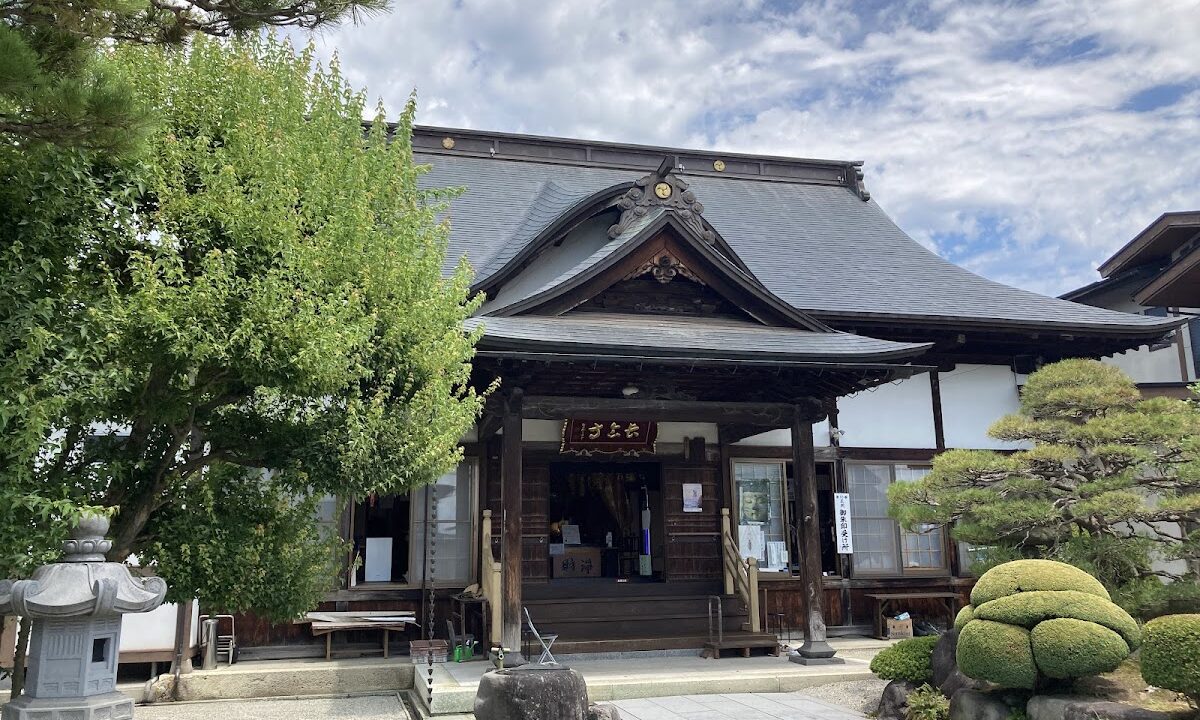
Chōnenji Temple (Sagae City, Yamagata Prefecture) Complete Guide | History, Goshuin (Temple Seal), and Pilgrimage Highlights
Located in the heart of Sagae City, Yamagata Prefecture, Chōnenji Temple is an ancient temple of the Shingon Chizan sect, dating back to the Kamakura period. Also known as “Nagaoka Kannon,” it welcomes many visitors as the 16th temple on the Mogami Thirty-Three Kannon Pilgrimage. This article provides detailed information you should know before visiting Chōnenji Temple, from its historical background and highlights within the temple grounds to information on goshuin (temple seals) and access methods.
Basic Information about Chōnenji Temple
Temple Overview
Official Name: Chōnenji Temple, Nagaokayama
Sect: Shingon-shu Chizan-ha
Principal Image: Fudo Myoo
Alternate Name: Nagaoka Kannon
Address: 2-4-19 Marunouchi, Sagae City, Yamagata Prefecture
Phone: 0237-86-2200
Opening Hours and Visiting Hours
- April to October: 7:00 to 18:00
- November to March: 8:00 to 17:00
Visiting hours vary depending on the season, so please check before visiting.
Access
Access by Train
Approximately 10 minutes on foot (approx. 0.8 km) from JR Sagae Line “Sagae Station”. Sagae Station on the Fruit Line Sagae Line is the nearest station. Access by Car Approximately 5 minutes from the Sagae Interchange on the Yamagata Expressway. The temple grounds have a parking lot for visitors (15 spaces).
Parking Information Free parking is available (approximately 15 spaces). It can get crowded during long holidays and temple festivals, so it is recommended to visit with plenty of time to spare.
History and Origins of Chōnenji Temple
Origin of Founding
There are two legends regarding the founding of Chōnenji Temple. According to one theory, it was founded during the Jōgan era (859-877) of the Heian period by Shinzei Sōjō, a senior disciple of Kūkai (Kūkai). Shinzei Sōjō is known as a direct disciple of Kūkai and was a high-ranking priest who spread the teachings of Shingon Esoteric Buddhism throughout the Tohoku region.
Initially, the Kannon Hall was built on the summit of Nagaokayama Mountain in the center of Sagae City, and the Eleven-Faced Kannon Bodhisattva was enshrined there. This Kannon statue attracted the faith of the local people and became affectionately known as “Nagaoka Kannon.”
Deep Connection with the Oe Clan
A major turning point occurred in the history of Chōnenji Temple during the Kamakura period. Ōe Chikahiro, the second son of Ōe Hiromoto, who served as a close confidant of Minamoto no Yoritomo, was appointed as the jitō (land steward) of Sagae Manor and became the first lord of Sagae Castle.
Ōe Chikahiro is said to have positioned Chōnenji Temple as a place of prayer for Sagae Castle and donated 72 koku of temple land. During this period, under the patronage of the Ōe clan, Chōnenji Temple developed into a central Shingon Buddhist temple in the Sagae region.
The standing eleven-faced Kannon Bodhisattva statue currently enshrined in the Kannon Hall is said to have been Ōe Chikahiro’s guardian deity and is attributed to the sculptor Kasuga Busshi. This statue is one of Chōnenji Temple’s most valuable cultural assets.
Changes in the Edo Period
In 1867 (Keio 3) of the Edo period, the Kannon Hall, which was located on Nagaokayama, was moved to the grounds of Chōnenji Temple, which was the temple in charge of the temple. This meant that the two centers of worship—Fudo Myoo in the main hall and Eleven-faced Kannon in the Kannon Hall—were consolidated into one temple grounds.
This relocation took place amidst the social changes of the time, just before the Meiji Restoration, and is thought to have been intended to streamline the maintenance and management of the temple.
Faith Continues to the Present
Despite the impact of the anti-Buddhist movement of the Meiji era, Chōnenji Temple has survived, supported by the fervent faith of the local people. Even today, as a temple of the Shingon Chizan sect, it continues to transmit Buddhist teachings through daily services and annual events.
Chōnenji Temple as a Pilgrimage Site
The Sixteenth Temple of the Mogami Thirty-Three Kannon Pilgrimage
Chōnenji Temple is the sixteenth temple of the Mogami Thirty-Three Kannon Pilgrimage, and is visited by many pilgrims. The Mogami Thirty-Three Kannon Pilgrimage is a series of Kannon pilgrimage sites scattered throughout Yamagata Prefecture, known as a pilgrimage route that has continued since the Edo period.
Principal Image of the Pilgrimage: Eleven-Faced Kannon Bodhisattva
Waka Poem: “With renewed vows to the Buddha of Nagaoka, may you also save me as I come here.”
The Eleven-Faced Kannon statue enshrined in the Kannon Hall welcomes worshippers with its compassionate expression, providing spiritual support to many.
Dewa Province Thirteen Buddha Pilgrimage, Temple No. 11
Chonenji Temple is also the eleventh temple of the Dewa Province Thirteen Buddha Pilgrimage. The Thirteen Buddha faith is a form of worship that involves visiting thirteen Buddhas who preside over memorial services from the seventh day after death to the 33rd anniversary of death.
Principal Deity of the Temple: Akshobhya Buddha
The Thirteen Buddha Pilgrimage is often undertaken for the purpose of honoring ancestors and praying for the repose of the deceased, and Chōnenji Temple is one of the important pilgrimage sites.
Other Pilgrimage Sites
Besides the two pilgrimage sites mentioned above, Chōnenji Temple is designated as a pilgrimage site for several other pilgrimage sites, making it a center of various faiths. Many worshippers visit these sites seeking peace of mind through pilgrimages.
Highlights of the Temple Grounds
Main Hall
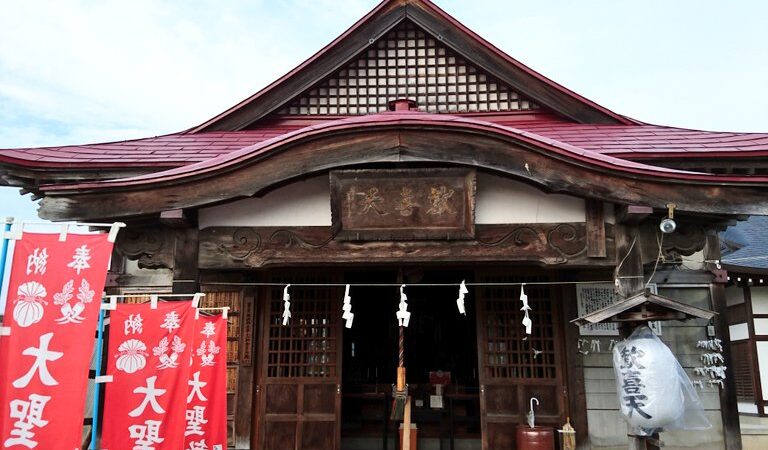
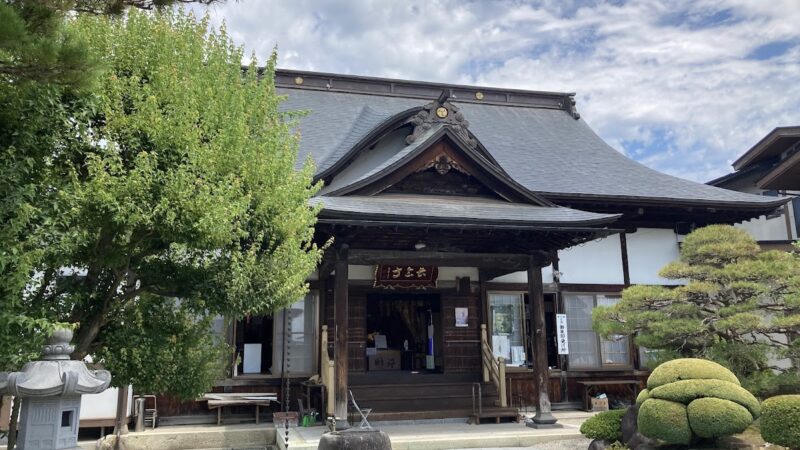
The main hall of Chōnenji Temple houses the principal deity, Fudo Myoo (Acala). Fudo Myoo is a particularly important Buddha in Shingon Buddhism, believed to have the power to sever worldly desires and subdue evil.
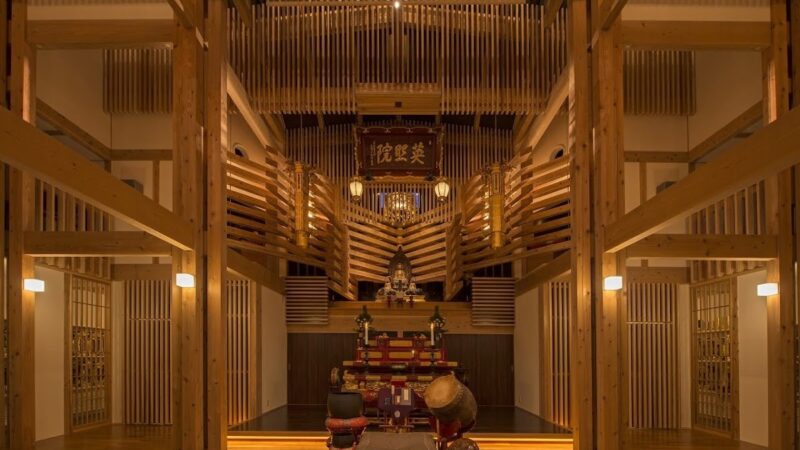
The architectural style of the main hall follows the traditional form of Shingon Buddhist temples, allowing for quiet worship in a solemn atmosphere. A goma altar is also set up in the inner sanctuary, and goma rituals are performed regularly.
Kannon-do Hall (Nagaoka Kannon-do Hall)
The Kannon-do Hall houses a standing statue of the Eleven-Headed Kannon Bodhisattva, said to have been the guardian deity of Oe no Chikahiro. This statue is attributed to the sculptor Kasuga and is a valuable Buddhist image that preserves the style of the late Heian period to the early Kamakura period.
The Eleven-Headed Kannon has eleven faces on its head and is said to watch over and save all sentient beings from all directions. Its gentle expression and graceful posture have soothed the hearts of many worshippers.
Dry Landscape Garden
Within the grounds of Chōnenji Temple is a dry landscape garden created in 1965 by the then-chief priest himself. Three dry landscape gardens with different styles are arranged, each expressing its own unique beauty.
Garden Features:
- Traditional dry landscape garden style with white sand and stone arrangements
- Spatial composition expressing Zen-like tranquility and harmony
- Planting arrangement that allows you to enjoy the changing seasons
The garden is open to visitors, allowing them to sit quietly and meditate or contemplate. The garden is especially beautiful when viewed in the refreshing air of early morning.
Relationship with Sagae Castle Ruins
Chonenji Temple is located within the San-no-maru (third bailey) area of Sagae Castle Ruins. Sagae Castle was a mountain castle that served as the residence of the Oe clan for approximately 400 years, and is now maintained as a castle ruins park.
When visiting the temple, you can also enjoy exploring the surrounding castle ruins. From the castle ruins, you can enjoy a panoramic view of Sagae city and feel the remnants of the former castle town.
Goshuin (Temple Seal) Information
Types of Goshuin
Chonenji Temple offers several types of goshuin.
Regular Goshuin (Temple Seals):
- Goshuin of Chōnenji Temple (Main Hall)
- Goshuin of Nagaoka Kannon (Kannon Hall)
Goshuin for Pilgrimage Sites:
- Goshuin of the 16th Temple of the Mogami Thirty-Three Kannon Pilgrimage
- Goshuin of the 11th Temple of the Dewa Province Thirteen Buddha Pilgrimage
- Goshuin of other pilgrimage sites
Goshuin Reception Hours
Goshuin can be obtained at the reception office during business hours (April-October: 7:00-18:00, November-March: 8:00-17:00). However, service may be unavailable during religious services or events, so it is recommended to call in advance to confirm if you wish to obtain a goshuin.
About Goshuin Notebooks
Chōnenji Temple also offers original goshuin notebooks. The designs feature motifs of Nagaoka Kannon and the temple grounds, making them popular as souvenirs of your visit.
Manners for Receiving a Goshuin (Temple Stamp):
- Receive the Goshuin after completing your prayers.
- Open your Goshuincho (stamp book) and have it ready.
- Request the stamp using polite language.
- Have small change ready for the Goshuin fee (usually around 300 yen).
Annual Events
Main Ceremonies and Events
At Chōnenji Temple, various annual events based on the traditions of the Shingon sect are held.
Spring Events:
- Spring Equinox Ceremony (March)
- Flower Festival (April 8th): A Buddhist service celebrating the birth of Buddha
Summer Events:
- Segaki Ceremony (August): A memorial service for ancestors
- Obon Ceremony (August 13th-16th)
Autumn Events:
- Autumn Equinox Ceremony (September)
- Thirteenth Night Moon Viewing Ceremony (13th day of the 9th month of the lunar calendar)
Winter Events:
- New Year’s Eve Bell Ringing (December 31st)
- First Shrine Visit of the Year / New Year’s Ceremony (January 1st-3rd)
Temple Fair and Special Viewings
The Kannon Hall’s temple fair is held on the 18th of every month. Special services are held on this day, and Buddhist statues that are usually not open to the public may be unveiled. Also, during the pilgrimage season for the Mogami Thirty-Three Kannon Pilgrimage (spring to autumn), the temple is bustling with many pilgrims.
Combine your visit with sightseeing in Sagae City
Nearby attractions
When visiting Chōnenji Temple, you can also visit other tourist spots in Sagae City.
Sagae Castle Ruins Park: A castle ruins park located very close to Chōnenji Temple. Known as a famous cherry blossom viewing spot in spring, it offers a panoramic view of the city.
Jionji Temple: An ancient Tendai sect temple located on the opposite bank of the Sagae River, next to Sagae City. It houses numerous buildings and Buddhist statues designated as important national cultural properties.
Sagae Hachimangu Shrine: A shrine revered as the tutelary deity of the Ōe clan. The magnificent shrine buildings and the cedar trees lining the grounds are impressive.
Sagae, the Cherry Blossom Village
Sagae City is known nationwide as the “Cherry Blossom Village.” Many tourists visit during the cherry-picking season from June to July. In addition to visiting Chōnenji Temple, we also recommend cherry picking at the orchard.
Sagae Onsen
There are also day-trip hot spring facilities in the city where you can relax and unwind after visiting the temple or sightseeing. Enjoy a leisurely time with dishes made with local ingredients.
Etiquette and Manners for Visiting Temples
Proper Etiquette for Visiting Temples
At Chōnenji Temple, a Shingon Buddhist temple, please observe the following proper etiquette for visiting.
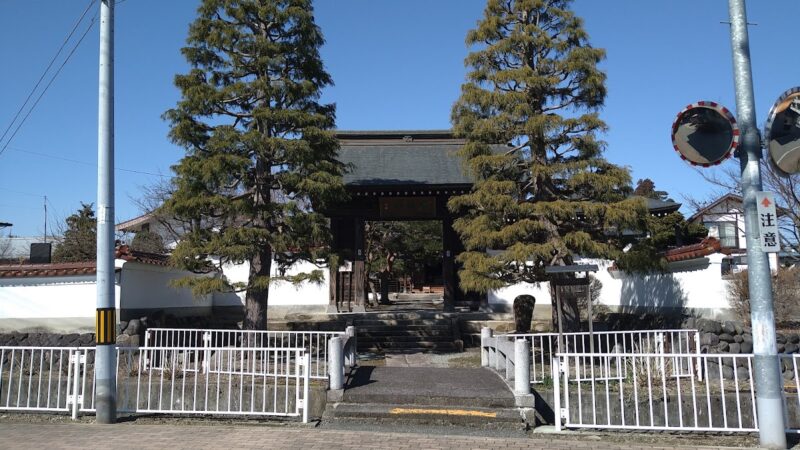
- Bow at the Temple Gate: Before entering the temple grounds, bow at the temple gate to compose yourself.
- Purify at the Water Basin: Cleanse your hands and mouth to purify yourself.
- Visit the Main Hall: Bow and pay respects to the principal image, Fudo Myoo.
- Visit the Kannon Hall: Bow and pay respects to the Eleven-Faced Kannon.
- Offering a Coin: Quietly offer your coin with sincerity.
- Praying Hands: Bring your hands together in front of your chest and pray with sincerity.
- Chant a Mantra: “Namu Daishi Henjo Kongo” or “Om Arorikya Sowaka” (Kannon Mantra)
Regarding Photography
Photography of the temple grounds and the exterior of the buildings is permitted, but photography of Buddhist statues and religious artifacts inside the Main Hall and Kannon Hall is generally prohibited. When taking photographs, please be considerate of other visitors, and if you have any questions, please check with the temple office. ### Clothing and Belongings
While there are no particularly strict dress code regulations, please dress appropriately and respectfully for visiting a temple. A hat or parasol is recommended in summer, and warm clothing in winter. If you plan to receive a temple stamp (Goshuin), please have your stamp book and small change ready for a smoother experience.
Cultural Properties and Treasures of Chōnenji Temple
Eleven-Headed Kannon Bodhisattva Standing Statue
The most important cultural property of Chōnenji Temple is the Eleven-Headed Kannon Bodhisattva Standing Statue, housed in the Kannon Hall. This statue, said to be the work of Kasuga Buddhist sculptor, exhibits the style of the late Heian period to the early Kamakura period.
The statue is approximately 1 meter tall and carved from a single piece of cypress wood. It is characterized by its gentle expression and graceful posture, and is highly regarded as an excellent example of a local Buddhist sculptor’s work. It is currently designated as a cultural property of Sagae City.
Other Buddhist Statues
In addition to the principal image of Fudo Myoo, the main hall houses various Buddhist statues typical of Shingon Buddhist temples, including statues of Kobo Daishi and the Four Heavenly Kings. These statues were created from the Edo period to the Meiji period, and tell the story of the region’s religious history.
Ancient Documents and Records
Chonenji Temple possesses ancient documents that show its relationship with the Oe clan, as well as records concerning the temple’s management during the Edo period. These materials are valuable historical resources for the study of the history of the Sagae region.
About the Shingon Chizan School
Characteristics of the School
The Shingon Chizan School, to which Chonenji Temple belongs, is one of the major schools of Shingon Buddhism. Its head temple is Chishakuin in Kyoto, and it has approximately 3,000 branch temples throughout Japan.
Shingon Buddhism Teachings:
- Founder: Kobo Daishi Kukai (774-835)
- Principal Deity: Dainichi Nyorai
- Scriptures: *Mahavairocana Sutra*, *Vajrasekhara Sutra*
- Characteristics: Emphasizes the practice of esoteric Buddhism and preaches attaining Buddhahood in this lifetime.
History of the Chizan School
The Chizan school traces its lineage back to the Shingi Shingon sect founded by Kogyo Daishi Kakuban during the Kamakura period. It was organized around Chishaku-in Temple during the Edo period and continues to this day.
Emphasizing a balance between teaching and practice, monks who have undergone rigorous training called *kegyo* conduct missionary activities at each temple.
Connections with the Community
Parishioners and the Local Community
Chonenji Temple has many parishioners both inside and outside Sagae City, and is deeply involved with local people through funerals, memorial services, and ancestral worship. It also actively participates in local cultural and welfare activities, fulfilling its social role as a temple.
Cultural Property Preservation Activities
Chonenji Temple strives to preserve and display its cultural properties and also cooperates in the preservation of Sagae City’s historical and cultural heritage. Regular cultural property surveys and cultural lectures for citizens are also held.
Contribution to Tourism Promotion
As a pilgrimage site for the Mogami Thirty-Three Kannon Pilgrimage, Chonenji Temple is one of Sagae City’s tourist attractions. Through welcoming pilgrims and tourists, it contributes to the revitalization of the local economy.
Visitor Testimonials
Pilgrim Experiences
Those who have completed the Mogami Thirty-Three Kannon Pilgrimage have shared comments such as, “My heart was healed by the gentle expression of Nagaoka Kannon,” and “I was able to calm my mind in the quiet temple grounds.”
In particular, the beauty and tranquility of the dry landscape garden are popular with many visitors, and it is cherished as “a place where one can forget the hustle and bustle of the city and meditate.”
Local Faith
For local parishioners, Chōnenji Temple is their ancestral temple and a cherished place they visit at important milestones in their lives. They maintain deep ties with the temple through seasonal events such as New Year’s visits, Obon (Buddhist festival), and Higan (equinox).
Summary: The Charm of Chōnenji Temple
Chōnenji Temple in Sagae City, Yamagata Prefecture, is an ancient temple of the Shingon Chizan sect with a long history dating back to the Heian period and deep ties to the Ōe clan. It is also a center of faith, visited by many pilgrims, as the 16th temple of the Mogami Thirty-Three Kannon Pilgrimage and the 11th temple of the Dewa Province Thirteen Buddha Pilgrimage.
Main Attractions of Chōnenji Temple:
- Historical Value: Rich history, including its founding in the Heian period and its relationship with the Ōe clan during the Kamakura period.
- Cultural Assets: Precious Buddhist statues, including an eleven-faced Kannon statue said to be the work of the sculptor Kasuga Busshi.
- Pilgrimage Site: An important base on pilgrimage routes as a pilgrimage site for multiple sacred sites.
- Garden Beauty: Three dry landscape gardens created during the Showa period.
- Access: Conveniently located within walking distance of JR Sagae Station.
- Nearby Attractions: Diverse tourist resources such as the ruins of Sagae Castle and cherry picking.
Chōnenji Temple offers a space where history, faith, and art harmonize, providing visitors with peace of mind and spiritual fulfillment. When visiting Sagae City, Yamagata Prefecture, be sure to visit this ancient temple and feel the spirit of Buddhist culture that has continued for over a thousand years.
As you clasp your hands together in the tranquil temple grounds and gaze upon the benevolent eyes of the Eleven-Faced Kannon, you will surely feel a refreshing sense of peace and tranquility. Along with its dry landscape garden that displays different expressions in each season, Chōnenji Temple is a hidden gem in Yamagata that offers new discoveries and inspiration with every visit.