Complete Guide to Awa Shrine | History, Benefits, and Visiting Information for the 2700-Year-Old Ichinomiya of Awa Province
Located in Tateyama City, Chiba Prefecture, Awa Shrine is one of the oldest shrines on the Boso Peninsula, boasting a history of over 2700 years. As the Ichinomiya (first-ranked shrine) of Awa Province, it has long attracted devout followers and is affectionately known locally as “Daijingu” (Great Shrine). Because it enshrines the god of the founding of Japanese industry, it is known as a prestigious power spot attracting visitors from all over Japan seeking blessings for business prosperity, technological advancement, and craftsmanship.
This article comprehensively introduces all the information you need to know before visiting Awa Shrine, including its history, enshrined deities, benefits, highlights within the grounds, how to worship, and access information.
History and Origins of Awa Shrine
Founding Legend and 2700 Years of History
Awa Shrine is said to have been founded in the first year of the imperial era (660 BC), when Emperor Jimmu ascended to the throne as the first emperor, boasting a history of over 2700 years. This long history places it among the oldest shrines in Japan, and it is positioned as one of the oldest shrines on the Boso Peninsula.
The circumstances of its founding are recorded in ancient documents such as the “Kogo Shūi.” Amenotomi-no-Mikoto, acting on the orders of Emperor Jimmu, sought fertile land and proceeded with land development. Amenotomi-no-Mikoto first landed in Awa Province (present-day Tokushima Prefecture), and after developing the land, he led the Imbe clan, who were skilled in cultivating hemp and grains, to land in Mera at the southern tip of the Boso Peninsula.
The Development of Boso Peninsula by Amenotomi-no-Mikoto and the Founding of Awa Shrine
Upon landing on the Boso Peninsula, Amenotomi-no-Mikoto, in order to develop the area, founded a shrine to his ancestral deity, Amenotama-no-Mikoto. This is considered the beginning of Awa Shrine. Because Amenotomi-no-Mikoto moved from Awa Province to Boso, the area was named “Awa,” and later became Awa Province, one of the provinces under the Ritsuryo system.
The Imbe clan was a powerful clan that oversaw the rituals of the imperial court, and was particularly skilled in hemp cultivation, weaving, and woodworking. The technologies they brought to Boso formed the foundation of the region’s industrial development, and Awa Shrine developed as a central place of worship.
The Status of Awa Province’s Ichinomiya (First Shrine)
In ancient times, Awa Province was considered important by the imperial court as a source of tribute, including abalone and other marine products. Awa Shrine, as the central shrine of Awa Province, has long been revered by the imperial court. From the medieval period onward, it was designated as the Ichinomiya (first-ranked shrine) of Awa Province, and came to be recognized as one of the most prestigious shrines in the country.
An Ichinomiya is the shrine with the highest rank in each province under the Ritsuryo system. Awa Shrine’s designation as Ichinomiya indicates its religiously and politically most important position in Awa Province.
Awa Shrine in the Modern Era
After the Meiji Restoration, when the modern shrine ranking system was introduced, Awa Shrine was ranked as a Kanpei Taisha (Grand Imperial Shrine), the highest rank. Kanpei Taisha are shrines of second highest rank, after Ise Grand Shrine, and there were only 67 such shrines nationwide. This speaks to the historical importance and high status of Awa Shrine.
After World War II, the shrine ranking system was abolished, but Awa Shrine continues to be the Ichinomiya of Awa Province and remains a center of local faith.
Deities and Blessings
Main Deity: Amenofutodama-no-Mikoto
The main deity of Awa Shrine is Amenofutodama-no-Mikoto. Amenofutodama-no-Mikoto is known as the god who performed rituals in front of the Amano-Iwato cave when Amaterasu Omikami hid there, contributing to her luring out. Due to this important role in mythology, Amenofutodama-no-Mikoto is revered as the god who presides over rituals and as the ancestral deity of all industries in Japan.
Amenofutodama-no-Mikoto is also the ancestral deity of the Imbe clan and is considered the founder of various industrial technologies, including hemp cultivation, weaving, woodworking, and metalworking. Therefore, Awa Shrine has attracted fervent devotion, particularly from business owners and craftsmen, as a shrine for industrial development, technological advancement, and craftsmanship.
Deities Enshrined Together and Subsidiary Shrines
In addition to the main deity, Amenotama-no-Mikoto, the following deities are enshrined at Awa Shrine:
- Amenotomi-no-Mikoto: The ancestral deity of the Boso Peninsula’s development
- Ame-no-Oshihi-no-Mikoto: The child deity of Amenotama-no-Mikoto
- Ame-no-Hiritome-no-Mikoto: The consort deity of Amenotama-no-Mikoto
Furthermore, there are several subsidiary shrines within the grounds, each enshrining different deities. It is believed that by visiting these shrines as well, one can receive a wider range of blessings.
Blessings of Awa Shrine
Due to the nature of its enshrined deities, Awa Shrine is believed to offer the following blessings:
Business Prosperity and Thriving
As it enshrines the ancestral deity of industry, many business owners and entrepreneurs visit the shrine to pray for business prosperity and the development of their businesses. In particular, there is a constant stream of people praying for the success of new businesses and the development of companies.
Technical Improvement and Manufacturing
As a deity of various technologies brought by the Imbe clan, worshippers come to pray for the improvement of skills of craftsmen, engineers, creators, and other people involved in manufacturing.
Academic Success and Passing Exams
As a deity of wisdom and technology, many students and examinees come to pray for academic success and passing qualification exams.
Good Fortune and Fulfillment of Wishes
Awa Shrine is also known as a powerful spiritual spot, and many people visit when they are at a turning point in their lives or starting something new.
Increased Financial Luck
As it is sometimes counted as one of Japan’s three major shrines for financial luck, worshippers also come to pray for increased financial fortune.
Highlights of the Shrine Grounds
Approach and Torii Gate
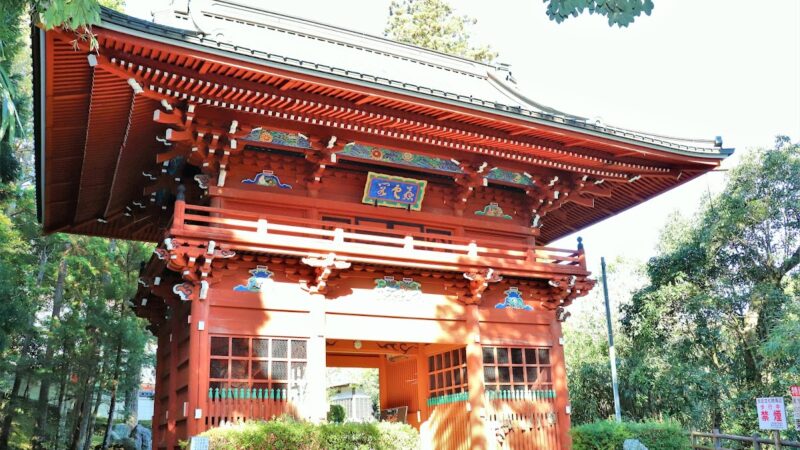
The approach to Awa Shrine is a pure space beautifully paved with white gravel. Passing through the first torii gate, a path stretches out to the second torii gate, and the sacred atmosphere intensifies with each step. Trees line both sides of the path, allowing visitors to appreciate the beauty of nature throughout the seasons.
Especially during the fresh greenery of spring and the vibrant autumn foliage, the scenery of the path becomes even more beautiful, captivating visitors. The path is relatively flat with few stairs, making it relatively easy for the elderly and those in wheelchairs to visit.
Main Hall and Worship Hall
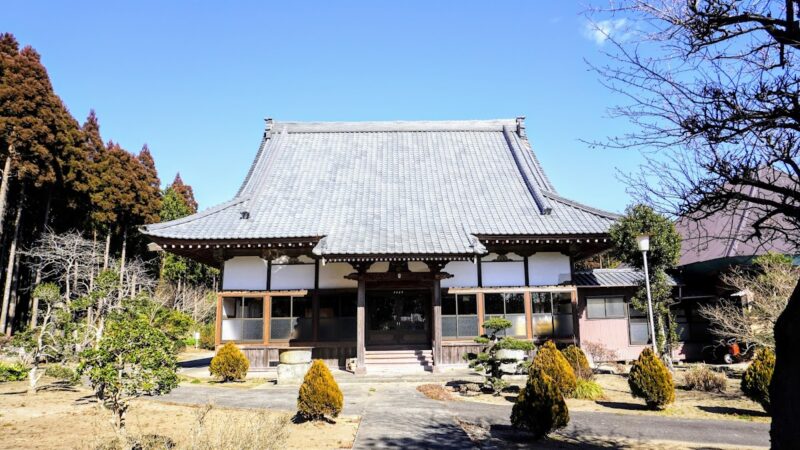
The main hall of Awa Shrine is built in the Shinmei-zukuri architectural style. Shinmei-zukuri is one of the oldest shrine architectural styles in Japan, exemplified by Ise Grand Shrine, and is characterized by its gabled roof and linear beauty. The fact that Awa Shrine’s main hall is built in the Shinmei-zukuri style indicates a deep connection between this shrine and Ise Grand Shrine.
The worship hall is where worshippers offer their prayers and is located in front of the main hall. Standing before the main hall, you can feel the tranquil atmosphere of the entire shrine grounds, experiencing a refreshing sense of peace.
Upper and Lower Shrines
Awa Shrine has an upper shrine (main shrine) and a lower shrine. The upper shrine enshrines the principal deity, Amenotama-no-Mikoto, while the lower shrine enshrines Amenotomi-no-Mikoto and other auxiliary deities. Visiting both shrines is considered a more complete form of worship.
Sacred Trees and Nature
The shrine grounds contain sacred trees over several hundred years old, known as a powerful spiritual spot. These ancient trees tell the story of Awa Shrine’s long history and bestow the energy of nature upon visitors.
The shrine grounds are surrounded by abundant nature, and the chirping of wild birds and the rustling of trees create a pleasant atmosphere. You can escape the hustle and bustle of the city and spend time calming your mind in nature.
Historic Site Designation
Part of the Awa Shrine grounds is designated as a historical site by Tateyama City. This demonstrates the important role this shrine has played in the history of the region.
Annual Events and Festivals
Main Annual Events
Awa Shrine holds various festivals throughout the year. The main events include:
Grand Festival
This is the largest festival at Awa Shrine, held annually in early August. A procession of the portable shrine and various Shinto rituals take place, attracting many worshippers and local residents.
New Year’s Day Festival
This festival, held on January 1st to welcome the new year, prays for peace and prosperity throughout the year. The shrine grounds are bustling with worshippers making their first visit of the year.
Spring and Autumn Festivals
These festivals, held in spring and autumn, pray for a bountiful harvest and the safety of the parishioners.
Monthly Festivals
These are regular festivals held on the 1st and 15th of each month.
These festivals are important opportunities to preserve local traditions and offer gratitude to the gods.
How to Worship and Prayers
Etiquette for Worship
Worship at Awa Shrine follows the general etiquette for visiting a shrine:
- Bow before the Torii Gate: Before entering the shrine grounds, bow before the Torii gate.
- Purify at the Water Basin: Purify your hands and mouth at the water basin.
- Walk along the Path: The center of the path is considered the path of the gods, so walk along the sides.
- Worship at the Main Hall: Worship using the two bows, two claps, and one bow ritual.
- Bow upon Departure: Bow to the gods before leaving, again before the Torii gate.
About Prayers
Awa Shrine accepts various prayers for individuals and companies. We offer prayers for various wishes, including business prosperity, success in business ventures, family safety, traffic safety, and success in examinations.
If you wish to have a prayer performed, you can make a reservation by phone in advance or apply at the shrine office on the day of your visit. The offering fee (prayer fee) varies depending on the wish, so we recommend checking in advance.
Amulets and Goshuin (Shrine Seals)
The shrine office offers various amulets, talismans, and goshuin (shrine seals). Awa Shrine’s amulets are available to address various blessings, such as business prosperity, increased wealth, and academic success.
Goshuin are popular as proof of worship, and Awa Shrine’s goshuin are written in a powerful calligraphic style, making them a popular memento of your visit.
Access and Visiting Information
Location
Address: 589 Ogami-gu, Tateyama City, Chiba Prefecture
Phone: 0470-28-0034
Transportation Access
Access by Train and Bus
- Approximately 20 minutes by bus from JR Uchibo Line “Tateyama Station,” get off at “Awa Shrine Mae” bus stop.
- Approximately 15 minutes by taxi from JR Uchibo Line “Tateyama Station.”
Access by Car
- Approximately 20 minutes from Futtsu-Tateyama Expressway “Tomiura IC.”
- Approximately 2 hours from Tokyo via Tokyo Bay Aqua-Line.
Parking
There is a free parking lot along the approach to the shrine. There is parking space for approximately 30 regular cars, and it is relatively spacious. Except during busy times such as the annual festival, parking should not be a problem. The parking lot is located close to the main shrine, making it easily accessible for the elderly and those with mobility difficulties.
Visiting Hours and Admission Fee
Visiting Hours: Grounds are freely accessible (Shrine office is usually open from 9:00 to 17:00)
Admission Fee: Free
Precautions When Visiting
- The shrine grounds are a sacred place, so please visit in silence.
- Photography is permitted, but there are areas where photography is prohibited, such as inside the main hall.
- Please refrain from bringing pets to the shrine.
- Please take your trash with you.
Nearby Tourist Attractions
Tourist Attractions in Tateyama City
When visiting Awa Shrine, you can also visit other tourist attractions in Tateyama City:
Tateyama Castle (Shiroyama Park)
Tateyama Castle, a symbol of Tateyama City, offers a panoramic view of Tateyama Bay. It is also known as a famous cherry blossom viewing spot in spring.
Suzaki Shrine
Located at the western tip of the Boso Peninsula, this shrine enshrines the god who protects safety at sea.
Tateyama Bay (Kagamiura)
The calm waves and beautiful coastline make it perfect for swimming and marine sports.
Okinoshima Island
An uninhabited island floating in Tateyama Bay, offering opportunities for nature observation and snorkeling.
The Charms of the Southern Boso Peninsula
The southern Boso Peninsula is blessed with a mild climate and abundant nature. Fresh seafood and dishes made with local produce are among its attractions. A travel plan combining a visit to Awa Shrine with enjoying Boso’s nature and cuisine is highly recommended.
Tips for Visiting Awa Shrine
Awa Shrine as a Power Spot
Awa Shrine is known as a powerful spiritual spot, attracting many celebrities and business leaders. In particular, many people praying for business success and increased wealth have reported positive changes after their visit.
However, to experience the benefits of this power spot, it’s important not only to visit but also to face the deities with a sincere heart and not neglect your daily efforts. Awa Shrine can be said to be a shrine that encourages those who strive.
A Beloved Local Shrine Known as “Daijingu”
Locally, it is affectionately called “Daijingu” and has long been a beloved presence deeply intertwined with the lives of local residents. People in the region have visited Awa Shrine to offer prayers at turning points in their lives and when making important decisions.
This tradition of faith rooted in the region continues to this day, and Awa Shrine functions not merely as a tourist destination, but as a living place of worship.
Best Season for Visiting
Awa Shrine can be visited throughout the year, but each season offers a different charm:
Spring (March-May): The fresh greenery is beautiful, and you can visit in refreshing air.
Summer (June-August): It is especially lively in early August when the annual festival is held. Autumn (September-November): The autumn leaves are beautiful, and the shrine grounds are ablaze with color.
Winter (December-February): While it gets crowded during the New Year’s visit season, the tranquil atmosphere of winter is also appealing.
Summary: The Charm of Awa Shrine
Awa Shrine, with a history of over 2700 years, has remained the center of faith in the Boso Peninsula as the Ichinomiya (first-ranked shrine) of Awa Province. Because it enshrines Amenotama-no-Mikoto, the god of industrial creation, it is known for its blessings of business prosperity and technological advancement, and is a prestigious shrine that attracts worshippers from all over Japan.
The shrine grounds, surrounded by the rich nature of Tateyama City, Chiba Prefecture, are ideal for escaping the hustle and bustle of the city and finding peace of mind. With its historical value, diverse blessings, and beautiful natural environment, Awa Shrine is a shrine well worth visiting at least once.
Awa Shrine is open to everyone, from those wishing for business prosperity and success, to those aiming to improve their skills, those praying for academic success, or simply those seeking peace of mind. When you visit the Boso Peninsula, be sure to stop by this historic shrine. You’re sure to have a soul-cleansing experience in its sacred grounds.