Daikoin Temple Complete Guide | History, Highlights, and Access Information for Kosodate Donryu-sama
Located in Ota City, Gunma Prefecture, Daikoin Temple is a Jodo sect temple known nationwide by its nickname, “Kosodate Donryu-sama” (Child-Rearing Donryu-sama). Founded by Tokugawa Ieyasu, this ancient temple boasts a history of over 400 years and is a place of worship visited by many for prayers for safe childbirth and successful child-rearing. This article comprehensively introduces everything you need to know before visiting, from the historical background of Daikoin Temple to its highlights and visiting information.
What is Daikoin Temple?
Daikoin Temple is a Jodo sect temple located in Kanayama-cho, Ota City, Gunma Prefecture. Its official name is “Gijusan Daikoin Nittadera.” The mountain name “Gijusan” originates from Nitta Yoshishige, whom Tokugawa Ieyasu revered as an ancestor.
Known affectionately as “Donryu-sama” in the region, it enjoys immense popularity as a place of prayer, especially for safe childbirth, baby blessings, and Shichi-Go-San (a traditional Japanese rite of passage for children). It is a special pilgrimage site of the 33 Kannon of Higashi-Joshu and also enshrines Benzaiten, one of the Seven Lucky Gods of Gunma (Joshu Ota Seven Lucky Gods).
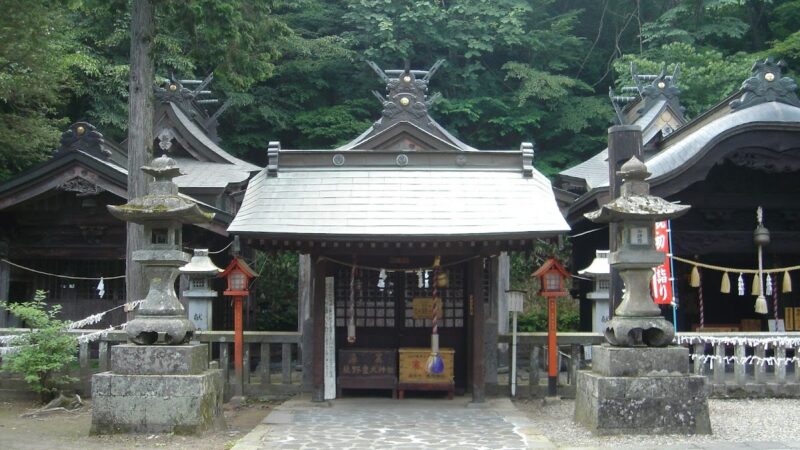
Its location at the southern foot of Mt. Kanayama is also distinctive; the lush greenery of Mt. Kanayama stretches out behind the main hall as a borrowed landscape, allowing visitors to enjoy the beautiful scenery of each season.
History of Daikoin Temple
Founding and Relationship with Tokugawa Ieyasu
Daikoin Temple was founded in 1613 (Keicho 18) by order of Tokugawa Ieyasu. Ieyasu held Nitta Yoshishige, a descendant of the Nitta clan and ancestor of the Tokugawa clan, in high regard, and built this temple for his memorial service.
The temple’s name, “Gishigeyama Nittaji Daikoin,” originates from the posthumous Buddhist name of Nitta Yoshishige, “Daikoin-dono Katayama Nishiko Daizenjomon.” To enhance his own authority, Ieyasu emphasized his connection to the Nitta clan, a prestigious branch of the Minamoto clan, and positioned this temple as a symbol of that connection.
The Achievements of the Founder, Donryu Shonin
Daikoin was founded by Donryu Shonin (1556-1623). Donryu Shonin was a high-ranking priest of the Jodo sect and was invited by Ieyasu to become the first head priest of Daikoin.
The reason Donryu Shonin became revered as “Donryu the Child-Rearer” is due to his compassionate actions of taking in and raising children from poor families at the temple. At a time when many families were forced to give up their children to reduce the number of mouths to feed, the monk saved many children and provided them with an education. This virtue became widely known, and he came to be worshipped as a guardian of safe childbirth and child-rearing. Numerous legends and relics related to the Venerable Donryu still remain on the temple grounds, and his spirit of compassion continues to be passed down even after more than 400 years.
Role as one of the Eighteen Jodo Sect’s Kanto Regional Headquarters
Daikoin played an important role as one of the Eighteen Jodo Sect’s Kanto Regional Headquarters during the Edo period. A headquarters was a training institution for Buddhist monks, and many scholars trained there. It functioned as a place of learning and has a history of making significant contributions to the development of Jodo Sect teachings.
Even after the Meiji era, Daikoin’s influence continued to spread. In 1881 (Meiji 14), Sohei Mogi (1827-1894), a wealthy merchant from Gunma Prefecture and founder of Nozawa Matsuzakaya and the Seventh Bank, established a branch temple to spread the virtues of Venerable Donryu, demonstrating the nationwide spread of his faith.
An Ancient Temple Featured in the Jomo Karuta Card Game
Daikoin Temple appears in the Jomo Karuta, a local card game of Gunma Prefecture. It is featured on a card with the verse “Child-rearing Donryu Daikoin,” making it a familiar presence for Gunma residents from childhood. This demonstrates the deep roots Daikoin Temple has in the local culture.
Highlights of the Temple Grounds
Main Hall and Principal Image: Amida Buddha
The main hall of Daikoin Temple has a dignified presence, welcoming visitors with a solemn atmosphere. The principal image is Amida Buddha, symbolizing the compassion of Amida Buddha, the central figure in the teachings of the Jodo sect.
Inside the main hall, prayers for safe childbirth and child-rearing are held daily, attracting many visitors. It is especially crowded on the Day of the Dog (Inu no Hi) with pregnant women and their families seeking prayers for safe childbirth.
Garyu-matsu (Sleeping Dragon Pine)
The black pine tree in front of the main hall is called “Garyu-matsu” (Sleeping Dragon Pine) and is a symbolic presence at Daikoin Temple. As its name suggests, it has a unique shape resembling a reclining dragon, allowing visitors to appreciate the natural beauty shaped over many years.
This pine tree, estimated to be several hundred years old, evokes a sense of history and the mystery of nature in visitors. It is also a popular photo spot, displaying different expressions throughout the seasons.
Benzaiten-do Hall and the Gunma Seven Lucky Gods
Daikoin Temple enshrines Benzaiten, one of the seven lucky gods of Joshu Ota. Benzaiten is worshipped as the goddess of learning, art, and wealth, and many worshippers visit the Benzaiten-do Hall on the temple grounds.
Many people visit Daikoin Temple as part of a pilgrimage to the seven lucky gods, and it is especially crowded with pilgrims during the New Year.
Sites and Historical Remains of Donryu Shonin
The temple grounds are dotted with sites and historical landmarks related to Donryu Shonin. Places where you can feel history firsthand are preserved, such as the well he actually used and the remains of the building where he raised his children.
These historical sites are valuable cultural assets that convey Donryu Shonin’s compassionate spirit to the present day, and they deeply move visitors.
Landscape with Mt. Kanayama as a Borrowed Scenery
One of the charms of Daikoin Temple lies in its location. Situated at the southern foot of Mt. Kanayama, the lush green Mt. Kanayama stretches out behind the main hall, creating a magnificent borrowed landscape.
The natural beauty of Mt. Kanayama, which shows different expressions in each of the four seasons—the fresh green of spring, the deep green of summer, the autumn leaves, and the snowscape of winter—further enhances the tranquil atmosphere of the temple grounds. This scenic beauty soothes the hearts of visitors and enriches the pilgrimage experience.
Visiting and Praying at Daikoin Temple
Prayers for Safe Childbirth, Shrine Visit for Newborns, and Shichi-Go-San Ceremony
Daikoin Temple, as its name “Donryu, the Child-Rearing Dragon” suggests, is particularly known for prayers related to children.
Prayers for Safe Childbirth are often performed on the Day of the Dog, and it is customary to bring a maternity belt and receive prayers on the Day of the Dog in the fifth month of pregnancy. Prayers are offered for a safe delivery and the health of both mother and child, under the protection of Donryu Shonin.
Shrine Visit for Newborns is performed around one month after birth, and prayers are offered for the healthy growth of the baby. At Daikoin Temple, prayers are offered carefully according to traditional customs.
Shichi-Go-San is a popular event, mainly in November, where many families visit. It is an important ceremony to pray for the health and happiness of children at the milestones of 3, 5, and 7 years old.
These prayers are attended particularly by women, reflecting the deep faith passed down through generations.
Annual Events and Festivals
Daikoin Temple holds various events throughout the year. Particularly important events include the memorial service held on the anniversary of the death of Donryu Shonin, the spring and autumn equinox services, and the Obon (Buddhist festival) Segaki memorial service.
Many local residents participate in these events, demonstrating the strong connection between the temple and the community.
Daikoin Temple as a Tourist Spot
Position in Ota City Tourism
Daikoin Temple is one of Ota City’s representative tourist spots. It is also featured as a major tourist destination by the Ota City Tourism and Products Association, attracting many tourists from both within and outside the city.
With its historical value, cultural significance, and beautiful scenery, Daikoin Temple is an indispensable place for understanding the history and culture of Ota City.
Recommended Sightseeing Courses
When visiting Daikoin Temple, we recommend combining it with other nearby tourist spots.
The Kanayama Course allows you to visit Daikoin Temple and then climb to the ruins of Kanayama Castle, where you can see the remains of a mountain castle from the Sengoku period. From the mountaintop, you can enjoy a spectacular panoramic view of the Kanto Plain.
The Ota City Historical Tour** allows you to visit places such as the Ikushina Shrine, associated with Nitta Yoshisada, and the SUBARU (formerly Nakajima Aircraft) corporate museum.
The Seven Lucky Gods Pilgrimage** allows you to visit other temples and shrines of the Joshu Ota Seven Lucky Gods, enjoying a day-long pilgrimage to receive blessings.
Access Information
Location
37-8 Kanayama-cho, Ota City, Gunma Prefecture 373-0027
Access by Train
- Approximately 20 minutes on foot from Ota Station on the Tobu Isesaki Line
- Approximately 5 minutes by taxi
- Local buses are also available (please check the Ota City official website or the Ota City Tourism and Products Association for details)
Access by Car
- Approximately 15 minutes from Ota-Kiryu IC on the Kita-Kanto Expressway
- Approximately 30 minutes from Tatebayashi IC on the Tohoku Expressway
- Free parking available for visitors on the temple grounds
Parking Information
Daikoin Temple has a free parking lot for visitors. There is space for several dozen regular cars, and parking is usually not a problem. However, during busy periods such as New Year’s Day or the Day of the Dog, early arrival is recommended.
Visiting Information
Visiting Hours and Admission Fee
- Visiting Hours: Grounds are freely accessible (Visiting the main hall is only permitted during the daytime)
- Admission Fee: Free
- Prayer Reception: Approximately 9:00 AM to 4:00 PM (Advance confirmation recommended)
Manners and Precautions for Visiting
Daikoin Temple is still a functioning place of worship. Please observe the following points when visiting:
- Be quiet on the temple grounds and be considerate of other visitors.
- Photography is permitted, but please refrain from taking photos inside the main hall or during prayers.
- Dress appropriately for worship (especially if receiving prayers).
- Pets are generally not allowed.
Cultural Assets and Academic Value of Daikoin Temple
Daikoin Temple preserves numerous buildings and documents of historical and cultural value. The temple buildings, which retain the architectural style of the Edo period, and ancient documents related to Donryu Shonin, are important subjects for academic research.
Daikoin Temple provides valuable materials for diverse academic fields, including the history of the Jodo sect, the history of social welfare in the Edo period, and the relationship between the Tokugawa and Nitta clans.
Nearby Facilities and Gourmet Information
Nearby Tourist Facilities
- Kanayama Castle Ruins: A nationally designated historical site for a mountain castle.
- Ota City Museum of Art and Library: A modern multi-purpose cultural facility.
- Kanmuri Inari Shrine: A shrine known for matchmaking.
- Gunma Children’s Country: A park recommended for families.
Ota Gourmet
Ota City is also known as the “City of Yakisoba.” After visiting Daikoin Temple, we recommend trying Ota yakisoba at a local yakisoba restaurant. You can also enjoy other Joshu specialties such as “Okkirikomi” and “Mizusawa Udon” nearby.
Frequently Asked Questions
Are Daikoin Temple and Kyoto Daikoin Temple the same?
No, they are different temples. Daikoin Temple in Ota City, Gunma Prefecture, is a Jodo sect temple known as “Donryu-sama, the Child-Rearing Priest,” while Daikoin Temple in Kita Ward, Kyoto City, is a sub-temple of the Rinzai sect, Daitoku-ji branch. Although the names are the same, their sects and histories are completely different.
Can I get a Goshuin (temple stamp)?
Yes, you can get a Goshuin at Daikoin Temple. You can request one at the reception desk in the main hall. You can bring your own Goshuincho (stamp book) or purchase one on the spot.
Is a reservation necessary?
Reservations are not required for regular visits. However, if you wish to receive prayers for safe childbirth or Shichi-Go-San (a traditional Japanese rite of passage for children), it is recommended to call and make a reservation in advance. It is especially crowded on holidays and the Day of the Dog (Inu no Hi), so contacting in advance is advisable.
Summary
Daikoin Temple is a rare temple where history, culture, and faith are intertwined: its founding by Tokugawa Ieyasu, the compassionate spirit of Donryu Shonin, and a child-rearing devotion that has continued for over 400 years.
With its beautiful grounds framed by the Kanayama mountain, numerous attractions including the Garyu Pine tree, and a continuing tradition of prayers for safe childbirth and child-rearing, Daikoin Temple is beloved by many. When visiting Ota City, be sure to stop by Daikoin Temple and experience its history and spirit.
Beyond a tourist spot, Daikoin Temple offers much value as a place to learn about Japanese temple culture and the social history of the Edo period. The temple grounds, which display different expressions throughout the seasons, will offer new discoveries and inspiration with every visit.