Daioji Temple Complete Guide | A Soto Zen Temple with a 600-Year History and Nationally Designated Important Cultural Property
About Daioji Temple
Kurobane-san Daioji Temple is a Soto Zen temple located in Kurobane-cho, Otawara City, Tochigi Prefecture. Founded in 1404 (Oei 11), it boasts a history of over 600 years and has been protected by the Ozeki family, the lords of the Kurobane domain, for generations.
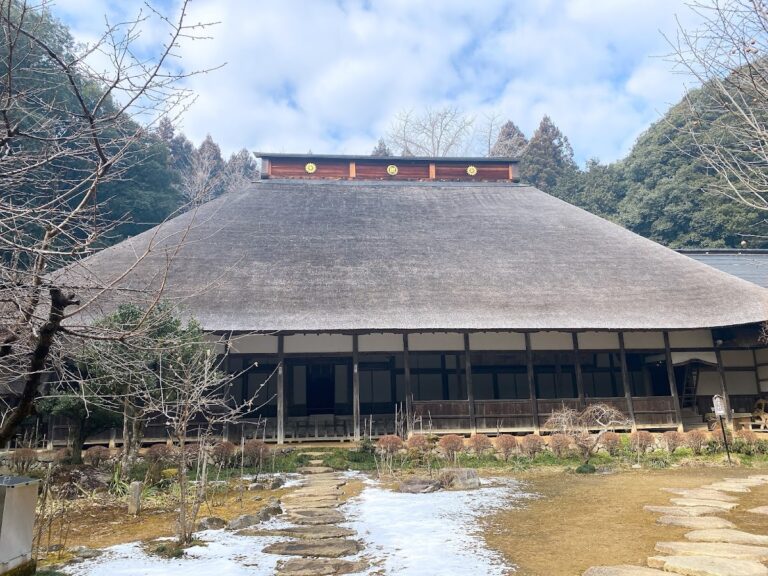
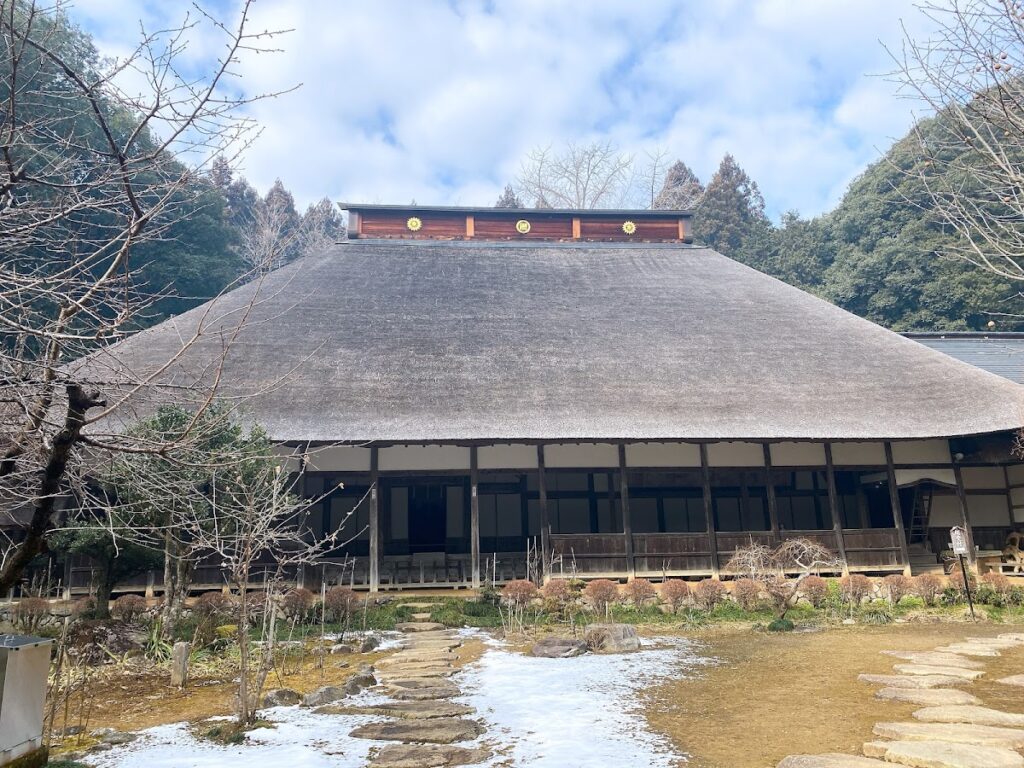
Seven thatched-roof buildings remain on the temple grounds, and the temple complex is complete with the main hall, meditation hall, priest’s quarters, main gate, corridors, mausoleum, and bell tower. These buildings were designated as National Important Cultural Properties in 2017 (Heisei 29), and are valuable cultural heritage that conveys the simple yet dignified architectural style of the Muromachi period.
Located on a hill where the ruins of Kurobane Castle lie, Daioji Temple’s grounds were developed from the mid to late Edo period. The layout, with a main gate in front of the main hall and corridors connecting the various halls including the Zen hall, represents a typical example of a Soto Zen temple complex.
History of Daioji Temple
From Founding to Relocation to Kurobane
Daioji Temple was founded in 1404 (Oei 11) at the northeastern edge of Shirahata Castle in Yose, Otawara City. From its inception, it had a deep connection with the Ozeki clan, the local lords, and played an important role as the Ozeki family’s ancestral temple.
In 1576 (Tensho 4), when Ozeki Takamasu moved his residence from Shirahata Castle in Yose to Kurobane Castle, Daioji Temple also relocated to its current location. This relocation solidified Daioji Temple’s position as a spiritual pillar of the Kurobane domain, integrated with Kurobane Castle.
Development during the Edo Period
Throughout the Edo period, Daioji Temple received generous patronage from the Ozeki family, the lords of the Kurobane Domain. From the mid- to late Edo period, the temple grounds were extensively developed, forming the thatched-roof buildings we see today.
The temple grounds also house the ancestral cemetery of the Ozeki family, and the temple played a vital role as a religious and cultural center in the region, serving as a memorial temple for the lords and their families.
Preservation and Succession in the Modern Era
Although the Kurobane Domain was abolished after the Meiji Restoration and the establishment of prefectures, Daioji Temple has continued to uphold its traditions as a Soto Zen temple. Maintaining the thatched-roof buildings requires considerable effort and expense, but their historical and cultural value has been recognized, and in 2017, nine buildings, including the main hall, were designated as National Important Cultural Properties.
Currently, in addition to preserving historical buildings, the temple also functions as a place to widely disseminate Zen teachings by offering programs for the general public, such as temple visits, Dharma talks, Zen meditation, and sutra copying.
Nationally Designated Important Cultural Property: Thatched-Roof Temple Building
Main Hall
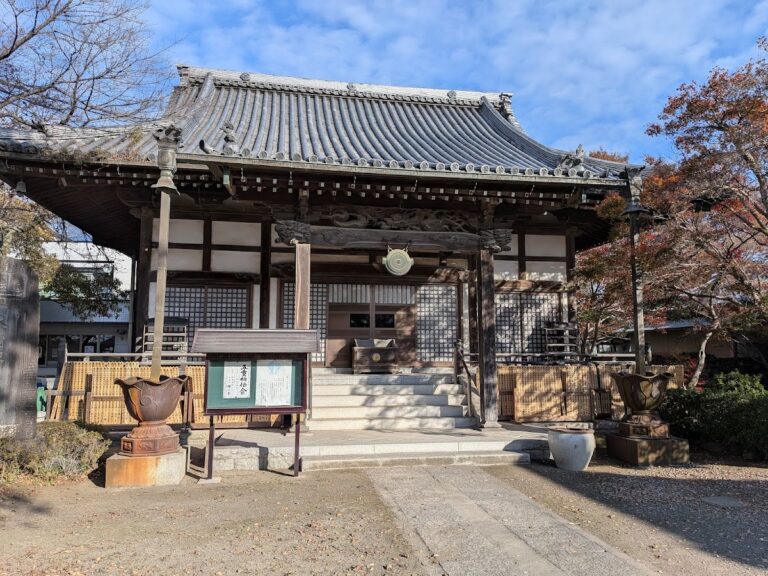
The main hall of Daioji Temple is a magnificent building with a thatched roof. It is large in scale and faithfully preserves ancient architectural styles in its floor plan and other aspects. A wooden seated statue of Shakyamuni Buddha is enshrined as the principal image, playing a central role in the Zen temple.
It strongly retains the simple yet dignified architectural style of the Muromachi period, and the interior space is filled with a serene atmosphere that embodies the spirituality of Zen. While the thatched roof requires periodic re-thatching, it is maintained using traditional techniques, conveying the beauty of Japanese architecture to the present day.
Zen Meditation Hall
The Zen Meditation Hall is an important building established as a dedicated space for monks to practice Zen meditation. In the Soto Zen school, zazen (seated meditation) is the foundation of training, and this zazen hall can be said to be a building that symbolizes the essence of Daioji Temple as a Zen temple.
Currently, it is open to the public as a place where they can participate in zazen experiences, offering a valuable opportunity to calm the mind while learning the methods of Zen.
Kuri and Corridor
The kuri is the building where the temple’s kitchen and administrative offices are located, and Daioji Temple’s kuri is a large thatched-roof structure. The corridor connects the main hall and other halls such as the Zen hall, serving a practical function of allowing movement even in rainy weather, as well as being an important aesthetic element that creates a sense of unity throughout the temple complex.
This configuration of connecting the various halls with a corridor represents a typical layout of Soto Zen temple complexes and has high architectural historical value.
Somon Gate, Mausoleum, and Bell Tower
The somon gate is the entrance to the temple grounds and is located in front of the main hall. The Otamaya (mausoleum) is a building dedicated to the spirits of the Ozeki family, illustrating the important role of Daioji Temple as a family temple. A temple bell hangs in the bell tower, its chime resonating throughout the temple grounds.
These seven thatched-roof buildings, together, perfectly preserve the appearance of an Edo-period Soto Zen temple. Their excellent state of preservation and high level of architectural perfection are the reasons for their designation as a National Important Cultural Property.
Seasonal Nature and Flowers
Spring Colors
In spring, Daioji Temple is adorned with a variety of flowers. Particularly famous are the clusters of irises (Shaga), whose delicate white flowers bloom throughout the grounds from late April to early May. Irises prefer shade and are often found in the grounds of old temples, but the irises at Daioji Temple are large in scale and captivate visitors.
Peonies (Botan) are also in full bloom around the same time. The magnificent blossoms of the peony, also known as the “King of Flowers,” harmonize beautifully with the simple beauty of the thatched-roof architecture, evoking the traditional beauty of Japanese gardens.
Furthermore, the temple grounds are home to a rare tree called the “Handkerchief Tree,” which produces unique flowers with white bracts that resemble handkerchiefs.
From Early Summer to Summer
In June, hydrangeas adorn the temple grounds. During the rainy season, the combination of hydrangeas glistening with rain and thatched roofs embodies a landscape that reflects traditional Japanese aesthetics.
In summer, lotus flowers bloom. The lotus, deeply connected to Buddhism, is a fitting plant for Daioji Temple, a Zen temple. The pure appearance of the lotus, which blooms in the early morning, symbolizes the spirituality of Zen.
Autumn Foliage
Daioji Temple is known as a famous spot for autumn foliage. The trees in the temple grounds turn red and yellow, creating a magnificent contrast with the thatched-roof buildings. The autumn foliage around the main hall is particularly beautiful, attracting many worshippers and tourists.
The best time to see the autumn leaves is usually from mid- to late November. Strolling through the temple grounds in the crisp autumn air, enveloped in silence, is a truly special experience.
Winter Silence
In winter, Daioji Temple presents a fantastical beauty with its snow-covered thatched roofs. With fewer visitors, the temple grounds are even more tranquil, providing an ideal environment for Zen practice.
Daioji Temple, where you can enjoy various flowers and scenery throughout the seasons, is a Zen temple full of seasonal charm, offering new discoveries with every visit.
Zen Meditation and Training Experiences
Zen Meditation Program
Daioji Temple offers Zen meditation experiences for the general public. Soto Zen meditation is called “Shikantaza,” emphasizing simply sitting.
In the meditation experience, you will first receive thorough instruction on the proper way to meditate. After learning the basics, such as how to cross your legs, hand position, posture, and breathing techniques, you will actually meditate in the meditation hall. Clear explanations are provided so that even beginners can participate with confidence.
The meditation session usually lasts 30 to 40 minutes, a precious time to face yourself in silence. By leaving the hustle and bustle of everyday life and calming your mind, you can gain new insights and inner peace.
Sutra Copying Experience
Alongside the meditation experience, the sutra copying experience is also popular. Sutra copying is a form of Buddhist practice where you copy Buddhist scriptures. By concentrating your mind and carefully copying each character, it is believed that you can achieve mental focus and gain merit.
At Daioji Temple, the sutra copying experience involves copying scriptures such as the Heart Sutra using a brush pen or brush. Even those with no prior calligraphy experience can participate, and you can proceed at your own pace while referring to the examples.
The time spent copying sutras in the quiet hall, surrounded by the scent of ink, brings a sense of peace rarely found in modern society. You can take your completed sutra home or dedicate it to the temple.
Dharma Talk
Daioji Temple also offers Dharma talks by the head priest. He explains Zen teachings and Buddhist wisdom in an easy-to-understand way that is relevant to modern daily life.
Through the Dharma talk, you can learn hints about the spirit of Zen and how to live, deepening your experience of zazen and sutra copying.
How to Participate and Precautions
Advance reservations are recommended to participate in the zazen and sutra copying experiences. Group participation is possible, but scheduling may be necessary depending on the number of participants.
Comfortable clothing that allows for easy movement and sitting in zazen is recommended. Avoid skirts and tight trousers; loose-fitting pants are suitable.
There is a participation fee for the experience, which varies depending on the content and duration. For details, please check the official website of Daioji Temple or contact them directly.
Cultural Assets and Highlights of Daioji Temple
Wooden Seated Statue of Shakyamuni Buddha
The wooden seated statue of Shakyamuni Buddha, enshrined in the main hall, is the central image of worship at Daioji Temple. The serene expression of the seated Shakyamuni Buddha exudes a tranquil presence befitting a Zen Buddhist temple.
Ozeki Family Cemetery
Within the temple grounds is the cemetery of the Ozeki family, lords of the Kurobane Domain, where successive lords and their families rest. It is an important historical site that tells the history of Daioji Temple as a family temple and is a valuable resource for understanding the burial customs of daimyo families during the Edo period.
Architectural Style Characteristics
The thatched-roof buildings of Daioji Temple inherit the simple yet dignified architectural style of the Muromachi period. The understated and robust construction can be said to express the spirituality of Zen Buddhism through architecture.
Thatched roofs offer excellent insulation, providing the functional advantage of being cool in summer and warm in winter. Furthermore, thatch, being a natural material, is environmentally friendly, and the construction method embodies the pinnacle of traditional Japanese architectural techniques.
Significance of the Temple Layout
The temple layout, with the main hall at its center and the main gate, meditation hall, and living quarters connected by corridors, represents the ideal form for a Soto Zen temple. This layout allows monks to move between halls even in rainy weather, ensuring smooth daily practice.
At the same time, this layout brings a sense of unity and solemnity to the entire temple, leaving a strong impression of the Zen temple atmosphere on visitors.
Access and Visiting Information for Daiyuji Temple
Location
450 Kurohata-cho, Otawara City, Tochigi Prefecture 324-0234
Transportation Access
By Train
- Approximately 30 minutes by car from JR Tohoku Main Line “Nasu-Shiobara Station”
- Approximately 35 minutes by car from JR Tohoku Main Line “Nishi-Nasuno Station”
By Car
- Approximately 25 minutes from Tohoku Expressway “Nasu IC”
- Approximately 30 minutes from Tohoku Expressway “Nishi-Nasuno-Shiobara IC”
The temple grounds have a parking lot with space for approximately 30 regular cars.
By Bus
- It is possible to use the Otawara City Bus from Nasu-Shiobara Station, but since the number of buses is limited, it is recommended to check the timetable in advance.
Visiting Hours and Admission Fees
Visiting Hours
- 9:00 AM – 4:00 PM (Last entry 3:30 PM)
- Open year-round (May be closed for religious services, etc.)
Admission Fees
- Adults: Approximately 300-500 yen (May vary depending on the season and special openings)
- Junior high school students and younger: Free or discounted
For detailed information on fees and special openings, please check the official website or call.
Nearby Tourist Attractions
Around Daioji Temple, there are many tourist attractions where you can experience history and culture, such as the Kurobane Castle Ruins, Basho Museum, and Kurobane Basho no Sato Park. You can enjoy a historical stroll through Kurobane in conjunction with your visit to Daioji Temple.
Also, Nasu Highlands and Shiobara Onsenkyo are relatively close, making it possible to plan a sightseeing trip that combines nature and hot springs.
Annual Events at Daioji Temple
Main Buddhist Events
Daioji Temple holds various Buddhist events throughout the year.
Spring and Autumn Equinoxes
- Memorial services for ancestors are held.
Flower Festival (April 8th)
- A celebration of the birth of Buddha.
Obon Festival (August)
- The Obon festival is held to welcome the spirits of ancestors.
New Year’s Eve Bell Ringing (December 31st)
- The temple bell is rung on New Year’s Eve, and public participation may be possible.
During these events, you can visit the temple in a special atmosphere different from the usual.
Special Openings
Depending on the season, there may be special openings of areas that are normally closed to the public or of cultural properties. Especially during the autumn foliage season and the peony blooming season, special viewing programs may be organized.
The latest information is posted on the official website and social media, so we recommend checking before your visit.
Guidelines for Visiting Daioji Temple
Temple Etiquette
Daioji Temple is also an active training monastery, so please observe the following manners when visiting.
- Maintain Silence: Please refrain from loud conversations or making noise on the temple grounds.
- Photography: While photography of the building’s exterior is permitted, photography of the interior or the main image may be prohibited. Please check in advance.
- No Entry Outside Designated Areas: Please do not enter the living spaces of the monks or areas not open to the public.
- Dress Code: Please avoid revealing clothing and dress appropriately for a temple.
- Smoking and Eating: Please refrain from smoking or eating outside of designated areas.
Precautions for Zen Meditation and Sutra Copying Experiences
When participating in the experience program, please be punctual, listen carefully to the instructor’s instructions, and follow them. Please be sure to turn off your mobile phone or set it to silent mode.
You will be given instructions beforehand on how to deal with drowsiness or numbness in your legs during Zen meditation, so please feel free to ask questions.
To Enjoy the Charms of Daioji Temple to the Fullest
Recommended Time to Visit
Daioji Temple has different charms in each of the four seasons, but the following times are especially recommended:
Late April to Early May: Irises and peonies are in full bloom, and the fresh greenery is beautiful.
June: Hydrangeas are in bloom, and you can enjoy the atmosphere of the thatched roofs wet with rain.
Mid-to-Late November: The autumn leaves are at their most beautiful, and many tourists visit.
Early Weekday Mornings: There are fewer people, allowing for a peaceful and leisurely visit. It is also ideal for Zen meditation experiences.
Estimated Time to Visit
If you only wish to view the temple grounds, allow about one hour. If you include experiences such as Zen meditation or sutra copying, allow 2-3 hours. Including a stroll around the surrounding area, a half-day visit is possible.
Useful Items to Bring
- Comfortable walking shoes (the temple grounds have gravel and cobblestone paths)
- Appropriate clothing for the season (insect repellent in summer, warm clothing in winter)
- Camera (to record the beautiful scenery)
- Notebook (if you wish to record the content of the Dharma talk)
Summary
Daioji Temple, a Soto Zen temple with over 600 years of history, offers visitors profound inspiration and peace of mind through its seven thatched-roof buildings designated as important national cultural properties, its beautiful nature throughout the seasons, and experiences such as Zen meditation and sutra copying.
Daioji Temple is full of diverse attractions, including its history as the family temple of the Ozeki family, lords of the Kurobane domain, its temple buildings that preserve the architectural style of the Muromachi period, and programs that allow you to experience the spirit of Zen. Daioji Temple, a representative cultural heritage site of Tochigi Prefecture and a Zen temple well worth visiting, can be enjoyed by people of all kinds, including those interested in history, architecture and cultural properties, those seeking inner peace, and those who love beautiful nature.
When sightseeing in Nasu Highlands or Shiobara Onsen, be sure to visit Daioji Temple and experience the world of Zen that has been woven over 600 years of history. The time spent in the tranquil temple grounds will allow you to forget the hustle and bustle of everyday life and bring deep peace to your heart.