Complete Guide to Fujisan Shimomiya Omuro Sengen Shrine: History, Deities, Blessings, and Access Information
Fujisan Shimomiya Omuro Sengen Shrine is a historic shrine located in Fujinomiya City, Shizuoka Prefecture. As one of the original shrines of Fujisan Hongu Sengen Taisha, it has played a crucial role in the history of Mount Fuji worship. This article provides a detailed introduction to this ancient shrine, from its historical background to how to worship there.
What is Fujisan Shimomiya Omuro Sengen Shrine?
Fujisan Shimomiya Omuro Sengen Shrine is located in Koizumi, Fujinomiya City, at the southern foot of Mount Fuji, and is one of the oldest Sengen shrines. As its name “Shimomiya” (lower shrine) suggests, it once functioned as an important place of worship at the foot of Mount Fuji.
It is said that before the current Fujisan Hongu Sengen Taisha Shrine was relocated to its present site in 806 AD, this area was an important place for worshipping Sengen Okami. Along with Yamamiya Sengen Shrine, it is a valuable shrine that preserves the original form of Mount Fuji worship.
Characteristics of the Shrine
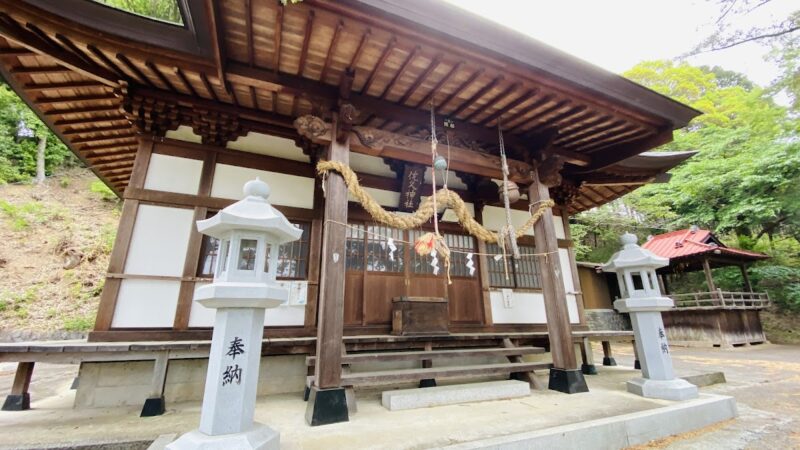
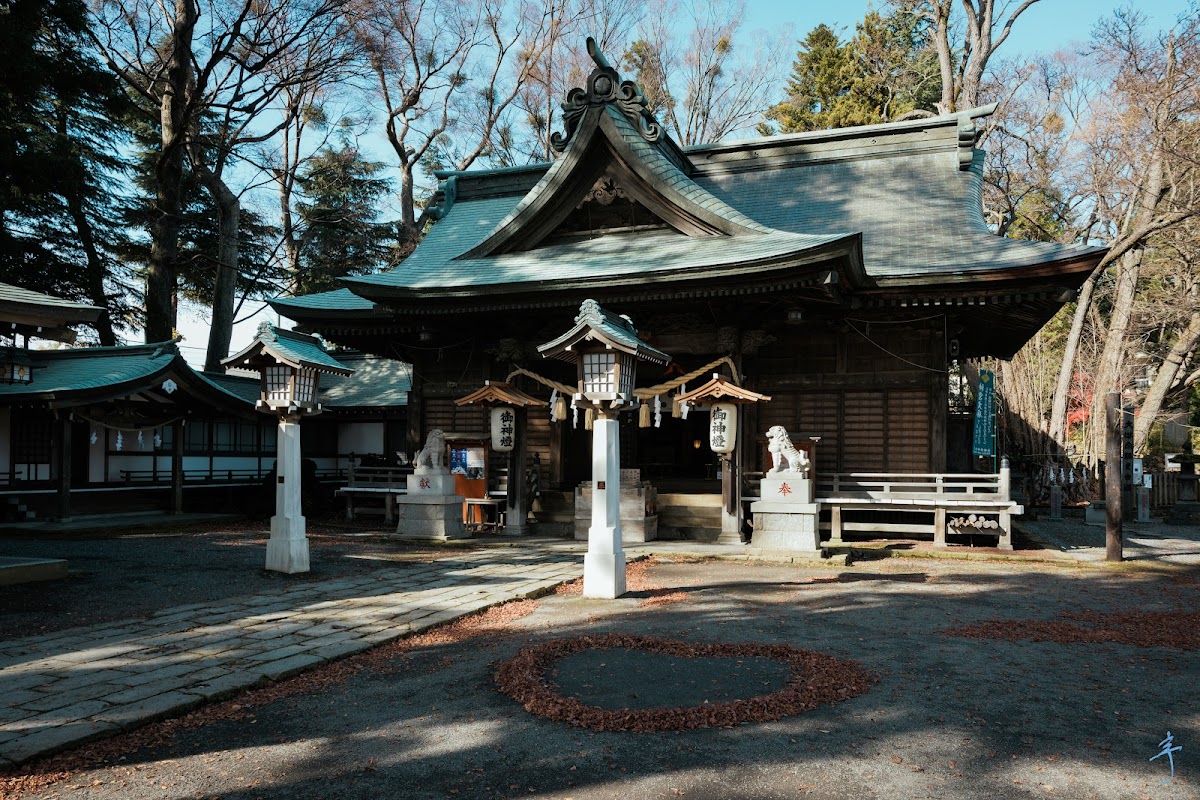
The greatest characteristic of Fujisan Shimomiya Komuro Sengen Shrine lies in its ancient and dignified appearance and the sacred atmosphere that evokes the origins of Mount Fuji worship. While the grounds are not vast, a tranquil atmosphere permeates the area, offering deep peace to visitors.
The shrine buildings, though simple, are meticulously maintained, reflecting the deep faith of the local people. Surrounded by trees, the grounds create an atmosphere of a different world, far removed from the hustle and bustle of the city.
History of Fujisan Shimomiya Komuro Sengen Shrine
Origin of Founding
The exact founding date of Fujisan Shimomiya Komuro Sengen Shrine is unclear, but according to the traditions of Fujisan Hongu Sengen Taisha, it is believed to have begun during the reign of Emperor Suinin when Sengen Okami was enshrined at the foot of Mount Fuji.
In the early Heian period, in the first year of Daido (806 AD), following a petition by Sakanoue no Tamuramaro, the place of worship for Sengen Okami was moved to the current location of Fujisan Hongu Sengen Taisha. Prior to this, it is believed that this Komuro area and the mountain shrine were central locations for worshipping Sengen Okami.
Position in Mount Fuji Worship
From ancient to medieval times, Mount Fuji, as an active volcano, instilled a sense of awe in people. To appease its eruptions and to pray for bountiful harvests and safety, rituals to Sengen Okami were performed in various locations at the foot of the mountain.
Fujisan Shimomiya Komuro Sengen Shrine has played a crucial role alongside Yamamiya Sengen Shrine in the development of Mount Fuji worship. The name “Shimomiya” (lower shrine) indicates its position within the worship system that considers Mount Fuji as “Kamimiya” (upper shrine).
Changes Since the Edo Period
During the Edo period, the rise of Fuji-ko (Fuji pilgrimage groups) led to widespread Mount Fuji worship among the common people. While Fujisan Hongu Sengen Taisha became the center of worship, Fujisan Shimomiya Komuro Sengen Shrine was carefully preserved by local people as the tutelary shrine of the region and as a shrine that conveys the history of Mount Fuji worship.
Even after the Meiji-era separation of Shinto and Buddhism and the wave of modernization, this shrine continued to exist as a spiritual pillar of the local community. It is still carefully maintained and managed by local parishioners today.
Deities and Benefits
Deities
The deity enshrined at Fujisan Shimomiya Komuro Sengen Shrine is Konohanasakuya-hime no Mikoto. This goddess is known as one of the most beautiful goddesses in Japanese mythology and is worshipped as the divine spirit of Mount Fuji at Sengen Shrines throughout Japan.
Konohanasakuya-hime no Mikoto is the goddess who became the consort of Ninigi-no-Mikoto during the descent of the heavenly grandchild, and is also known for the myth of giving birth in flames. From this myth, it is believed that she came to be worshipped as a goddess with the power to quell fire, and as the divine spirit of Mount Fuji, a volcano.
Benefits
Fujisan Shimomiya Komuro Sengen Shrine is believed to offer the following benefits:
Safe Childbirth and Fertility: Due to the myth of Konohanasakuya-hime no Mikoto giving birth in flames, she is worshipped as a goddess of safe childbirth and fertility. Matchmaking: Based on the myth of the marriage with Ninigi-no-Mikoto, it is believed to bring good fortune in finding a partner.
Protection from Fire: As the god who calms the eruptions of Mount Fuji, it is believed to protect against disasters such as fires.
Family Safety: As the guardian deity of the region, it protects the safety and happiness of families.
Abundant Harvest: It also has an aspect as a guardian deity of agriculture, and there is a belief in praying for a bountiful harvest.
Highlights of the Shrine Grounds
Shrine Buildings
The shrine buildings of Fujisan Shimomiya Komuro Sengen Shrine, though not large in scale, are beautifully constructed, preserving the traditional style of shrine architecture. The main hall is protected by a protective structure, preserving the architectural style of an older era.
The worship hall is kept clean as a place for worshippers to offer prayers. A simple yet sacred atmosphere permeates the space, allowing for peaceful worship.
Atmosphere of the Shrine Grounds
The shrine grounds are surrounded by trees, allowing visitors to experience the beauty of nature throughout the seasons. Especially during the fresh greenery of spring and the vibrant autumn foliage, the entire grounds are enveloped in beautiful colors.
Although small in scale, the well-maintained grounds reflect the deep affection and faith of the local people towards the shrine. The quiet and peaceful atmosphere provides a healing space that allows you to forget the hustle and bustle of the city.
View of Mount Fuji
If the weather is favorable, you can enjoy a beautiful view of Mount Fuji from the shrine grounds and surrounding area. Praying while gazing up at Mount Fuji allows us, living in the modern age, to feel the same reverence for Mount Fuji that people in ancient times must have felt.
How to Worship and Manners
Basic Worship Etiquette
Worship at Fujisan Shimomiya Komuro Sengen Shrine follows general shrine worship etiquette:
- Bow Before the Torii Gate: Before entering the shrine grounds, bow slightly before the torii gate.
- Purifying at the Water Basin: Proceed along the approach to the shrine and purify your hands and mouth at the water basin. Purify your left hand, then your right hand, then your mouth, and finally your left hand.
- Walking Along the Approach: The center of the approach is considered the path of the gods, so it is polite to walk along the sides.
- Worship at the Main Hall: At the main hall, worship using the two bows, two claps, and one bow ritual. Place your offering, ring the bell if there is one, bow deeply twice, clap twice, offer your prayer, and then bow deeply once more.
- Departure: After exiting the torii gate, turn around and bow towards the shrine.
Points to Note When Visiting
Fujisan Shimomiya Komuro Sengen Shrine is a small, community-oriented shrine. Please observe the following points when visiting the shrine:
- Be quiet: As the shrine is located near a residential area, please refrain from making loud noises or disturbing others.
- Photography etiquette: Photography is generally permitted, but please refrain from taking pictures inside the main hall or in sacred areas. Please also be considerate of other visitors.
- Keep clean: Please take all your trash with you and avoid littering the shrine grounds.
- Restricted areas: Please do not enter areas marked as off-limits.
Access Information
Location
Address: 227 Koizumi, Fujinomiya City, Shizuoka Prefecture
Fujisan Shimomiya Komuro Sengen Shrine is located in the Koizumi district, slightly away from the city center of Fujinomiya.
Access by Car
From Tomei Expressway:
- Approximately 15 minutes from Fuji IC via National Route 139
- Approximately 20 minutes from Shin-Fuji IC on the Shin-Tomei Expressway
From Chuo Expressway:
- Approximately 30 minutes from Kawaguchiko IC via National Route 139
Regarding parking, there are parking spaces for visitors around the shrine, but the number of spaces is limited. Please absolutely avoid street parking as it will inconvenience the neighbors.
Access by Public Transportation
Train/Bus:
- Get off at Fujinomiya Station on the JR Minobu Line
- From Fujinomiya Station, take the Fujikyu Shizuoka Bus bound for Inokashira or Shiraito Falls
- Get off at the Koizumi bus stop and walk for approximately 5 minutes
Since the number of buses is limited, it is recommended to check the timetable in advance. Bus congestion is expected, especially on holidays and during tourist seasons.
Taxi:
If you take a taxi from Fujinomiya Station, the journey will take approximately 15 minutes. The estimated fare is around 2,000 yen.
Visiting Nearby Tourist Attractions
When visiting Fujisan Shimomiya Komuro Sengen Shrine, it is recommended to combine your visit with other nearby tourist attractions:
Fujisan Hongu Sengen Taisha: Approximately 10 minutes by car. This is the main shrine of Fujisan Shimomiya Komuro Sengen Shrine and the center of Fujisan worship.
Yamamiya Sengen Shrine: Approximately 15 minutes by car. This shrine, along with Fujisan Shimomiya Komuro Sengen Shrine, is considered the original shrine of Sengen Taisha.
Shiraito Falls: Approximately 15 minutes by car. One of the constituent assets of the World Heritage Site “Mount Fuji,” offering beautiful waterfall scenery.
Mount Fuji World Heritage Center: Approximately 10 minutes by car. A facility where you can learn about the nature, history, and culture of Mount Fuji.
Annual Events and Festivals
Grand Festival
At Fujisan Shimomiya Komuro Sengen Shrine, the Grand Festival is held every autumn. Local parishioners gather, and the Shinto rituals are performed solemnly. While not large in scale, it is a warm and deeply rooted community festival.
Other Festivals
In addition to the New Year’s Day Festival, various festivals are held throughout the year. These festivals are important opportunities to deepen the bonds of the local community.
Specific dates for festivals can be found on local bulletin boards and in Fujinomiya City’s tourist information.
About Goshuin (Shrine Seals)
Because Fujisan Shimomiya Komuro Sengen Shrine is a small shrine, there may not be a resident priest. Those wishing to receive a Goshuin may be able to do so at Fujisan Hongu Sengen Taisha Shrine, so it is recommended to check in advance.
Those collecting Goshuin should inquire at Fujisan Hongu Sengen Taisha Shrine before visiting.
Historical Background of Mount Fuji Worship and Asama Shrine
Origins of Mount Fuji Worship
Mount Fuji has been an object of worship since ancient times. Due to its beautiful appearance and the fearsome nature of its occasional eruptions as an active volcano, people believed that a god resided in Mount Fuji and worshipped it.
The *Manyoshu* (Collection of Ten Thousand Leaves) contains poems about Mount Fuji, indicating that it was already recognized as a special entity during the Nara period. The *Shoku Nihongi* (Continued Chronicles of Japan) records eruptions of Mount Fuji and also describes the imperial court ordering the enshrinement of Asama-no-kami.
Establishment of Asama Shrine
Asama Shrine is said to have been founded to appease the eruptions of Mount Fuji. In particular, in the first year of the Daido era (806 AD) in the early Heian period, the worship of Asama-no-Okami was organized at the request of Sakanoue no Tamuramaro.
At this time, the rituals that had previously been performed at mountain shrines and small chambers were consolidated at the current site of Fujisan Hongu Sengen Taisha (Fujisan Hongu Sengen Grand Shrine). However, the original shrines, Yamamiya Sengen Shrine and Fujisan Shimomiya Komuro Sengen Shrine, continued to be maintained as important places of worship.
Development of Fuji-ko
During the Edo period, Fuji-ko, a religious organization dedicated to the worship of Mount Fuji, spread among the common people. Many such organizations were formed, mainly in the Kanto region, and people climbed Mount Fuji and visited shrines at the foot of the mountain.
During this period, pilgrimages to Fujisan Hongu Sengen Taisha became popular, but Fujisan Shimomiya Komuro Sengen Shrine was also known to some believers as a shrine that conveys the history of Mount Fuji worship.
Significance of Visiting Fujisan Shimomiya Komuro Sengen Shrine
Touching the Origins of Mount Fuji Worship
The greatest significance of visiting Fujisan Shimomiya Komuro Sengen Shrine lies in the opportunity to touch upon the original form of Mount Fuji worship. One can feel the history of people offering prayers to the spirit of Mount Fuji in this place before the current Fujisan Hongu Sengen Taisha was established.
In a simple and tranquil atmosphere unlike that of large-scale shrines, you can relive the awe that ancient people felt towards Mount Fuji.
A Faith Rooted in the Community
Unlike large, touristy shrines, Fujisan Shimomiya Komuro Sengen Shrine is a shrine that has been carefully preserved by local people as the guardian deity of the region. It embodies the original form of a shrine within a Japanese community.
By visiting, you can realize that the shrine is not merely a tourist spot, but a place of faith deeply intertwined with the lives of the local people.
A Quiet Worship Experience
Unlike famous tourist shrines, Fujisan Shimomiya Komuro Sengen Shrine has few visitors, maintaining an environment conducive to quiet worship. It is an ideal place of worship for those who wish to escape the hustle and bustle and offer prayers in peace.
Surrounding Historical and Cultural Spots
History of Fujinomiya City
Fujinomiya City is a historic town that has developed as a center of Mount Fuji worship. The city is dotted with many historical shrines and temples, including Fujisan Hongu Sengen Taisha Shrine.
Furthermore, a unique culture has flourished, benefiting from the blessings of Mount Fuji, including a food culture known for Fujinomiya yakisoba and industries utilizing the groundwater of Mount Fuji.
Component Sites of the World Heritage Site “Mount Fuji”
In 2013, Mount Fuji was registered as a World Cultural Heritage site as “Mount Fuji – Object of Worship and Source of Artistic Inspiration.” Many component sites are located within Fujinomiya City, including Fujisan Hongu Sengen Taisha Shrine, Yamamiya Sengen Shrine, and Shiraito Falls.
While Fujisan Shimomiya Komuro Sengen Shrine itself is not included as a component site, it is an important shrine for understanding the history of Mount Fuji worship. Visiting it in conjunction with touring the World Heritage component sites will allow for a deeper understanding of Mount Fuji worship.
Recommended Time to Visit
Spring (March-May)
Spring is a beautiful season of fresh greenery. The trees in the shrine grounds are budding, creating an atmosphere full of vitality. The weather is mild, making it a suitable time for visiting the shrine.
Summer (June-August)
Summer is also the season for climbing Mount Fuji. Visiting the shrine before or after climbing Mount Fuji is a good idea. However, it can rain frequently during the rainy season, and the heat can be intense in mid-summer, so be sure to check the weather.
Autumn (September-November)
Autumn is the most recommended time to visit. The weather is stable, and the autumn foliage is beautiful. Especially from October to November, you can see the first snowfall on Mount Fuji, increasing the chances of admiring its beautiful form.
Winter (December-February)
Winter offers clear air, making it the season when Mount Fuji looks its most beautiful. However, it is very cold, and snowfall is possible, so be sure to dress warmly. Visiting the shrine on New Year’s Day will be a special experience, welcoming the new year alongside the locals.
Summary
Fujisan Shimomiya Komuro Sengen Shrine is a valuable shrine that preserves the history of Mount Fuji worship. Although small in scale, its historical value and tranquil atmosphere leave a deep impression on visitors.
Visiting it along with Fujisan Hongu Sengen Taisha and Yamamiya Sengen Shrine will allow you to gain a deeper understanding of the development of Mount Fuji worship. Furthermore, the experience of quietly praying at this unspoiled shrine, untouched by tourism, will be a precious one in modern society.
When visiting Fujinomiya, be sure to visit Fujisan Shimomiya Komuro Sengen Shrine and experience the origins of Mount Fuji worship. There, you can see the reverence for nature that the Japanese people have held since ancient times, and the form of faith rooted in the local community.
As you offer your prayers while gazing at Mount Fuji in the tranquil shrine grounds, you too can become a part of the history of Mount Fuji worship that has continued since ancient times.