Complete Guide to Fukashi Shrine: The Charm and Visiting Information of the 700-Year-Old Tenjin Shrine in Matsumoto’s Castle Town
Located in the heart of Matsumoto City, Nagano Prefecture, close to Matsumoto Castle, Fukashi Shrine is a historic shrine affectionately known as “Fukashi’s Tenjin-sama” by locals. With a history of approximately 700 years, founded by the Ogasawara clan, the protectors of Shinano Province, this shrine continues to be a spiritual center for Matsumoto citizens and a place of prayer for academic success and life’s milestones, welcoming many visitors.
This article will comprehensively cover the charm of Fukashi Shrine, from its history and enshrined deities to its annual events and access methods.
History of Fukashi Shrine: A 700-Year Trajectory of Faith
Founding and Deep Connection with the Ogasawara Clan
The founding of Fukashi Shrine dates back to 1339 (Ryakuō 2). Founded by the Ogasawara clan, who held the position of Shugo (provincial governor) of Shinano Province at the time, this shrine played an important role as the guardian deity of Fukashi Castle (later Matsumoto Castle) and its surrounding castle town.
Due to their samurai faith, the Ogasawara clan initially enshrined Suwa Myojin (Takeminakata-no-Mikoto), the god of war. This marked the beginning of Fukashi Shrine, which became a place of worship for samurai throughout the Sengoku period (Warring States period).
Development of the Castle Town and the Merger of Tenmangu Shrine
In the Edo period, as Matsumoto Castle town was fully developed, Fukashi Shrine strengthened its role as the tutelary deity protecting the Minami-Fukashi area. During this period, Sugawara no Michizane (Tenjin-sama), known as the god of learning, was enshrined alongside the shrine, establishing its current two-hall structure.
The castle town of Matsumoto is divided by the Metoba River, with the northern side being the samurai residential area and the southern side the merchant district. Fukashi Shrine developed as the guardian deity of the area, primarily the merchant district of Minami-Fukashi. In particular, the Tenmangu shrine was deeply revered as the god of learning and became affectionately known as “Fukashi (Deep Aspiration) Tenjin-sama.”
Developments since the Modern Era
Under the Meiji era’s shrine ranking system, it was designated a prefectural shrine, establishing its position as a central shrine in the region. Even as times changed through the Showa, Heisei, and Reiwa eras, Fukashi Shrine has continued to be an integral part of the lives of Matsumoto citizens.
Currently, it is designated as a special shrine by the Association of Shinto Shrines and, as one of Nagano Prefecture’s leading shrines, welcomes many worshippers throughout the year.
Deities and Divine Virtues: Fukashi Shrine Watched Over by Two Gods
Miyamura Shrine: Takeminakata Tomi no Mikoto (O-Suwa-sama)
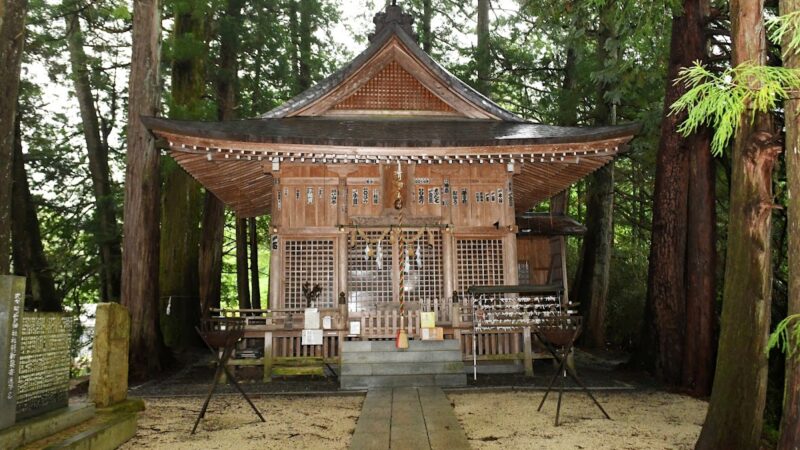
Fukashi Shrine’s main hall has a two-story structure. One is Miyamura Shrine, which enshrines Takeminakata Tomi no Mikoto. This deity, also known as the enshrined deity of Suwa Grand Shrine, is a god of war affectionately called “O-Suwa-sama.”
Divine Virtues:
- Long-lasting military fortune
- Improved luck in competitions
- Good fortune and prosperity
- Abundant harvests
- Family safety
This deity symbolizes the spread of Suwa faith in Shinano Province and conveys the history of deep faith from samurai families, including the Ogasawara clan.
Tenmangu Shrine: Sugawara no Michizane (Tenjin-sama)
The other main hall, Tenmangu Shrine, enshrines Sugawara no Michizane, famous as the god of learning. Known as “Fukashi’s Tenjin-sama,” this shrine attracts particularly strong devotion, and during exam season, many students and their parents visit to pray for success.
Divine Virtues:
- Academic Achievement
- Success in Exams
- Granting Wisdom
- Improvement of Writing Skills
- Unwavering Sincerity
The place name “Fukashi” itself means “deep aspirations,” and the shrine has consistently attracted unwavering devotion, both in the past and present, as a deity that supports the aspirations of those striving for learning.
Guide to Fukashi Shrine Grounds: Highlights and Places to Visit
The Splendid Worship Hall and Main Hall
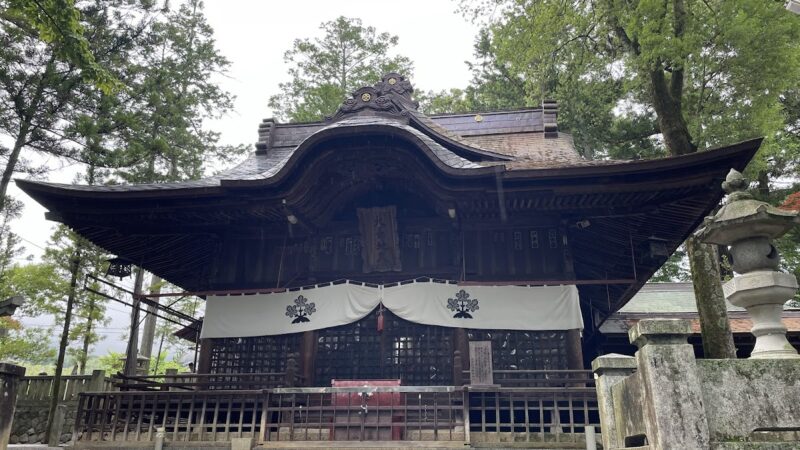
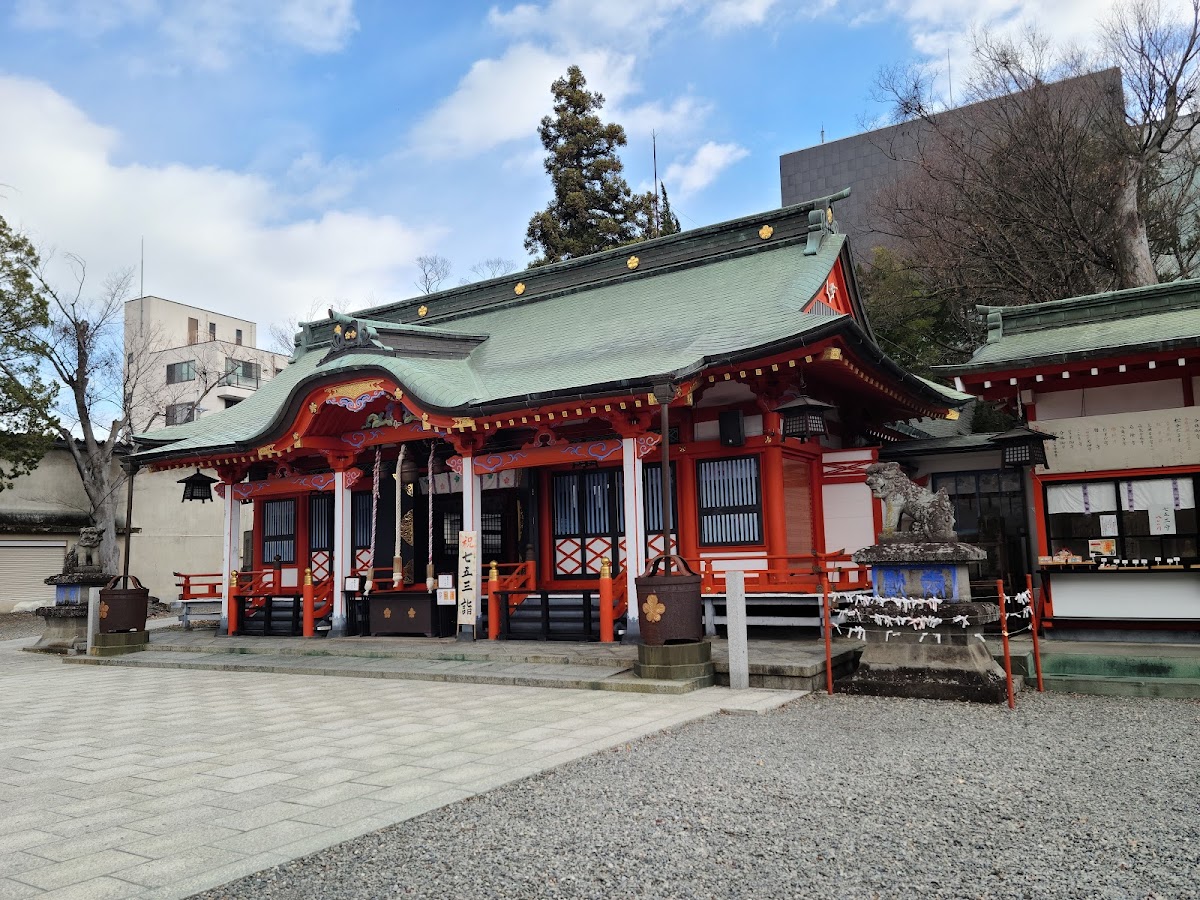
The worship hall of Fukashi Shrine is known for its splendid and magnificent construction. The shrine building, adorned with intricate carvings and vibrant colors, conveys the beauty of shrine architecture that has continued since the Edo period.
As mentioned above, the main hall has a two-story structure, with Suwa Myojin and Sugawara no Michizane enshrined in each. This unique structure is an important feature that tells the story of the historical changes of Fukashi Shrine.
Highlights of the Shrine Grounds
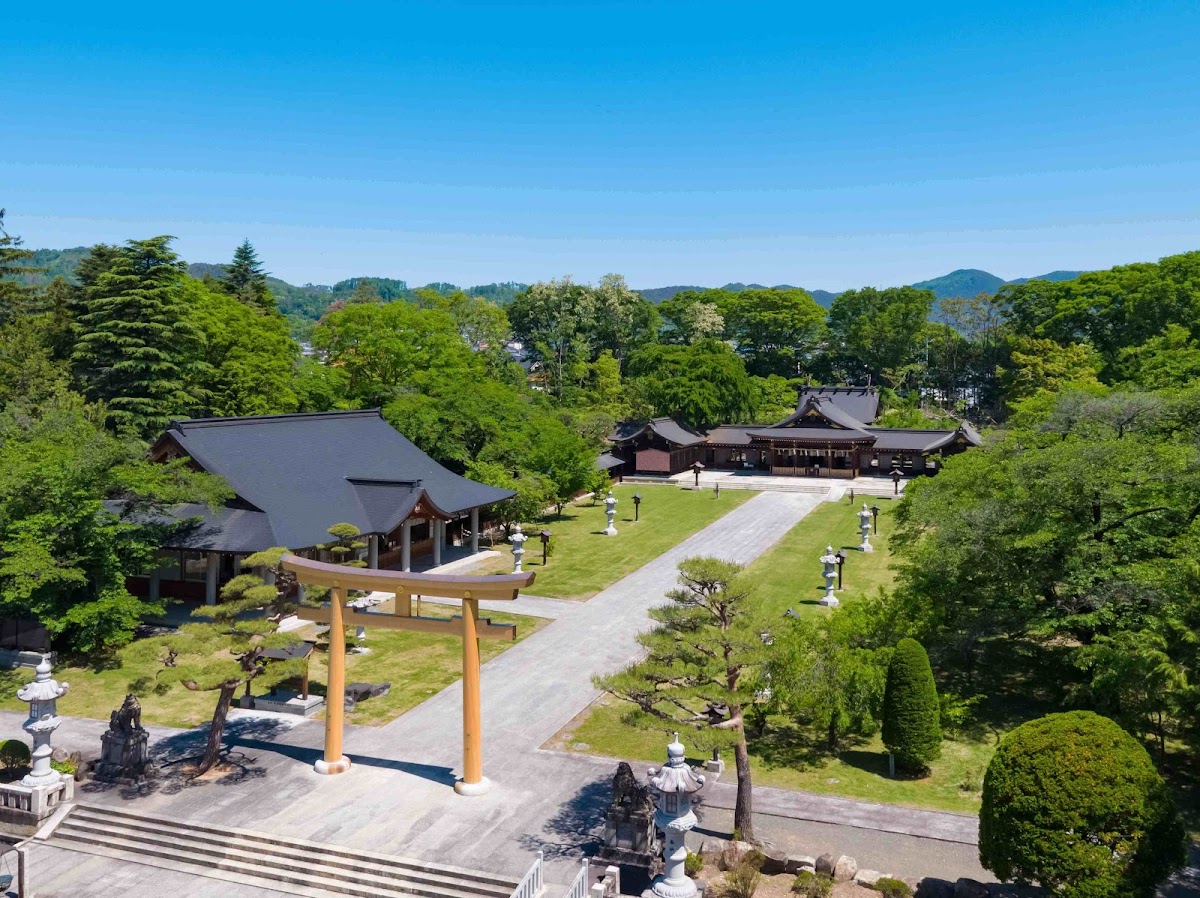
Besides the worship hall and main shrine, there are various other points of interest within the shrine grounds:
- Water Basin: A place to purify your mind and body before praying. Please carefully purify your hands and mouth before praying.
- Shrine Office: A place where you can receive amulets and goshuin (shrine stamps). The amulets are scheduled to be completely renewed from the New Year of 2026.
- Ema (Votive Tablet) Hanging Area: Many ema (votive tablets) for academic success and passing exams are dedicated here.
- Kagura Hall: A stage where Kagura (sacred dance and music) are performed during festivals.
Seasonal Expressions of the Shrine Grounds
The grounds of Fukashi Shrine show different expressions in each of the four seasons. Cherry blossoms bloom in spring, the Tenjin Festival is lively in summer, autumn leaves change color, and winter is covered in snow. You can enjoy different beauty depending on when you visit.
Festivals and Rituals Throughout the Year
Fukashi Shrine holds various festivals and rituals throughout the year. While preserving tradition, the shrine provides a place for seasonal gratitude and prayer, closely intertwined with the lives of the local community.
New Year’s Rituals
New Year’s Day Festival
As the first festival welcoming the new year, it attracts many visitors for their first shrine visit of the year. It is an important ritual praying for peace and prosperity in the new year.
Setsubun Festival
Held around February 3rd each year, the Setsubun Festival is one of Fukashi Shrine’s important annual events. Lucky beans are scattered, and worshippers receive them, wishing for good fortune throughout the year. As a traditional ritual to ward off evil spirits and invite good fortune, it is a popular event for many families.
Tenjin Festival (Annual Festival): A Grand Summer Tradition in Matsumoto
The most important festival at Fukashi Shrine is the Tenjin Festival (Annual Festival), held annually on July 24th and 25th. This festival is a representative summer tradition of Matsumoto and is deeply loved by its citizens.
Highlights of the Tenjin Festival:
- The Pulling of 16 Floats
Sixteen floats, each a source of pride for its respective neighborhood, are pulled into the grounds of Fukashi Shrine. These floats are valuable cultural assets passed down from the Edo period, adorned with intricate carvings and magnificent decorations.
- The Competition of Floats
The spectacle of each neighborhood’s float competing in splendor is breathtaking. Each float has its own unique history and characteristics, embodying the pride and tradition of its respective neighborhood.
- Mikoshi Procession
The portable shrine is paraded through the town, and a Shinto ritual is performed to spread the divine blessings throughout the community.
- Dedication Ceremonies
Various dedication ceremonies are held within the shrine grounds, featuring performances of traditional arts and music.
During the Tenjin Festival, Matsumoto is completely immersed in the festival atmosphere, providing an important opportunity to deepen community bonds. Thanks to the efforts of the Stage Preservation Society, this tradition is being reliably passed down to future generations.
Other Annual Events
- Spring Festival: A festival to give thanks for the arrival of spring
- Shichi-Go-San Ceremony: A ceremony celebrating a milestone in life, marking the growth of children
- Summer Purification Ceremony: A Shinto ritual to cleanse away the impurities accumulated over the past six months
- Autumn Festival: A festival to offer thanks for the harvest
- Year-End Purification Ceremony: A ritual to cleanse away the impurities of the past year and prepare for the new year
Through these Shinto rituals, Fukashi Shrine continues to be an integral part of the lives of the local people, providing a place of gratitude and prayer as the seasons change.
Life’s Milestones and Fukashi Shrine: Various Prayers and Sacred Blessings
Fukashi Shrine is a shrine visited by many on auspicious days marking milestones in life. It is cherished as a place to pray for divine protection from birth to growth and at important junctures in life.
Prayer for Safe Childbirth
The prayer for safe childbirth, held on the Day of the Dog in the fifth month of pregnancy, is an important ceremony to pray for the health of mother and child and a safe delivery. You can receive a respectful prayer at Fukashi Shrine.
First Shrine Visit
The first shrine visit, held around one month after birth, is a ceremony to report the baby’s birth to the gods and pray for healthy growth. It is a milestone event that becomes a precious memory for the family.
Shichi-Go-San Ceremony
The Shichi-Go-San ceremony, held at the milestones of 3, 5, and 7 years old, is a traditional event to celebrate a child’s growth and pray for their future health and happiness. Many families visit Fukashi Shrine every year for Shichi-Go-San, and the shrine grounds are bustling with children in colorful kimonos.
Prayer for Success in Exams and Academic Achievement
Fukashi Shrine, which enshrines Sugawara no Michizane, the god of learning, is particularly famous as a place to pray for success in exams and academic achievement. During exam season, many students and their parents from within and outside the prefecture visit the shrine to pray for success.
The sight of students writing their desired school name and wishes on ema (votive tablets) and offering them is a characteristic scene at Fukashi Shrine. Under the watchful eye of Tenjin-sama, the deity of “deep aspirations,” many students continue their efforts towards their goals.
Weddings
Fukashi Shrine offers traditional Shinto wedding ceremonies. A ceremony held in the magnificent shrine is a solemn and beautiful ritual befitting a new beginning in life.
Other Prayers
- Protection from evil and misfortune
- Family safety
- Business prosperity
- Traffic safety
- Recovery from illness
- Fulfillment of wishes
We offer a variety of prayers, including these. Applications can be made at the shrine office; please feel free to inquire.
Access Information: How to Get to Fukashi Shrine
Basic Information
Address: 3-7-43 Fukashi, Matsumoto City, Nagano Prefecture
Phone: Please check the official website.
Access by Train
From JR Matsumoto Station:
- Walking: Approximately 15 minutes
- Taxi: Approximately 3 minutes
- Bus: Matsumoto Loop Bus “Town Sneaker” available
Accessible from Matsumoto Station, served by the JR Shinonoi Line, Oito Line, and Matsumoto Electric Railway Kamikochi Line. The path from the station to the shrine is flat, and you can walk while visiting city attractions such as Matsumoto Castle and Nawate-dori.
Access by Car
Nagano Expressway:
- Approximately 15 minutes from Matsumoto IC
Regarding parking, on days when congestion is expected, such as during festivals, we recommend using public transportation. Please contact the shrine in advance for details.
Nearby Tourist Attractions
Fukashi Shrine is located in the heart of Matsumoto city, so there are many tourist attractions nearby:
- Matsumoto Castle: Approximately 10 minutes on foot. A beautiful castle tower designated as a National Treasure.
- Nawate Street: Approximately 5 minutes on foot. A shopping street with preserved old townscape.
- Nakamachi Street: Approximately 7 minutes on foot. A charming street lined with traditional storehouse-style buildings.
- Matsumoto City Museum of Art: Exhibits works by Yayoi Kusama and others.
You can enjoy strolling through Matsumoto’s castle town in conjunction with your visit to Fukashi Shrine.
Amulets and Souvenirs: Complete Renewal from New Year 2026
Fukashi Shrine offers a variety of amulets and souvenirs. From New Year 2026, the amulets will be completely renewed, featuring new amulets that blend modern design with tradition.
Main Items Offered
- Academic Success Amulet: A popular amulet for students taking exams
- Passing Exam Amulet: An amulet for wishing for success in exams
- Exorcism Amulet: Protection for those in their unlucky years
- Traffic Safety Amulet: A prayer for safe driving and motorcycling
- Safe Childbirth Amulet: An amulet for wishing for a safe delivery for pregnant women
- Health Amulet: An amulet for protecting the health of the family
Goshuin (Shrine Seal)
Fukashi Shrine also offers Goshuin. Many visitors receive them as a memento of their visit and as part of their Goshuincho (seal book) collection.
If you bring your Goshuincho during the shrine office’s reception hours, it will be carefully inscribed for you.
The Modern Role of Fukashi Shrine
As a Center of the Local Community
For approximately 700 years since its founding, Fukashi Shrine has remained, then and now, a spiritual haven for the people of the community. Through festivals and Shinto rituals, it deepens community bonds and provides a place for intergenerational exchange.
The procession of the floats during the Tenjin Festival, in particular, strengthens the bonds within each neighborhood and serves as an important opportunity to pass on traditional culture to the next generation. The float preservation society is also very active, with young people actively participating.
Shrines in the Age of Social Media
Fukashi Shrine has opened an official Instagram account (@fukashi_tenjin) and is actively engaged in modern information dissemination. Regular posts showcasing the seasonal changes in the shrine grounds, festival information, and other news serve as a communication tool with visitors.
Value as a Tourist Resource
Fukashi Shrine is an important tourist spot for visitors to Matsumoto City. Visiting it in conjunction with Matsumoto Castle allows for a deeper understanding of the history and culture of the castle town.
Especially during the Tenjin Festival, many tourists from outside the prefecture visit to enjoy the atmosphere of the traditional festival.
Manners and Points for Visiting a Shrine
Basic Worship Etiquette
- Bow before passing through the torii gate.
- Purify your body and mind at the water basin.
- Hold the ladle in your right hand and purify your left hand.
- Switch the ladle to your left hand and purify your right hand.
- Hold the ladle in your right hand again, receive water in your left hand, and rinse your mouth.
- Finally, hold the ladle upright and purify the handle.
- “Two bows, two claps, one bow” in front of the main hall.
- Bow deeply twice.
- Clap twice.
- Finally, bow deeply once.
Photography
Photography is generally permitted on the shrine grounds, but consideration should be given to avoiding disturbing ceremonies or other worshippers. There are also areas where photography is restricted, such as inside the main hall, so please follow the instructions.
Appropriate Attire for Worship
If you are receiving a prayer, it is advisable to wear attire that is not too casual. For regular worship, there are no specific dress code restrictions, but please dress appropriately as it is a sacred place.
Summary: The Heart of Matsumoto Watched Over by the Tenjin of Fukashi
Fukashi Shrine is a shrine that has been close to and watched over the lives of the people of Matsumoto for approximately 700 years. It enshrines two deities: Suwa Myojin, the god of martial arts, and Sugawara no Michizane, the god of learning, and has received prayers from people at various turning points in their lives.
As the meaning behind the place name “Fukashi” (meaning “deep aspirations”) suggests, this shrine encourages the aspirations of visitors and watches over the realization of their dreams. Traditional events, such as the Tenjin Festival, deepen community bonds, and seasonal rituals remind people of gratitude.
When you visit Matsumoto, be sure to visit Fukashi Shrine. The magnificent shrine buildings, the tranquil atmosphere of the grounds, and the unique atmosphere created by 700 years of history will welcome you.
Fukashi Shrine warmly welcomes everyone, from students praying for academic success to families celebrating life’s milestones and tourists wanting to experience Matsumoto’s history. This Tenjin shrine in the castle town of Matsumoto in Shinshu continues to listen to the wishes of many people and watch over them today.