Complete Guide to Fukuju

住所 〒802-0025 福岡県北九州市小倉北区寿山町6−7

Complete Guide to Fukuju-ji Temples | History, Goshuin (Temple Seals), and Access Information for Famous Temples Nationwide

Fukuju-ji (福聚寺) is the name of a group of historical temples scattered throughout Japan. Each Fukuju-ji temple has a different sect, historical background, and cultural assets, and has played an important role as a center of local faith and culture. This article provides a comprehensive explanation of the major Fukuju-ji temples, including their history, highlights, and access information.

What is Fukuju-ji?

The name Fukuju-ji means “temple where good fortune gathers,” and has been adopted throughout Japan as an auspicious temple name. It is a name often found in Zen Buddhist temples such as the Rinzai and Obaku sects, and each has its own unique history and culture.

Currently, major Fukuju-ji temples are located in the following areas:

  • Miharu-machi, Tamura-gun, Fukushima Prefecture (Rinzai Zen, Myoshin-ji school)
  • Kokurakita-ku, Kitakyushu City, Fukuoka Prefecture (Obaku Zen school)
  • Tojo-machi, Katori-gun, Chiba Prefecture (Obaku Zen school)
  • Hodogaya-ku, Yokohama City, Kanagawa Prefecture (Rinzai Zen, Kencho-ji school)
  • Kurume City, Fukuoka Prefecture
  • Karatsu City, Saga Prefecture
  • Usuki City, Oita Prefecture

Each Fukuju-ji temple is deeply connected to the history of its region, possessing diverse historical backgrounds, such as being the family temple of a Sengoku-era daimyo or associated with those who contributed to land reclamation projects.

Fukuju-ji Temple, Miharu Town, Fukushima Prefecture

History and Origin

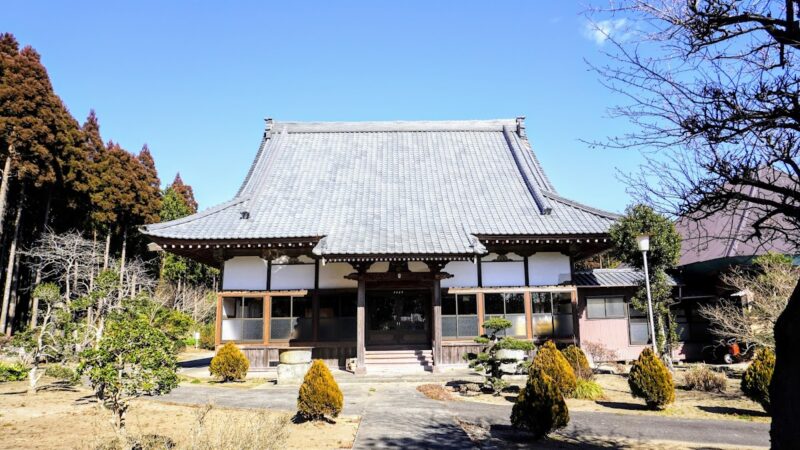
Fukuju-ji Temple, located in Miharu Town, Tamura District, Fukushima Prefecture, is a temple belonging to the Myoshin-ji branch of the Rinzai school of Zen Buddhism. Its mountain name is Enichizan, and its principal image is Shakyamuni Buddha. This temple is known as the family temple of the Sengoku period daimyo Tamura clan and is an indispensable part of the history of Miharu.

It was founded in 1339 (Ryakuō 2) by Fukuan Sōki, with Tamura Terusada as the founder, and established in Fukuhara, Asaka District. Later, following the Tamura clan’s relocation of Miharu Castle, it is said to have moved from Hachichome (present-day Hiwada, Koriyama City) to its current location.

The current head priest is Gen’yū Sōkyū, also a renowned novelist, and the temple is attracting attention for its unique atmosphere where literature and Buddhism are fused.

Cultural Properties and Highlights

Fukuju-ji Temple in Miharu Town preserves numerous valuable cultural properties:

Prefecturally Designated Important Cultural Properties

  • “Tamura Takaaki’s Regulations”: A historical document recording the family laws of the Tamura clan.
  • “Tamura Kiyoaki’s Regulations”: An important document for understanding the legal history of the Sengoku period.

Other Cultural Properties

  • “Daruma Painting” by Sesson: A valuable work by Sesson, a painter-monk of the Muromachi period.
  • Wooden Eleven-Headed Kannon Statue: A Buddhist statue showcasing exquisite carving techniques.
  • Burial Grounds of the Three Generations of the Tamura Clan: The graves of Tamura Terusada, Takaaki, and Kiyoaki are lined up.

Cherry Blossoms on the Temple Grounds

The temple grounds are home to a weeping cherry tree estimated to be 450 years old, and the temple is known as a famous cherry blossom viewing spot in Miharu. Its magnificent blossoms in spring attract many worshippers and tourists. Miharu Town is famous for its “Takizakura” cherry tree, but the weeping cherry tree at Fukuju-ji Temple is also cherished as a local treasure.

Access Information

Location: 194 Gomenmachi, Miharu-machi, Tamura-gun, Fukushima Prefecture

Transportation Access:

  • Approximately 5 minutes by car from JR Ban’etsu East Line “Miharu Station”
  • Approximately 20 minutes on foot from Miharu Station
  • Approximately 15 minutes by car from Ban’etsu Expressway “Funabiki-Miharu IC”

Parking: Available (Free)

Visiting Hours: Grounds are freely accessible (prior contact required for entry into the main hall)

Koju-zan Fukuju-ji Temple, Kitakyushu City, Fukuoka Prefecture

History and Features

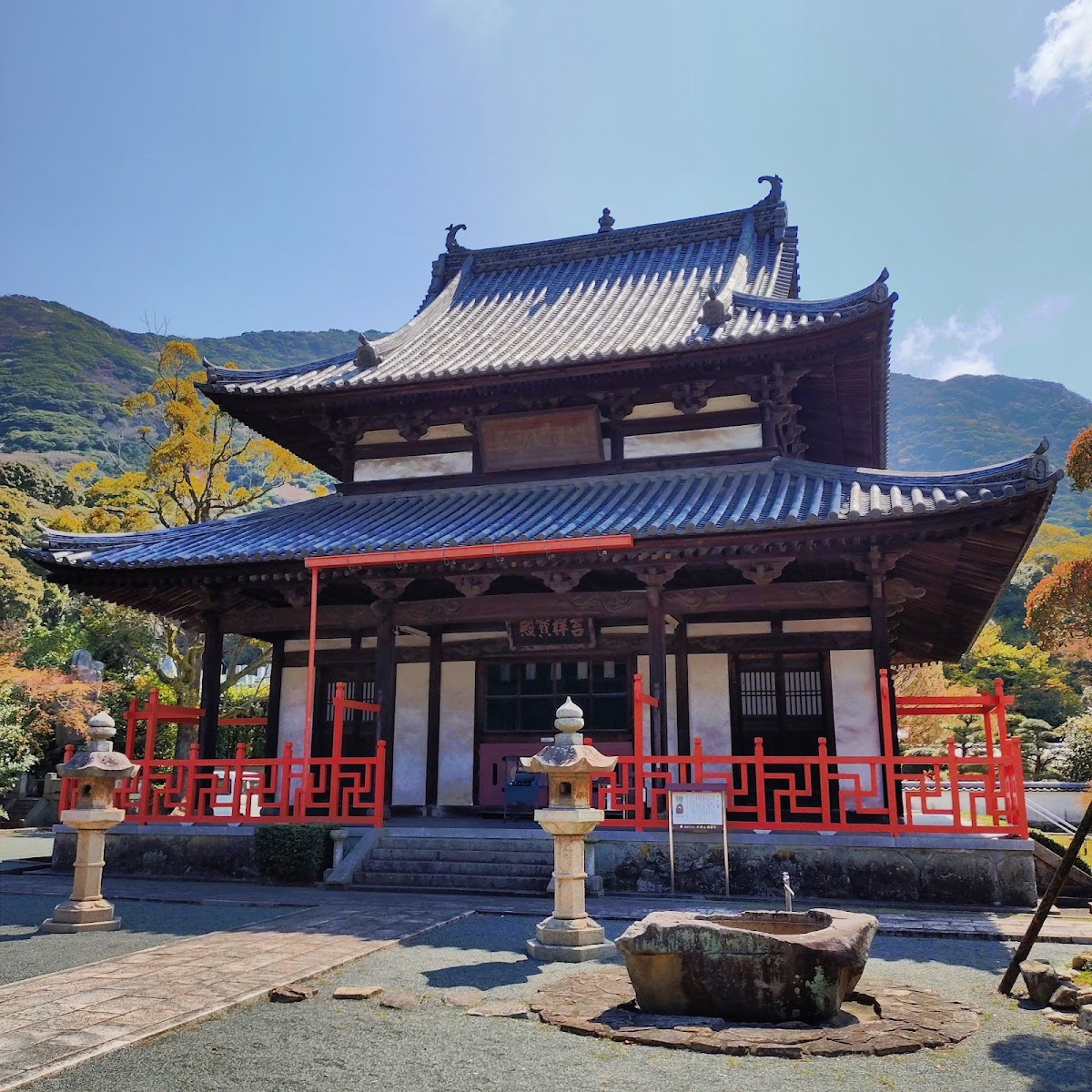
Koju-zan Fukuju-ji Temple, located in Kokurakita-ku, Kitakyushu City, is a temple belonging to the Obaku sect and is a renowned temple with a history of approximately 400 years. Founded by Lord Ogasawara Tadazane, it is also known as the 6th temple on the Kyushu Forty-Nine Yakushi Pilgrimage.

The Obaku school of Zen Buddhism is a branch of Zen Buddhism that was introduced from China in the early Edo period, and is one of the three major Zen schools in Japan, after the Rinzai and Soto schools. It is characterized by architecture and rituals that strongly reflect the style of the Ming Dynasty in China, and Fukuju-ji Temple inherits this tradition.

Temple Grounds and Gardens

The grounds of Koju-zan Fukuju-ji Temple boast a beautiful garden where visitors can enjoy the scenery of each season. The simple and refined spatial composition, typical of Zen temples, provides visitors with tranquility and peace.

The buildings and gardens on the temple grounds are designated cultural properties of Fukuoka Prefecture and are protected as valuable examples of temple architecture that have continued since the Edo period.

Role as a Yakushi Pilgrimage Site

As the 6th temple on the Kyushu Forty-Nine Yakushi Pilgrimage, it serves as a center for the worship of Yakushi Nyorai (Medicine Buddha). Yakushi Nyorai (Medicine Buddha) is worshipped as a Buddha of healing and longevity, attracting many visitors.

Access Information

Location: Kokurakita-ku, Kitakyushu City, Fukuoka Prefecture

Transportation Access:

  • Approximately 10 minutes by car from JR Kokura Station
  • Approximately 5 minutes from the Katsuyama IC on the Kitakyushu Urban Expressway

Parking: Available

Telephone Number: Please contact the Kyushu Forty-Nine Yakushi Pilgrimage Association Secretariat in advance.

Fukuju-ji Temple, Tono-machi, Chiba Prefecture

Abbot Tetsugyu Doki and Land Reclamation Project

Fukuju-ji Temple in Tono-machi, Katori-gun, Chiba Prefecture, is a Zen temple of the Obaku sect, founded in 1678 (Enpo 6) by Abbot Tetsugyu Doki, known for his contributions to the reclamation of the tidal flats.

Tetsugyu Osho was a renowned monk who dedicated himself to the reclamation project of a former lake called “Tsubaki-no-umi.” The reclamation of Tsubaki-no-umi developed approximately 1,200 hectares of new rice fields, significantly contributing to the agricultural development of the region. Because of this great achievement, Tetsugyu Osho was deeply respected by the local people, and his accomplishments are still recounted today.

Cultural Properties

Prefectural Designated Historic Site

  • Grave of Tetsugyu Doki Osho: A historical site commemorating those who contributed to the reclamation project.

Prefectural Designated Tangible Cultural Property

  • Triptych Paintings: Valuable paintings depicting Tetsugyu Osho and three other high-ranking monks.

These cultural properties are important resources for understanding the history of regional development and Buddhist culture during the Edo period.

Access Information

Location: Tono-cho, Katori-gun, Chiba Prefecture

Transportation Access:

  • Approximately 10 minutes by car from Sasagawa Station on the JR Sobu Main Line
  • Approximately 30 minutes from the Daiei Interchange on the Higashi-Kanto Expressway

Parking: Available

Fukuju-ji Temple, Yokohama City, Kanagawa Prefecture

A Historic Temple of the Kencho-ji School

Fukuju-ji Temple in Hodogaya-ku, Yokohama City, belongs to the Kencho-ji branch of the Rinzai school of Zen Buddhism. It was founded in 1335 (Kenmu 2), during the early Nanboku-cho period, by the 38th abbot of Kencho-ji Temple, Kosen Ingen.

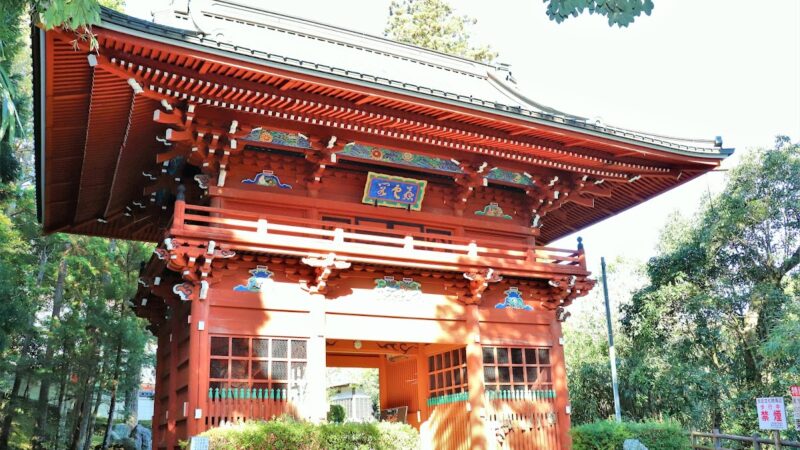
Initially located in Iwama-cho, Hodogaya-shuku (present-day Kubo-cho, Nishi-ku), it moved to Renkyu-an, a retirement temple, during the Kansei era. In 1888 (Meiji 21), the main hall, living quarters, and temple gate were newly constructed.

A History of Yokohama

Hodogaya flourished as a post town on the Tokaido road, and Fukuju-ji Temple played an important role as a center of local faith. The Meiji-era architecture conveys the temple’s preservation of tradition amidst the waves of modernization.

Access Information

Location: Hodogaya-ku, Yokohama City, Kanagawa Prefecture

Transportation Access:

  • Approximately 15 minutes on foot from Hodogaya Station on the JR Yokosuka Line
  • Approximately 20 minutes on foot from Tennocho Station on the Sotetsu Line

Parking: Please inquire in advance regarding availability.

Fukuju-ji Temple, Usuki City, Oita Prefecture

From a Samurai’s Residence to a Temple

Fukuju-ji Temple, located in Imura, Usuki City, Oita Prefecture, has a unique history: it was originally a samurai’s residence built on the eastern edge of the Tateno Plateau during the Sengoku period, which was later converted into a temple.

It is said that the temple originated when Hikida Bizen-no-kami, a samurai and retainer of the Otomo family during the Sengoku period, built a residence on the eastern edge of the Tateno Plateau. The temple grounds, which retain the structure of a samurai’s residence, are a valuable resource for understanding Sengoku period architecture.

Access Information

Location: Imura, Usuki City, Oita Prefecture

Transportation Access:

  • Approximately 15 minutes by car from Usuki Station on the JR Nippo Main Line

About Goshuin (Temple Seals)

Each Fukuju-ji temple offers its own unique goshuin. Goshuin are popular among many visitors as proof of worship and as a way to forge a connection with the temple.

Manners for Receiving a Goshuin (Temple Stamp)

  1. Pray First: A Goshuin is proof of your visit, so please pray at the main hall first.
  2. Prepare a Goshuincho (Stamp Book): This is not a stamp rally, so prepare a dedicated Goshuincho.
  3. Prepare a Donation: Generally, around 300-500 yen.
  4. Use Polite Language: Please politely ask, “May I have a Goshuin?”
  5. In Place of Sutra Copying or Buddha Image Copying: Originally, it was proof of offering sutra copying or similar documents, but now it is given as proof of worship.

Goshuin for Pilgrimage

Kōjusan Fukujuji Temple in Kitakyushu City is the 6th temple on the Kyushu Forty-Nine Yakushi Pilgrimage, and has a special Goshuin for pilgrimages. Those undertaking a pilgrimage should prepare a dedicated pilgrimage notebook.

Annual Events

Each Fukuju-ji temple holds various annual events throughout the year.

Main Annual Events

Spring

  • Hana Matsuri (Buddha’s Birthday): Around April 8th, celebrating the birth of Buddha
  • Spring Equinox Memorial Service: Centered around the spring equinox in March

Summer

  • Obon Festival (Urabon-e): Mid-August, memorial service for ancestors
  • Segaki Memorial Service: Memorial service for spirits suffering in the realm of hungry ghosts

Autumn

  • Autumn Equinox Memorial Service: Centered around the autumn equinox in September

Winter

  • New Year’s Eve Bell Ringing: On New Year’s Eve, to dispel the 108 worldly desires
  • Shusho-e: New Year’s memorial service

The content and dates of events vary by temple, so please contact each Fukuju-ji temple directly for details.

Points to Note When Visiting a Temple

Clothing and Items to Bring

When visiting a temple, please pay attention to the following points:

  • Clothing: Modest, modest clothing is preferable.
  • Shoes: Since you may need to enter the main hall, wear shoes that are easy to take off and put on.
  • Items to Bring: Prayer beads (rosary), goshuincho (stamp book), offering money, camera (if photography is permitted)

Etiquette for Visiting a Temple

  1. Bow at the Temple Gate: Bow before entering the temple grounds.
  2. Purify at the Water Basin: Purify your left hand, right hand, and mouth in that order.
  3. Worship at the Main Hall: Place your offering money, clasp your hands together, and pray quietly.
  4. Strolling the Temple Grounds: Walk quietly and avoid disturbing other visitors.
  5. Photography: Take photographs only in permitted areas.

Nearby Tourist Attractions

Around Miharu Town, Fukushima Prefecture

  • Miharu Takizakura: One of Japan’s three greatest cherry trees, a giant cherry tree over 1000 years old
  • Miharu Castle Ruins: The site of the Tamura clan’s castle, a famous cherry blossom viewing spot
  • Miharu Town Historical and Folk Museum: A facility where you can learn about the history and culture of the region
  • Miharu Dolls: A workshop for Miharu papier-mâché dolls, a traditional craft

Around Kitakyushu City

  • Kokura Castle: A symbolic landmark of Kitakyushu City
  • Mojiko Retro District: A tourist spot with buildings remaining from the Meiji and Taisho periods
  • Sarakurayama: A night view spot offering a panoramic view of Kitakyushu city

Around Tonosho Town, Chiba Prefecture

  • Tsubakiumi Reclamation Area: A vast farmland reclaimed by the monk Tetsugyu
  • Tonosho Prefectural Forest: A forest park where you can enjoy nature walks
  • Cycling Road along the Tone River: Enjoy the scenery along the water

Important Notes for Visiting Fukuju-ji Temple

Visiting Hours and Admission Fees

While most Fukuju-ji temples allow free entry to the grounds, viewing the main hall or treasures may require prior contact. If you wish to request a special viewing, it is recommended to find the phone number and contact the temple in advance.

Parking Information

Many Fukuju-ji temples have parking lots, but spaces may be limited. Especially during cherry blossom season and annual events, congestion is expected, so consider using public transportation.

Photography

Photography within the temple grounds is generally permitted, but photography inside the main hall or of cultural artifacts may be prohibited. Always check in advance and be considerate of the privacy of other visitors.

Cultural Value of Fukuju-ji Temple

Role as a Family Temple

Many Fukuju-ji temples were founded as family temples for feudal lords and influential local figures during the Sengoku period. A family temple is a temple where ancestral memorial services are performed, and is deeply connected to the history of the family. The tombs of the three generations of the Tamura clan at Fukuju-ji Temple in Miharu Town are a valuable historical site for understanding the history of the Tohoku region during the Sengoku period. The tombs hold the remains of three generations of the Tamura clan: Terusada, Takaaki, and Kiyoaki, and tell the story of the Tamura clan’s rise and fall.

Inheritance of Zen Culture

As a Zen Buddhist temple of the Rinzai and Obaku schools, Fukuju-ji Temple has inherited Zen practices such as zazen (seated meditation) and Zen dialogue. Zen Buddhism was widely accepted by the samurai class and had a significant influence on Japanese spiritual culture.

The spirit of Zen is reflected in the gardens and architectural style, creating a simple yet profoundly spiritual space.

Regional Development and Buddhism

The case of Abbot Tetsugyu Doki at Fukuju-ji Temple in Tono-cho, Chiba Prefecture, is a good example of the role that Buddhist monks have played in regional development. The achievements of the abbot who accomplished the monumental task of reclaiming land in Tsubakiumi illustrate a historical example of how religious figures were not merely spiritual leaders but also made substantial contributions to the development of local communities.

Summary

Fukuju-ji temples are scattered throughout Japan, each possessing its own unique history and cultural assets. With diverse backgrounds—including the family temples of Sengoku-era warlords, temples founded by those who contributed to land reclamation projects, and temples converted from samurai residences—Fukuju-ji temples are crucial for understanding Japanese history and culture.

When visiting, researching the historical background and cultural assets of each temple beforehand will lead to a deeper understanding and greater appreciation. Experiencing the spirituality of these long-established temples in their tranquil atmosphere will be a valuable escape from the hustle and bustle of modern life.

Please note that location, phone number, and access information may change. It is recommended to check the latest information on each Fukuju-ji temple’s official website or the tourism association’s website before visiting.

Whether you’re collecting temple stamps, visiting sacred sites, enjoying the cherry blossom season, or exploring cultural artifacts, try visiting Fukuju-ji Temple for whatever purpose you prefer. A visit to this historic temple will surely bring you peace of mind and new discoveries.
Open in Google Maps

Nearby Shrines & Temples

Complete Guide to Fukuju

住所 〒297-0121 千葉県長生郡長南町長南969
公式サイト https://www.happy-kichizokun.jp/?utm_source=gmb&utm_medium=chofukujuji_0001

Complete Guide to Fukuju-ji Temples | History, Highlights, and Access Information for Fukuju-ji Temples Nationwide

There are several temples named “Fukuju-ji” throughout Japan, each with its own unique history and cultural value. This article provides detailed explanations of Fukuju-ji temples in various locations, including Nantan City in Kyoto Prefecture, Chosei District in Chiba Prefecture, Shima City in Mie Prefecture, Omihachiman City in Shiga Prefecture, and Miura City in Kanagawa Prefecture.

Table of Contents

This article comprehensively covers the following:

  • Overview and Characteristics of Fukuju-ji Temples in Various Locations
  • Historical Background and Cultural Assets
  • Highlights of the Temple Grounds
  • Visiting Information and Access Methods
  • Frequently Asked Questions

Fukuju-ji Temple (Taishakuten-do) in Nantan City, Kyoto Prefecture

Overview

Located in Nantan City, Kyoto Prefecture, Fukuju-ji Temple is a Soto Zen Buddhist temple with the mountain name Iōzan. This temple is widely known by its common name, “Kyoto Taishakuten,” and is famous for managing the Taishakuten-do (Taishakuten Hall).

Historical Background

Fukuju-ji Temple in Kyoto has long served as a center of local faith. As a Soto Zen temple, it has a history of spreading Zen teachings. The worship of Taishakuten (Indra) is one of the important guardian deities in Buddhism, which is a reason why many worshippers visit the temple.

Features of the Temple Grounds

The Taishakuten-do Hall is the temple’s main attraction. A statue of Taishakuten is enshrined inside, and many believers visit to offer prayers. The temple grounds are located in a quiet mountain area, offering an environment where visitors can enjoy the changing seasons.

Access Information

The most convenient way to access Nantan City, Kyoto Prefecture is via the JR Sanin Main Line. It is accessible on foot or by bus from the nearest station. We recommend checking detailed location information in advance.

Chofukuju-ji Temple, Chosei District, Chiba Prefecture

The Temple with the Longest Imperial Title in Japan

Located in Chonan-machi, Chosei District, Chiba Prefecture, Chofukuju-ji Temple is known for having the longest imperial title in Japan: “Sanzu-gawa-tou Gokuraku Higashi-mon Renge-tou-jou Amida-bou Taihei-no-yama Honjitsu-in Chofukuju-ji.” This temple belongs to the Tendai sect and holds an important position as the 19th pilgrimage site of the Kazusa Province Yakushi Nyorai pilgrimage.

History and Origins

Chofukuju-ji Temple is a large, ancient temple with a history of approximately 1200 years, said to have been founded in 798 AD (Enryaku 17) by Dengyo Daishi Saicho at the behest of Emperor Kanmu. During the Edo period, it flourished as a center of learning in the Kanto region and prospered as a head temple overseeing 308 branch temples in the three provinces of Boso.

As a Temple for Doll Memorial Services

Chofukuju-ji Temple is nationally renowned as a temple for doll memorial services, boasting a 400-year history. Many people visit to express their gratitude and respect for their cherished dolls, such as Hina dolls and May dolls. Even today, regular memorial services are held, and dolls wishing to be consecrated are sent from all over Japan.

Cultural Assets and Temple Treasures

Chofukuju-ji Temple houses numerous cultural assets accumulated over its long history. Valuable materials such as Edo period documents, Buddhist statues, and Buddhist implements are preserved, reflecting the temple’s high status.

Visiting Information

Chonan Town is located in the central part of Chiba Prefecture, easily accessible from Tokyo. Visiting by car is convenient, and parking is available. For those using public transportation, it is accessible by bus from Mobara Station on the JR Sotobo Line.

Fukuju-ji Temple, Shima City, Mie Prefecture

Overview and Location

Located near the border of Shima City and Toba City in Mie Prefecture, Fukuju-ji Temple is a Soto Zen Buddhist temple. It is known as an important temple that conveys the history and culture of this region to the present day.

Cultural Property: “Seated Buddha Image Hanging Scroll”

The “Seated Buddha Image Hanging Scroll” owned by Fukuju-ji Temple is a valuable Buddhist art object designated as a tangible cultural property of Mie Prefecture. Hanging scrolls are objects of worship in which a Buddha image is attached to a mirror image, and were widely worshipped from the medieval to the early modern period. This hanging scroll is in good condition and is an important resource for understanding the forms of worship at that time.

Legend of the Heike Fugitives

Fukuju-ji Temple has a legend of the Heike fugitives, and various items related to the Heike clan are preserved there. Of particular note is a flag depicting two swallowtail butterflies against the red color, a symbol of the Heike clan. This flag is considered a valuable historical artifact, indicating the presence of Taira clan samurai who fled to this area after the Battle of Dan-no-ura.

Atmosphere of the Temple Grounds

Located in the naturally rich environment of the Shima Peninsula, Fukuju-ji Temple is a quiet and peaceful temple. Its proximity to the sea allows visitors to feel the sea breeze while praying, creating a unique environment.

Access

The most common way to access the temple is by using the Kintetsu Shima Line. Due to its location near the border of Shima City and Toba City, it is also easily accessible by car. It is a popular tourist spot, and many people visit it as part of their Ise-Shima sightseeing.

Fukuju-ji Temple, Omihachiman City, Shiga Prefecture

Ancient Temple of the Obaku School

Fukuju-ji Temple, located in Omihachiman City, Shiga Prefecture, is an ancient temple of the Obaku school of Zen Buddhism, said to have been founded in 829 during the early Heian period. This temple, with its long history, holds an important position as a cultural asset of Omihachiman.

Shiga Prefecture Designated Scenic Spot: Fukuju-ji Temple Garden

The greatest highlight of Fukuju-ji Temple is the Fukuju-ji Temple Garden, designated as a Shiga Prefecture Designated Scenic Spot. This garden, created during the Momoyama period, is a pond-style garden characterized by its elegant design, composed of stones and azaleas, and featuring a pond.

The garden’s design reflects the aesthetic sensibilities of the Momoyama period, skillfully utilizing the natural terrain. Its tranquil atmosphere has been loved by many writers and artists, and it has been celebrated in haiku poetry.

Beauty in Every Season

Fukuju-ji Temple Garden displays different expressions in each of the four seasons. From the fresh greenery of spring, to the azalea blossoms of early summer, the autumn leaves, and the snowscapes of winter, visitors can enjoy different beauty depending on the time of year. The garden is particularly popular with tourists during the azalea blooming season and the autumn foliage season.

Cultural Value

Fukuju-ji Temple Garden, which preserves the garden style of the Momoyama period, holds an important position in the study of Japanese garden history. It is a valuable resource for understanding the garden design techniques and aesthetic sensibilities of the time, and is the subject of research by experts.

Visiting and Sightseeing Information

Omihachiman City is a popular tourist destination with well-preserved historical townscapes, and Fukuju-ji Temple is one of them, attracting many visitors. It is accessible by bus or taxi from JR Omihachiman Station. It is recommended to check with the temple in advance regarding garden visits.

Fukuju-ji Temple (Kaneda), Miura City, Kanagawa Prefecture

Temple Founded by Miura Yoshimura

Fukuju-ji Temple, located in Kaneda, Miura City, Kanagawa Prefecture, is known as a temple founded by Miura Yoshimura, a powerful samurai during the Kamakura period. Miura Yoshimura was a warrior who was the grandson of Miura Yoshiaki and the second son of Miura Yoshizumi, and played an important role in the Kamakura Shogunate.

Miura Yoshimura and Temple Treasures

Fukuju-ji Temple houses valuable temple treasures associated with Miura Yoshimura. Of particular note are the saddle, stirrups, and short sword, among other pieces of armor, believed to have been used by Miura Yoshimura. These items are invaluable historical materials for understanding the lifestyle and style of armor of samurai during the Kamakura period.

Victory Jizo

Fukuju-ji Temple enshrines the Victory Jizo, which has been an object of worship for those praying for military success. The Victory Jizo was revered as a guardian deity of samurai, and was especially revered by many warlords from the Sengoku period to the Edo period.

Historical Background of the Miura Peninsula

The Miura Peninsula played an important role in the Middle Ages as the base of the Miura clan. Fukuju-ji Temple is an important historical site that conveys this historical background and is a target of regional cultural property protection.

Access and Surrounding Information

The nearest station is Miura-Kaigan Station on the Keikyu Line, from which you can access the temple by bus or taxi. The Miura Peninsula has many other historical sites, and visiting them together will allow you to gain a deeper understanding of the region’s history.

Fukuju-ji Temple in Nagasaki Prefecture

Town-Designated Cultural Property: “The Thirty-Three Kannon of Fukuju-ji Temple”

Nagasaki Prefecture also has a Fukuju-ji Temple, famous for its stone pagoda of “The Thirty-Three Kannon of Fukuju-ji Temple,” a town-designated cultural property. The Thirty-Three Kannon represent the 33 transformations of Kannon Bodhisattva and have been widely cherished as a form of folk religion.

Prefectural-Designated Natural Monument: Japanese Maple

Behind the main hall of Fukuju-ji Temple stands a giant Japanese maple tree, designated as a prefectural-designated natural monument. This tree is estimated to be several hundred years old and is known for its magnificent autumn foliage. Many tourists visit during the autumn foliage season to enjoy its beauty.

Natural Environment of the Temple Grounds

The grounds of Fukuju-ji Temple are surrounded by a rich natural environment, allowing visitors to enjoy plants of all seasons. The sight of the Japanese maple trees spreading their branches is particularly breathtaking, making it a popular spot for photography.

Connection to Jufuku-ji Temple in Kamakura

Overview of Jufuku-ji Temple

There is a temple in Kamakura called “Jufuku-ji Temple” that has a similar name to “Fukuju-ji Temple.” Jufuku-ji Temple was founded in 1200 (Shoji 2) by Hojo Masako, the wife of Minamoto no Yoritomo, after Yoritomo’s death, by inviting Myoan Eisai to build the temple on the former site of Yoritomo’s father, Minamoto no Yoshitomo’s residence.

Third Rank of the Five Great Zen Temples of Kamakura

Jufuku-ji Temple is a prestigious Zen Buddhist temple ranked third among the Five Great Zen Temples of Kamakura. Established as a Zen Buddhist temple in the late 13th century, it has since functioned as one of the centers of Zen culture in Kamakura.

Value as a Japanese Heritage Site

Jufuku-ji Temple is designated as a Japanese Heritage site and is protected as an important historical site that conveys the history and culture of the Kamakura period to the present day. The temple grounds contain what are believed to be the tombs of Hojo Masako and Minamoto no Sanetomo, attracting many history enthusiasts.

Common Characteristics of Fukuju-ji Temples Across Japan

Many are Soto Zen or Tendai Buddhist Temples

Looking at Fukuju-ji temples throughout Japan, it’s clear that many belong to the Soto Zen or Tendai sects. These sects hold important positions in Japanese Buddhism and have been centers of faith in each region.

Close Connection to Local History

Fukuju-ji temples across Japan are closely intertwined with the history of their respective regions. They possess histories reflecting regional characteristics, such as temples associated with samurai warriors, temples with legends of Heike clan refugees, and temples that functioned as centers of learning.

Treasure Trove of Cultural Assets

Many Fukuju-ji temples house cultural assets designated by the national, prefectural, and municipal governments. Various forms of cultural assets, including Buddhist statues, paintings, ancient documents, gardens, and buildings, are protected, playing a vital role as part of Japan’s cultural heritage.

Guidelines for Visiting Fukuju-ji Temple

Importance of Prior Confirmation

When visiting Fukuju-ji Temple, it is important to check the opening hours and whether visits are permitted in advance. Some temples require reservations, or are only open on specific dates and times.

Appropriate Attire and Manners

When visiting a temple, please dress appropriately. Avoid overly revealing clothing, and quiet worship is basic etiquette. Regarding photography, some areas are permitted while others are not, so prior confirmation is necessary.

Festivals and Special Events

Each Fukuju-ji Temple holds various festivals and special events throughout the year. Participating in these events allows for a deeper understanding of the temple’s culture and traditions. It is recommended to check the temple’s website or the tourist association’s information in advance.

Tourist Attractions Around Fukuju-ji Temple

Around Nantan City, Kyoto

Around Fukuju-ji Temple in Nantan City, Kyoto Prefecture, there are many tourist attractions that preserve the original landscape of Japan, such as Miyama Kayabuki no Sato (Miyama Thatched Village). You can enjoy the scenery of the four seasons in a rich natural environment. ### Chonan Town, Chiba Prefecture

The area around Chonan Town boasts abundant nature and historical sites on the Boso Peninsula. With numerous hot spring facilities and direct-sale agricultural product markets, it’s a great place to relax and unwind.

Ise-Shima Region

Fukuju-ji Temple in Shima City, Mie Prefecture, is located within the Ise-Shima National Park and can be visited in conjunction with many other tourist attractions such as Ise Grand Shrine and Toba Aquarium.

Omihachiman City

Omihachiman City in Shiga Prefecture retains historical townscapes, including Hachimanbori Canal and the old town area. The Vories architecture is also a highlight, making it a place where you can enjoy a full day of sightseeing.

Miura Peninsula

Around Fukuju-ji Temple in Miura City, Kanagawa Prefecture, there are many spots where you can enjoy ocean views, such as Misaki Port and Jogashima Island. It’s also a region where you can enjoy fresh seafood cuisine.

The Present and Future of Fukuju-ji Temple

Efforts to Protect Cultural Properties

Fukuju-ji temples throughout Japan are focusing on the protection and restoration of their cultural properties. Efforts to pass on valuable cultural heritage to future generations continue, in cooperation with experts, including the restoration of aging buildings and the preservation of artworks.

Engagement with Local Communities

Currently, Fukuju-ji temples function not only as religious institutions but also as centers of local communities. They deepen their interaction with local residents through festivals and events, contributing to the preservation of local culture.

Utilization as a Tourism Resource

Many Fukuju-ji temples are attracting attention as tourism resources, playing a role in regional development. New initiatives are underway, such as developing tourism programs that utilize the temple’s history and cultural properties, and providing services for foreign tourists.

Advancement of Digitalization

In recent years, digitalization has progressed in the dissemination of information by temples. New forms of activities adapted to the times are being developed, such as providing information through websites and social media, and streaming religious services online.

Advancement of Digitalization

In recent years, digitalization has also progressed in the dissemination of information by temples. New forms of activities adapted to the times are being developed, such as providing information through websites and social media, and streaming religious services online.

Summary

Fukuju-ji temples, located throughout Japan, are precious temples, each possessing its own unique history and cultural value. From Kyoto’s Taishakuten faith, Chiba’s tradition as a center of learning, Mie’s legend of the Heike clan refugees, Shiga’s scenic gardens, and Kanagawa’s temple treasures associated with warlords, each Fukuju-ji plays a vital role in conveying the history and culture of its region.

When visiting a temple, understanding its historical background and the value of its cultural assets will lead to a deeper experience. Combining a visit with nearby tourist attractions will allow you to discover the charm of the entire region.

Currently, various initiatives are underway at each Fukuju-ji temple, including the protection and utilization of cultural assets, collaboration with local communities, and development as a tourist resource. Passing on the historical and cultural value of these temples to future generations is an important responsibility for us modern people.

When visiting a Fukuju-ji temple, checking detailed information beforehand and observing appropriate manners will ensure a fulfilling experience. We encourage you to visit and experience the diverse charms of Fukuju-ji temples throughout Japan.

Open in Google Maps

Nearby Shrines & Temples