Complete Guide to Fumonji Temple: A Thorough Explanation of Famous Temples Nationwide, Including History, Cultural Assets, and Access
The name Fumonji (普門寺) exists in various locations throughout Japan. Derived from the “Fumon Chapter” of the Lotus Sutra concerning Kannon Bodhisattva, this name has been adopted throughout Japan as Kannon worship spread. This article provides a comprehensive explanation of Fumonji temples, particularly those of high standing, covering their historical background, cultural assets, visiting information, and access methods.
What is Fumonji Temple?: Origin of the Name and Nationwide Distribution
The name Fumonji originates from the “Fumon Chapter” of the Lotus Sutra concerning Kannon Bodhisattva. “Fumon” means “a widely open gate,” representing the teaching that Kannon Bodhisattva saves all people. Therefore, the name Fumonji has been adopted throughout Japan, particularly in regions where Kannon worship is prevalent.
Major Fumonji temples include those in Toyohashi City, Aichi Prefecture (Koyasan Shingon sect), Takatsuki City, Osaka Prefecture (Rinzai sect Myoshinji school), Kakegawa City, Shizuoka Prefecture, Ako City, Hyogo Prefecture, Okayama Prefecture, and Yashio City, Saitama Prefecture (Shingon sect Buzan school). Each possesses its own unique history and cultural assets, and has functioned as a center of local faith.
Fumonji Temple in Toyohashi City: An ancient temple known as the “Maple Temple”
History and Founding
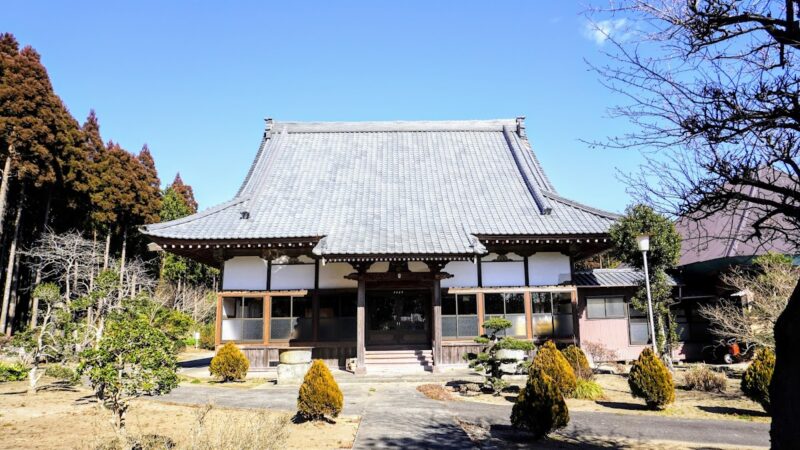
Located in Kumotani-cho, Toyohashi City, Aichi Prefecture, Fumonji Temple is a Koyasan Shingon sect temple affectionately known as “Toyohashi’s Maple Temple.” Its mountain name is Sengyosan, and its principal image is the Holy Kannon Bodhisattva.
It is said to have been founded in the Nara period, in the 4th year of Jinki (727 AD), and opened by Gyoki Bodhisattva. Boasting a history of over 1300 years since its founding, it is one of the oldest temples in Toyohashi City. It is said that during the Heian period, it had vast grounds extending to the summit of Funagata Mountain.
During the Kamakura period, it received the patronage of Minamoto no Yoritomo, and during the Edo period, it was under the protection of the Tokugawa Shogunate, developing through deep ties with the samurai class. This historical background has led to its current rich collection of cultural artifacts.
Cultural Artifacts and Highlights
Fumonji Temple in Toyohashi City is known for possessing the largest number of cultural artifacts in the city.
Nationally Designated Important Cultural Properties include a wooden seated statue of Amida Buddha and a wooden standing statue of Kannon Bodhisattva. These Buddhist statues were created from the Heian to Kamakura periods, demonstrating the high level of Buddhist art at that time.
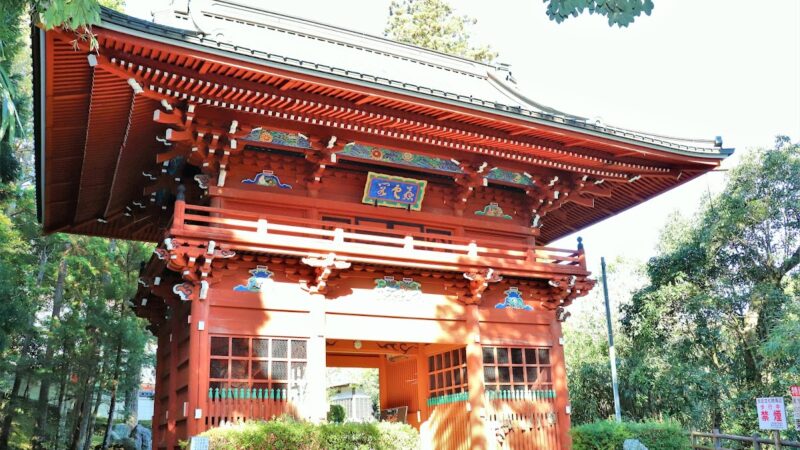
The bell tower gate is the oldest in Toyohashi City and a valuable structure that conveys the architectural style of the Edo period. On December 31st, a unique event called “Omisoka no Kane” (New Year’s Eve Bell) takes place, where the temple bell is rung during the daytime.
The temple grounds are rich in nature, and many visitors come, especially during the autumn foliage season. As its nickname “Momiji-dera” (Maple Temple) suggests, the autumn leaves that adorn the grounds are breathtakingly beautiful. The former temple grounds have been developed into a hiking course, and it is possible to climb Mt. Funagata, but since it is a proper mountain trail, appropriate footwear such as athletic shoes is necessary.
Visiting Information and Access
Temple Grounds Hours: 8:00 AM – 4:00 PM (including parking)
Access:
- By Car: Approximately 30 minutes from Toyohashi city center via National Route 1
- By Public Transportation: Take a bus from Toyohashi Station, then a short walk from the nearest bus stop
Goshuin (Temple Seal): Available at the temple office. Both pre-printed and handwritten goshuin are available.
Parking: Free parking available for visitors on the temple grounds.
Fumonji Temple offers consultations regarding perpetual memorial services, tree burials, columbariums, and funerals. Regular events such as yoga sessions and memorial services are also held.
Fumonji Temple in Takatsuki City: A Zen temple of the Myoshinji branch of the Rinzai school
Historical Background
Located in Takatsuki City, Osaka Prefecture, Fumonji Temple is a Rinzai sect Myoshinji branch temple known as Jiunzan. It enshrines Shakyamuni Buddha and the Eleven-faced Thousand-armed Kannon Bodhisattva as its principal deities.
It is said to have been founded during the Meitoku era (1390s, late 14th century) by a monk named Setsugon. As a temple founded during the flourishing Zen Buddhist culture of the Muromachi period, it has played a central role in the region’s Zen culture.
Features and Cultural Assets
As a Zen temple belonging to the Myoshinji branch of the Rinzai school, it deepens its interaction with local residents through religious activities such as Zen meditation sessions and sutra copying sessions. The temple grounds have a simple and tranquil atmosphere typical of a Zen temple, providing a peaceful space despite being located in an urban area.
As one of Takatsuki City’s historical and cultural assets, it is introduced on the city’s website and is an important temple for learning about the region’s history.
Visiting and Access
Access:
- Train: Walking or bus from JR Takatsuki Station or Hankyu Takatsuki-shi Station
- Car: Approximately 15 minutes from Ibaraki IC on the Meishin Expressway
For detailed information on visiting hours and events, it is recommended to contact Takatsuki City Hall or the temple directly.
Fumonji Temple in Kakegawa City: An Ancient Temple Founded by Imperial Order of Emperor Monmu
Fumonji Temple in Kakegawa City, Shizuoka Prefecture, is an ancient temple said to have been founded in 704 (Keiun 1) by imperial order of Emperor Monmu. It boasts a very long history, dating back to its founding in the early Nara period.
A highlight is the exquisite carvings in the Benten-do Hall, showcasing the pinnacle of Edo period carving techniques, characteristic of the Suwa-Tachikawa school. The Tachikawa school was a school of temple carvers active from the mid to late Edo period, and their works are highly regarded for their artistic value.
It is also positioned as a tourist spot in Kakegawa City, and is well worth visiting in conjunction with other nearby attractions.
Fumonji Temple in Ako City: A Temple Associated with Prince Shotoku
Fumonji Temple in Ozaki, Ako City, Hyogo Prefecture, is affectionately known as “Ako’s Kannon-san” by local residents. This ancient temple, traditionally founded by Prince Shotoku, cherishes his teaching of “harmony is to be valued.”
The temple upholds the principles of “harmony, circle, and connection,” functioning as a central hub for the local community. As a temple open to the community, it deepens its bonds with people through various events and activities.
Fumonji Temple in Ako City, Hyogo Prefecture: A Temple Associated with Prince Shotoku
Fumonji Temple, Okayama Prefecture: A Mountain Temple of Flowers
Fumonji Temple in Okayama Prefecture is known as a “mountain temple of flowers,” where visitors can enjoy flowers throughout the four seasons.
Seasonal Flowers:
- Spring: Rhododendrons adorn the temple grounds
- Early Summer: Hydrangeas are in full bloom
- Summer: Evening lilies bloom
- Autumn: Buckwheat flowers cover the grounds
Naturally situated in a rich natural environment, the temple grounds, which show different expressions with each season, are a popular spot for flower lovers and photography enthusiasts.
Fumonji Temple, Yashio City: A Temple of the Shingon-shu Buzan School
Fumonji Temple in Yashio City, Saitama Prefecture, is a temple belonging to the Shingon-shu Buzan school. Founded during the Eiroku era (1558-1570), it boasts a history of over 450 years. It is a venerable temple with 29 generations of abbots, from its founder to the current head priest.
With a historical background dating back to the late Sengoku period, Fumonji Temple developed as a center of local faith throughout the Edo period. Even today, it serves as a spiritual anchor for local residents, engaging in various religious activities.
Etiquette and Manners for Visiting Fumonji Temple
Basic Worship Etiquette
When visiting Fumonji Temple, please observe the following basic manners:
- Bow at the Temple Gate: Bow before entering the temple grounds.
- Purification at the Water Basin: Purify your hands and mouth before praying.
- Worship at the Main Hall: Quietly join your hands in prayer and pray wholeheartedly.
- Photography: Photography of Buddhist statues and cultural artifacts may be prohibited. Please check beforehand.
- Behavior on the Temple Grounds: Remain quiet and avoid speaking loudly or running.
About Goshuin (Temple Seals)
Many Fumonji temples offer Goshuin. Goshuin are proof of worship and have a religious meaning distinct from stamp rallies.
Points to Note When Receiving a Goshuin (Temple Stamp):
- Prepare a Goshuincho (stamp book) (available for purchase at the temple)
- Request a Goshuin at the Goshuin office after your visit
- Wait quietly while the stamp is being written
- Offer a donation (approximately 300-500 yen) with gratitude
Seasonal Highlights
You can enjoy different charms depending on the time of year you visit Fumonji Temple.
Spring: A season of beautiful cherry blossoms and wisteria, and fresh greenery.
Summer: Surrounded by lush greenery, visitors come seeking coolness.
Autumn: The season when the autumn leaves are at their most beautiful. Fumonji Temple in Toyohashi is particularly famous as the “Maple Temple.”
Winter: A peaceful atmosphere for worship. The year-end and New Year’s events are also appealing.
Perpetual Memorial Services and Burial at Fumonji Temple
In recent years, interest in perpetual memorial services and tree burials has been increasing. Fumonji Temple in Toyohashi City, in particular, offers these services.
What is Perpetual Memorial Service?
Perpetual memorial service is a system where a temple takes responsibility for performing perpetual memorial services. It is chosen by those without successors or those who do not want to burden their descendants.
Features of Perpetual Memorial Service:
- Since the temple manages and performs the memorial services, there is no worry of the remains becoming unclaimed.
- Often less expensive than a typical cemetery.
- An increasing number of temples are accepting all denominations.
Tree Burial and Columbarium
Tree burial is a new burial method where a tree serves as a grave marker instead of a tombstone. It is increasingly chosen by those who wish to return to nature or who are concerned about the environment.
Columbarium is a facility where cremated remains are kept indoors. It has the advantage of allowing visits regardless of weather and being easy to manage.
We recommend consulting directly with each Fumonji temple regarding these services.
Annual Events and Activities at Fumonji Temple
Each Fumonji temple holds various religious events and activities throughout the year.
Main Annual Events
New Year:
- First Shrine Visit of the Year
- Shushō-e (New Year’s Ceremony)
Spring:
- Spring Equinox Memorial Service
- Hanamatsuri (Buddha’s Birthday)
Summer:
- Obon Memorial Service
- Segaki Ceremony
Autumn:
- Autumn Equinox Memorial Service
- Autumn Leaves Illumination (Toyohashi, etc.)
Winter:
- New Year’s Eve Bell Ringing (Held during the day in Toyohashi)
- Special Memorial Services for the End of the Year and New Year
Special Events
Some temples also hold modern events such as the following:
- Yoga Experience Class
- Zen Meditation and Sutra Copying Sessions
- Dharma Talks
- Temple Grounds Concerts
- Special Public Openings of Cultural Properties
For details on events, we recommend checking the official website or calling each temple.
Tourist Attractions Around Fumonji Temple
Here are some nearby tourist attractions you might want to visit along with your visit to Fumonji Temple.
Around Fumonji Temple, Toyohashi City
- Funagatayama Hiking Course: A full-fledged mountain climbing course that circles the former temple grounds.
- Toyohashi City Center: Commercial facilities and restaurants around Toyohashi Station.
- Futagawa-juku Honjin Museum: A facility where you can learn about the history of the Edo period post town.
Around Fumonji Temple, Takatsuki City
- Imajozuka Kofun: A large keyhole-shaped burial mound known as the tomb of Emperor Keitai.
- Takatsuki Castle Ruins: A spot where you can feel the history of Takatsuki, a castle town.
- Settsukyo Gorge: A valley rich in nature where you can enjoy the scenery of the four seasons.
Around Fumonji Temple, Kakegawa City
- Kakegawa Castle: A beautiful castle known as the “famous castle of Tokai.”
- Kakegawa Kachoen: A popular facility where you can interact with various birds.
- Shiseido Art House: A corporate museum exhibiting works of art.
Contact information and access information for Fumonji Temple
Toyohashi City Fumonji Temple
Location: 7 Nabeyamashita, Kumotani-cho, Toyohashi City, Aichi Prefecture
Phone: See official website
Official Website: https://fumonji727.com/
Access: Approximately 30 minutes by bus or car from Toyohashi Station
Takatsuki City Fumonji Temple
Location: Takatsuki City, Osaka Prefecture (For details, please inquire at Takatsuki City Hall)
Inquiries: Cultural Properties Division, Takatsuki City Board of Education
Access: Walking distance or bus ride from JR Takatsuki Station or Hankyu Takatsuki-shi Station
Kakegawa City Fumonji Temple
Location: Kakegawa City, Shizuoka Prefecture
Inquiries: Kakegawa City Tourism Association
Access: By car or bus from Kakegawa Station
Ako City Fumonji Temple
Location: Ozaki, Ako City, Hyogo Prefecture
Official Website: http://www.e-ako.sakura.ne.jp/fumonji/
Access: Walking distance or bus ride from Banshu-Ako Station
Fumonji Temple, Yashio City
Location: Yashio City, Saitama Prefecture
Official Website: https://www.fumonji.or.jp/
Access: Walking distance or bus ride from Yashio Station
Cultural Property Preservation Activities at Fumonji Temples
Each Fumonji temple is dedicated to the protection and preservation of its valuable cultural properties. In particular, Fumonji Temple in Toyohashi City possesses the largest number of cultural properties in the city, and meticulous care is taken in their preservation and management.
Cultural Property Preservation Efforts:
- Regular restoration work and checks of preservation status
- Appropriate temperature and humidity control
- Expert surveys and research
- Balancing public access and educational activities
- Record preservation through digital archiving
Maintaining cultural properties requires significant expense. Donations and contributions from worshippers support these cultural property preservation activities.
Summary: The Charm of Visiting Fumonji Temples
Fumonji temples throughout Japan each possess their own unique history and culture, playing a vital role as centers of local faith and culture. They represent a diverse range of eras and sects, from ancient temples dating back to the Nara period to Zen temples founded in the Muromachi period.
From the beautiful autumn foliage of Toyohashi, known as the “Maple Temple,” to the city’s largest number of cultural properties, and the seasonal flowers of Okayama, known as the “Flower Mountain Temple,” the unique charms of each Fumonji temple deeply impress visitors.
As the name Fumonji (meaning “widely open gate”) suggests, these temples warmly welcome everyone and offer peace of mind. For historical exploration, cultural appreciation, nature walks, and inner peace, please visit Fumonji temples throughout Japan.
When visiting, please observe the rules and manners of each temple, cooperate in the preservation of cultural properties, and feel free to inquire about perpetual memorial services, tree burials, and other related matters. We hope that each Fumonji temple will become a special place for you.