Complete Guide to Goshajinja & Suwajinja | Hamamatsu Power Spot with Tokugawa Family Connections
Located in Chuo Ward, Hamamatsu City, Shizuoka Prefecture, Goshajinja & Suwajinja are historic shrines known as the tutelary deities of Tokugawa Hidetada, the eldest son of Tokugawa Ieyasu. They once boasted shrine buildings designated as National Treasures, and even today, many worshippers visit seeking blessings for safe childbirth, child-rearing, and matchmaking.
This article provides comprehensive information useful for visiting Goshajinja & Suwajinja, including its history, blessings, highlights, goshuin (shrine stamps), and access methods.
About Goshajinja & Suwajinja
Goshajinja & Suwajinja are located in the central urban area, approximately 1 km northwest of JR Hamamatsu Station. Originally, two independent shrines, “Goshajinja” and “Suwajinja,” stood adjacent to each other. In 1960 (Showa 35), they merged into a single legal entity, “Goshajinja & Suwajinja,” which remains to this day.
This shrine has a unique structure, enshrining two deities within a single precinct, each with its own deep history and traditions. Before the war, it boasted a magnificent shrine building, designated a National Treasure, but it was destroyed in the Hamamatsu air raid of 1945. The current shrine building was rebuilt in 1982.
Location and Basic Information
- Address: 302-5 Toshimachi, Chuo-ku, Hamamatsu City, Shizuoka Prefecture
- Shrine Rank: Former Prefectural Shrine
- Main Deities: Five deities (Goshajinja Shrine), Takeminakata-no-kami and Yasakatome-no-kami (Suwajinja Shrine)
- Founding: Goshajinja Shrine (Muromachi period), Suwajinja Shrine (Enryaku 10th year, 791)
- Annual Festival: April and October
History and Origins of Goshajinja Shrine
Founding and Deep Connection to Hamamatsu Castle
The founding of Goshajinja Shrine dates back to the Muromachi period. It is said to have begun when Kuno Etchu-no-kami, the lord of Hikuma Castle (later Hamamatsu Castle), founded it within the castle grounds. Originally located within Hamamatsu Castle, the shrine was moved to its current location in 1579 (Tensho 7) when Tokugawa Ieyasu’s eldest son, Takechiyo (later the second shogun, Tokugawa Hidetada), was born within Hamamatsu Castle.
It has been revered as the tutelary deity of Hidetada and has developed into a shrine with deep ties to the Tokugawa family.
Deities enshrined at Goshajinja Shrine
Goshajinja Shrine enshrines five deities as its principal deities.
- Futodama-no-Mikoto
- Takeikazuchi-no-Mikoto
- Itsukinushi-no-Mikoto
- Amenokoyane-no-Mikoto
- Hime-no-Okami
The shrine was named “Goshajinja” (Five Shrines Shrine) because it enshrines these five deities. These gods are believed to possess divine virtues closely related to people’s lives, such as safe childbirth, child-rearing, family safety, and matchmaking.
History and Origins of Suwa Shrine
Sakanoue no Tamuramaro and Suwa Faith
The founding of Suwa Shrine is even older than Goshajinja, dating back to Enryaku 10 (791). It is said that Sakanoue no Tamuramaro, known as the Seii Taishogun (Commander-in-Chief of the Expeditionary Force against the Barbarians), enshrined it in Kaminakajima Village, Shikichi District (present-day Hamamatsu City) during his eastern expedition.
This shrine was established by inviting a divided spirit from the Suwa Grand Shrine in Shinshu. It has been revered not only as a god of war but also as a guardian deity of agriculture and fishing.
Deities enshrined at Suwa Shrine
Suwa Shrine enshrines the same deities as the Suwa Grand Shrine in Shinshu.
- Takeminakata-no-kami: God of martial prowess, guardian deity of agriculture and fishing
- Yasakatome-no-kami: Consort of Takeminakata-no-kami, goddess of matchmaking and marital harmony
History of the joint enshrinement of the two shrines
National Treasure designation and destruction by war
During the Meiji era, Gosha Shrine and Suwa Shrine were both ranked as prefectural shrines, and their buildings were of such value that they were designated as national treasures. In particular, the main hall of Gosha Shrine was known as a valuable building with magnificent decorations from the Momoyama period.
However, both shrines were completely destroyed in the Hamamatsu air raid on June 18, 1945. During the post-war reconstruction process, it was decided to rebuild the two adjacent shrines by merging them.
Merger in the Showa Era and the Current Shrine
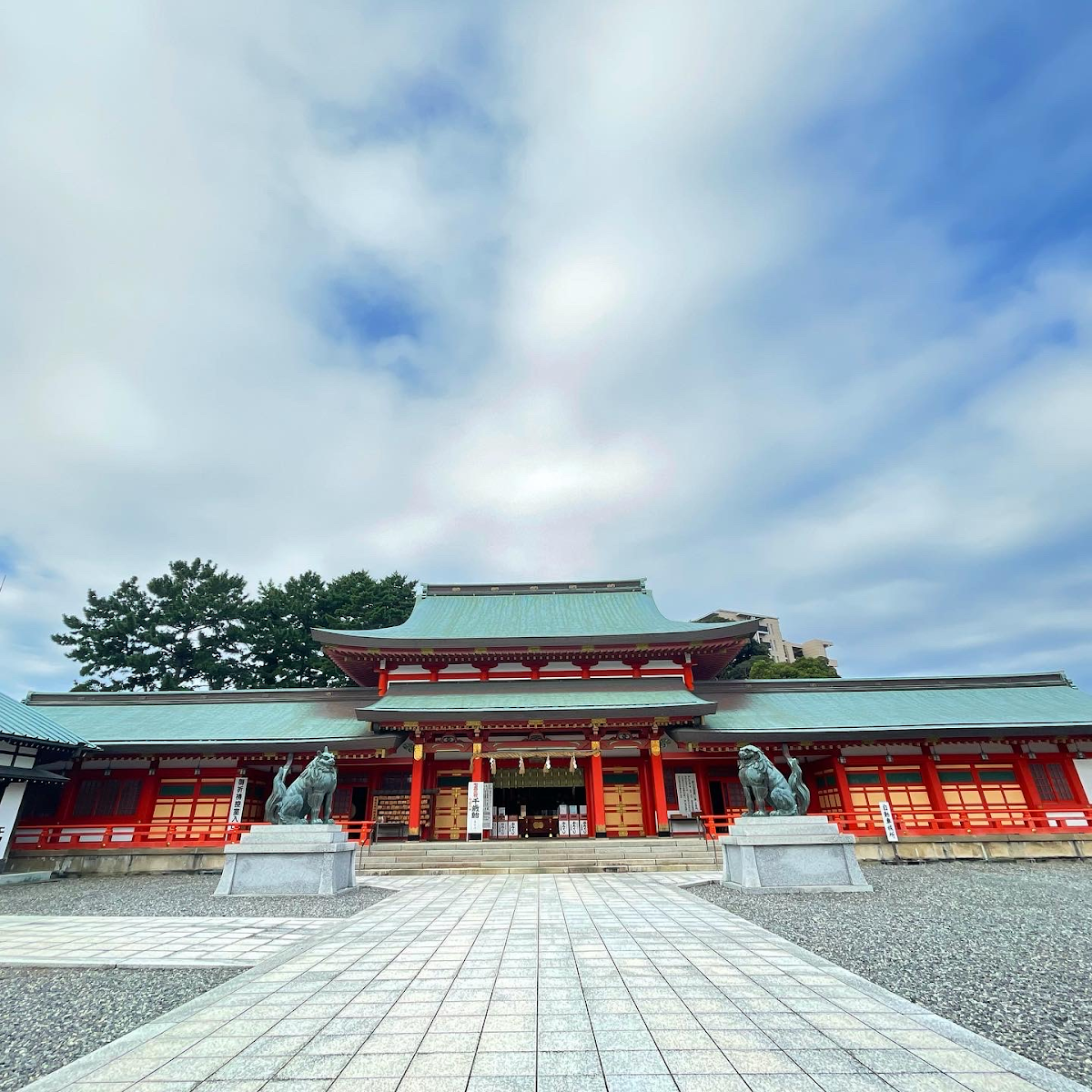
In 1960, the two shrines were merged into a single legal entity, and the formal merger was completed in 1962. The current shrine building, rebuilt in 1982, retains the beauty of traditional shrine architecture despite being made of reinforced concrete.
The deities of both shrines are enshrined in a single main hall, making it a rare type of shrine nationwide where visiting both shrines is equivalent to paying respects to both.
Benefits of Goshajinja Shrine and Suwajinja Shrine
Safe Childbirth, Conception, and Child-Rearing
As the tutelary deity of Tokugawa Hidetada, it is best known for its benefits in safe childbirth, conception, and child-rearing. The prayer for a safe delivery, performed on the Day of the Dog in the fifth month of pregnancy, is particularly popular, attracting many expectant mothers.
Shichi-Go-San Pilgrimage
As a shrine dedicated to the god of child-rearing, it sees a large number of visitors for Shichi-Go-San (a traditional Japanese rite of passage for children), and the grounds are especially bustling with families in colorful attire from October to November.
Matchmaking and Marital Harmony
Since the deities enshrined at Suwa Shrine, Takeminakata-no-kami and Yasakatome-no-kami, are a married couple, visitors can also receive blessings for matchmaking and marital harmony.
Other Blessings
- Family Safety
- Traffic Safety
- Protection from Evil
- Success in Exams
- Recovery from Illness
- Business Prosperity
As Takeminakata-no-kami and Takeikazuchi-no-mikoto, gods of war, are enshrined here, visitors can also expect blessings for success in competitions and protection from evil.
Highlights of the Shrine Grounds
Main Hall
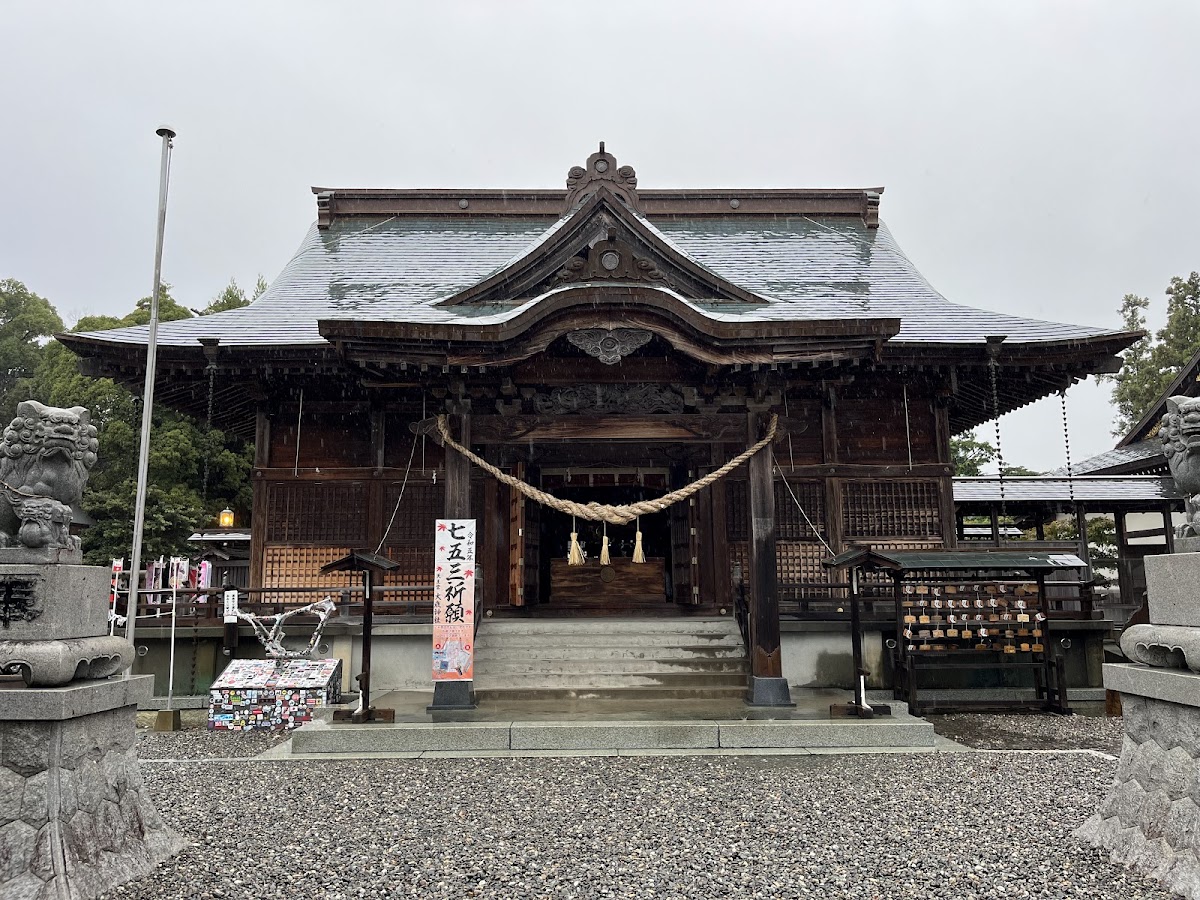
Rebuilt in 1982, the main hall retains the aesthetic beauty of traditional shrine architecture while utilizing modern construction techniques. Although made of reinforced concrete, its design evokes the dignified feel of wooden architecture.
Worship Hall
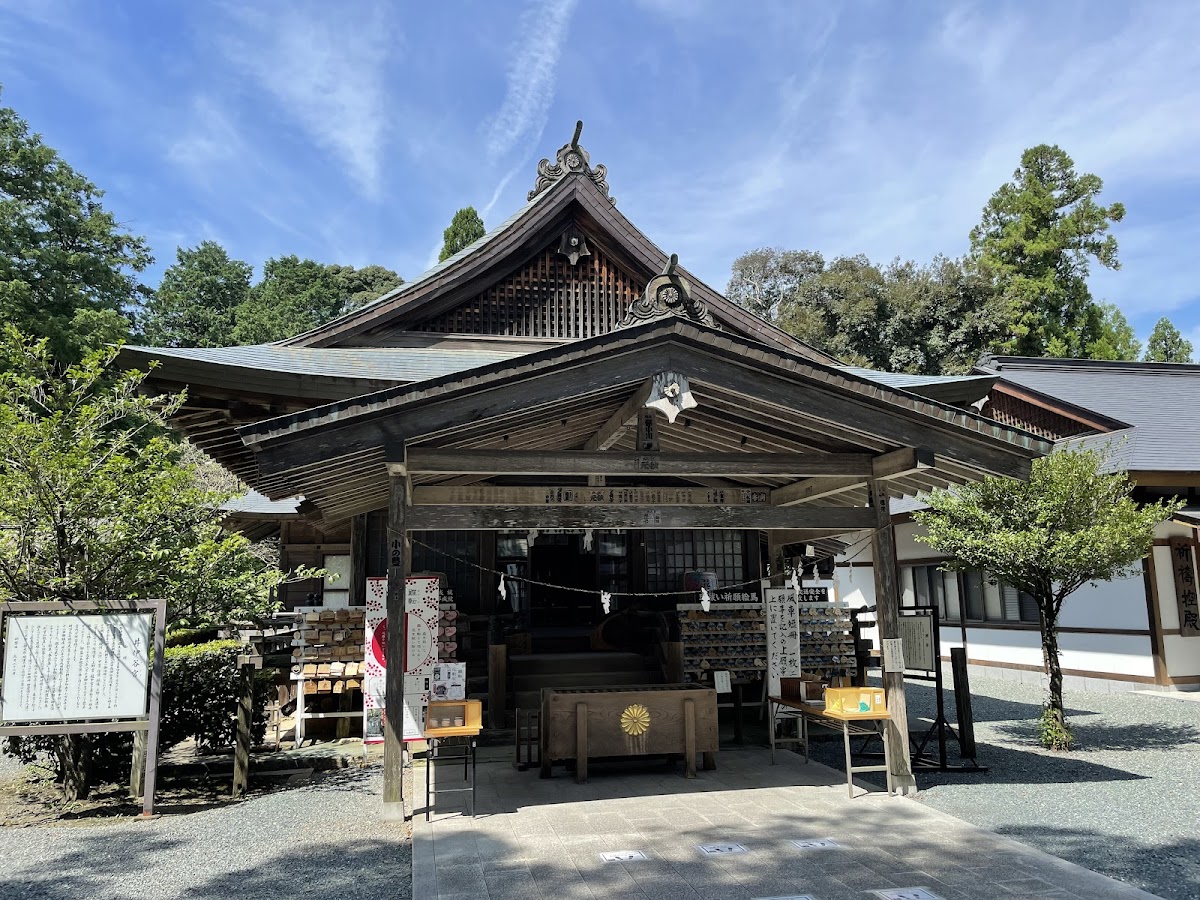
The worship hall, where worshippers offer their prayers, is a spacious area where weddings and various prayers are held. Beautiful decorations adorn the ceiling, creating a solemn atmosphere.
Shrine Office and Gift Shop
This is where you can receive Goshuin (shrine stamps), amulets, and ema (votive tablets). Seasonal limited-edition Goshuin and amulets are sometimes available, making it a treat for visitors.
Chino-wa (Summer Purification Ceremony)
From the end of June to the beginning of July, a “Chino-wa” (a large ring made of reeds) is set up on the shrine grounds. The Nagoshi no Oharai (Summer Purification Ceremony) is held, where participants pass through a ring of reeds to purify themselves of the impurities accumulated over the past six months and pray for good health and protection from illness for the remaining half of the year.
Annual Events and Festivals
Main Annual Events
- January 1st: New Year’s Day Festival/First Shrine Visit of the Year
- February 3rd: Setsubun Festival
- April: Spring Grand Festival
- June 30th: Nagoshi no Oharai
- July: Goshajinja Suwajinja Summer Festival
- October: Autumn Grand Festival
- November: Shichi-Go-San Festival (October-November)
- December 31st: Oharai Ceremony/New Year’s Eve Festival
Special Prayers
The following prayers are accepted year-round.
- Prayer for safe childbirth
- First shrine visit for a newborn
- Shichi-Go-San (7-5-3) ceremony
- Prayer for protection against evil
- Prayer for success in exams
- Family safety
- Traffic safety
- Business prosperity
- Recovery from illness
Prayers are not by prior reservation; same-day registration is possible. However, waiting times may occur during busy periods such as New Year’s, Golden Week, and the Shichi-Go-San season.
Goshuin (Shrine Seals) and Amulets
About Goshuin
At Goshajinja Shrine and Suwajinja Shrine, in addition to regular goshuin, seasonal limited-edition goshuin are also available. It’s sometimes possible to receive goshuin from two shrines at one, making them particularly popular among goshuin collectors.
In recent years, clear-type goshuin and joint goshuin projects with other shrines have also been implemented, making highly collectible goshuin a hot topic.
Popular Amulets
- Safe Childbirth Amulet: A popular amulet for expectant mothers praying for a safe delivery.
- Child-Rearing Amulet: An amulet wishing for the healthy growth of children.
- Matchmaking Amulet: An amulet for those wishing for a good match.
- Exorcism Amulet: An amulet for those in their unlucky years.
- Traffic Safety Amulet: An amulet for the safety of cars and bicycles.
Many of the amulets have cute designs and are popular as souvenirs.
About Shinto Wedding Ceremonies
At Goshajinja Shrine and Suwajinja Shrine, you can hold a traditional Shinto wedding ceremony. A wedding ceremony at these historic shrines associated with the Tokugawa family will be solemn and memorable.
Features of Shinto Wedding Ceremonies
- A ceremony watched over by the gods of two shrines.
- Blessings of family safety and prosperity of descendants.
- Excellent location in the heart of Hamamatsu City.
- Beautiful grounds suitable for photography.
For details, please contact the shrine directly.
Access
Access by Train
From JR Hamamatsu Station
- Walking: Approximately 15 minutes (approximately 1 km northwest)
- Bus: Immediately after alighting at the “Goshajinja/Suwajinja-mae” bus stop (Enshu Railway Bus)
- Taxi: Approximately 5 minutes
While it’s within walking distance from Hamamatsu Station, using a bus or taxi is more convenient if you have a lot of luggage or are traveling with children.
Access by Car
From Tomei Expressway
- Approximately 20 minutes from Hamamatsu IC
- Approximately 25 minutes from Hamamatsu-Nishi IC
From Shin-Tomei Expressway
- Approximately 25 minutes from Hamamatsu-Hamakita IC
Parking
The shrine has a parking lot for visitors. However, during peak seasons such as the first three days of the New Year and the Shichi-Go-San season (weekends and holidays in October and November), the parking lot may be full, so please consider using public transportation.
- Parking Capacity: Approximately 30 cars
- Fee: Free
- Operating Hours: Same as shrine visiting hours
There are also coin-operated parking lots nearby.
Nearby Tourist Attractions
Goshajinja Shrine and Suwajinja Shrine are located in the heart of Hamamatsu City, so there are many tourist attractions nearby.
- Hamamatsu Castle: Approximately 15 minutes on foot, a castle associated with Tokugawa Ieyasu
- Hamamatsu Castle Park: A place of relaxation for citizens adjacent to Hamamatsu Castle
- Act City Hamamatsu: A multi-purpose complex in front of Hamamatsu Station
- Hamamatsu City Museum of Art: Approximately 20 minutes on foot
- Musical Instrument Museum: Near Hamamatsu Station, Japan’s only public musical instrument museum
You can enjoy sightseeing in Hamamatsu in conjunction with your visit to the shrine.
Etiquette and Precautions for Visiting the Shrine
Visiting Hours
- Visiting the Shrine: Generally possible 24 hours a day
- Shrine Office: Approximately 9:00 AM to 5:00 PM (may vary depending on the season)
- Prayer Request Reception: Approximately 9:00 AM to 4:30 PM
Please check the official website for detailed hours.
Etiquette for Visiting a Shrine
- Bow before passing through the torii gate.
- Purify your body and mind at the water basin.
- Hold the ladle in your right hand and purify your left hand.
- Switch the ladle to your left hand and purify your right hand.
- Switch the ladle back to your right hand, receive water in your left hand, and rinse your mouth.
- Finally, hold the ladle upright and purify the handle.
- “Two bows, two claps, one bow” in front of the main hall.
- Bow deeply twice.
- Clap twice.
- Bow deeply once.
Regarding Attire
While everyday attire is acceptable for visiting, please note the following if you are receiving a prayer service:
- Avoid revealing clothing.
- Avoid sandals and flip-flops.
- Remove hats and sunglasses inside the main hall.
Regarding Photography
Photography is generally permitted on the shrine grounds, but please note the following:
- Photography inside the main shrine is prohibited.
- Please be considerate of other worshippers.
- Please refrain from using tripods during crowded times.
- Photography during prayers is prohibited.
The Charm of Goshajinja Shrine and Suwajinja Shrine
History and Tradition
Suwajinja Shrine boasts a history of over 1200 years, while Goshajinja Shrine is associated with Tokugawa Ieyasu and Hidetada. This shrine, where the history and traditions of both shrines merge, embodies the history of Hamamatsu itself.
Diverse Blessings
From safe childbirth and child-rearing to matchmaking, protection from evil, and business prosperity, this shrine can be visited at various milestones in life. The fact that you can receive blessings from two shrines in a single visit is a major attraction.
Easy Access
Despite its convenient location within walking distance of Hamamatsu Station, the shrine grounds are enveloped in a tranquil atmosphere. It is a space where you can escape the hustle and bustle of the city and find peace of mind.
Seasonal Pleasures
From the New Year’s visit to the shrine, to the cherry blossoms of spring, the summer ritual of passing through a straw ring, the autumn Shichi-Go-San festival, and the tranquility of winter, the shrine grounds reveal different expressions in each season, offering new discoveries with every visit.
Connection with the Community
Goshajinja and Suwajinja are not merely tourist attractions; they function as a spiritual haven for local residents. Deeply cherished by the citizens of Hamamatsu, they are shrines visited at important life events such as the first shrine visit for a newborn, Shichi-Go-San, exorcism, and weddings.
Summer festivals and annual festivals serve as gathering places for local people, passing on traditional culture to the next generation. In recent years, they have also focused on disseminating information through social media, continuing to evolve as shrines that are popular with younger generations.
Official Information and Inquiries
For the latest information and details, please check the official website and social media accounts of Goshajinja and Suwajinja.
- Official Website: https://www.gosyajinjya-suwajinjya.or.jp/
- Instagram: @gosyajinjasuwajinja
For reservations for prayers or inquiries about weddings, please contact us by phone or visit the shrine directly.
Summary
Goshajinja Suwajinja is a representative shrine of Hamamatsu, possessing a history connected to the Tokugawa family, diverse blessings, beautiful grounds, and a warm, community-rooted atmosphere.
It’s a shrine you’ll want to visit at important milestones in life, such as for safe childbirth, child-rearing, and matchmaking, and a must-see spot when sightseeing in Hamamatsu. Why not quietly pray in the beautiful current shrine while reflecting on the history of the shrine buildings, which were once designated as national treasures?
Its convenient location within walking distance of Hamamatsu Station is another attractive feature. Visiting it along with nearby tourist spots such as Hamamatsu Castle and the Musical Instrument Museum will allow you to enjoy a more fulfilling Hamamatsu sightseeing experience.
With its unique form as two shrines combined into one, a history spanning over 1200 years, and deep ties to the Tokugawa family, Goshajinja Suwajinja possesses a charm that resonates with each visitor. We encourage you to visit this historic shrine and experience its allure for yourself.