Complete Guide to Goshajinja Shrines: A Thorough Explanation of History, Blessings, Goshuin (Shrine Seals), and Goshajinja Shrines Nationwide
Goshajinja is a general term for shrines located throughout Japan, named for the fact that they enshrine five deities. In particular, the Goshajinja and Suwajinja shrines in Hamamatsu City, Shizuoka Prefecture, are known as shrines associated with Tokugawa Ieyasu and are popular with many worshippers as deities of child-rearing and child protection. This article provides a detailed explanation of the history of Goshajinja shrines, their enshrined deities, blessings, goshuin information, and Goshajinja shrines throughout Japan.
What are Goshajinja Shrines?
Goshajinja (五社神社) is a general term for shrines that enshrine five deities. Goshajinja shrines exist throughout Japan, each with its own unique history and enshrined deities.
Origin of the Name “Goshajinja”
The name “Gosha” (五社) is derived from the following reasons:
- Enshrines Five Deities: Five deities have been enshrined in one shrine since its founding.
- Integration of Five Shrines: Five shrines were integrated for some reason.
- Worship of the Five Generations of Earthly Deities: The shrine enshrines the five generations of earthly deities in Japanese mythology.
As such, the name “Goshajinja” has multiple origins, and the history differs for each shrine.
Goshajinja and Suwajinja in Hamamatsu City
The Goshajinja and Suwajinja, located in Toshimachi, Chuo-ku, Hamamatsu City, Shizuoka Prefecture, are among the most famous Goshajinja shrines. Situated in the central urban area approximately 1 km northwest of JR Hamamatsu Station, they are deeply revered by the local people.
History and Origin
The history of the Goshajinja and Suwajinja dates back to the Sengoku period (Warring States period).
The Founding of Goshajinja Shrine
It is said that the shrine originated when Kuno Etchu-no-kami, the lord of Hikuma Castle (later Hamamatsu Castle), founded it within the castle grounds. Later, when Tokugawa Ieyasu became the lord of Hamamatsu Castle, he revered the shrine as the tutelary deity upon the birth of Tokugawa Hidetada on April 7, 1579 (Tensho 7).
In 1580 (Tensho 8), Ieyasu constructed the shrine buildings at its current location and relocated the deity. Due to this historical background, Goshajinja Shrine holds an important position as a shrine associated with the Tokugawa family.
The Merger with Suwajinja Shrine
Before the war, Goshajinja Shrine and Suwajinja Shrine were enshrined separately, and both were designated as National Treasures. However, both shrines were destroyed in the Hamamatsu air raid of 1945 (Showa 20).
During the post-war reconstruction, in 1960 (Showa 35), the deities of both shrines were enshrined together, and the shrine was rebuilt as a single legal entity, “Goshajinja Shrine/Suwajinja Shrine.” Currently, it is a rare example of a single shrine enshrining the deities of two different shrines.
Deities Enshrined
Goshajinja Shrine/Suwajinja Shrine enshrines many deities.
Deities Enshrined at Goshajinja Shrine
- Futodama-no-Mikoto
- Takeikazuchi-no-Mikoto
- Iwainushi-no-Mikoto
- Amenokoyane-no-Mikoto
- Hime-no-Okami
The name “Goshajinja Shrine” (Five Shrines Shrine) comes from the fact that these five deities are enshrined there.
Deities enshrined at Suwa Shrine
- Takeminakata-no-Mikoto
- Yasakatome-no-Mikoto
The same deities as those enshrined at Suwa Grand Shrine are worshipped here.
Because multiple deities are enshrined here, it is known as a shrine where one can receive various blessings.
Blessings
Goshajinja/Suwa Shrine is particularly known for the following blessings:
Childcare and Child-rearing
Revered as the tutelary deity of Tokugawa Hidetada, it is deeply revered as a deity of childcare and child-rearing. Many families visit for shrine visits for newborns, first shrine visits, and Shichi-Go-San (a traditional Japanese rite of passage for children).
Prayers for Safe Childbirth
Generally, prayers for safe childbirth can be received on the first Day of the Dog in the fifth month of pregnancy.
Other Benefits
- Family Safety
- Traffic Safety
- Protection from Evil
- Success in Exams
- Recovery from Illness
- Finding a Partner
- Business Prosperity
As a shrine associated with the Tokugawa family, you can also expect benefits such as good fortune, increased luck, and career advancement.
About Prayers
At Goshajinja Shrine and Suwajinja Shrine, you can receive prayers tailored to various life milestones and wishes.
Main Types of Prayers
- First Shrine Visit (Omiyamairi): Generally performed on the 31st day after birth for boys and the 32nd day for girls.
- Shichi-Go-San: Performed at ages 3 and 5 for boys and 3 and 7 for girls.
- Prayer for Safe Childbirth: Performed on the Day of the Dog in the 5th month of pregnancy.
- Exorcism: Performed in the year of one’s unlucky year.
- Traffic Safety: Car blessing.
- Prayer for Success in Exams: Performed during exam season.
When receiving a prayer, it is recommended to check the details on the official website or inquire by phone beforehand.
Goshuin (Shrine Seal) Information
The goshuin of Goshajinja Shrine and Suwajinja Shrine are popular among visitors.
Features of Goshuin
- There are separate goshuin for Goshajinja Shrine and Suwajinja Shrine.
- Cute designs of goshuin are also available.
- Seasonal limited goshuin are sometimes offered.
Goshuin can be obtained at the shrine office. You can bring your own Goshuincho (stamp book) or purchase one on-site.
Festivals and Annual Events
Goshajinja Shrine and Suwajinja Shrine hold various festivals and events throughout the year.
Main Annual Events
- January 1st: New Year’s Day Festival
- February 3rd: Setsubun Festival
- April 7th: Grand Festival (Birthday of Tokugawa Hidetada)
- July: Summer Purification Ceremony
- November: Shichi-Go-San Season
- December 31st: Great Purification Ceremony, New Year’s Eve Festival
Traditional festivals continue to be celebrated even in the Reiwa era.
Access and Parking
Location
302-5 Toshimachi, Chuo-ku, Hamamatsu City, Shizuoka Prefecture
Access
- Train: Approximately 15 minutes on foot from JR Hamamatsu Station
- Bus: Immediately after alighting at the “Goshajinja/Suwajinja-mae” bus stop on the Enshu Railway Bus
- Car: Approximately 20 minutes from the Hamamatsu Interchange on the Tomei Expressway
Parking
The shrine has a parking lot for visitors. However, congestion is expected during peak seasons such as Shichi-Go-San (children’s festival) and New Year’s, so please consider using public transportation.
Goshajinja Shrines in Kanagawa Prefecture
There are also Goshajinja shrines in Kanagawa Prefecture. This section introduces the Goshajinja shrines registered with the Kanagawa Prefectural Shrine Association.
Deities and History
The deities enshrined at Goshajinja Shrine in Kanagawa Prefecture are as follows:
- Amaterasu Ohirume-no-Mikoto
- Ame-no-Oshihomimi-no-Mikoto
- Amatsuhikohono-Ninigi-no-Mikoto
- Hikohodemi-no-Mikoto
- Ugayafukiaezu-no-Mikoto
These are the five generations of gods known as the Five Generations of Earthly Deities, representing the five generations from the descent of the heavenly grandchild to Emperor Jimmu.
Founding Legend
It is said that when Prince Yamato Takeru no Mikoto, son of Emperor Keiko, the twelfth emperor of Japan, was on his eastern expedition, he planted five sakaki trees in this area (then known as Kameiyama) and enshrined the five generations of earth gods, establishing the shrine as “Gozu no Miya” (Shrine of Five Heads).
Because of this history, Goshajinja Shrine in Kanagawa Prefecture is known as an ancient shrine associated with Yamato Takeru no Mikoto.
Goshajinja Shrines Nationwide
Besides Hamamatsu and Kanagawa, there are several other shrines named Goshajinja throughout Japan.
Characteristics of Goshajinja Shrines in Various Regions
Integrated Goshajinja Shrines
There are cases where five local shrines have been merged to form a single Goshajinja Shrine. This is a result of the Meiji-era shrine consolidation policy, which led to the merger of multiple small shrines.
Goshajinja Shrines Dedicating the Five Generations of Earthly Deities
Some shrines, like the Goshajinja Shrine in Kanagawa Prefecture, enshrine the Five Generations of Earthly Deities (five generations of gods descended from Amaterasu Omikami).
Goshajinja Shrines Dedicating Their Own Five Deities
Due to local beliefs and historical background, some Goshajinja Shrines enshrine their own unique five deities.
How to Find a Goshajinja Shrine
You can search for shrines within your jurisdiction on the websites of each prefectural shrine association. Searching for “Goshajinja Shrine” will allow you to find detailed information about Goshajinja Shrines located in that area.
How to Worship at a Goshajinja Shrine
Knowing the correct way to worship at a Goshajinja Shrine will allow for a more heartfelt visit.
Basic Etiquette for Visiting a Shrine
- Bow before passing through the torii gate: As a sign of respect before entering the sacred area.
- Purify yourself at the water basin: Purify your left hand, then your right hand, then your mouth.
- Walk along the edge of the path: The center is considered the path of the gods.
- Pray in front of the main hall: Two bows, two claps, and one bow is the basic form.
- Bow when leaving the torii gate: A farewell greeting to the gods.
Receiving a Prayer
If you wish to receive a prayer, please note the following:
- Reservation: Make a reservation in advance by phone or through the website.
- Attire: Formal or clean attire is appropriate.
- Offering: Varies depending on the type of prayer; please check in advance.
- Items to bring: Goshuincho (stamp book) (if desired).
The Charm of Goshajinja Shrine
Goshajinja Shrine possesses a unique charm unlike any other shrine.
Benefits from Multiple Deities
A major characteristic of Goshajinja Shrine is that by enshrining five deities, you can receive various blessings at once. It caters to a wide range of wishes, from family safety and child-rearing to business prosperity.
Historical Value
In particular, Goshajinja Shrine and Suwajinja Shrine in Hamamatsu have high historical value as shrines associated with Tokugawa Ieyasu, allowing visitors to experience Japanese history. The history of the shrine buildings, which were designated as national treasures before the war, is passed down to the present day.
Beautiful Shrine Buildings
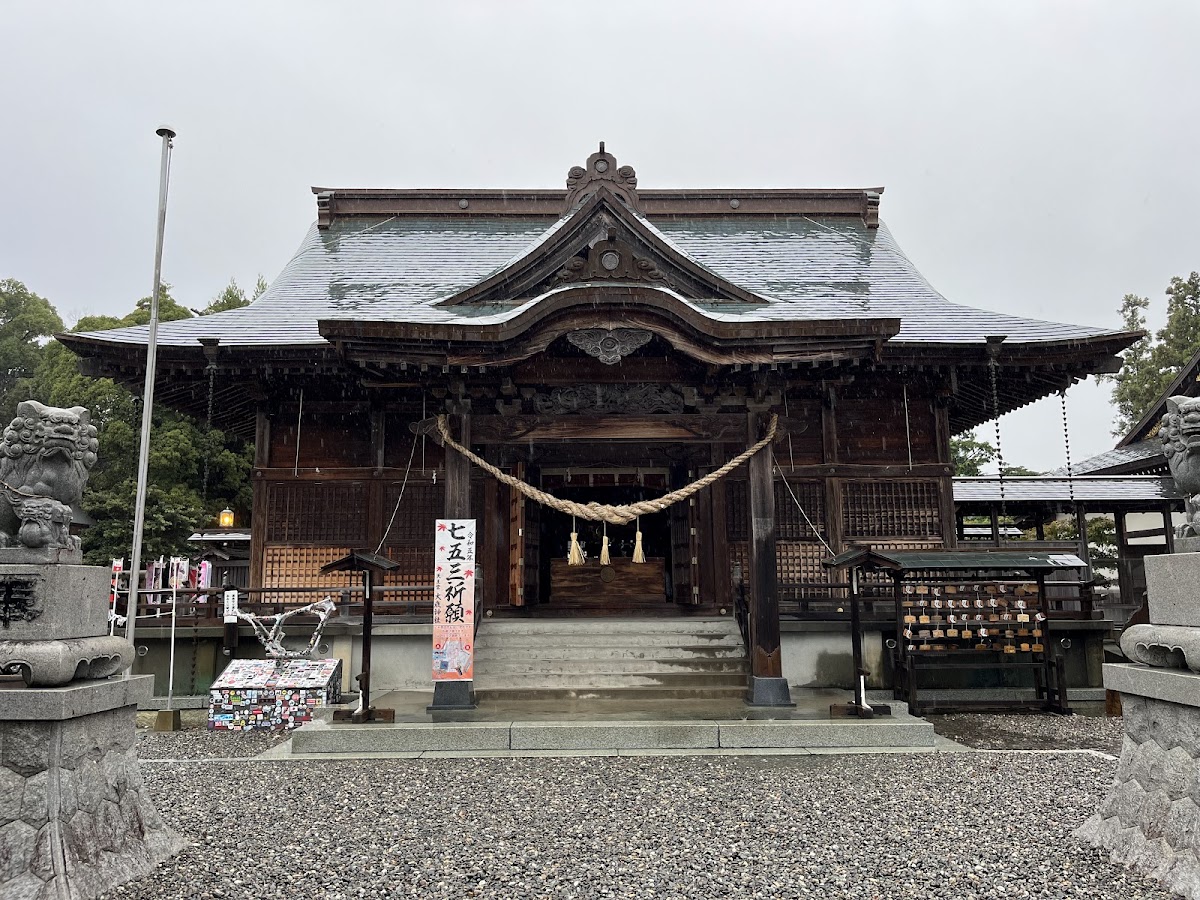
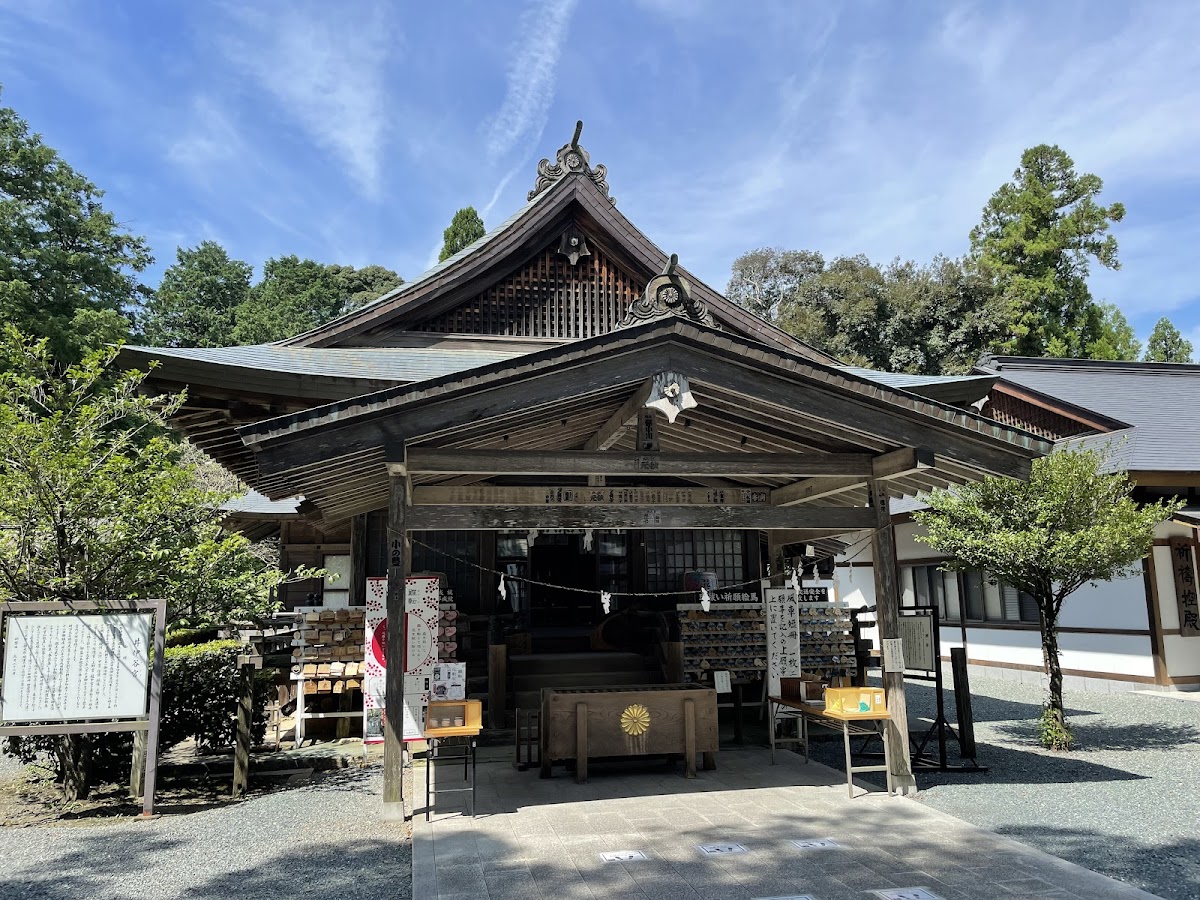
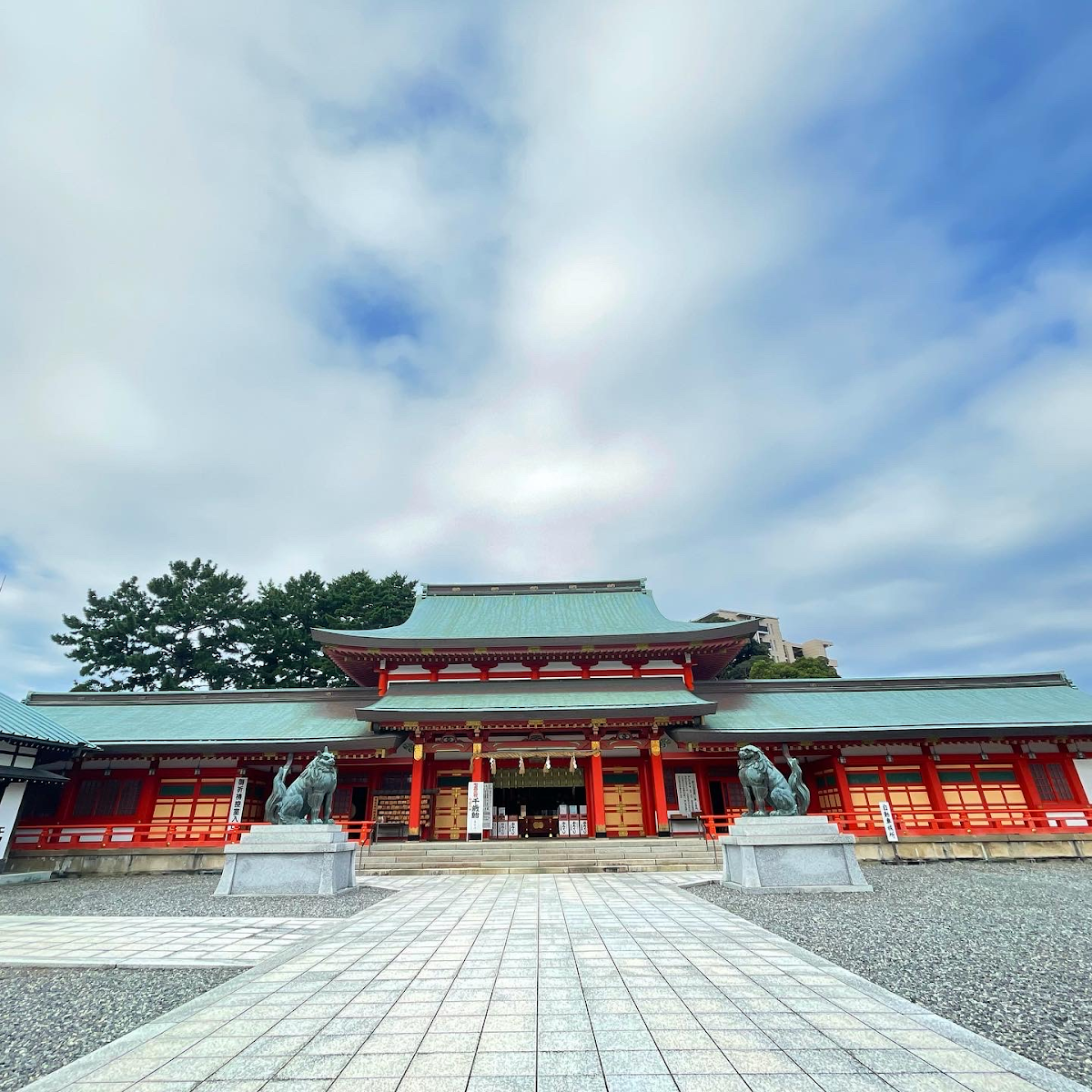
The shrine buildings of Goshajinja Shrine and Suwajinja Shrine, rebuilt after the war, convey the beauty of traditional shrine architecture to the present day. They are highly praised by visitors as “beautiful shrine buildings.”
Shinto Wedding Ceremony
You can also hold a Shinto wedding ceremony at Goshajinja Shrine and Suwajinja Shrine. A wedding at this rare shrine, where two shrines are combined, will surely be a special memory. Many couples choose a Shinto wedding ceremony at this prestigious shrine associated with the Tokugawa family.
Best Season for Visiting Goshajinja Shrine
While Goshajinja Shrine can be visited year-round, there are best seasons depending on your purpose.
New Year’s (January 1st-3rd)
The shrine is busiest during the New Year’s visit period. It’s crowded with many worshippers praying for safety and prosperity in the new year, but the solemn atmosphere makes for a special visit.
Shichi-Go-San Season (November)
Goshajinja Shrine and Suwajinja Shrine, known as deities of child-rearing, are bustling with families during the Shichi-Go-San season in November. You can see many children in adorable kimonos.
Spring and Autumn Festivals
The festival seasons, including the annual grand festival, offer a valuable opportunity to experience the shrine’s traditional events. You can immerse yourself in local culture.
Quiet Weekdays
If you want to avoid crowds and visit at a leisurely pace, weekday mornings are recommended. You can pray in a peaceful atmosphere.
Attractions Around Goshajinja Shrine
Around Goshajinja Shrine and Suwajinja Shrine in Hamamatsu City, there are several other tourist spots worth visiting.
Hamamatsu Castle
Hamamatsu Castle, where Tokugawa Ieyasu spent 17 years, is within walking distance of Goshajinja Shrine. You can enjoy a historical walk visiting places associated with Ieyasu.
Hamamatsu City Center
The area around JR Hamamatsu Station boasts numerous shopping facilities and restaurants. It’s convenient for meals and shopping after visiting the shrines.
Hamamatsu Festival Hall
This facility allows you to learn about the Hamamatsu Festival, a traditional Hamamatsu event. You can experience local culture.
Summary
Goshajinja shrines, dedicated to five deities, exist throughout Japan, each with its own unique history and characteristics. In particular, Goshajinja Shrine and Suwajinja Shrine in Hamamatsu City, Shizuoka Prefecture, are deeply revered as shrines associated with Tokugawa Ieyasu and worshipped as deities of child-rearing and child protection.
Before the war, both shrines were designated as National Treasures. After the war, they were merged, resulting in the rare situation of one shrine housing the deities of two different shrines. Because many deities are enshrined there, visitors can receive various blessings, including family safety, traffic safety, protection from evil, success in examinations, and recovery from illness.
With its prayers, Goshuin (shrine seals), beautiful shrine buildings, and a sense of Tokugawa history, Goshajinja Shrine is a shrine well worth visiting. Please consider visiting Goshajinja Shrine for life’s milestones such as baby’s first shrine visit, Shichi-Go-San (a traditional rite of passage for children), prayers for safe childbirth, or simply to express gratitude and make wishes.
Goshajinja Shrines throughout Japan, including Kanagawa Prefecture, each have their own rich history of being carefully preserved in their respective regions. Finding and visiting a Goshajinja Shrine near you will allow you to experience the diversity and depth of Japanese shrine culture.
Even in the Reiwa era, Goshajinja Shrines continue to play an important role as a spiritual center for local people and as a place to pass on traditional Japanese culture.