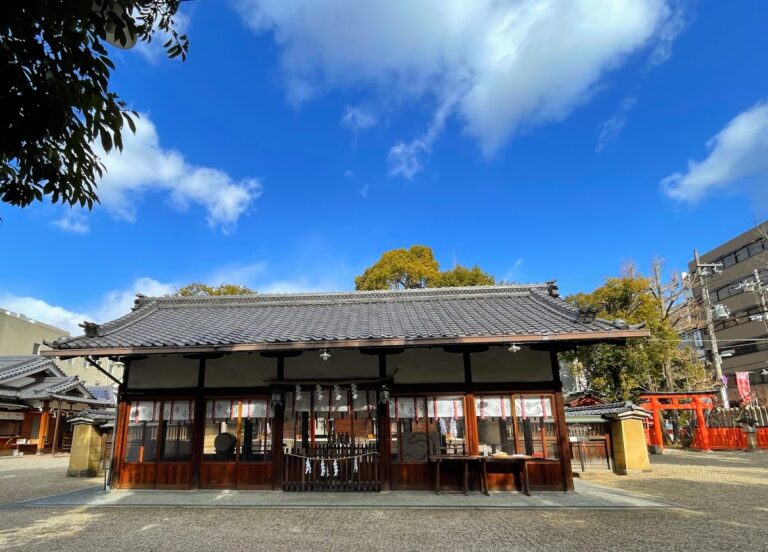
Complete Guide to Hayashi Shrine | A Thorough Explanation of the History and Blessings of the Three Major Hayashi Shrines in Nara, Akashi, and Tokorozawa
There are several shrines named Hayashi Shrine throughout Japan. Particularly representative are the Hayashi Shrine located within the grounds of Kango Shrine in Nara City, Nara Prefecture; the Hayashi Shrine in Akashi City, Hyogo Prefecture; and the Hayashi Shrine in Tokorozawa City, Saitama Prefecture. Each has its own unique history and beliefs, and has been cherished by the local people. This article provides a detailed explanation of these three Hayashi Shrines, including their origins, enshrined deities, blessings, and access methods.
Hayashi Shrine within the Grounds of Kango Shrine in Nara | The Birthplace of Japanese Manju
The Relationship Between Kango Shrine and Hayashi Shrine
Within the grounds of Kango Shrine in Nara City, Nara Prefecture, lies the Hayashi Shrine, which is extremely important to the Japanese confectionery industry. Kango Shrine itself is a very old shrine, founded in the first year of Emperor Suiko’s reign (593 AD), and enshrines Ōmononushi-no-Mikoto as its main deity. Later, in 717 AD (Yōrō 1), Ōkuninushi-no-Mikoto and Sukunahikona-no-Mikoto were enshrined together by Fujiwara no Fuhito. It was formerly known as “Kasuga-Itsukawa Sakaoka Shrine.”
Hayashi Shrine, located within the grounds of this Kankoku Shrine, enshrines Lin Jōin, who immigrated from China in the early Muromachi period. Lin Jōin is known as the person who first introduced the method of making manju (steamed buns) to Japan and is revered as the ancestral deity of the confectionery industry.
The History of Lin Jōin and Japanese Manju
Lin Jōin was an immigrant who came to Japan during the Yuan Dynasty in China. He settled in Nara and is believed to have been the first to manufacture and sell manju in Japan. It is thought that the manju of that time were not the sweet confections we know today, but rather something closer to Chinese steamed buns with meat filling. However, it later underwent unique development in Japan, transforming into the Japanese confectionary manju we know today.
Hayashi Shrine, built to honor the achievements of Hayashi Jōin and to pray for the development of the confectionery industry, is deeply revered by confectionery manufacturers and wagashi artisans nationwide.
Manju Festival | A Grand Spring Festival Gathering Confectionery Businesses Nationwide
Every year on April 19th, the “Manju Festival” is held grandly at Hayashi Shrine. Confectionery manufacturers, wagashi artisans, and confectionery school personnel from all over Japan gather at this festival to commemorate the virtues of Hayashi Jōin and pray for the prosperity and technological advancement of the confectionery industry.
The festival includes Shinto rituals, distribution of manju (sweet buns) to worshippers, and various other confectionery-related events. It is considered one of the most important festivals of the year for the confectionery industry and also functions as a place to deepen the bonds among industry professionals.
Architectural Style and Cultural Assets of the Kankoku Shrine Main Hall
The main hall of Kankoku Shrine is built in the Sanmasha Nagare-zukuri style, which clearly demonstrates the characteristics of Nara shrine architecture. The shrine possesses a suit of armor said to have been donated by Tokugawa Ieyasu, but it is currently entrusted to the Nara National Museum for preservation.
Despite being located in the heart of Nara city, the shrine grounds maintain a tranquil atmosphere, allowing visitors to escape the hustle and bustle of the city and pray in peace.
Access and Basic Information for Hayashi Shrine, Nara
Address: 6 Kankoku-cho, Nara City, Nara Prefecture
Access:
- Approximately 10 minutes on foot from JR Nara Station or Kintetsu Nara Station
- Immediately after alighting at “Tanaka-cho” bus stop (Nara Kotsu Bus)
Visiting Hours: Grounds are freely accessible (Shrine office is usually open from 9:00 to 17:00)
Inquiries: Kankoku Shrine Office
Nearby Shrines and Temples: Numerous historical temples and shrines, such as Ikukawa Shrine, Denkoji Temple, Jigenji Temple, and Kofukuji Temple’s Hokuen-do Hall, are scattered within walking distance.
Hayashi Shrine, Akashi City, Hyogo Prefecture | Akashi’s Oldest Guardian Deity of the Sea
The Legend of the Red Stone that Originated the Name of Akashi
Hayashi Shrine, located in Miyanoue, Akashi City, Hyogo Prefecture, is considered the oldest shrine in Akashi City. Its former shrine rank was Prefectural Shrine, and it was formerly known as “Ueno-miya” or “Kaminomiya Myojin.”
According to shrine tradition, in the 8th year of Emperor Seimu’s reign (138 AD), a huge red stone appeared on the coast of Hayashizaki, and it is said that Watatsumi-no-kami (the god of the sea) appeared upon it. However, due to strong winds and waves the following year, this red stone sank into the sea. Therefore, in January of the 9th year of Emperor Seimu’s reign (139 AD), Watatsumi-no-kami was enshrined on a hill, marking the founding of Hayashi Shrine.
There is a theory that this “red stone” is the origin of the place name “Akashi,” making it an indispensable shrine when discussing the history of Akashi.
Deities and the Belief in Maritime Safety
The deities enshrined at Hayashi Shrine are as follows:
- Watatsumi-no-kami: God of the Sea
- Hikohodemi-no-mikoto: God known as Yamasachihiko
- Toyotama-hime-no-mikoto: Daughter of the Sea God
- Fukiaezu-no-mikoto: Father of Emperor Jimmu
- Tamayori-hime-no-mikoto: Mother of Emperor Jimmu
- Misaki-no-Okami
These are deities centered around the god of the sea and his family, and have been revered since ancient times as guardians of the prosperity of fishing and the safety of maritime traffic. The Akashi Strait has been known since ancient times as a dangerous stretch of sea, and these deities have played a role in watching over the safety of ships traversing this strait.
Autumn Festival and Futon Taiko
The autumn festival at Hayashi Shrine is an important annual event in the region, and is particularly famous for its “single futon taiko” (a large, elaborately embroidered futon drum). The futon taiko is a unique festival implement of the Harima region, consisting of multiple futons stacked on a drum platform. During the festival, parishioners carry the futon taiko through the town, and then dedicate it to the shrine with spirited shouts.
This festival is an important opportunity to strengthen the bonds of the local community and has been passed down through generations.
Location and Benefits of Akashi’s Hayashi Shrine
Hayashi Shrine is located on a hill overlooking the sea, offering a superb location with panoramic views of Akashi town and the Akashi Strait. Due to its location, it attracts many worshippers, not only those involved in fishing and shipping, but also those praying for maritime safety and safe voyages.
Furthermore, as it enshrines the god of the sea, it is believed to offer blessings for prosperity in water-related businesses, safe childbirth, and matchmaking.
Access and Basic Information for Akashi’s Hayashi Shrine
Address: Miyanoue, Akashi City, Hyogo Prefecture
Access:
- Approximately 15 minutes on foot from JR/Sanyo Electric Railway “Akashi Station”
- Immediately after alighting at “Hayashi Shrine-mae” bus stop (Shinki Bus)
Visiting Hours: Grounds are freely accessible
Parking: Available (limited number of spaces)
Inquiries: Hayashi Shrine Office
Although the grounds are relatively small, it is a peaceful shrine beloved by the local people. While it is located in a somewhat complex area, guide signs are well-maintained.
Hayashi Shrine in Tokorozawa City, Saitama Prefecture | Hachiman Faith Associated with Takeda Shingen
History of Founding and Relationship with the Takeda Clan
Hayashi Shrine, located in Hayashi, Tokorozawa City, Saitama Prefecture, is a shrine that enshrines Hachiman as its main deity. The exact founding date is unclear, but it is believed to have begun during the Tenbun era (1532-1555) when Tanaka Shichirozaemon, a member of the Takeda Shingen family, came to the area and enshrined Hachiman.
Later, in 1654 (Shoo 3), it was rebuilt through a donation from the Imai family, who were the local magistrates (in the area of Shigenohara). In 1668 (Kanbun 8), Amenominakanushi-no-Mikoto, Takamimusubi-no-Mikoto, and Kamimusubi-no-Mikoto were enshrined together, and it came to be revered as “Shigeno Gongen Shrine” (Jōden Gongen).
Characteristics of the Deities and Beliefs
The main deities enshrined at Hayashi Shrine are:
- Hachiman (Emperor Ojin): God of military fortune and victory
- Amenominakanushi-no-Mikoto: God of the origin of the universe
- Takamimusubi-no-Mikoto: God of creation
- Kamimusubi-no-Mikoto: God of creation
The combination of Hachiman worship and the three creation deities represents a fusion of samurai faith and folk belief.
Role in the Community
As the guardian shrine of the Hayashi district in Tokorozawa City, it has been a central place of faith for the local residents. In times of prosperity, it served as a place to pray for abundant harvests, and even today, it is a popular site for life rituals such as New Year’s visits, Shichi-Go-San (a traditional rite of passage for children), and exorcisms.
Access and Basic Information for Tokorozawa Hayashi Shrine
Address: Hayashi, Tokorozawa City, Saitama Prefecture
Access:
- By bus or on foot from Kotesashi Station on the Seibu Ikebukuro Line
- By car, approximately 15 minutes from the Tokorozawa Interchange on the Kan-Etsu Expressway
Visiting Hours: Grounds are freely accessible
Inquiries: Saitama Prefectural Shrine Association or local community association
This community-oriented shrine stands quietly in a residential area.
Etiquette and Manners for Visiting Hayashi Shrine
Basic Etiquette for Visiting Shrines
Regardless of which Hayashi Shrine you visit, it is important to observe basic shrine visiting etiquette:
- Bow before passing through the torii gate: A greeting before entering the sacred area.
- Purify yourself at the water basin: Purify your left hand, then your right hand, then your mouth, and finally the handle of the ladle.
- Avoid the center of the path: The center is considered the path of the gods.
- Etiquette in front of the main hall: Two bows, two claps, and one bow are the basics.
- Bow upon leaving: Turn around and bow before leaving the torii gate.
About Goshuin (Shrine Seals)
You can receive Goshuin at the Hayashi Shrine in Nara (Kankoku Shrine) and the Hayashi Shrine in Akashi. Visit during the shrine office’s reception hours and make your request politely. You can bring your Goshuincho (seal book) or receive it on the spot.
Regarding the Hayashi Shrine in Tokorozawa, there may not be a permanent shrine office, so it is recommended to check in advance.
Participation in Festivals and Events
Each Hayashi Shrine holds various festivals and events throughout the year:
- Nara Hayashi Shrine: The Manju Festival on April 19th is the biggest event.
- Akashi Hayashi Shrine: The Autumn Festival (Futon Taiko) is a highlight.
- Tokorozawa Hayashi Shrine: The local annual festival.
Participating in these events will allow you to gain a deeper understanding of the shrine’s history and local culture.
Tourist Attractions Around Hayashi Shrine
Around Nara’s Kankoku Shrine
Located in the heart of Nara City, Kankoku Shrine boasts numerous tourist attractions within walking distance:
- Itsukawa Shrine: An ancient shrine famous for its Saegusa Festival (Lily Festival)
- Denkoji Temple: A nunnery known as the Temple of Flowers
- Jigenji Temple: A temple with a charmingly tranquil precinct
- Kofukuji Temple’s North Octagonal Hall: A national treasure, the octagonal hall
- Nara-machi: A strolling area with traditional townhouses
Nearby Accommodations:
- Hotel Hanakoji
- Nara Washington Hotel Plaza
- Numerous other hotels and inns are located around Nara Station
Around Akashi’s Hayashi Shrine
The area around Akashi’s Hayashi Shrine offers a blend of seafood and history:
- Akashi Castle Ruins: Castle ruins located within Akashi Park
- Uonotana Shopping Street: A market offering fresh seafood
- Akashi Municipal Astronomical Science Museum: An observatory built on the Japan Standard Time meridian.
- Akashi Kaikyo Bridge: One of the world’s longest suspension bridges.
You can also enjoy local delicacies such as Akashi-yaki (egg dumplings) and Akashi sea bream.
Around Tokorozawa and Hayashi Shrine
The Hayashi district of Tokorozawa City is a residential area rich in nature, but the surrounding area includes:
- Tokorozawa Aviation Memorial Park: The birthplace of aviation in Japan.
- Totoro Forest: A rural landscape that served as a model for Hayao Miyazaki’s works.
- Sayama Lake and Tama Lake: Ideal for nature walks.
And many other spots where you can connect with nature are scattered throughout the area.
The Benefits and Faith of Hayashi Shrine
The Benefits of Hayashi Shrine in Nara
Hayashi Shrine in Nara, which enshrines Hayashi Jōin, the god of manju (sweet buns), offers:
- Business Prosperity: Especially for those in the confectionery and food service industries
- Skill Improvement: Improvement of the skills of craftsmen
- Food Safety: Prayers for safety related to food
- Family Safety: Includes the divine blessings of the main shrine, Kankoku Shrine
It attracts the faith of not only confectionery manufacturers but also people widely involved in the food service industry.
Benefits of Akashi Hayashi Shrine
Akashi’s Hayashi Shrine, dedicated to the god of the sea, offers the following blessings:
- Maritime Safety: For those involved in shipping and fishing.
- Navigation Safety: Safe travel and overseas trips.
- Protection from Water-Related Disasters: Protection from water-related accidents.
- Prayers for Safe Childbirth: The divine blessings of Toyotama-hime no Mikoto.
- Matchmaking: Wishing for harmonious relationships among the sea god’s family.
Many worshippers visit the shrine not only for those working in sea-related industries, but also to express gratitude for the blessings of water.
Benefits of Hayashi Shrine in Tokorozawa
Hayashi Shrine in Tokorozawa, which enshrines Hachiman, offers the following benefits:
- Good Fortune in Competition: The divine virtue of Hachiman’s military fortune
- Protection from Misfortune: Protection from calamities
- Family Safety: Role as a guardian shrine of the region
- Abundant Harvest: A tradition as an agricultural region
As a guardian deity of the region, it serves as a place to pray for peace and tranquility in daily life.
Summary | Hayashi Shrines with Their Own Unique Characteristics
Although they share the same name, “Hayashi Shrine,” the three Hayashi Shrines in Nara, Akashi, and Tokorozawa each have completely different histories and characteristics.
Nara’s Hayashi Shrine is considered the origin of Japanese confectionery culture, Akashi’s Hayashi Shrine is the guardian deity of the sea, and Tokorozawa’s Hayashi Shrine is the guardian shrine of the region. Each plays its own unique role and continues to attract the faith of many people.
Visiting a shrine is not just about making wishes; it is also a valuable opportunity to learn about the history and culture of the land. Visiting Hayashi Shrines throughout Japan will allow you to experience the diverse religious cultures and local histories of the country.
Please do visit a Hayashi Shrine near you, or one you come across while traveling. You are sure to feel the unique atmosphere and profound history of each shrine.