Complete Guide to Heirinji Temple | A Thorough Explanation of the History, Autumn Foliage, and Visiting Information of this Musashino Zen Temple
Heirinji Temple, located in Nobitome, Niiza City, Saitama Prefecture, is a special head temple of the Myoshinji branch of the Rinzai school, boasting a vast temple grounds of approximately 130,000 tsubo (approximately 43 hectares) that strongly retains the atmosphere of Musashino. Its official name is “Kinpozan Heirin Zenji,” and it is known as one of the leading specialized training centers in the Kanto region. This article comprehensively explains everything you need to know before visiting Heirinji Temple, from its history and highlights to visiting information and access methods.
History and Origins of Heirinji Temple
From Founding to the Iwatsuki Period
Heirinji Temple was founded in 1375 (Eiwa 1) in what is now Iwatsuki Ward, Saitama City. The temple was founded by Zen Master Sekishitsu Zenkyu and initially existed in Iwatsuki for approximately 200 years. During this period, Hirabayashi-ji developed into an important center of Zen Buddhism in Musashi Province.
During the turbulent Sengoku period, it suffered a major setback in 1590 when it was destroyed by fire during the attack on Iwatsuki Castle by Asano Nagamasa, a subordinate of Toyotomi Hideyoshi, in the campaign against the Later Hojo clan. However, in 1592, it was successfully rebuilt with the invitation of Abbot Tetsuzan Sodon from Rinzai-ji Temple in Suruga Province.
Relocation to Nobitome and Matsudaira Nobutsuna
The most important turning point in the history of Hirabayashi-ji was its relocation to Nobitome in 1663. This relocation was carried out according to the last wishes of Matsudaira Nobutsuna, the lord of the Kawagoe Domain and a prominent senior official in the Tokugawa shogunate.
Matsudaira Nobutsuna, known by the nickname “Chie Izu” (Wise Izu), was a renowned minister who handled many important policies in the early Edo period. He deeply revered Hirabayashi-ji Temple during his lifetime and designated it as his family temple. Nobutsuna’s grave is still located within the grounds of Hirabayashi-ji Temple and is designated a Saitama Prefecture historical site as “The Grave of Matsudaira Izunokami Nobutsuna and His Wife.”
After the relocation, Hirabayashi-ji Temple developed as the family temple of the Matsudaira clan, establishing its position as a Zen temple in Musashino, along with its vast temple grounds and forest.
Hirabayashi-ji Temple in the Modern Era
Even after the Meiji Restoration, Hirabayashi-ji Temple continued to function as a Zen training center, serving as a special head temple of the Myoshin-ji branch of the Rinzai school. Even today, it plays a central role in Zen Buddhism in the Kanto region as a specialized training ground where monks (unsui) dedicate themselves to rigorous training.
In 1968, the temple grounds were designated a national natural monument, gaining an important position as a place to preserve the valuable natural environment of Musashino.
Hirabayashi-ji Temple Grounds and Main Buildings
Main Gate and Approach
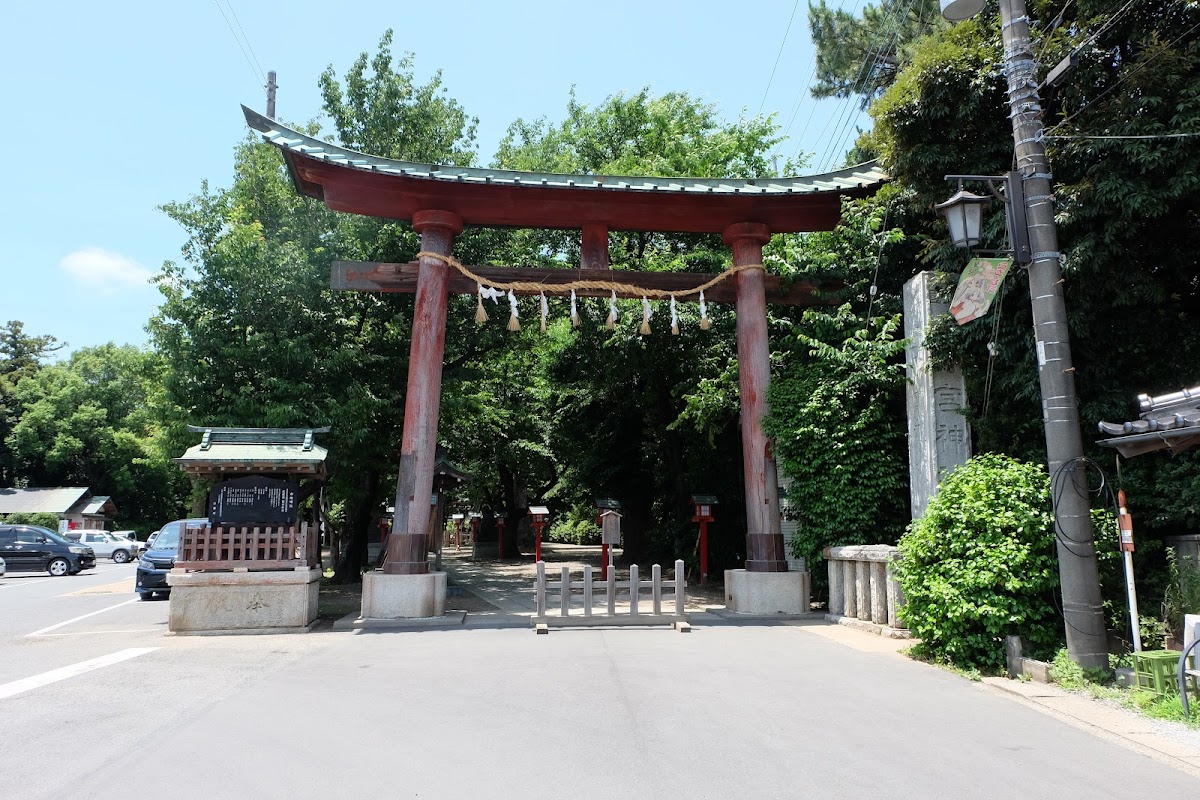
The main gate is the first thing visitors to Hirabayashi-ji Temple see. Passing through this gate, a quiet approach surrounded by trees continues. Simply walking along the approach allows you to feel the atmosphere of a Zen temple, far removed from the hustle and bustle of the city.
The approach from the main gate to the Buddha Hall is a walking path where you can enjoy the changing seasons, and it is especially crowded with visitors during the fresh greenery of spring and the vibrant autumn foliage.
Buddha Hall and Main Image
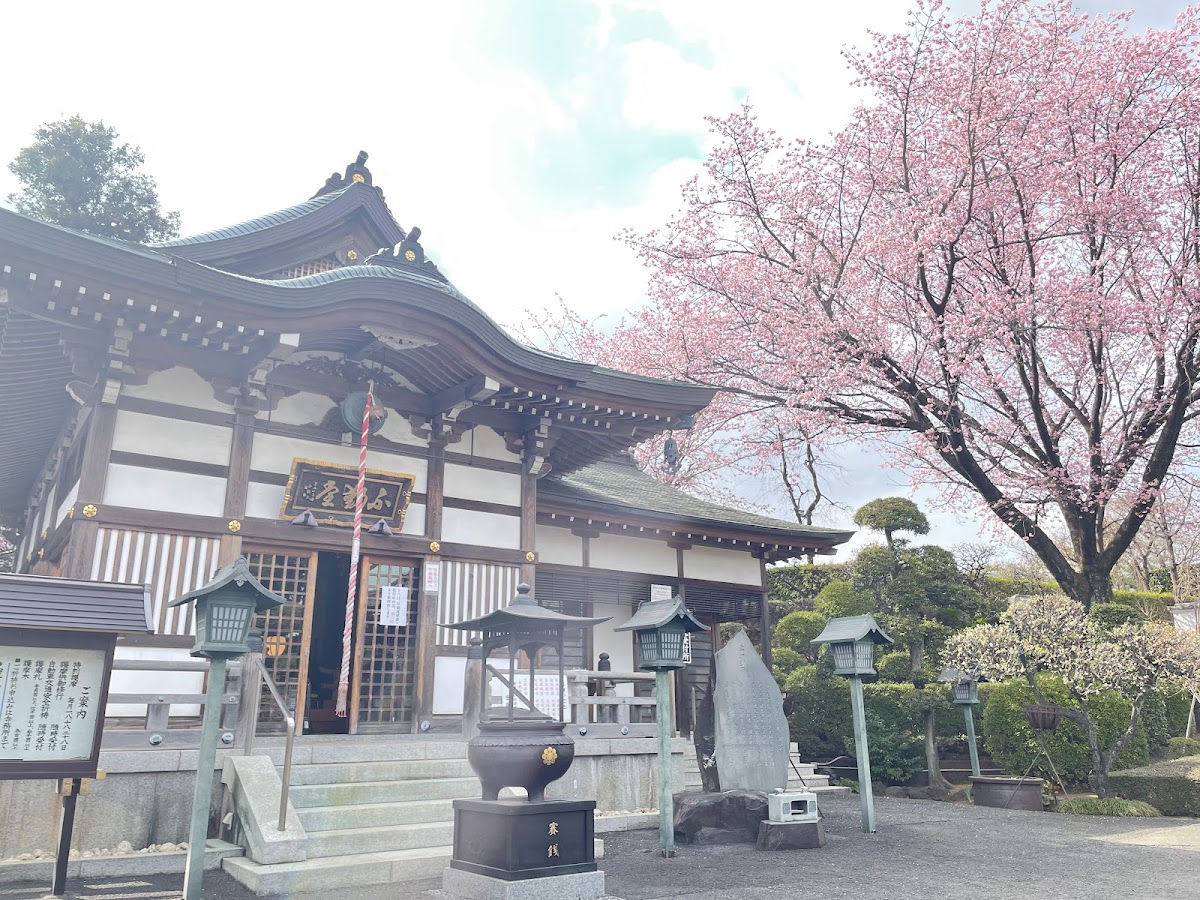
The Buddha Hall is the central building of Hirabayashi-ji Temple. This is where the principal image, Shakyamuni Buddha, is enshrined. The Buddha Hall exhibits the typical style of a Zen Buddhist temple, creating a simple yet solemn atmosphere.
Daily services are performed by monks in the Buddha Hall, and depending on the time of your visit, you may be able to hear the chanting. However, since the interior of the Buddha Hall is a place of training, general public viewing may be restricted.
Burial Place of Matsudaira Nobutsuna
In a corner of the temple grounds is the burial place of Matsudaira Nobutsuna and his wife, who played a key role in the relocation of Hirabayashi-ji Temple. This burial place is protected as a Saitama Prefecture designated historical site and is an important cultural asset that conveys the history of the Edo period to the present day.
The area around the burial place is enveloped in a tranquil atmosphere, making it a must-see spot for history buffs. It is a place where you can feel the deep faith that Nobutsuna had for Hirabayashi-ji Temple during his lifetime.
Training Dojo
Hirabayashi-ji Temple still has a training dojo that is currently in operation. Here, young monks dedicate themselves to rigorous Zen training, leading a disciplined life from early morning zazen (seated meditation) to daily samu (work).
While the interior of the dojo is not open to the public, one can sometimes spot the monks in training from afar while strolling through the temple grounds. It is a precious place where the tradition of Zen continues to thrive even in modern times.
The Charm of the Hirabayashi-ji Temple Forest
A Nationally Designated Natural Monument
The Hirabayashi-ji Temple forest, designated a national natural monument in 1968, is a vast forest spanning approximately 130,000 tsubo (about 43 hectares). This forest holds high academic value as a precious natural environment that preserves the characteristics of Musashino.
The forest is home to representative Musashino trees such as sawtooth oak, Japanese oak, and Japanese red pine, maintaining a diverse ecosystem. Such a vast natural forest remains extremely rare in the increasingly urbanized Tokyo metropolitan area.
A Famous Spot for Autumn Foliage
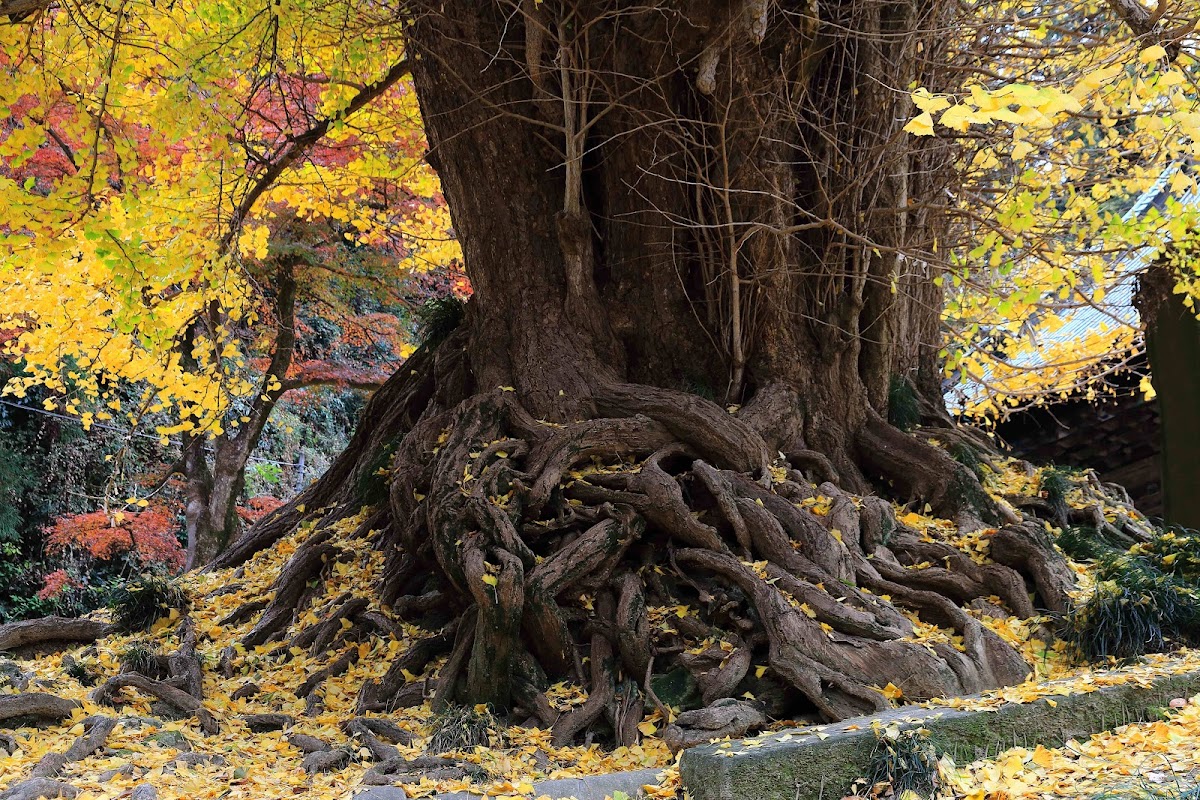
In recent years, Hirabayashi-ji Temple has become widely known as a famous spot for autumn foliage. A large number of maple trees are planted, mainly in the southwestern part of the temple grounds, allowing visitors to enjoy magnificent autumn colors from mid-November to early December.
During the autumn foliage season, the trees, dyed in red and yellow, color the entire temple grounds, captivating visitors. Especially on sunny days, the contrast between the blue sky and the autumn leaves is beautiful, making it a popular spot for photography.
However, since Hirabayashi-ji Temple is also a training ground, quietness is required even during the autumn foliage season. Please refrain from loud conversations and noise, and be mindful of respecting the atmosphere of the Zen temple during your stroll.
Nature in Every Season
Besides the autumn foliage, the temple grounds of Hirabayashi-ji Temple show different expressions throughout the four seasons.
Spring (March-May): In the season of fresh greenery, young leaves sprout, and the entire temple grounds are enveloped in bright green. You can enjoy the vibrant atmosphere, filled with the sounds of wild birdsong.
Summer (June-August): The deep green trees provide shade, making for a cool and refreshing walking path. The temperature is several degrees lower than in the city center, making it a comfortable summer retreat.
Autumn (September-November): In addition to the aforementioned autumn foliage season, you can also observe the falling of acorns and other nuts.
Winter (December-February): After the leaves fall, the temple grounds offer clear views, allowing you to appreciate the structural beauty of the trees. On snowy days, a serene landscape reminiscent of an ink painting unfolds.
Walking Paths and Maintenance Status
Walking paths are maintained within the temple grounds, allowing for a leisurely stroll. While the paths are relatively flat, they utilize the natural terrain, so comfortable walking shoes are recommended.
A walk typically takes 1 to 1.5 hours. Take a leisurely stroll through the vast temple grounds and enjoy the natural beauty of Musashino and the atmosphere of a Zen temple.
Hirabayashi-ji Temple Visiting Information
Visiting Hours and Entrance Fee
Visiting Hours:
- 9:00 AM to 4:30 PM (Last entry at 4:00 PM)
- Closed on December 31st
- There may be other days when the temple is closed due to religious services or events.
Entrance Fee:
- Adults: 500 yen
- Junior High and High School Students: 200 yen
- Elementary School Students: 100 yen
*Prices are subject to change, so we recommend checking the latest information on the official website before your visit.
Important Notes for Visitors
As Hirabayashi-ji Temple is an active training monastery, please observe the following points during your visit:
- Maintain Silence: Please stroll quietly within the temple grounds and refrain from loud conversations or noise.
- Photography Etiquette: Please be considerate when photographing buildings and monks. Always abide by the no-photography rules in designated areas.
- Smoking and Eating: Smoking and eating are prohibited outside of designated areas.
- Pets: Bringing pets into the temple grounds is generally prohibited.
- Plant Collection: Collecting plants or nuts from the temple’s forest is strictly prohibited.
Reservations Required
For group visits (generally 20 people or more), advance reservations are required. Advance inquiries and reservations are also necessary for participation in special programs such as Zen meditation or sutra copying experiences.
For further details, please contact Hirabayashi-ji Temple directly.
Access Methods
Access by Train and Bus
Hirabayashi-ji Temple can be accessed by bus from several train stations.
From JR Musashino Line “Niiza Station”:
- Take the Seibu Bus bound for “Hirabayashi-ji” (approx. 10 minutes)
- Get off at the “Hirabayashi-ji” bus stop and it’s a short walk.
From Tobu Tojo Line “Shiki Station”:
- Take the Seibu Bus bound for “Kiyose Station North Exit”
- Get off at the “Hirabayashi-ji” bus stop and it’s a short walk.
- Approximately 15 minutes.
From Seibu Ikebukuro Line “Hibari-ga-oka Station”:
- Take the Seibu Bus bound for “Niiza Station” or “Shiki Station South Exit”
- Get off at the “Hirabayashi-ji” bus stop and it’s a short walk.
- Approximately 20 minutes.
From Seibu Ikebukuro Line “Kiyose Station”:
- Take the Seibu Bus bound for “Shiki Station South Exit”
- Get off at the “Hirabayashi-ji” bus stop and it’s a short walk.
- Travel time: Approximately 15 minutes
Bus schedules vary depending on the time of day, so we recommend checking the timetable in advance.
Access by Car
Kan-Etsu Expressway:
- Approximately 20 minutes from Tokorozawa IC
Tokyo Outer Ring Expressway:
- Approximately 15 minutes from Wako IC
If using a car navigation system, please search for “1-1, Nobitome 3-chome, Niiza City, Saitama Prefecture” or “Hirabayashi-ji Temple”.
Parking Information
Hirabayashi-ji Temple has a parking lot for visitors.
- Number of parking spaces: Approximately 50 (free)
- Operating hours: Same as temple visiting hours
During peak seasons such as autumn foliage season, the parking lot may be full. In such cases, we recommend using public transportation. Also, please absolutely avoid on-street parking on surrounding roads, as it will inconvenience local residents.
Nearby Tourist Attractions
Nobitome Canal
Near Hirabayashi-ji Temple flows the Nobitome Canal, which was excavated by Matsudaira Nobutsuna. This canal branched off from the Tamagawa Aqueduct and greatly contributed to the development of new rice fields on the Nobitome Plateau. It is now maintained as a walking path, allowing visitors to enjoy a stroll.
Around Niiza City Hall
Near Niiza City Hall is the Niiza City Historical and Folk Museum, where you can learn about the region’s history and culture. There are also detailed exhibits about the history of Hirabayashi-ji Temple.
Towards Kiyose City, Tokyo
A short trip from Hirabayashi-ji Temple will take you to the natural beauty along the Yanase River in Kiyose City, as well as tourist attractions such as the Kiyose Sunflower Festival (summer).
Experience Programs at Hirabayashi-ji Temple
Zen Meditation Experience
Hirabayashi-ji Temple sometimes offers Zen meditation experience programs for the general public. Through Zen meditation, the foundation of Zen, it provides a valuable opportunity to calm the mind and reflect on oneself.
For information on dates, times, and application procedures, please contact Hirabayashi-ji Temple directly. Beginners are welcome, and monks will provide careful instruction.
Sutra Copying Experience
Sutra copying is a Buddhist practice involving the transcription of scriptures. Hirabayashi-ji Temple sometimes offers sutra copying experiences, where calmly and carefully writing each character can promote mental focus.
Dharma Talks
Regularly held Dharma talks offer the opportunity to learn about Buddhist teachings and the spirit of Zen from monks. This is a valuable opportunity to gain wisdom applicable to daily life.
Recommended Time to Visit Hirabayashi-ji Temple
Autumn Foliage Season (Mid-November to Early December)
The most popular time to visit is during the autumn foliage season. The maple trees in the temple grounds change color, creating a magnificent landscape. However, crowds are expected during this time, so visiting during less crowded times, such as weekday mornings, is recommended.
The Season of Fresh Greenery (April-May)
The fresh greenery of spring is beautiful, and it’s less crowded than the autumn foliage season, allowing you to enjoy a leisurely stroll. You can hear many birdsongs, making it a season where you can feel the breath of nature.
For Those Seeking Tranquility, Winter
In winter, there are fewer visitors, allowing you to experience the true essence of a Zen temple in a more tranquil atmosphere. A walk in the crisp air has a cleansing effect on the mind.
Summary
Hirabayashi-ji Temple is a special head temple of the Myoshin-ji branch of the Rinzai school, located in Nobitome, Niiza City, Saitama Prefecture. It is a Zen temple in Musashino with a vast forest of approximately 130,000 tsubo (about 430,000 square meters). Founded in Iwatsuki in 1375, it was moved to its current location in 1663 according to the will of Matsudaira Nobutsuna.
The temple’s forest, a nationally designated natural monument, is a valuable natural environment that retains the character of Musashino, and is particularly known as a famous spot for autumn foliage. It still functions as a specialized training center, a living temple where Zen practice continues.
Visiting hours are from 9:00 AM to 4:30 PM (last entry at 4:00 PM), and the entrance fee is 500 yen for adults. It is accessible by bus from JR Musashino Line Niiza Station and Tobu Tojo Line Shiki Station, and parking is available.
When visiting, please keep in mind that it is a training center and enjoy your stroll while maintaining silence. Hirabayashi-ji Temple, where the nature of Musashino and the spirit of Zen are fused, is the perfect place to escape the hustle and bustle of the city and find peace of mind.
Frequently Asked Questions (FAQ)
Q1: How much is the entrance fee for Hirabayashi-ji Temple?
A1: 500 yen for adults, 200 yen for junior and senior high school students, and 100 yen for elementary school students. However, fees may change, so please check the official website for the latest information before visiting.
Q2: When is the best time to see the autumn leaves?
A2: The best time to see the autumn leaves is usually from mid-November to early December. However, this may vary depending on the weather each year, so we recommend checking the blooming status before your visit.
Q3: Is there parking available?
A3: Yes, there are approximately 50 free parking spaces available. However, the parking lot may be full during peak seasons such as the autumn foliage season, so please consider using public transportation.
Q4: Are pets allowed on the temple grounds?
A4: Bringing pets onto the temple grounds is generally prohibited. As the temple grounds also serve as a training ground, we appreciate your understanding and cooperation.
Q5: Is it possible to experience Zen meditation?
A5: There may be Zen meditation programs available for the general public. Please contact Hirabayashi-ji Temple directly for information on dates, times, and application procedures. Beginners are welcome.
Q6: Is eating and drinking allowed on the temple grounds?
A6: Eating and drinking are prohibited except in designated areas. As the temple grounds are also a place of spiritual training, please cooperate with the rules for maintaining tranquility.
Q7: How do I get there from the nearest station?
A7: From JR Musashino Line “Niiza Station,” Tobu Tojo Line “Shiki Station,” Seibu Ikebukuro Line “Hibari-ga-oka Station” or “Kiyose Station,” take a Seibu Bus and get off at the “Hirabayashi-ji” bus stop. The journey takes approximately 15-20 minutes from each station.
Q8: Is it possible to visit in a wheelchair?
A8: While some parts of the temple grounds are wheelchair accessible, there are steps and slopes on the walking paths. We recommend contacting Hirabayashi-ji Temple in advance for details.
Q9: What is the procedure for group visits?
A9: For groups of 20 or more people, advance reservations are required. Please contact Hirabayashi-ji Temple directly and inform them of the date, time, and number of people.
Q10: How long does it take to stroll around the temple grounds?
A10: A leisurely stroll through the temple grounds usually takes about 1 to 1.5 hours. Including time for photography and breaks, we recommend allowing about 2 hours for your visit.