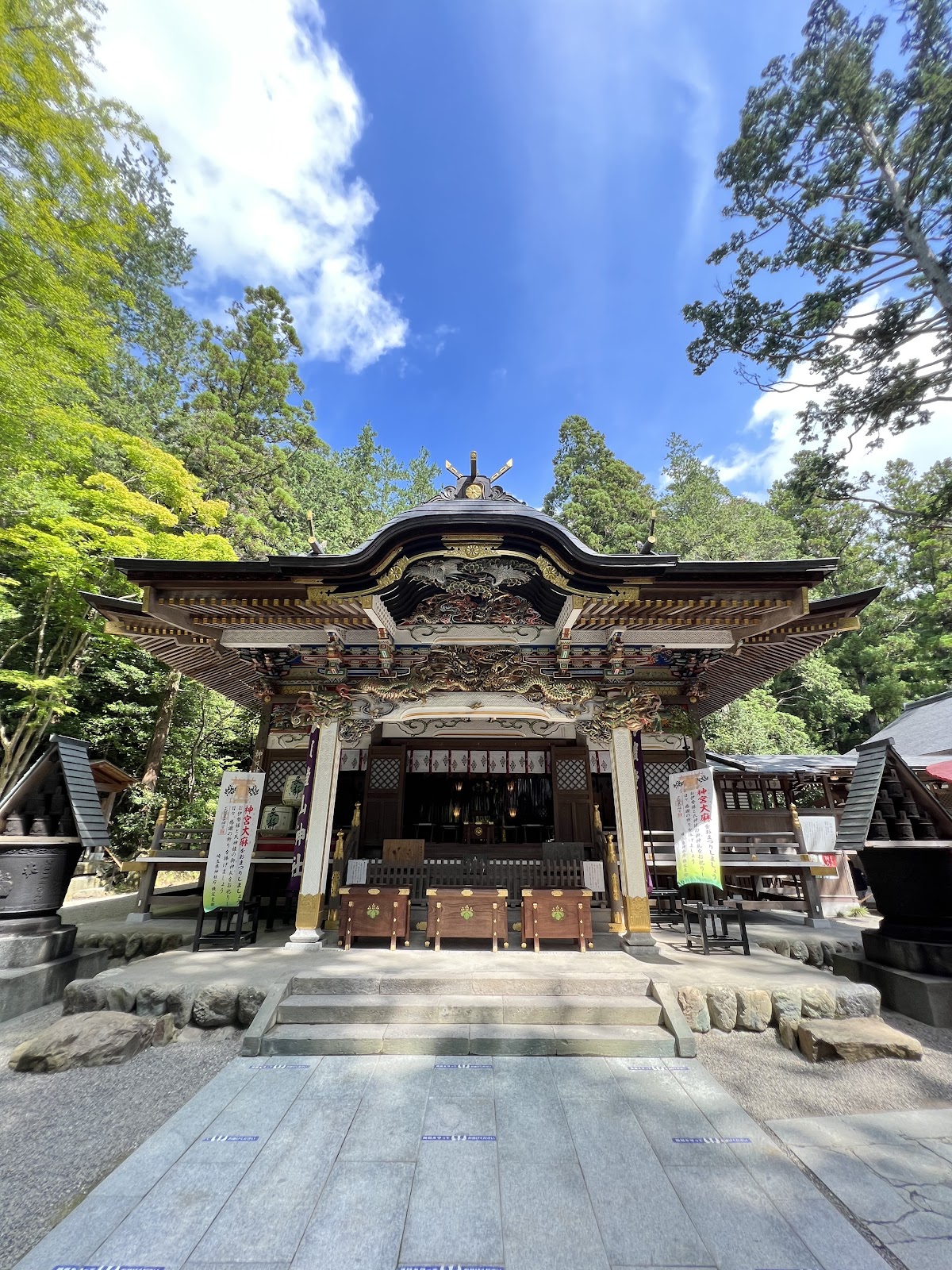
Complete Guide to Hodosan Shrine | A Thorough Explanation of 1900 Years of History, Benefits, Access, and Highlights
Hodosan Shrine, located at the foot of Mt. Hodosan in Nagatoro Town, Chichibu District, Saitama Prefecture, is one of the three major shrines of Chichibu, alongside Chichibu Shrine and Mitsumine Shrine, and boasts a history of over 1900 years. This guide provides detailed information to help you visit Hodosan Shrine, which is full of highlights, including its history of changing its name from “Hitomeyama” to “Hodosan,” its benefits for protection against fire and increased wealth, and its beautifully carved shrine buildings.
What is Hodosan Shrine? One of the three major shrines of Chichibu with a 1900-year history
Hodosan Shrine is an ancient shrine said to have been founded in 110 AD, during the reign of Emperor Keiko, the 12th emperor. During his campaign to pacify the eastern provinces, Yamato Takeru no Mikoto visited this area and encountered a forest fire while attempting to climb Mt. Hodosan. Legend says that a giant dog (mountain dog) appeared, extinguished the fire, and guided him.
Because of this history, the mountain was initially called “Hodosan” (Fire-Stopping Mountain), but later the auspicious characters “寳登山” (Treasure Mountain) were adopted. Today, it is known not only for protection against fire, but also for its blessings of increased wealth and business prosperity, stemming from the meaning of “climbing the mountain of treasure.”
Formerly a prefectural shrine, it is currently designated as a special shrine by the Association of Shinto Shrines. As a center of faith in the Chichibu region, it is an important sacred site visited by many worshippers throughout the year.
Deities and Blessings | Protection from Fire, Wealth, and Misfortune
Main Deities
Hodosan Shrine enshrines three deities.
Kami-Yamato-Iwarehiko-no-Mikoto
This refers to Emperor Jimmu, the ancestral deity of Japan’s founding, and is revered for national peace and good fortune.
Oyamatsumi-no-Kami
Known as the god of mountains, and an object of mountain worship, this deity is revered for blessings of abundant harvests, bountiful hunting and fishing, and longevity.
Homusubi-no-Kami
As the god of fire, this deity is a guardian deity against fire and, due to its ability to control fire, also possesses the divine power to ward off various calamities.
Main Benefits
- Fire Prevention: The most famous benefit based on the shrine’s founding history.
- Increased Financial Fortune and Business Prosperity: From the auspicious phrase “climbing a mountain of treasure.”
- Protection from Misfortune and All Misfortunes: Through the divine virtue of Homusubi-no-Kami (Fire-Musubi God).
- Family Safety and Traffic Safety: Protection of daily life.
- Good Fortune and Prosperity: The divine virtue of Emperor Jimmu.
- Longevity and Longevity: The blessing of Oyamatsumi-no-Kami.
The benefit of fire prevention is particularly well-known throughout Japan, and the shrine is known to be deeply revered by firefighters, restaurant owners, and other professionals who handle fire.
Highlights of the Shrine Grounds | Splendid Shrine Buildings and the Natural Beauty of the Four Seasons
Main Hall, Offering Hall, and Worship Hall
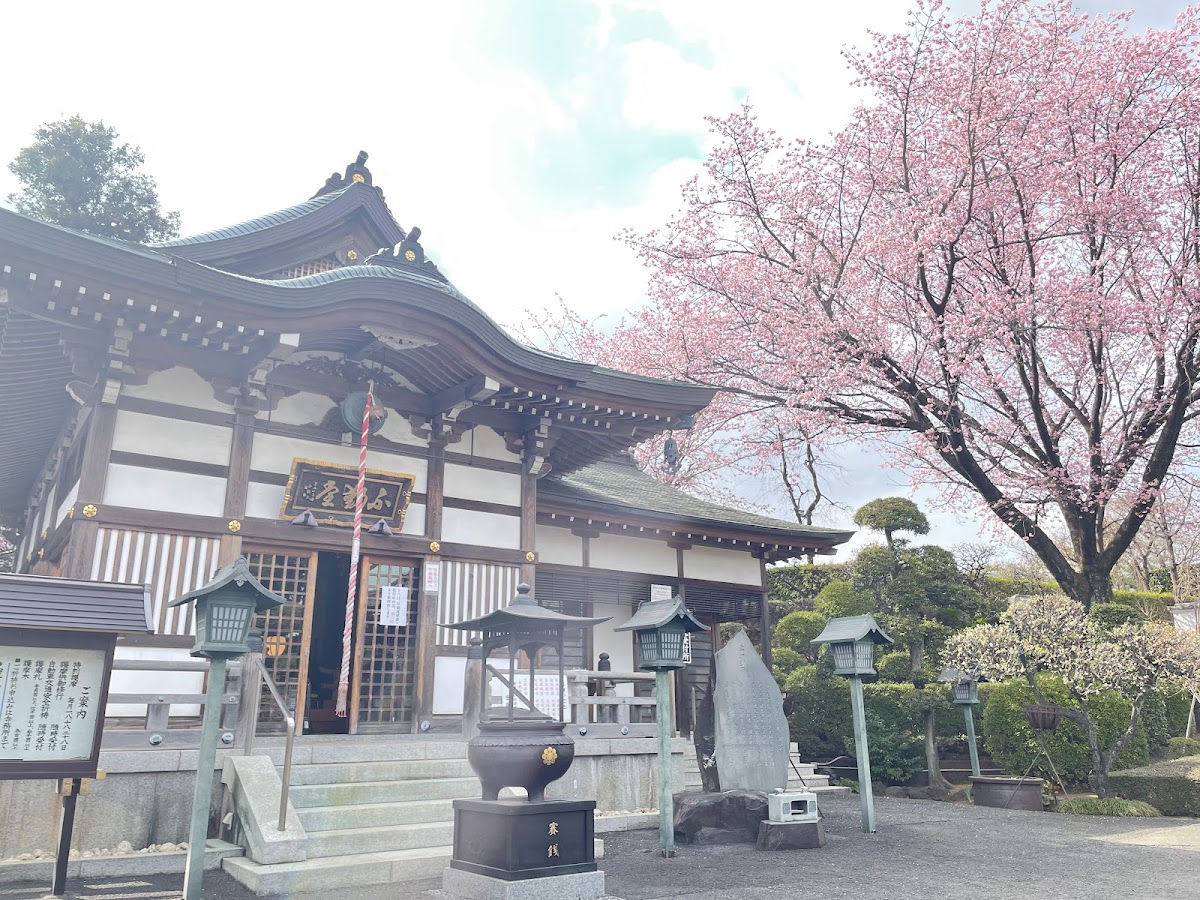
The current shrine buildings were constructed in 1874 (Meiji 7) in the Gongen-zukuri style, a magnificent structure where the main hall, offering hall, and worship hall are integrated. In 2010, during the 1900th anniversary of the shrine’s founding, extensive renovation work was carried out, restoring the beauty of the shrine buildings.
The greatest highlight is the numerous exquisite carvings on the transoms, including the “Twenty-Four Filial Exemplars.” These carvings depict stories of filial piety based on Chinese legends, and their delicate craftsmanship and vibrant colors are breathtaking. Each carving tells a story, making them well worth appreciating.
Yamato Takeru Shrine
Within the shrine grounds is a subsidiary shrine dedicated to Yamato Takeru, an important shrine deeply connected to the history of the shrine’s founding. During the annual festival and the Okumiya Grand Festival, the divine spirit is transferred from here to the portable shrine.
Kagura Hall
In the beautiful vermilion-lacquered Kagura Hall, Kagura (sacred dance and music) are performed during festivals. Its open design allows worshippers to observe the rituals up close.
Nature in Every Season
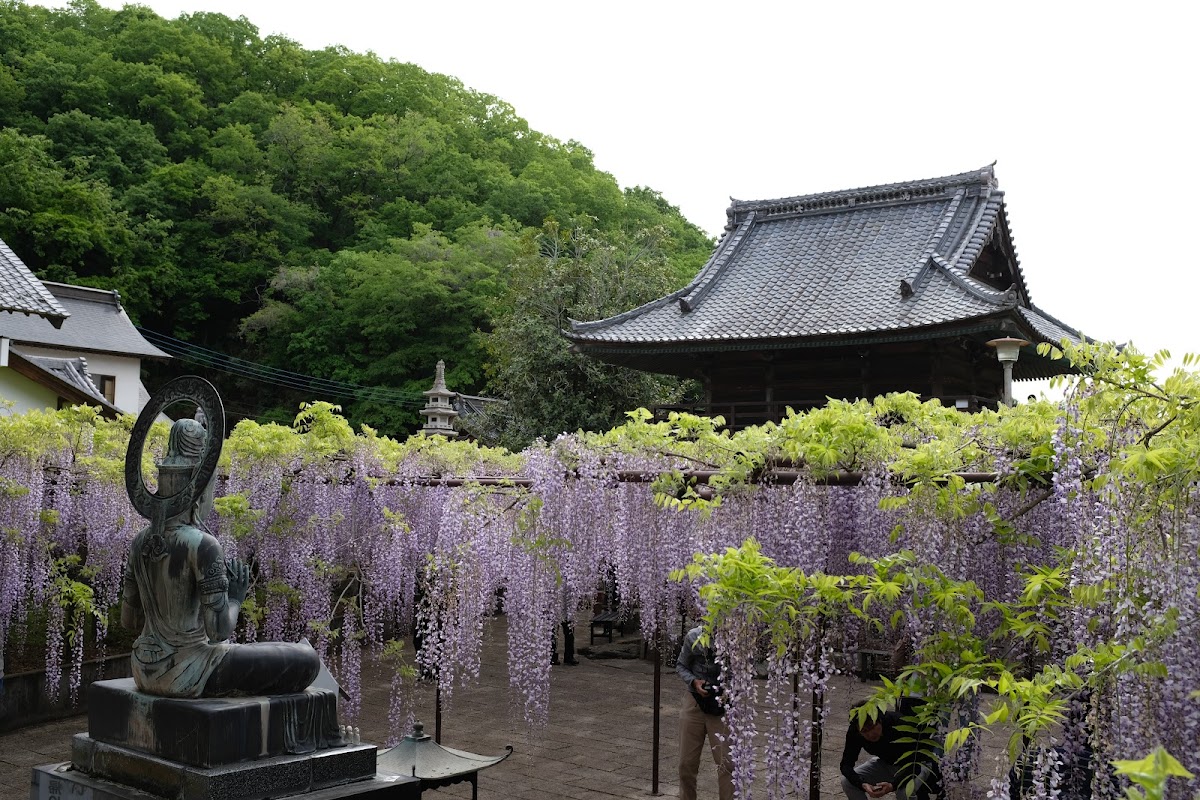
The grounds of Hodosan Shrine are blessed with the beauty of nature in every season.
- Spring: A refreshing season when cherry blossoms are in full bloom and new greenery sprouts.
- Summer: The cool grounds are enveloped in deep green.
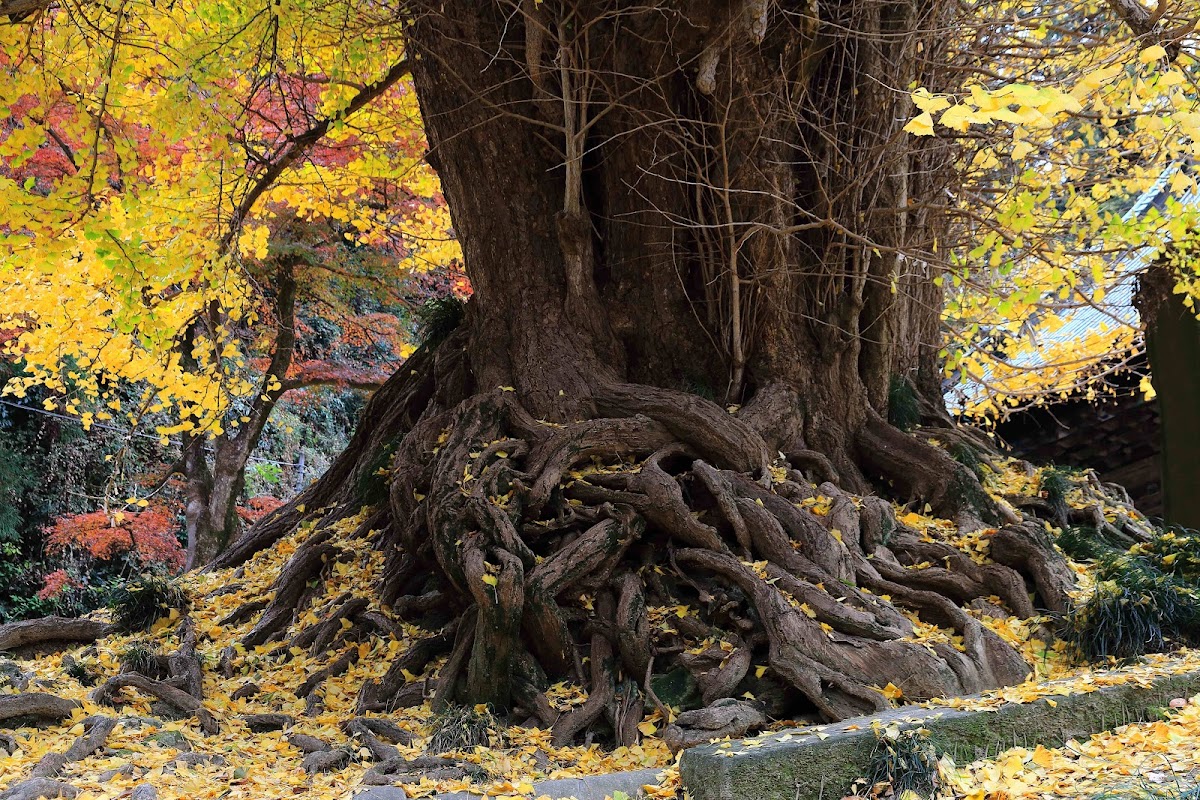
- Autumn: The autumn leaves are beautiful, and the colors along the approach to the shrine are particularly magnificent.
- Winter: The snowy landscape creates a fantastical atmosphere.
The grounds also contain sacred trees hundreds of years old, further enhancing the sacred atmosphere.
Inner Shrine at the Summit of Mt. Hodosan | A Scenic Spot Accessible by Ropeway
Hodosan Shrine has an inner shrine located at the summit of Mt. Hodosan (elevation 497.1m). While it is possible to hike to the inner shrine, using the Hodosan Ropeway will get you to the summit station in about 5 minutes.
Characteristics of the Inner Shrine
The inner shrine is located in the sacred area at the summit and is enveloped in a tranquil atmosphere different from that of the main shrine. Below lies the breathtaking scenery of the Chichibu Mountains and the Nagatoro Gorge. On clear days, you can even see the Kanto Plain in the distance.
Okumiya Grand Festival on May 2nd
Every year on May 2nd, the Okumiya Grand Festival is held. This is an important festival commemorating the founding history of Hodosan Shrine. A Shinto ritual takes place where the divine spirit is transferred from the Yamato Takeru Shrine to a portable shrine and carried to the Okumiya (inner shrine) at the mountaintop. Many parishioners and worshippers attend, making it a very important day for the shrine.
Attractions around the Mountaintop
Besides the Okumiya, the mountaintop features the Hodosan Small Animal Park, a wintersweet garden, and a plum blossom garden. It’s especially popular as a flower viewing spot from winter to spring. During the peak blooming season of wintersweet from late January to February, a sweet fragrance fills the mountaintop area.
Annual Events and Festivals | Numerous Rituals Throughout the Seasons
At Hodosan Shrine, various festivals and rituals are held throughout the year.
Main Annual Events
January 1st: New Year’s Day Festival
The first festival celebrating the New Year. It is bustling with many visitors making their first shrine visit of the year.
February 3rd: Setsubun Exorcism Festival
A festival to ward off evil spirits, held on Setsubun (the day before the beginning of spring). The Hikime Shinto ritual and bean-throwing ritual are performed, including a bean-throwing ceremony by men born in the year of the animal of the current year. The lucky beans scattered at the shrine contain raffle tickets, making it a fun event for visitors.
April 3rd: Grand Festival
The most important festival of the year. It is solemnly conducted with many distinguished guests in attendance. It is an important ritual celebrating the founding of the shrine and praying for the prosperity of the parishioners and worshippers.
May 2nd: Okumiya Grand Festival
As mentioned above, this is an important festival commemorating the founding history, and a Shinto ritual is performed at the Okumiya (inner shrine) at the mountaintop.
November: Shichi-Go-San Festival
Many families visit the shrine during the Shichi-Go-San festival, which celebrates the growth of children.
December 31st: Great Purification Ceremony and New Year’s Eve Festival
A Shinto ritual to purify oneself of the impurities of the year and welcome the new year with purity.
Special Events
Events such as the “Chichibu Blessings Appreciation Market” are regularly held, showcasing local specialties nurtured by the climate and culture of Chichibu, as well as the charms of the region. During the seasons of fresh greenery and autumn leaves, it’s a precious opportunity to enjoy the natural beauty of the shrine grounds and the blessings of the region simultaneously.
Access and Visiting Information | Within Walking Distance of Nagatoro Station
Access by Train
Approximately 10 minutes on foot from Chichibu Railway’s “Nagatoro Station”
- From Ikebukuro: Take the Seibu Ikebukuro Line to Seibu Chichibu Station, transfer to the Chichibu Railway, and get off at Nagatoro Station.
- From Kumagaya: Transfer to the Chichibu Railway at JR Takasaki Line Kumagaya Station and get off at Nagatoro Station.
The path from Nagatoro Station to the shrine is a pleasant walk through the natural beauty of Nagatoro. Signposts are well-maintained, so even first-time visitors can arrive without getting lost.
Access by Car
- Approximately 30 minutes from Kan-Etsu Expressway’s “Hanazono IC” via National Route 140.
- Parking: Paid parking is available around the shrine (a limited number of free parking spaces for visitors are also available).
During winter, snow is possible, so we recommend using snow tires or carrying snow chains.
Visiting Hours and Shrine Office
- Visiting Hours: Open all day (Viewing of the shrine building is only permitted during the daytime)
- Shrine Office Hours: 8:30 AM to approximately 5:00 PM
- Closed Days: None (Open all year round)
- Phone Number: 0494-66-0042
Goshuin (shrine stamps) and amulets are available only during shrine office hours.
Goshuin and Amulet Information | Fire Protection and Financial Luck Amulets are Popular
Goshuin (Shrine Stamps)
Hodosan Shrine offers goshuin for both the main shrine and the inner shrine. Both pre-printed and directly inscribed goshuin are available, featuring beautiful ink calligraphy and red stamps. Seasonal goshuin are sometimes offered, so please check with the shrine office during your visit.
Popular Amulets
Fire Protection Amulet
The most famous amulet based on the shrine’s founding history. Available for home and business use.
Good Fortune and Business Prosperity Charm
Popular with those wishing for increased wealth and business prosperity, due to its auspicious symbolism of “climbing a mountain of treasure.”
Exorcism Charm
An amulet to ward off misfortune and protect daily life.
Traffic Safety Charm
An amulet for praying for traffic safety, such as for cars and bicycles.
Other Items Available
We also offer seasonal items such as ema (votive tablets), omikuji (fortune slips), hamaya (demon-repelling arrows), and kumade (rakes). The hamaya and kumade are especially popular with worshippers wishing for good fortune and prosperity in the new year.
Nearby Tourist Spots | Enjoy the Nature and History of Nagatoro
Here are some tourist spots in Nagatoro Town that you should visit along with your visit to Hodosan Shrine.
Nagatoro Rock Formations
The Nagatoro Rock Formations, a nationally designated scenic spot and natural monument, are a magnificent landscape created by the clear waters of the Arakawa River. Located within walking distance of the shrine, you can enjoy the beauty of the valley in every season.
Nagatoro River Rafting
A traditional activity where you descend the rapids of the Arakawa River by boat. You can enjoy different scenery from the water each season: cherry blossoms in spring, fresh greenery in summer, and autumn leaves.
Chichibu Shrine and Mitsumine Shrine
As part of the Chichibu Three Shrines pilgrimage, it is recommended to visit Chichibu Shrine and Mitsumine Shrine together. Each has different divine virtues and histories, allowing you to gain a deeper understanding of Chichibu’s religious culture.
Hodosan Ropeway
As mentioned above, it is convenient for accessing the inner shrine at the summit. The view from the ropeway is also magnificent, offering a panoramic view of the Chichibu mountains.
Manners and Etiquette for Visiting Shrines | Etiquette in a Sacred Space
Hodosan Shrine is a sacred space with a history of 1900 years. Please keep the following manners in mind when visiting.
Basic Worship Etiquette
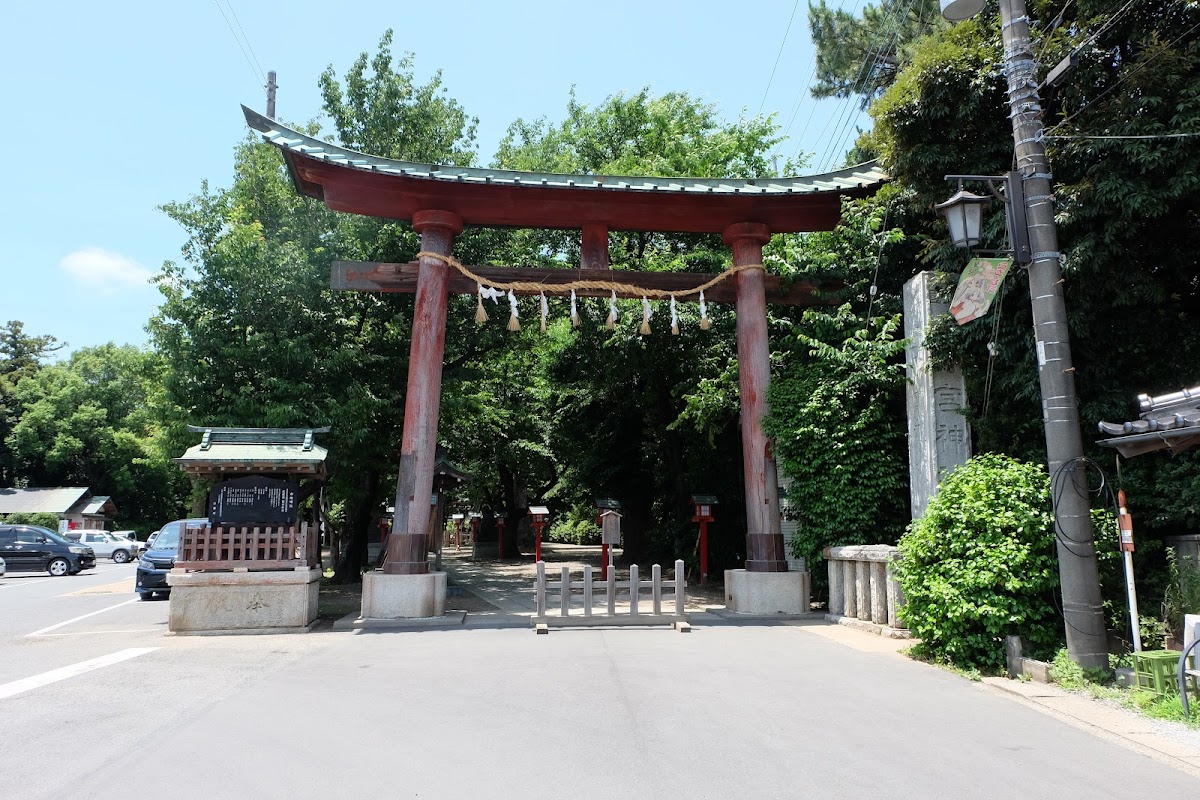
- Bow before passing through the torii gate: This is a courtesy before entering the sacred area.
- Avoid walking in the center of the path: The center is considered the path of the gods.
- Purify yourself at the water basin: Purify your left hand, then your right hand, then your mouth.
- Etiquette at the main hall: The basic procedure is two bows, two claps, and one bow.
Photography
Photography is generally permitted within the shrine grounds, but there are areas where photography is restricted, such as during festivals or inside the shrine buildings. For media coverage or commercial photography, prior application to the shrine is required. For details, please check the official website or contact the shrine office by phone.
Clothing and Belongings
There are no particularly strict dress code regulations, but clean clothing that reflects the sacred nature of the place is desirable. If visiting the inner shrine at the mountaintop, comfortable walking shoes are recommended. In winter, there is a possibility of snow and ice, so please prepare warm clothing and non-slip shoes.
Latest Information and Social Media for Hodosan Shrine
Hodosan Shrine provides the latest information through its official website and Instagram.
Official Instagram (@hodosanjinja)
With over 10,000 followers, the official Instagram regularly posts seasonal scenery of the shrine grounds, festival scenes, and the “current state” of the shrine. Based on the concept of “Always something new,” it introduces the new charms of this ancient shrine located in Nagatoro Town.
Checking before your visit will allow you to learn about the current state of the shrine grounds and upcoming events.
Official Website
Detailed information such as festival dates, shrine grounds guide, and how to request prayers is posted. Especially for major festivals and special religious ceremonies, it is recommended to check the page in advance for event information.
Purify Your Heart and Offer Prayers at Hodosan Shrine
Hodosan Shrine is a sacred place that has attracted the faith of people in the Chichibu region for over 1900 years. Beyond worldly benefits such as protection from fire and increased wealth, Hodosan Shrine is cherished by many as a place to purify the soul amidst abundant nature, offering gratitude and prayers for daily life.
In Shinto, humans coexist with nature, and it is believed that gods reside in the things and people around us. The rich natural environment of mountains, rivers, and plants creates purity, making it a sacred and pure place where gods reside. Mount Hodosan, boasting a magnificent form even within the Chichibu mountain range, is truly a sacred space where gods reside.
Hodosan Shrine, with its seasonal natural beauty, majestic shrine buildings, and 1900 years of history, is a place where you can spend a pure and serene time when visiting Nagatoro. As one of the three major shrines of Chichibu and a central tourist spot in Nagatoro, it will surely be a memorable experience.
By planning your visit carefully, utilizing the official website and phone number for inquiries, you can have a more fulfilling experience. We hope that Hodosan Shrine will become a place of solace for you, a place that brings prayer and gratitude into your daily life.