Complete Guide to Hoju-in Temples | History, Highlights, and Goshuin Information for Hoju-in Temples Nationwide
There are several temples named “Hoju-in” throughout Japan. Each has its own unique history and cultural assets, and is deeply rooted in its region as an important center of Buddhist culture, primarily Shingon Buddhism. This article provides a detailed explanation of major Hoju-in temples, including their historical background, cultural assets, highlights, goshuin information, and access methods.
What is Hoju-in?
Hoju-in is a temple name mainly found in temples of the Shingon sect. “Ho” (宝) means the treasure of Buddhist teachings, and “Ju” (寿) means longevity and prosperity, reflecting a wish for people’s happiness through Buddhist teachings. Since there are temples with the same name throughout Japan, it is important to confirm the location before visiting.
Yamanashi Prefecture, Hoju-in Temple (Ichikawamisato Town)
History and Origin
Located in Ichikawamisato Town, Nishiyatsushiro District, Yamanashi Prefecture, Hoju-in Temple belongs to the Koyasan Shingon sect and is known as the 96th temple on the Kai Pilgrimage. The history of this temple dates back to the West Pagoda of Heien-ji Temple, a large temple that flourished from the Heian period to the Kamakura period.
Heien-ji Temple was a large temple boasting a vast complex at the time, but most of it was destroyed by two fires. Afterward, the West Pagoda converted to the Shingon sect and was rebuilt as the present-day Hoju-in Temple. The garden, designed by Muso Kokushi (Muso Soseki), who was ordained at Heien-ji Temple, remains and is a cultural asset of high historical value.
Highlights and Cultural Assets
Muso Kokushi’s Garden
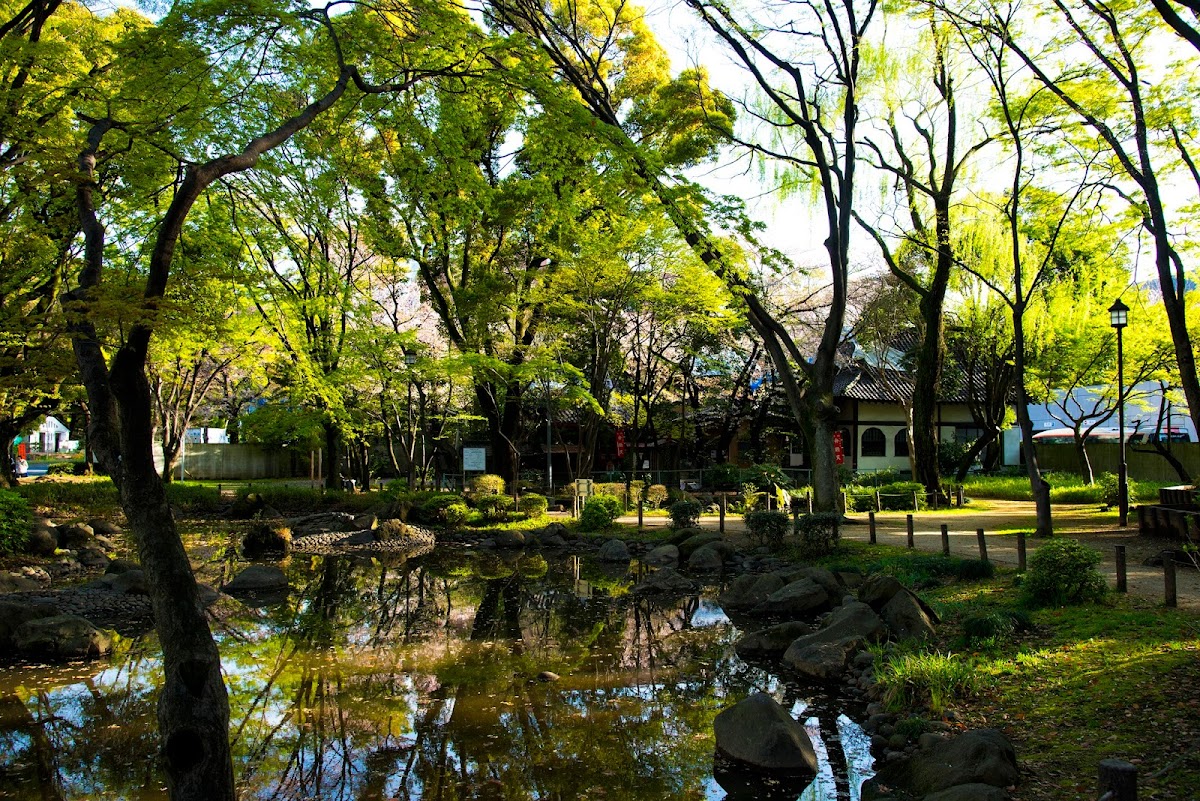
The garden, said to have been created by Muso Kokushi, a Zen monk who was active from the Kamakura period to the Nanboku-cho period, is the greatest highlight of Hoju-in Temple. Musō Kokushi was a master of Japanese garden design, known for his work at Tenryū-ji Temple and Saihō-ji Temple (Moss Temple) in Kyoto. Here, too, the spirit of Zen is expressed, utilizing the natural terrain.
200-Year-Old Weeping Cherry Tree
Within the temple grounds stands a magnificent weeping cherry tree over 200 years old, attracting many worshippers and tourists in spring. During the cherry blossom season, the tree, combined with the atmosphere of the ancient temple, creates a fantastical landscape. It is also known as a famous cherry blossom viewing spot in the Fujikawa River basin and Southern Alps area.
Basic Information
- Official Name: Kongozan Hoju-in Temple
- Sect: Koyasan Shingon Buddhism
- Address: 5711 Ichikawadaimon, Ichikawamisato-cho, Nishiyatsushiro-gun, Yamanashi Prefecture 409-3601
- Pilgrimage Site: Kai Pilgrimage Site No. 96
- Visiting Hours: Daytime (Advance contact recommended)
- Admission Fee: Voluntary donation
Access
Access by Train
- Approximately 15 minutes on foot from Ichikawahonmachi Station on the JR Minobu Line
Access by Car
- Approximately 20 minutes from Kofu-Minami Interchange on the Chuo Expressway
- Parking available
Contact Information
We recommend checking the latest information on the official website before visiting. If you wish to receive a Goshuin (temple stamp), please contact us in advance for a smoother experience.
Hoju-in Temple, Aichi Prefecture (Tsushima City)
History and Characteristics
Hoju-in Temple, located in Tsushima City, Aichi Prefecture, belongs to the Chizan branch of the Shingon sect and is known as “Gozu-san Hoju-in.” With the slogan “Esoteric Buddhism is Here,” it attracts local devotion as a temple dedicated to Yakushi Nyorai (Medicine Buddha) for warding off evil.
It is positioned as the inner sanctuary of Owari Tsushima and has a historical background as a former Jingu-ji (shrine-temple). It also has a strong character as a training ground for Shingon Esoteric Buddhism, and authentic Esoteric Buddhist rituals are still practiced there.
Highlights
Yakushi Nyorai Worship
With Yakushi Nyorai, worshipped as a Yakushi Nyorai for warding off evil, as its principal deity, the temple is constantly visited by worshippers praying for recovery from illness and longevity. Goma (fire ritual) prayers based on the teachings of the Chizan branch of the Shingon sect are also regularly performed.
Esoteric Buddhist Rituals
Traditional Shingon Esoteric Buddhist practices are still preserved, allowing visitors to experience authentic Esoteric Buddhist culture.
Basic Information
- Official Name: Gozusan Hoju-in
- Sect: Shingon-shu Chizan-ha
- Features: Exorcism Yakushi, Former Jinguji Temple
- Location: Tsushima City, Aichi Prefecture
Contact Information
For detailed information on festivals, events, and temple seals, please check the official website.
Nara Prefecture Hoju-in (Kawakami Village)
History and Prestige
Located in Kawakami Village, Yoshino District, Nara Prefecture, Hoju-in is a temple of high prestige, holding the title of a quasi-special head temple of the Koyasan Shingon sect. As a sacred site in the Yoshino mountain range, it has long had deep ties with Shugendo (mountain asceticism).
It upholds the teaching, “Faith is the power of belief. The Buddha resides within oneself,” and provides guidance that encourages awareness of one’s inner Buddha-nature.
Highlights
Status as a Semi-Special Head Temple
Positioned as a particularly important temple within the Koyasan Shingon sect, it houses valuable Buddhist statues and scriptures.
Natural Environment of Yoshino
Surrounded by the rich natural beauty of the Yoshino mountain range, the temple grounds showcase the beauty of each season, making it an ideal environment for spiritual training.
Basic Information
- Official Name: Hoju-in (宝寿院)
- Sect: Koyasan Shingon Sect
- Status: Semi-Special Head Temple
- Location: Kawakami Village, Yoshino District, Nara Prefecture
Wakayama Prefecture Hoju-in (Koya Town)
History
Hoju-in, located on Mount Koya in Koya Town, Wakayama Prefecture, is one of the head temples of the Koyasan Shingon sect. Its principal image is Dainichi Nyorai, and it was founded by Shinkaku, son of Fujiwara no Morosuke.
Originally called Muryoju-in, it merged with Hoshō-in in 1913 (Taisho 2) to become the current Hoju-in. As one of the oldest temples on Mount Koya, it welcomes many visitors.
Highlights
Dainichi Nyorai Worship
With Dainichi Nyorai, the fundamental Buddha of Shingon Esoteric Buddhism, as its principal deity, it serves as a central hub for the teachings of Esoteric Buddhism.
A Corner of Mount Koya
Located on Mount Koya, part of the World Heritage Site “Sacred Sites and Pilgrimage Routes in the Kii Mountain Range,” the surrounding area is dotted with numerous historical buildings and cultural properties.
Basic Information
- Official Name: Hoju-in Temple
- Sect: Koyasan Shingon Buddhism
- Status: Head Temple
- Principal Image: Dainichi Nyorai (Vairocana Buddha)
- Location: Koya-cho, Wakayama Prefecture
Hoju-in Temple (Setagaya Ward, Tokyo)
History
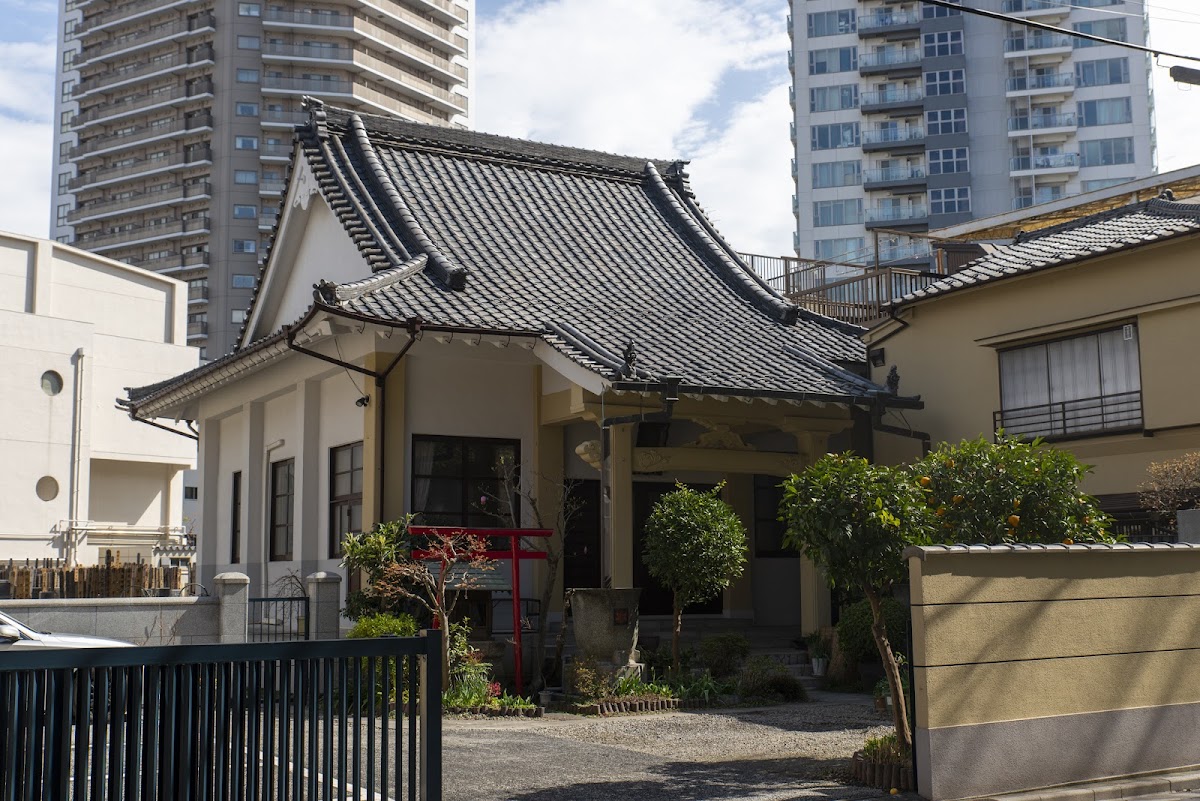
Hoju-in Temple, located in Kitami, Setagaya Ward, Tokyo, is officially called “Chotokuzan Hoju-in Kodenji Temple,” but is commonly known as Kodenji Temple. It belongs to the Jodo sect and was founded in 1569 by Abbot Saiyo Gyokuko.
Despite its location close to the upscale residential area of Seijo, it maintains a tranquil atmosphere and is cherished by local residents as an urban oasis.
Highlights
History from the Edo Period
With a history of over 450 years since its founding at the end of the Sengoku period, it preserves cultural artifacts and records from the Edo period.
Tranquility in the City
Despite its proximity to the city center, the temple grounds offer a quiet and peaceful atmosphere, making it an ideal environment for worship and meditation.
Basic Information
- Official Name: Chotokuzan Hojuin Kodenji
- Sect: Jodo-shu (Pure Land Buddhism)
- Founding: Eiroku 12 (1569)
- Founding Priest: Saiyo Gyokuko Osho
- Location: Kitami, Setagaya-ku, Tokyo
Other Hojuin Temples
Hojuin Temples in Fukushima Prefecture
There are several Hojuin temples in Fukushima Prefecture.
Hoju-in Temple, Aizuwakamatsu City
- Belongs to the Buzan branch of the Shingon sect and is one of the centers of faith in the Aizu region.
Hoju-in Temple, Tamura City
- Also belongs to the Buzan branch of the Shingon sect and functions as a local family temple.
Hoju-in Temple, Yamagata Prefecture (Kahoku Town)
Hoju-in Temple, located in Kahoku Town, Nishimurayama District, Yamagata Prefecture, belongs to the Daigo branch of the Shingon sect. As a Shingon Buddhist temple in the Tohoku region, it continues to preserve the local Buddhist culture.
Hoju-in Temples in Kanagawa Prefecture
Hoju-in Temple in Matsuda Town
- A temple located in Matsuda Town, Kanagawa Prefecture, with a long history intertwined with the local area.
Hoju-in Temple in Totsuka Ward, Yokohama City
- Belongs to the Daikaku-ji branch of the Shingon sect, and is also known as Kumiyama Gangyo-ji Temple.
- The principal image is Fudo Myoo.
- The restorer and founder was Chojun (died in 1554).
About Goshuin (Temple Seals) at Hoju-in Temples
Many Hoju-in temples offer Goshuin. Goshuin are not merely commemorative stamps, but important symbols of worship and a connection to Buddhism with the temple.
Manners for Receiving a Goshuin (Temple Stamp)
- Complete your visit first: A Goshuin is proof of your visit, so first visit the main hall before going to the Goshuin office.
- Prepare your Goshuincho (stamp book): Prepare a dedicated Goshuincho.
- Prepare your donation: Generally around 300 to 500 yen.
- Be polite: Use polite language such as “Please” and “Thank you.”
- Confirm in advance: Since staff may be absent at smaller temples, it is recommended to contact them beforehand.
Guidelines for Visiting Hoju-in Temple
Etiquette for Visiting
The basic etiquette for visiting Shingon Buddhist temples is as follows:
- Bow at the temple gate: Bow before entering the temple grounds.
- Purify yourself at the water basin: Purify your left hand, right hand, and mouth in that order.
- Pray at the main hall: Place your offering in the offering box, then pray with your hands clasped together.
- Chant the mantra: If possible, chant the mantra of each principal deity.
- Bow upon leaving: Turn around and bow when leaving the temple gate.
Clothing and belongings
- Clothing: Clean clothing that does not expose much skin is preferable.
- Shoes: Shoes that are easy to put on and take off are recommended.
- Belongings: Prayer beads, goshuincho (stamp book), donation, etc.
Tourist spots around Hoju-in Temple
Around Hoju-in Temple, Yamanashi Prefecture
- Nature of the Fujikawa River Basin: Beautiful valley scenery and clear streams.
- Southern Alps area: A base for mountain climbing and hiking.
- Ichikawa Daimon Fireworks: The Shinmei Fireworks Festival, considered one of Japan’s three greatest fireworks displays.
Aichi Prefecture, around Hoju-in Temple
- Tsushima Shrine: An ancient shrine known for the Owari Tsushima Tenno Festival.
- Tsushima Townscape: A castle town with historical buildings remaining.
Nara Prefecture, around Hoju-in Temple
- Yoshino Mountain: World-famous as a cherry blossom viewing spot.
- Omine Mountain Range: A sacred site of Shugendo (mountain asceticism).
Wakayama Prefecture, around Hoju-in Temple
- Kongobu-ji Temple: The head temple of the Koyasan Shingon sect.
- Okunoin: A sacred site containing the mausoleum of Kobo Daishi.
- Danjo Garan: The central complex of buildings on Mount Koya.
Planning a visit to Hoju-in Temple
Best time to visit
Spring (March-May)
- At Hoju-in Temple in Yamanashi Prefecture, the 200-year-old weeping cherry tree is in full bloom.
- The weather is mild, making it ideal for visiting.
Autumn (September-November)
- A beautiful season for autumn foliage.
- Particularly stunning autumn colors can be enjoyed at Hoju-in Temple, located in the mountainous area.
Summer/Winter
- Summer offers lush greenery, while winter brings beautiful snowscapes.
- However, heavy snowfall in winter can make transportation difficult.
Estimated Time Required
- Temple Grounds Visit Only: 30 minutes to 1 hour
- Including Garden Viewing: 1 to 2 hours
- Including Surrounding Area Sightseeing: Half a day to a full day
Cultural Assets and Historical Value of Hoju-in Temple
Each Hoju-in Temple preserves valuable cultural assets that tell the story of its own history.
Buildings
- Main Hall: Conveying architectural styles from various eras
- Temple Gate: An important structure indicating the status of the temple
- Gardens: The garden designed by Musō Kokushi in Yamanashi Prefecture, in particular, has high historical value
Buddhist Statues and Paintings
- Principal Deities: Yakushi Nyorai, Dainichi Nyorai, Fudo Myoo, etc.
- Attendant Deities: Various Buddhas accompanying each principal deity
- Buddhist Paintings: Mandalas, portraits of founders, etc.
Documents and Texts
- Ancient Documents: Valuable materials recording the history of the temple
- Scriptures: Manuscripts and printed books, etc.
- Parental Register: Records conveying the history of the temple’s parishioners
Hōjuin Temple and the Local Community
Hōjuin Temple is not merely a religious facility; it has also played a role as a cultural center of the local community.
Involvement with Local Events
- Festivals: Buddhist services held in conjunction with local festivals
- Memorial Services: Ancestor worship and various prayers
- Cultural Activities: Sutra copying sessions, Dharma talks, Zen meditation sessions, etc.
Educational Role
- Tradition of Terakoya (Temple Schools): Functioned as educational institutions during the Edo period
- Modern Activities: Buddhist cultural experiences for children, etc.
Summary
Hoju-in temples, scattered throughout Japan, each possess their own unique history and culture, while playing an important role as inheritors of Buddhist culture, primarily Shingon Buddhism. Each Hoju-in temple has its own charm, including the garden associated with Muso Kokushi in Ichikawa-Misato Town, Yamanashi Prefecture, the esoteric Buddhist training hall in Tsushima City, Aichi Prefecture, the semi-special head temple in Kawakami Village, Nara Prefecture, and the head temple of Koyasan in Wakayama Prefecture.
When visiting these temples, we recommend taking the time to reflect on the faith and culture that has been preserved throughout a long history, rather than simply sightseeing, and to quietly contemplate the Buddha. Even when receiving a Goshuin (temple stamp), please treat it with care as proof of your visit and cherish your connection to the Buddha.
When planning a visit to any of the Hoju-in temples, we recommend checking the latest information in advance by visiting their official website or calling them. We sincerely hope that your visit will be a memorable one.