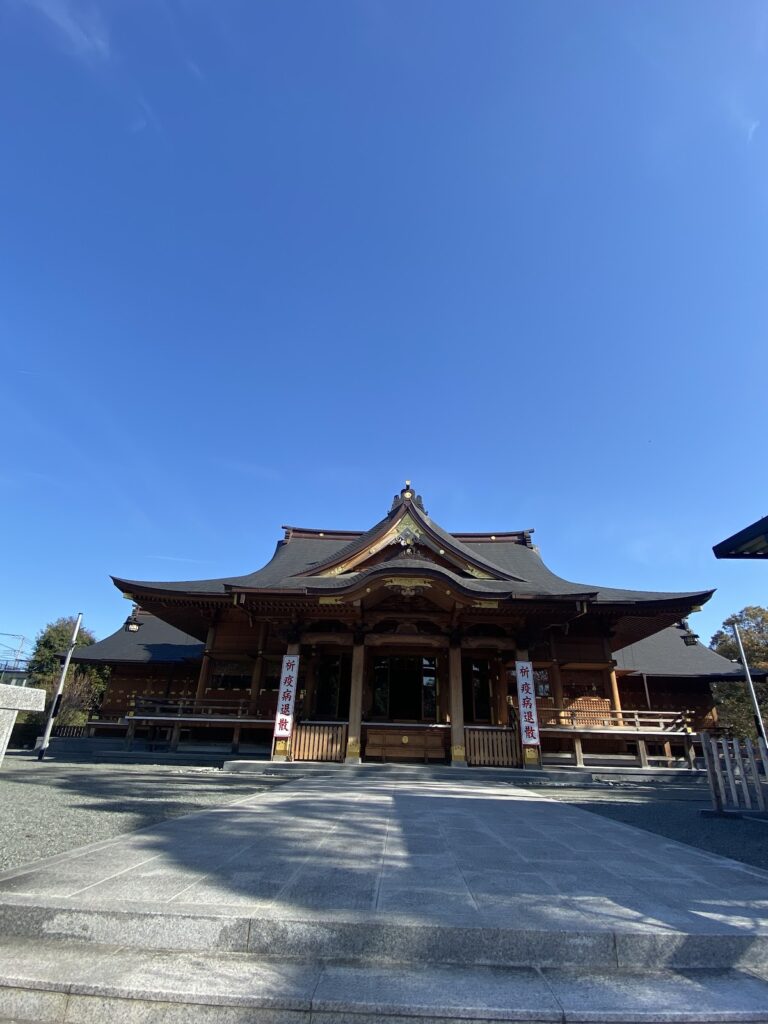
Honkoji Temple Complete Guide | A Thorough Explanation of the History, Access, and Highlights of Honkoji Temples Nationwide
There are several temples named “Honkoji” throughout Japan. Each belongs to a different Buddhist sect and possesses its own unique history and culture. This article provides a detailed explanation of the historical background, access methods, and highlights of major Honkoji temples nationwide. This comprehensive guide will be useful for those planning a temple tour or those interested in Buddhist culture.
What is Honkoji? | Historic Temples Scattered Across Japan
The name Honkoji is found in temples throughout Japan. Notable examples include a Shinshu Otani sect temple in Komatsu City, Ishikawa Prefecture, a Nichiren sect temple in Shingu City, Wakayama Prefecture, and a Nichiren Shoshu temple in Numazu City, Shizuoka Prefecture. Each has a long history as a center of local faith.
Despite sharing the same name, each temple belongs to a different sect, and its founding circumstances and historical background differ significantly. This diversity speaks to the richness of Japanese Buddhist culture. Visiting Honkoji temples throughout Japan will allow you to experience the multifaceted charm of Japanese Buddhism.
Honkoji Temple (Shinshu Otani School), Komatsu City, Ishikawa Prefecture
History and Origins
Located in Awazu-cho, Komatsu City, Ishikawa Prefecture, Honkoji Temple is a historic temple belonging to the Jodo Shinshu Otani School. Its origins date back to the Muromachi period. From 1471 (Bunmei 3) for four years, Rennyo Shonin, the restorer of Jodo Shinshu Buddhism, conducted missionary work in Yoshizaki, Echizen Province (present-day Awara City, Fukui Prefecture).
Among the many temples that gathered in Yoshizaki, drawn by Rennyo Shonin’s teachings, was Honkobo. This Honkobo became the predecessor of the later Honkoji Temple. Rennyo Shonin’s missionary work in the Hokuriku region played an extremely important role in spreading the teachings of Shinshu Buddhism to the general public.
Honkoji Temple, inheriting the teachings of Rennyo Shonin, has developed as a center of faith for the local people in Awazu. Its mountain name is Kenzan, and it is affectionately known locally as “Honkoji Temple of Awazu Onsen.”
Location and Access
Address: 68 Wa, Awazu-cho, Komatsu City, Ishikawa Prefecture
Access:
- Approximately 15 minutes on foot from Awazu Station on the JR Hokuriku Main Line
- Approximately 15 minutes by car from Komatsu IC on the Hokuriku Expressway
- Within walking distance of the Awazu Onsen hot spring resort area
Parking: Parking available for visitors on the temple grounds (please inquire with the temple in advance for details)
Surrounding Area and Attractions
Awazu Onsen, where Honkoji Temple is located, is one of the oldest hot spring resorts in the Hokuriku region, boasting a history of over 1300 years. Visitors can enjoy a stroll through the hot spring town and a visit to the temple. The surrounding area boasts numerous tourist attractions, including Natadera Temple and the Komatsu City Museum, making it a place where you can fully appreciate history and culture.
Staying at a ryokan (traditional Japanese inn) in Awazu Onsen and visiting Honkoji Temple in the quiet morning hours is highly recommended. You can enjoy a relaxed pilgrimage experience in the tranquil atmosphere unique to a hot spring resort.
Honkoji Temple (Nichiren Sect), Shingu City, Wakayama Prefecture
History and Origin
Honkoji Temple, located in Shingu City, Wakayama Prefecture, is a temple belonging to the Nichiren sect, and its mountain name is Eunzan. It was founded in 1596 (Keicho 1) during the Azuchi-Momoyama period by Nitto Shonin.
Initially named “Horinzan Hokkeji,” it underwent a major turning point in 1678 (Enpo 6). Mizuno Shigekami, a senior retainer of the Kishu Domain and lord of Shingu Castle, designated this temple as his family temple and renamed it “Eiunzan Honkoji.” This elevated Honkoji’s status as the family temple of the Mizuno family, lords of Shingu Castle, and established its position as a prominent temple in the region.
Throughout the Edo period, Honkoji attracted the faith of the townspeople of Shingu and played an important role in the local community. Even today, it remains an indispensable temple in the history of Shingu City, welcoming many visitors.
Features of the Main Image and Architecture
The main hall of Honkoji houses a principal image of worship that is extremely rare nationwide. It is a group of 16 Buddhist statues known as the “Jikkai Gogu Standing Statues.”
The concept of “Ten Realms Mutually Inherited” is an important doctrine in Buddhism, particularly in the Tendai and Nichiren schools, stating that each of the “Ten Realms” (Hell, Hungry Ghosts, Animals, Asuras, Humans, Heavenly Beings, Shravakas, Pratyekabuddhas, Bodhisattvas, and Buddhas) is mutually inherent. The principal image of worship, a standing statue representing this doctrine, is rare throughout Japan and considered a valuable artifact in the history of Buddhist art.
The architectural style of the main hall is also impressive, preserving the characteristics of Edo period temple architecture. The temple grounds are well-maintained, allowing for a peaceful and tranquil visit.
Location and Access
Address: 656 Shingu, Shingu City, Wakayama Prefecture
Access Method:
- Approximately 10 minutes on foot from JR Kisei Main Line “Shingu Station”
- Conveniently located in the center of Shingu city, easily accessible on foot
- Approximately 15 minutes on foot from Kumano Hayatama Taisha Shrine
Parking: Parking available for visitors (limited spaces; use of public transportation is recommended)
Nearby Tourist Attractions
Shingu City is home to Kumano Hayatama Taisha Shrine, part of the World Heritage Site “Sacred Sites and Pilgrimage Routes in the Kii Mountain Range.” When visiting Honkoji Temple, it is recommended to combine your visit with other tourist attractions such as Kumano Hayatama Taisha Shrine, Kamikura Shrine, and Ukishima no Mori.
Located at the mouth of the Kumano River, Shingu is a historic town that has flourished since ancient times as a center of Kumano faith. Enjoying a stroll through the town and visiting several temples and shrines, including Honkoji Temple, will allow you to gain a deeper understanding of Shingu’s history and culture.
Annual Events
At Honkoji Temple, major Buddhist services and annual events of the Nichiren sect are held. In particular, around October 13th, the anniversary of Nichiren Shonin’s death, an important service called Oeshiki is held. Local parishioners gather to commemorate the virtues of Nichiren Shonin.
Also, regular services such as the spring and autumn equinox services and the Obon (Buddhist festival) service are held, supporting the religious lives of local residents. For detailed event schedules, we recommend contacting the temple directly.
Honkoji Temple (Nichiren Shoshu), Numazu City, Shizuoka Prefecture
History and Origins
Honkoji Temple, located in Ishikawa, Numazu City, Shizuoka Prefecture, is a temple belonging to the Nichiren Shoshu sect. Its mountain name is Komase-san. Founded on June 8, 1466 (Bunsho 1), by Nichiyu Shonin, the 9th High Priest of Taiseki-ji Temple of the Nichiren Shoshu sect.
It is a venerable temple with a history spanning approximately 560 years, deeply connected to Taiseki-ji Temple (Fujinomiya City, Shizuoka Prefecture), the head temple of the Nichiren Shoshu sect. Since its founding in the mid-Muromachi period, it has functioned as an important center of the Nichiren Shoshu sect in Suruga Province (present-day eastern Shizuoka Prefecture).
Throughout the Edo period, it attracted the faith of the local community, survived the anti-Buddhist movement after the Meiji Restoration, and continues to uphold its teachings to this day. Many believers visit the temple as a place for strict practice of faith based on the doctrines of Nichiren Shoshu.
Location and Access
Address: 616 Ishikawa, Numazu City, Shizuoka Prefecture
Phone Number: 055-966-2077
Access Method:
- Approximately 20 minutes by car from JR Tokaido Main Line “Numazu Station”
- Approximately 15 minutes by car from Tomei Expressway “Numazu IC”
- If using public transport, take a bus from Numazu Station and then walk.
Parking: Parking available on the temple grounds
Information for Visitors
At Honkoji Temple, a Nichiren Shoshu temple, worship is conducted according to the sect’s unique religious practices. The principal image enshrined is a copy of the “Honmon Kaidan no Dai Gohonzon,” which is highly valued in Nichiren Shoshu.
Those wishing to visit are advised to contact the temple in advance to confirm visiting hours and procedures. Especially during memorial services and events, detailed information can be obtained from the head priest or temple staff.
Nichiren Shoshu Buddhism places great importance on the practice of chanting sutras, known as Gongyo, and Gongyo meetings are held regularly at Honkoji Temple. Those interested can inquire at the temple to participate.
Surrounding Area Information
Numazu City is a port town facing Suruga Bay and is known for its fresh seafood. After visiting Honkoji Temple, it is recommended to enjoy local flavors at the seafood market and restaurants in Numazu Port.
Numazu City also has tourist attractions such as Senbonmatsubara, Numazu Imperial Villa Memorial Park, and Viewo (an observation facility). It is also an area with beautiful views of Mount Fuji, and on clear days, you can see Mount Fuji across Suruga Bay.
Other Honkoji Temples
Honkoji Temple in Namerikawa City, Toyama Prefecture
There is also a Shinshu Honkoji Temple in Shimo-Koizumi-cho, Namerikawa City, Toyama Prefecture. This is also a Jodo Shinshu temple that attracts local followers. Toyama Prefecture is known as a region with particularly strong Jodo Shinshu Buddhist faith, and many Shinshu temples exist there.
The Lineage of Honkoji Temples Spreading Across Japan
The name Honkoji is thought to mean “to widely transmit the original teachings.” Because temples upholding this philosophy were established in various regions by different Buddhist sects, a situation arose where multiple temples with the same name exist.
This is one of the characteristics of Japanese Buddhism; it is not uncommon for temples with the same name to have different histories and cultures depending on the sect and region. Through Honkoji, one can feel the diversity of Buddhist culture throughout Japan.
Basic Manners When Visiting Honkoji Temple
Clothing and Items to Bring
When visiting a temple, please dress in clean and modest attire. Avoid excessive exposure, and it is polite to remove hats and sunglasses before entering the main hall. Even in summer, avoid overly casual clothing such as shorts and tank tops.
Bringing prayer beads will allow for a more respectful visit. While the style of prayer beads varies by sect, a general, simplified style of prayer beads is acceptable.
Etiquette for Visiting a Temple
- Bow at the Temple Gate: Bow at the temple gate (entrance) before entering the grounds.
- Purification at the Water Basin: If there is a water basin, purify your hands and mouth.
- Worship at the Main Hall: Quietly join your hands in prayer in front of the main hall and offer a sincere bow.
- Consideration for Photography: Photography inside the main hall and of the principal image is prohibited in principle. When taking photos on the temple grounds, please be considerate of other visitors.
- Maintain Silence: Refrain from loud conversations on the temple grounds and remain quiet.
Regarding Offerings
You may offer a monetary donation when visiting a temple. There is no set amount, but please offer it with a feeling of gratitude. If you wish to request special prayers or memorial services, it is recommended that you contact the temple in advance to confirm the amount and format of the offering.
About Memorial Services and Buddhist Services at Honkoji Temple
Consultation Regarding Funerals and Memorial Services
Honkoji temples throughout Japan conduct funerals and memorial services for their parishioners and followers. Since the form and customs of the ceremonies differ depending on the sect, when requesting a funeral or memorial service, be sure to consult with the head priest in advance to confirm the details.
Nichiren-shu and Nichiren Shoshu temples have their own unique memorial service formats based on the teachings of Nichiren Shonin. Shinshu Otani-ha temples conduct ceremonies based on the doctrines of Jodo Shinshu. It is important to choose an appropriate temple after understanding the characteristics of each sect.
About Perpetual Memorial Services
In recent years, due to the declining birthrate, aging population, and changes in family structures, interest in perpetual memorial services has been increasing. Some Honkoji temples offer perpetual memorial graves, meeting the needs of those without successors or those who do not wish to worry about future grave maintenance.
The details and costs of perpetual memorial services vary by temple, so please contact each temple directly for more information. There is also information that Honkoji temple in Shingu City, Wakayama Prefecture, accepts perpetual memorial services regardless of religious affiliation.
Honkoji Temples and Local Culture
As a Center of the Local Community
Honkoji temples throughout Japan have served not only as religious institutions but also as centers of local communities. Temple events and memorial services provide valuable opportunities for local residents to gather and interact.
Especially in rural areas, temples play a crucial role in maintaining community ties amidst depopulation and an aging population. The head priest acts not only as a religious leader but also as a leader in the local community.
Cultural Assets and Historical Value
Honkoji temples, with their long history, sometimes preserve valuable cultural assets and historical materials. The cultural heritage of each temple, including ancient documents, Buddhist statues, Buddhist paintings, and buildings, is invaluable for understanding the history of the region.
Some temples, such as Honkoji Temple in Shingu City, possess important works in the history of Buddhist art, including the standing statue of the Ten Realms. These cultural assets must be properly preserved and managed and passed down to future generations.
Access to Honkoji Temple and Sightseeing Plan
Ishikawa Prefecture, Komatsu City Course
Example 1-Day Sightseeing Plan:
- Morning: Stroll through Awazu Onsen town, visit Honkoji Temple
- Lunch: Lunch at a ryokan in Awazu Onsen (reservations required)
- Afternoon: Visit Natadera Temple, visit Komatsu City Museum
- Evening: Bath at a hot spring facility in Awazu Onsen
If you stay overnight in Awazu Onsen, you can leisurely visit Honkoji Temple in the quiet morning hours. Enjoy a fulfilling trip combining hot springs and temple visits.
Wakayama Prefecture, Shingu City Course
Example 1-Day Sightseeing Plan:
- Morning: Visit Kumano Hayatama Taisha Shrine and Kamikura Shrine
- Lunch: Enjoy local cuisine “Mehari Sushi” in Shingu city
- Afternoon: Visit Honkoji Temple and explore Ukishima Forest
- Evening: Stroll along the Kumano River
A 2-night, 3-day trip combined with a tour of the Kumano Kodo World Heritage Site is also recommended. Based in Shingu, you can experience a full-fledged Kumano pilgrimage visiting the three Kumano shrines (Hayatama Taisha, Hongu Taisha, and Nachi Taisha).
Shizuoka Prefecture, Numazu City Course
Example Half-Day Sightseeing Plan:
- Morning: Visit Honkoji Temple and explore the surrounding area
- Lunch: Enjoy fresh seafood at Numazu Port
- Afternoon: Visit Numazu Port Deep Sea Aquarium and the Viewo Observation Deck
This can also be combined with sightseeing around Mt. Fuji. A course visiting Taiseki-ji Temple (the head temple of Nichiren Shoshu) in Fujinomiya City from Numazu is also recommended for those interested in faith.
Summary | The Diverse Charms of Honkoji Temples
Honkoji temples, located throughout Japan, are fascinating temples, each possessing its own unique history and culture. The Shinshu Otani sect temple in Komatsu City, Ishikawa Prefecture, has ties to Rennyo Shonin; the Nichiren sect temple in Shingu City, Wakayama Prefecture, houses a rare principal image of the Ten Realms; and the Nichiren Shoshu temple in Numazu City, Shizuoka Prefecture, boasts a history of over 560 years.
It’s fascinating how even temples bearing the same name, “Honkoji,” possess completely different characteristics depending on their sect, history, and region. Visiting each Honkoji temple will allow you to experience the diversity and depth of Japanese Buddhism.
Temple visits have meaning beyond mere sightseeing. It’s a valuable experience to calm your mind in the tranquil grounds, reflect on history, and connect with the faith of our ancestors. Please use the information presented in this article to plan your visit to a Honkoji temple.
For detailed information about each temple, including event schedules and visiting hours, we recommend contacting each temple directly in advance. Speaking directly with the head priest or temple staff will lead to a deeper understanding and a more fulfilling visit.
We hope that Honkoji temples throughout Japan will continue to make their mark on history as centers of local faith and culture.