Complete Guide to Hyozu Shrines | A Thorough Explanation of the History, Deities, and Blessings of 19 Shrines Nationwide
Hyozu Shrines are historical shrines located throughout Japan. The “Engishiki Jinmyocho,” compiled in 927 AD, lists 19 Hyozu Shrines nationwide, each attracting local devotion. This article comprehensively explains information about Hyozu Shrines, from their origins to the characteristics of major shrines, their enshrined deities, and their blessings.
What are Hyozu Shrines? | Guardian Deities of “Hyogo”
As its name suggests, Hyozu Shrines are shrines dedicated to the “Lord of Warriors,” and have been revered since ancient times as guardian deities of “Hyogo,” the armory. According to the Engishiki Jinmyocho, 19 shrines are listed nationwide as Shikinaisha (shrines listed in the Engishiki), distributed throughout the Kinki region and other areas.
Origin and Beliefs of Hyozu-no-Kami
There are various theories regarding the origin of Hyozu-no-Kami, but a connection to the ancient Chinese belief in Chiyou has been pointed out. Chiyou is considered the god who created weapons, and it is believed that after being introduced to Japan, he came to be worshipped as a god of war and military affairs. Furthermore, there are many examples of syncretism with gods from Japanese mythology, such as Ōnamuchi-no-Mikoto and Susanoo-no-Mikoto.
Introduction to Major Hyozu Shrines
This section provides detailed introductions to Hyozu shrines throughout Japan, particularly those of historical significance and scale.
Hyozu Taisha (Yasu City, Shiga Prefecture)
Hyozu Taisha, located in Yasu City, Shiga Prefecture, is officially called “Hyozu Shrine.” It is a prestigious shrine formerly a prefectural shrine and a Shikinaisha (a shrine listed in the Engishiki, an ancient Japanese legal code). It is known as a historically significant ancient shrine, having celebrated its 1,300th anniversary in 2018.
Deity and History
- Deity: Ōkuninushi-no-Mikoto (also known as Yachihoko-no-Kami)
- Founded: Early Nara period (Yōrō era, around 718 AD)
- Shrine Rank: Shikinaisha (Great Shrine listed in the Engishiki), Former Prefectural Shrine
With historical buildings including the main hall located within the shrine grounds, this shrine, situated almost in the center of the former Nakazu-cho, has been revered as a center of local faith for over a thousand years.
Hyōzu Shrine (Kishiwada City, Osaka Prefecture)
Hyōzu Shrine, located in Nishinochi-cho, Kishiwada City, Osaka Prefecture, boasts a history of over 1,100 years as a Shikinaisha (shrine listed in the Engishiki) of Izumi Province. Locally known as “Izumi no Ōmiya,” it is a historically significant shrine that is the origin of the name of the Nankai Main Line’s “Izumi Ōmiya Station.”
Deities and Characteristics
- Deities: Amaterasu Omikami, Hachiman Okami, Sugawara no Michizane
- Alternate Names: Omiya, Kojin
- Characteristics: Worshipped as a god of rain
This shrine has a history of serving as the main shrine of the former Kamori district, with priests serving from twelve villages: Haruki, Kamori, Oise, Bessho, Shimomatsu, Nishinochi, Fujii, Nukahara, Numa, No, Kamimatsu, and Kanechika village of Yamanao district. Also known as “Kojin,” it is revered as a god of rain and possesses nine “Ame-furi no Men” (rain-bringing masks) dating from the Muromachi to early Edo periods as shrine treasures. These masks were used in Noh plays performed during rain-making rituals and are valuable cultural assets that convey the local folk beliefs to the present day.
Highlights of the Shrine Grounds
In addition to the main hall and worship hall, several subsidiary shrines are located within the grounds of the Hyōzu Shrine in Kishiwada. In spring, the cherry blossoms in the shrine grounds reach their peak, delighting visitors. Furthermore, local traditions such as the annual offering of amazake (sweet rice wine) during the Toka Ebisu festival are preserved.
Hyozu Shrine (Tanba City, Hyogo Prefecture)
Hyozu Shrine, located in Tanba City, Hyogo Prefecture, was established in 746 AD (the 18th year of the Tenpyo era) as the guardian deity of Hyogo. As one of the shrines listed in the Engishiki Jinmyocho (a list of shrines compiled in the Heian period), it holds the status of an Engishiki-listed shrine.
Deity and Benefits
- Founded: 746 AD (the 18th year of the Tenpyo era)
- Shrine Rank: Engishiki-listed shrine
- Benefits: Recovery from illness, traffic safety, business prosperity, good fortune and luck
Especially since the Sengoku period (Warring States period), it has been widely worshipped as a guardian deity against smallpox, and a constant stream of worshippers have visited to pray for recovery from illness. Even today, many worshippers visit the shrine to pray for good health, traffic safety, business prosperity, and other blessings.
Hyozu Shrine (Kurodasho-cho, Nishiwaki City, Hyogo Prefecture)
Hyozu Shrine, located in Kurodasho-cho, Nishiwaki City, Hyogo Prefecture, is a Shikinaisha (a shrine listed in the Engishiki, an ancient Japanese legal text) founded in 784 AD. It is affectionately known as “Hyosu-san” by locals and is revered as the tutelary deity of Oshigo (southern Kurodasho-cho).
Cultural Properties
- Worship Hall: Hyogo Prefecture Designated Cultural Property
- Founded: 784 AD
- Shrine Rank: Shikinaisha
The worship hall is designated as a cultural property of Hyogo Prefecture and is highly valued for its historical significance.
Anashi-ni-imasu Hyozu Shrine (Sakurai City, Nara Prefecture)
Located in Sakurai City, Nara Prefecture, Anashi-ni-imasu Hyozu Shrine is an important shrine with the status of a Shikinaisha (a shrine listed in the Engishiki, an ancient Japanese legal code) and a former prefectural shrine. As a central figure in Hyozu worship in Yamato Province, it has been revered by the imperial court since ancient times.
Hyozu Shrine (Iki City, Nagasaki Prefecture)
Located in Fukae-Honmura-Fure, Ashibe-cho, Iki City, Nagasaki Prefecture, Hyozu Shrine is known as one of the 42 shrines visited on the Iki Island Pilgrimage.
Deities Enshrined and Annual Festival
- Deities Enshrined: Susanoo-no-Mikoto, Ōnamuchi-no-Mikoto, Kotoshironushi-no-Mikoto
- Annual Festival Date: October 20th (New Calendar) (Annual Festival, Divine Procession, Grand Kagura Dance), October 29th (Lunar Calendar) (Divine Welcoming Festival, Grand Kagura Dance)
Located on the remote island of Iki, it maintains its unique form of worship while being revered as the guardian deity of the region.
Deities Enshrined at Hyōzu Shrine
The deities enshrined at Hyōzu Shrine vary from shrine to shrine, but the following deities are mainly enshrined:
Ōnamuchi-no-Mikoto
Also known as Yachihoko-no-Kami, he is considered the same deity as Ōkuninushi-no-Mikoto, the principal deity of Izumo Taisha Shrine. He is widely worshipped as the god of nation-building, agriculture, and medicine.
Susanoo-no-Mikoto
The younger brother of Amaterasu-Omikami, a brave god known for the myth of slaying the Yamata no Orochi (eight-headed serpent). He is revered as a god of protection against misfortune and disaster.
Amaterasu-Omikami, Hachiman-Okami, and Sugawara no Michizane
There are also examples of shrines, such as the Hyōzu Shrine in Kishiwada, that enshrine several representative Japanese deities. This reflects the syncretism of Shinto and Buddhism and the changes in beliefs since the early modern period.
Benefits of Hyōzu Shrine
Here are the main benefits you can receive at Hyōzu Shrine.
Long-lasting Military Fortune and Victory
Due to the original nature of the Hyōzu deity, it is believed to bring benefits of long-lasting military fortune and improved luck in competitions.
Healing from Illness
Hyōzu Shrine in Tanba, in particular, is known as a god of protection against smallpox and offers benefits for healing from illness in general.
Business Prosperity and Good Fortune
Shrines dedicated to Ōkuninushi-no-Mikoto are believed to bring business prosperity and good fortune.
Traffic Safety
In modern times, many worshippers visit these shrines to pray for traffic safety.
Rainmaking and Abundant Harvest
Some shrines, like the Hyōzu Shrine in Kishiwada, are revered as rain-bringing deities and agricultural gods.
Architectural Style and Grounds of Hyōzu Shrine
Main Hall Style
Many Hyōzu Shrines have main halls built in the Nagare-zukuri style, a representative style of shrine architecture. Nagare-zukuri is an elegant style with a long, extended roof front, and was widely used from the Heian period onward.
Grounds Layout
The following facilities are typically located within the grounds of a Hyōzu Shrine.
- Main Shrine: The most sacred building where the enshrined deity is worshipped.
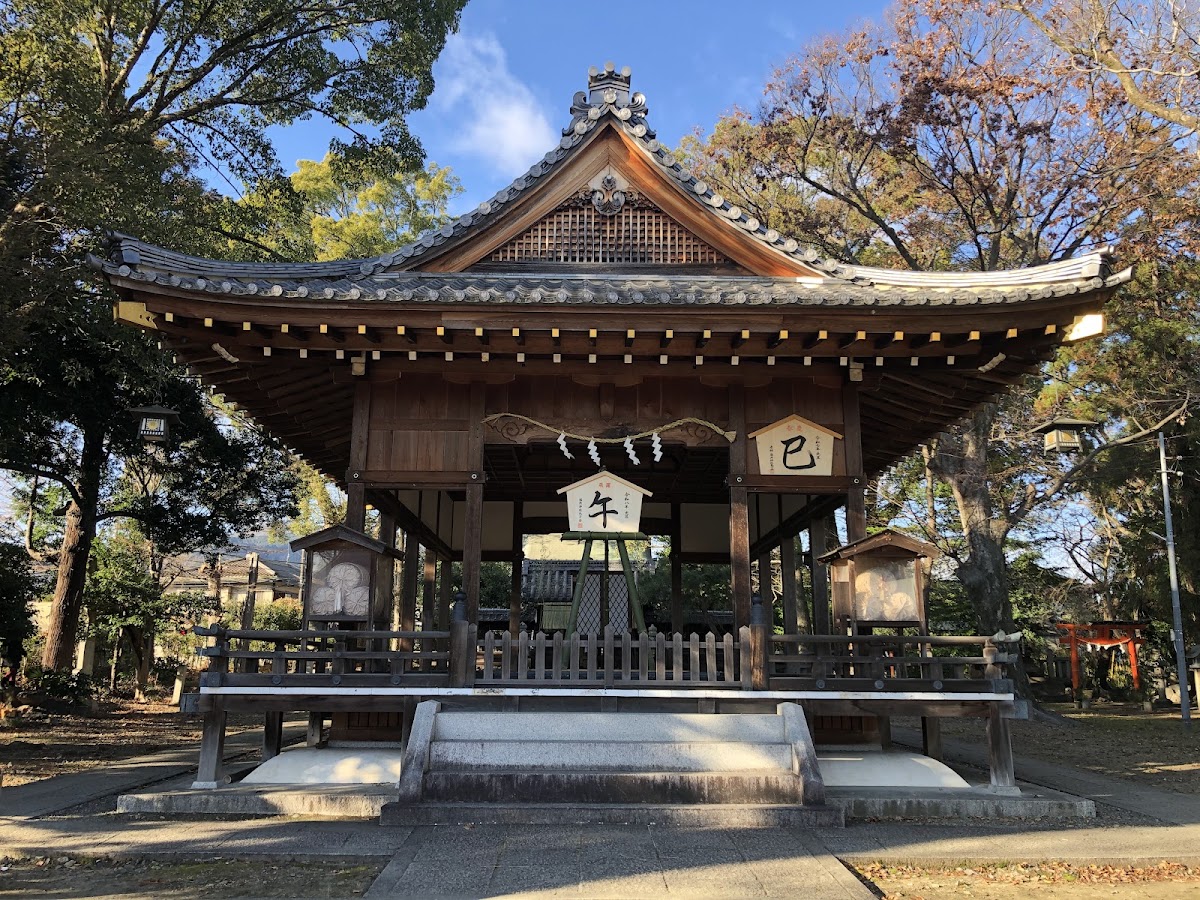
- Worship Hall: The building where worshippers pay their respects.
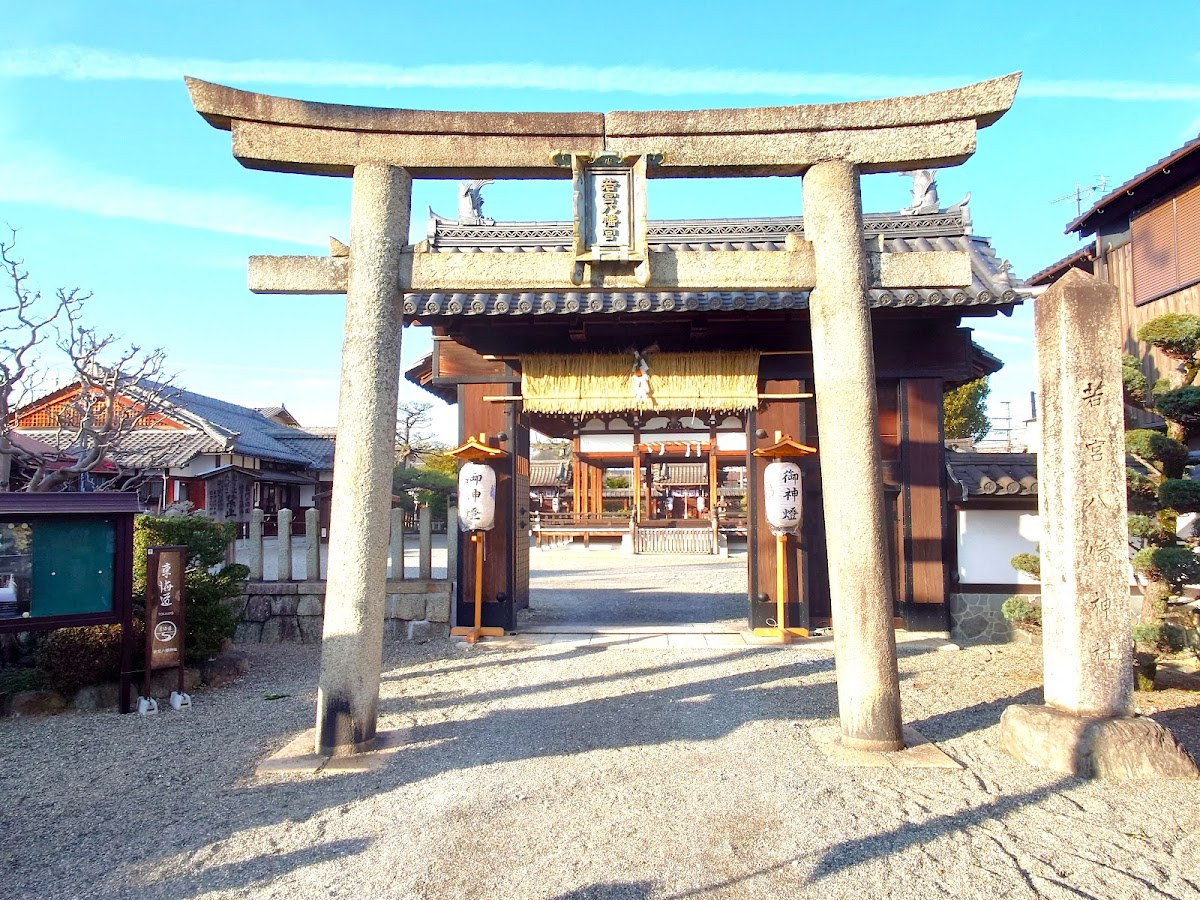
- Torii Gate: The gate marking the entrance to the sacred area.
- Water Basin: A place to purify oneself before worship.
- Subsidiary Shrines: Smaller shrines other than the main shrine.
- Shrine Office: The building where the shrine’s administrative affairs are conducted.
In spring, cherry blossoms bloom in profusion, and the shrine grounds are adorned with the beauty of nature throughout the seasons.
Annual Events at Hyōzu Shrine
Annual Festival
Each Hyōzu Shrine holds a grand annual festival. Traditional Shinto rituals, such as the procession of portable shrines and the dedication of Kagura (sacred dance), are passed down.
Toka Ebisu Festival
At Hyōzu Shrine in Kishiwada, the Toka Ebisu festival is held around January 10th every year, attracting many worshippers praying for business prosperity. Sweet sake and other refreshments are offered.
Kami-mukae Festival
At Hyozu Shrine in Iki, the Kami-mukae Festival is held on the 29th day of the 10th month of the lunar calendar, and a grand Kagura dance is performed.
Cultural Property Fire Drills
Regular fire drills are conducted to protect valuable cultural properties from fire.
Cultural Properties of Hyozu Shrine
Ame-furi (Rain) Masks
The nine Noh masks from the Muromachi period to the early Edo period, owned by Hyozu Shrine in Kishiwada, are valuable cultural properties used in rain-making rituals.
Prefectural Designated Cultural Property
The worship hall of Hyozu Shrine in Kurodasho-cho, Nishiwaki City, is designated as a Hyogo Prefecture designated cultural property.
Votive Ema and Zodiac Paintings
At Hyozu Shrine in Kishiwada, votive zodiac paintings and large votive ema paintings by local artists and students are dedicated every year, establishing a new tradition. In 2026, a work themed on the “Horse” was dedicated.
Access Information to Hyozu Shrine
Hyozu Taisha (Yasu City, Shiga Prefecture)
- Address: Yasu City, Shiga Prefecture
- Access: Bus or taxi from Yasu Station on the JR Biwako Line
Hyozu Shrine (Kishiwada City, Osaka Prefecture)
- Address: 1-1 Nishinochi-cho, Kishiwada City, Osaka Prefecture
- Access: Short walk from Izumi-Omiya Station on the Nankai Main Line
Hyozu Shrine (Tanba City, Hyogo Prefecture)
- Address: Tanba City, Hyogo Prefecture
- Access: JR Fukuchiyama Line or bus
Hyozu Shrine (Nishiwaki City, Hyogo Prefecture)
- Address: Kurodasho-cho, Nishiwaki City, Hyogo Prefecture
- Access: JR Kakogawa Line or bus
For detailed access information for each shrine, please check the official website or the tourist association website.
Manners and Etiquette for Visiting a Shrine
Basic Visiting Etiquette
- Bow at the Torii Gate: Bow before passing through the torii gate.
- Watering Rituals: Cleanse your hands at the water basin in the order of left hand, right hand, and mouth.
- Worship: Bow twice, clap twice, and bow once in front of the main hall.
- Departure: Turn around and bow once after leaving the torii gate.
Attire
No special attire is required, but please wear clean clothing appropriate for a sacred place.
Hyōzu Shrine and the Local Community
Hyōzu Shrine has played a central role in the local community, not merely as a place of worship.
Role as a Guardian Deity
Hyōzu Shrine in Kishiwada served as the main shrine for twelve villages, with a unique operational structure where priests were appointed from each village. This symbolized the unity of the local community.
Cultural Inheritance
Traditional performing arts such as Kagura, Noh, and festivals have been passed down at Hyōzu Shrine. Rain-making Noh plays, in particular, were an important form of prayer in agricultural societies.
Role in Modern Times
Even today, Hyozu Shrine functions as a place for life-changing rituals such as New Year’s visits, Shichi-Go-San (a traditional rite of passage for children), and exorcisms, as well as a place for community interaction. New forms of engagement with the community are also emerging, such as the large votive ema (votive picture) dedicated by the local high school art club.
Significance of Hyozu Shrine Research
Historical Value
Research on Hyozu Shrine sheds light on diverse historical themes, including the acceptance of continental culture in ancient Japan, the process of syncretism of Shinto and Buddhism, and the formation of regional beliefs.
Folkloric Value
Hyozu Shrine provides valuable examples for understanding the realities of folk beliefs, such as rain-making beliefs and smallpox-prevention beliefs.
Architectural Historical Value
The buildings of Hyozu Shrine, which convey the architectural styles of shrines from various eras, are also important in the study of Japanese architectural history.
Summary | A Faith Passed Down for Over a Thousand Years
Hyozu Shrines are historical shrines, each of the 19 listed in the Engishiki Jinmyocho (a historical record of shrines), that have attracted local faith for over a thousand years. While originating as shrines dedicated to war gods, they are revered for diverse blessings, including healing from illness, rainmaking, and business prosperity. While the form of their faith has evolved with the times, they continue to play a vital role as spiritual pillars in their communities.
Hyozu Shrines in various locations, such as Hyozu Taisha in Shiga, Izumi Omiya in Kishiwada, Hyozu Shrine in Tanba/Nishiwaki, and Anashi-ni-imasu Hyozu Shrine in Nara, each possess their own unique history and characteristics, conveying the profound depth of Japanese religious culture to visitors.
With cherry blossoms blooming within the grounds, historic main halls and worship halls, Noh masks and votive tablets preserved as cultural assets, and ongoing festivals and rituals, Hyozu Shrines, as living cultural heritage connecting the past and present, will undoubtedly continue to be a spiritual haven for many people.
Visiting Hyozu Shrine is more than just sightseeing or praying; it’s a valuable experience that allows you to connect with Japanese history and culture. Please do visit a Hyozu Shrine near you, or one you come across during your travels.