
Complete Guide to Ichinomiya-ji Temple | History, Goshuin (Temple Seal), and Access Information for the 83rd Temple of the Shikoku 88 Temple Pilgrimage
About Ichinomiya-ji Temple
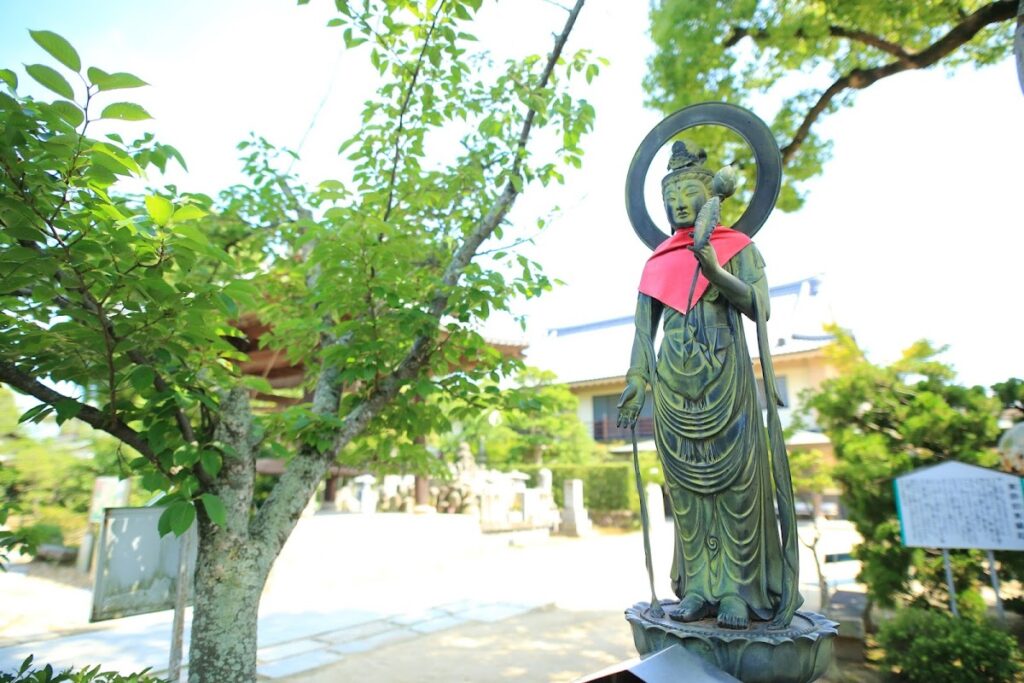
Ichinomiya-ji Temple is a Shingon sect Omuro school temple located in Ichinomiya-cho, Takamatsu City, Kagawa Prefecture. Its formal names are Shingozan and Daihoin, and its principal image is the Holy Kannon Bodhisattva. As the 83rd temple of the Shikoku 88 Temple Pilgrimage, it is a historically significant temple visited by many pilgrims.
It is adjacent to Tamura Shrine, the Ichinomiya (first-ranked shrine) of Sanuki Province, and is a distinctive temple with a history of syncretism of Shinto and Buddhism, having once served as the head temple of Tamura Shrine. Nestled in a quiet environment surrounded by rice fields, almost in the center of the Takamatsu Plain, it boasts a history of over 1300 years despite its small grounds.
History of Ichinomiya-ji Temple
Founding and the Daihoin Era
Ichinomiya-ji Temple’s founding dates back to the Daiho era (701-704). It was founded by Bishop Gien, who laid the foundation for the flourishing of Nara Buddhism. Initially called “Daihoin,” it was established as a temple of the Hosso sect.
Bishop Gien is said to have founded this temple approximately 160 years after Buddhism was introduced to Japan, and he dedicated himself to the spread of the Hosso sect, one of the Nanto Buddhist schools. Among Bishop Gien’s disciples were Bishop Ryoben, who later founded Todai-ji Temple, and Bodhisattva Gyoki, who built bridges and temples throughout the country, making him a figure of significant importance in the history of Japanese Buddhism.
To the Head Temple of Sanuki Ichinomiya
During the Wado era (708-715), Ichinomiya temples were established in various provinces by order of the imperial court. In Sanuki Province, Tamura Shrine was established as the Ichinomiya (first shrine), and Ichinomiya-ji Temple became its first betto-ji (chief administrative temple). It is believed that the temple’s name was changed from “Daihoin” to “Ichinomiya-ji” during this period.
A betto-ji is a temple that manages a shrine, a system based on the syncretic belief of Shinto and Buddhism. Ichinomiya-ji played a crucial role in the rituals and management of Tamura Shrine, functioning as a center of faith where the shrine and temple were integrated.
Restoration by Gyoki Bodhisattva
Gyoki Bodhisattva, a disciple of Bishop Gien, is said to have visited Ichinomiya-ji Temple, founded by his master, and restored its buildings. Gyoki Bodhisattva was also known as a social worker who traveled throughout Japan, constructing bridges, roads, and temples for the people, and the maintenance of Ichinomiya-ji Temple was part of his activities.
Kobo Daishi Kukai and Conversion to Shingon Buddhism
During the Daido era (806-810), Kobo Daishi Kukai stayed at Ichinomiya-ji Temple. It is said that Kukai carved a statue of the Holy Kannon Bodhisattva as the principal image of the temple, and also carved a statue of himself. At this time, Ichinomiya-ji Temple changed its sect from the Hossō sect to the Shingon sect and was designated as the 83rd temple of the Shikoku 88 Temple Pilgrimage.
The Holy Kannon Bodhisattva, said to have been carved by Kukai, is still enshrined as the principal image of Ichinomiya-ji Temple today.
Changes from the Medieval Period Onward
Throughout the medieval period, Ichinomiya-ji Temple remained an important religious institution in Sanuki Province, but suffered damage several times due to warfare during the Sengoku period.
In 1701 (Genroku 14) of the Edo period, the main hall was rebuilt by the Juppo Sesshu (a group of temple supporters and parishioners). This main hall, protected by a magnificent camphor tree, still welcomes visitors as the central structure of the temple grounds.
The Meiji Restoration and the Separation of Shinto and Buddhism
Due to the Meiji-era decree separating Shinto and Buddhism, Ichinomiya-ji Temple was severed from its ties with Tamura Shrine. The shrine and temple, which had previously been a single entity, were separated, and Ichinomiya-ji Temple continued to exist as an independent temple. However, it remains adjacent to Tamura Shrine, allowing visitors to feel the historical connection between the two.
Temple Grounds (Buildings within the Temple Precincts)
Main Hall
Rebuilt in 1701 (Genroku 14), the main hall is the central building of Ichinomiya-ji Temple. It houses the principal image, the Holy Kannon Bodhisattva, and pilgrims chant sutras and offer their sutras here. A magnificent camphor tree stands in front of the main hall, creating a solemn atmosphere within the temple grounds.
The architectural style is typical of Shingon Buddhist temples, and it is a valuable building that conveys the architectural techniques of the mid-Edo period.
Daishi Hall
The Daishi Hall, dedicated to Kobo Daishi Kukai, is also an important building within the temple grounds. In the Shikoku Pilgrimage, it is customary to visit both the main hall and the Daishi Hall, and many pilgrims visit these locations.
Bell Tower and Temple Gate
The temple grounds include a bell tower and a temple gate, and despite its small size, it has all the necessary temple buildings. Passing through the temple gate, you enter a tranquil and peaceful area.
Sutra Copying Office
The sutra copying office, where temple stamps and sutra copying are available, also serves as a place for interaction with pilgrims. You can receive a special stamp here as the 83rd temple of the Shikoku Pilgrimage.
Principal Image and Belief
Holy Kannon Bodhisattva
The principal image of Ichinomiya-ji Temple is the Holy Kannon Bodhisattva. This statue is said to have been carved by Kobo Daishi Kukai himself, embodying the compassion of Kannon Bodhisattva who perceives and relieves the suffering of people.
Kannon Bodhisattva is one of the most important Bodhisattvas in Buddhism, believed to listen to the voices of all sentient beings and save them from their suffering. In particular, Shō Kannon is the basic form of Kannon Bodhisattva and is considered the prototype for various forms of Kannon (such as Eleven-faced Kannon and Thousand-armed Kannon).
Faith in Kōbō Daishi
As a temple on the Shikoku 88 Temple Pilgrimage, it has a deep faith in Kōbō Daishi Kūkai, and many pilgrims visit under the spirit of “Dōgyō Ninin” (two traveling together). The Daishi Hall houses a statue of Kūkai said to have been carved by Kūkai himself.
Annual Events and Ceremonies
Monthly Goma Ritual
At Ichinomiya-ji Temple, a Goma ritual is held on the 28th of every month. The Goma ritual is an important Shingon Esoteric Buddhism ceremony in which sacred wood is burned on a goma altar to burn away worldly desires and fulfill wishes. General visitors can participate and pray for the fulfillment of their wishes and for the safety of their families.
Other Annual Events
Ichinomiya-ji Temple holds various events throughout the year. Traditional Buddhist temple events such as the New Year’s visit, the spring and autumn equinox services, and the Obon memorial service are held.
Sutra Copying Experience
Ichinomiya-ji Temple also offers sutra copying experiences. By copying scriptures such as the Heart Sutra, you can calm your mind and connect with the teachings of Buddhism. Individuals and groups can participate by contacting the temple in advance.
Goshuin (Temple Seal) and Sutra Offering Information
About Goshuin (Temple Seals)
As the 83rd temple of the Shikoku Pilgrimage, Ichinomiya-ji Temple offers Goshuin (sutra offering seals). The Goshuin features the name of the principal deity, “Sho Kannon,” and the mountain name, “Shingozan,” written in ink, and stamped with a red seal.
The usual hours for receiving temple stamps are from 7:00 AM to 5:00 PM, but these may vary depending on the season, so it is recommended to check official information before visiting.
Temple Stamp Fee
- Stamp in a temple stamp book: 300 yen
- Stamp on a hanging scroll: 500 yen
- Stamp on a white robe: 200 yen
(Prices are subject to change)
Access
Access by Train
From JR Kotoku Line “Ichinomiya Station”
- Approximately 10 minutes on foot
- Convenient access from the nearest station, making it ideal for those using public transportation
From Kotoden Kotohira Line “Ichinomiya Station”
- Approximately 15 minutes on foot
Access by Car
From Takamatsu Expressway “Takamatsu Chuo IC”
- Approximately 15 minutes
- Accessible via National Route 11
From Takamatsu City Center
- Approximately 20 minutes by car
- Head south on National Route 11 towards Ichinomiya Town
Parking
There is a free parking lot for visitors on the temple grounds. Approximately 20 regular-sized cars can be parked. ### Distance to Previous and Next Temples
From Temple No. 82, Negoro-ji
- Approximately 13km (about 30 minutes by car)
To Temple No. 84, Yashima-ji
- Approximately 7km (about 20 minutes by car)
This is located in the middle to final stages of the Shikoku Pilgrimage, visiting the temples in Sanuki Province (Kagawa Prefecture).
Nearby Attractions
Tamura Shrine
Tamura Shrine, the Ichinomiya (first-ranked shrine) of Sanuki Province, is adjacent to Ichinomiya-ji Temple and was once an integral part of the temple complex. Its magnificent shrine buildings and dragon carvings within the grounds are highlights, offering a glimpse into the history of Shinto-Buddhist syncretism. A visit to this shrine is recommended when visiting Ichinomiya-ji Temple.
Yashima
Yashima, where the next temple, Yashima-ji, is located, is a scenic spot famous as the site of a battle during the Genpei War. From the mountaintop, you can enjoy a spectacular view of the Seto Inland Sea.
Manners and Etiquette for Visiting a Temple
Basic Visiting Etiquette
- Bow at the Temple Gate: Bow at the temple gate before entering the temple grounds.
- Purify at the Water Basin: Purify your hands and mouth.
- Pray at the Main Hall: Chant sutras and offer your sutra book.
- Pray at the Daishi Hall: Pay your respects to Kobo Daishi.
- Receive a Goshuin (temple stamp) at the Sutra Office: Receive a Goshuin in your sutra book.
Regarding Clothing
There are no specific dress code requirements, but it is advisable to avoid revealing clothing as a sign of respect for the temple. Visiting is possible even without wearing full pilgrimage attire.
Regarding Photography
Photography is generally permitted within the temple grounds, but there are areas where photography is prohibited, such as inside the main hall. Always follow the signs and be considerate of other visitors.
Cultural Properties of Ichinomiya-ji Temple
Ichinomiya-ji Temple is designated as one of the cultural properties that make up the “Shikoku Pilgrimage,” a Japanese Heritage site. The Shikoku Pilgrimage was designated a Japan Heritage site in 2015, and the 88 temples, including Ichinomiya-ji Temple, and the pilgrimage route are recognized for their value as a unique Japanese pilgrimage culture.
While there are no individual nationally designated cultural properties such as the main hall or Buddha statues, the historical and cultural value of the temple as a whole is extremely high, and it continues to play an important role as a center of faith in the region.
Accommodation and Rest at Ichinomiya-ji Temple
About Temple Lodgings
Ichinomiya-ji Temple currently does not offer temple lodgings for the general public. Those wishing to stay overnight will need to use hotels, inns, or pilgrim lodgings in Takamatsu City.
Rest Areas
There are spaces within the temple grounds where visitors can rest. However, please eat and drink only in designated areas, and be sure to take your trash with you.
Summary of Ichinomiya-ji Temple’s Highlights and Features
Historical Value
- Over 1300 years of history, founded during the Taihō era (701-704)
- Connections to important figures in Japanese Buddhist history: Bishop Gien, Bodhisattva Gyōki, and Kūkai Kōbō Daishi
- History of Shinto-Buddhist syncretism as the head temple of Sanuki Ichinomiya
Architecture and Art
- Main hall rebuilt in Genroku 14 (1701)
- Principal image, the Holy Kannon Bodhisattva, said to have been created by Kūkai Kōbō Daishi
- Magnificent camphor tree on the temple grounds
Faith and Events
- 83rd temple of the Shikoku 88 Temple Pilgrimage
- Goma ritual held on the 28th of every month
- Sutra copying experience available
Location and Environment
- Quiet rural area on the outskirts of Takamatsu City
- Adjacent to Tamura Shrine
- Convenient access within walking distance of JR Ichinomiya Station
Important Notes for Visitors
Visiting Hours
- Grounds are freely accessible (always open)
- Sutra Copying Hours: 7:00 AM – 5:00 PM (may vary depending on the season)
- Open Year-Round
Inquiries
For details regarding visits and events, we recommend checking Ichinomiya-ji Temple’s official website or contacting them by phone. Advance notice is required, especially for group visits or sutra copying experiences.
Ichinomiya-ji Temple’s Place in the Shikoku Pilgrimage
The Shikoku 88 Temple Pilgrimage is a pilgrimage route approximately 1,400 km long, traversing four provinces: Sanuki (Kagawa Prefecture), Awa (Tokushima Prefecture), Tosa (Kochi Prefecture), and Iyo (Ehime Prefecture). Ichinomiya-ji Temple is located towards the end of the pilgrimage route in Sanuki Province, just five temples away from the final temple, Okubo-ji Temple (No. 88).
Within the Flow of the Pilgrimage
By the time many pilgrims reach Ichinomiya-ji Temple, their pilgrimage is nearing its end, and they are in a state of physical and mental fulfillment. It serves as an important place for mental preparation before visiting the remaining temples and completing the pilgrimage.
The Spirit of “Two Companions”
In the Shikoku Pilgrimage, there is a phrase, “Two Companions” (Dogyo Ninin). This means that even when walking alone, Kobo Daishi is always with you. It is important to visit Ichinomiya-ji Temple with this spirit in mind, and with a feeling of gratitude.
Recommended Itinerary for Visiting Ichinomiya-ji Temple
Half-Day Course
- Visit Ichinomiya-ji Temple (1 hour)
- Visit Tamura Shrine (30 minutes)
- Enjoy Sanuki Udon at a nearby restaurant (1 hour)
Full-Day Course
- Morning: Visit Negoro-ji Temple (Temple No. 82)
- Lunch: Sanuki Udon in Takamatsu City
- Afternoon: Visit Ichinomiya-ji Temple
- Evening: Visit Yashima-ji Temple (Temple No. 84), enjoy the sunset over the Seto Inland Sea from Yashima Mountain
Summary
Ichinomiya-ji Temple is the 83rd temple of the Shikoku 88 Temple Pilgrimage, boasting a history of over 1300 years. It is a temple with deep connections to important figures in the history of Japanese Buddhism, having been founded by Bishop Gien, restored by Bodhisattva Gyoki, and converted to Shingon Buddhism by Kobo Daishi Kukai.
As the head temple of the Ichinomiya (first-ranked shrine) of Sanuki Province, this temple embodies the history of syncretism between Shinto and Buddhism, and continues to preserve that history today, standing adjacent to Tamura Shrine. With its main hall rebuilt during the Genroku era, a statue of Kannon Bodhisattva said to have been created by Kobo Daishi, and monthly goma (fire ritual) ceremonies, this temple, steeped in history and faith, continues to welcome many pilgrims and worshippers.
Located in a tranquil setting on the outskirts of Takamatsu City, Ichinomiya-ji Temple offers a peaceful place for worship. Situated towards the end of the Shikoku pilgrimage, why not visit this temple as a place to reflect on your journey so far and renew your resolve for the remaining temples?

