Complete Guide to Jionji Temple | History, Highlights, and Access Information for Ancient Temples in Yamagata and Saitama
What is Jionji Temple?
Jionji is the name of several historic Buddhist temples in Japan. The two most famous are “Zuihozan Honzan Jionji” in Sagae City, Yamagata Prefecture, and “Karinzan Saijoin Jionji” in Iwatsuki Ward, Saitama City, Saitama Prefecture. Both are known as ancient temples with over a thousand years of history, each possessing unique historical value and cultural assets.
This article comprehensively explains everything you need to know before visiting these two Jionji temples, from their origins to their current history, highlights within the temple grounds, cultural assets, annual events, and access methods.
History and Origins of Honzan Jionji Temple in Sagae City, Yamagata Prefecture
Founding and Establishment History
Honzan Jionji Temple, located in Sagae City, Yamagata Prefecture, is one of the largest temples in the Tohoku region, dating back to the Nara period. According to temple tradition, its origins date back to 724 AD, when Gyoki Bodhisattva, who was traveling through various provinces, visited this area and reported its scenic beauty to Emperor Shomu.
Later, in 746 AD, it is said that a Brahmin monk who had come from India founded the temple by imperial decree of Emperor Shomu. Calculating from this founding, it will celebrate over 1200 years since its establishment in 2024, making it an extremely historic temple.
During the Heian period, it was rebuilt by imperial decree of Emperor Toba, and the mountain name “Zuihozan” was bestowed upon it by Emperor Go-Shirakawa and Minamoto no Yoritomo. Thus, from its founding, Jionji Temple developed as an imperial prayer temple with deep ties to the Imperial family and powerful figures of the time.
Protection and Prosperity of Successive Powerful Figures
Jionji Temple, without a congregation of parishioners, received generous protection from successive powerful figures as an imperial prayer temple praying for “national protection” and “national peace.”
From the Heian period to the Kamakura period, it received the protection of the Fujiwara clan, the regent family, and the Oshu Fujiwara clan. Later, it received support from powerful figures in the Tohoku region, such as the Oe clan, who ruled Sagae Manor, and the Mogami clan, lords of Yamagata Castle.
In the Edo period, it received an exceptionally large temple territory of over 2,800 koku from the Tokugawa Shogunate, becoming the largest temple in Tohoku. The size of this territory indicates that Jionji Temple was not merely a local temple, but an important religious center for the Shogunate.
Current Sect and Organization
Following the Meiji Restoration, many temples faced hardship due to the anti-Buddhist movement and the separation of Shinto and Buddhism. However, Jionji Temple survived due to its historical value and importance to the region.
Currently, Jionji Temple is the head temple of its own sect, “Jion-shu.” While it once belonged to the Tendai sect, it became independent and adopted the name Jion-shu. Its official registered name as a religious corporation is “Honzan Jionji.”
History of Jionji Temple in Saitama City, Saitama Prefecture
Origins as an Ancient Tendai Temple
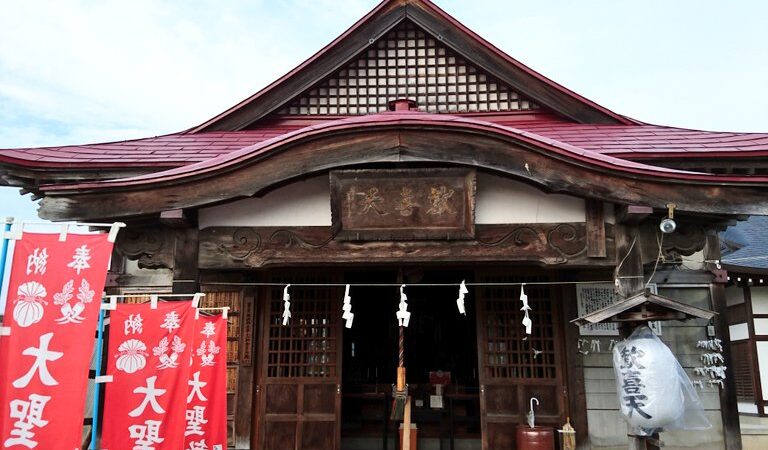
Located in Iwatsuki Ward, Saitama City, Saitama Prefecture, Jionji Temple’s official name is “Karinzan Saijoin Jionji,” and it belongs to the Tendai sect. Its mountain name is Karinzan, its temple name is Saijoin, and its principal image is the Thousand-Armed Kannon Bodhisattva.
Founded in 824 AD by Jikaku Daishi Ennin, this is another ancient temple with a history of nearly 1200 years. As the 12th temple on the Bandō Thirty-Three Kannon Pilgrimage, it has welcomed many pilgrims since ancient times.
Prosperity in the Edo Period
During the Edo period, it received patronage from the Tokugawa shogunate, including a grant of 100 koku of land from Tokugawa Ieyasu. Located in the castle town of Iwatsuki Castle, it flourished as a center of local faith.
The place name Jionji originates from this temple, demonstrating its deep roots in the community. Even today, the name remains as Jionji, a district in Iwatsuki Ward, Saitama City.
Grounds and Highlights of Jionji Temple (Yamagata)
National Historic Site: “Former Jionji Temple Grounds”
In 2014 (Heisei 26), the former grounds of Jionji Temple were designated a national historic site. The once vast grounds, at its peak, formed a large religious city with numerous temple buildings and scattered monks’ quarters.
Even today, buildings and remains that evoke the past remain, conveying a historical landscape. Walking through the grounds, one can feel firsthand the changes in temple architecture from the medieval to the early modern period.
Main Hall and Major Buildings
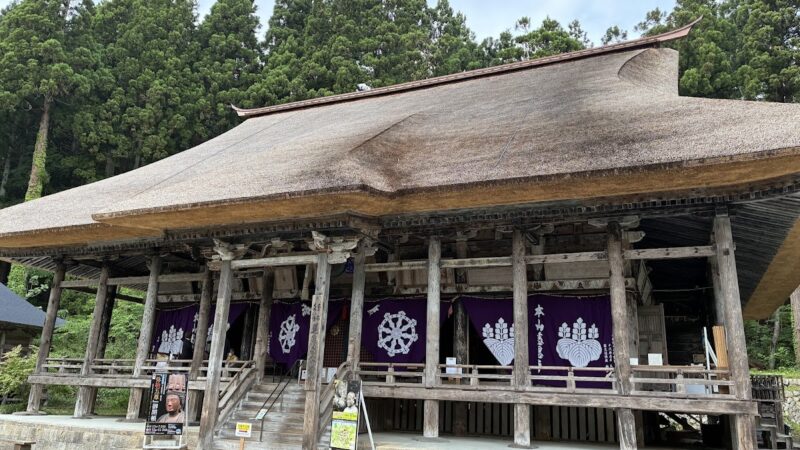
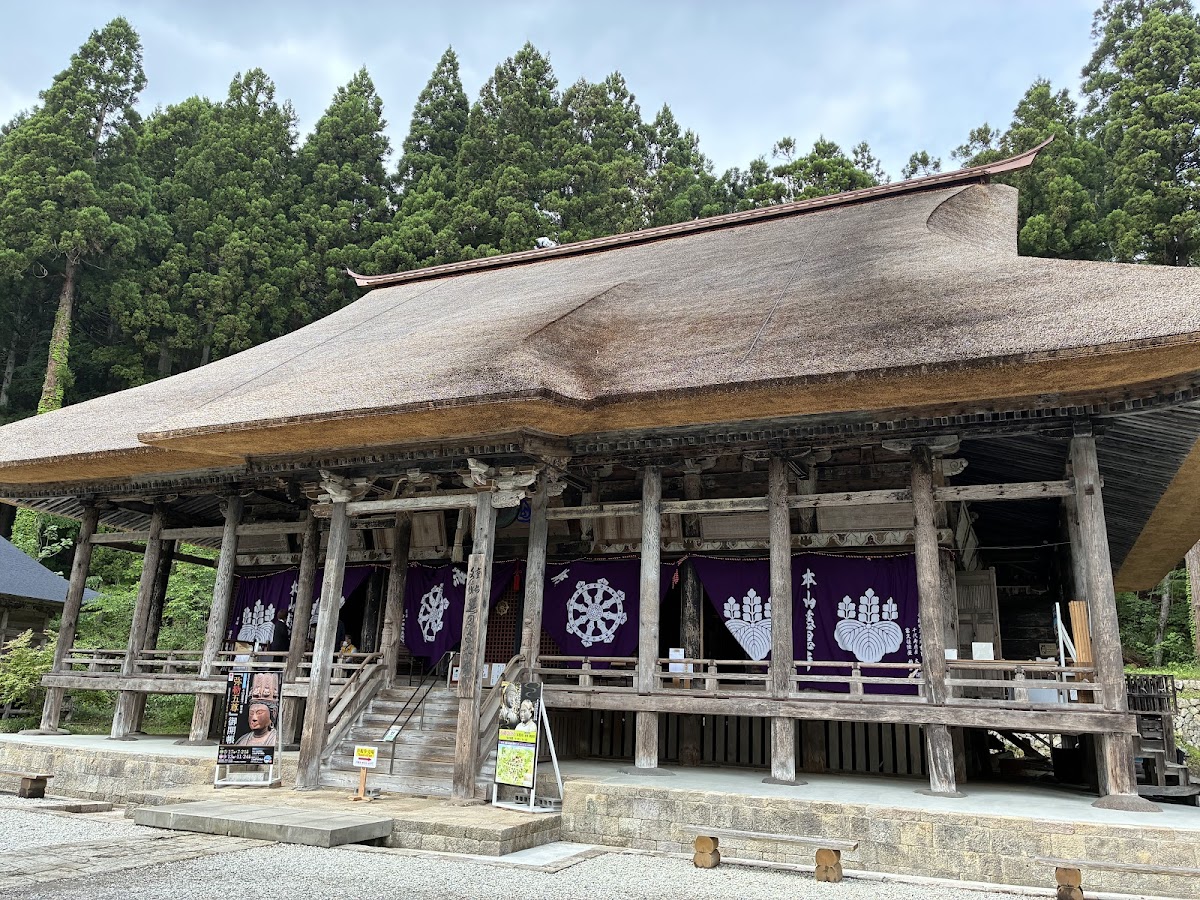
The main hall of Jionji Temple is a magnificent building constructed during the Edo period. Several important buildings still exist, including the main hall housing the principal image, a three-story pagoda, a Yakushi-do (Medicine Buddha Hall), and an Amida-do (Amida Buddha Hall).
These buildings were constructed in different eras, making them valuable resources for learning about the architectural styles of each period. In particular, the buildings believed to have been constructed during the Edo period convey the advanced architectural techniques of that time.
Buddhist Statues from the Heian and Kamakura Periods
The greatest treasure of Jionji Temple is its collection of masterpiece Buddhist statues created from the Heian to Kamakura periods. Many of these statues were made in Kyoto and Nara, the capitals of the time, allowing visitors to see excellent central Buddhist art up close, despite being located in the Tohoku region.
Particularly noteworthy are the statues that retain the elegant style of the Heian period and the realistic and powerful statues of the Kamakura period. Many of these are designated as important national cultural properties and occupy an important place in the history of Japanese Buddhist art.
Scenery of the Four Seasons
The former grounds of Jionji Temple show different expressions in each of the four seasons.
In spring, cherry blossoms adorn the grounds, creating a beautiful landscape with the contrast between the historical buildings and the cherry blossoms. In summer, the fresh greenery is dazzling, and the grounds, enveloped in deep green, are filled with a cool atmosphere. In autumn, the temple grounds are painted in vibrant reds and yellows, making it the most popular season for tourists. In winter, a snowy landscape covers the grounds, creating a serene and fantastical scene.
With each visit, visitors can discover new charms, making it a popular tourist spot with many repeat visitors.
Jionji Terrace | General Information Facility
Facility Overview and Concept
Jionji Terrace is a general information facility located near the entrance to the Jionji Temple approach, clearly introducing the charms of the “Former Jionji Temple Grounds,” a nationally designated historical site.
Based on the concept of “Connecting Time, Connecting Places,” the facility embodies the hope of connecting the past, present, and future, and illuminating the region. Visiting before visiting Jionji Temple allows for a deeper understanding of its history and culture.
Exhibits and Experiences
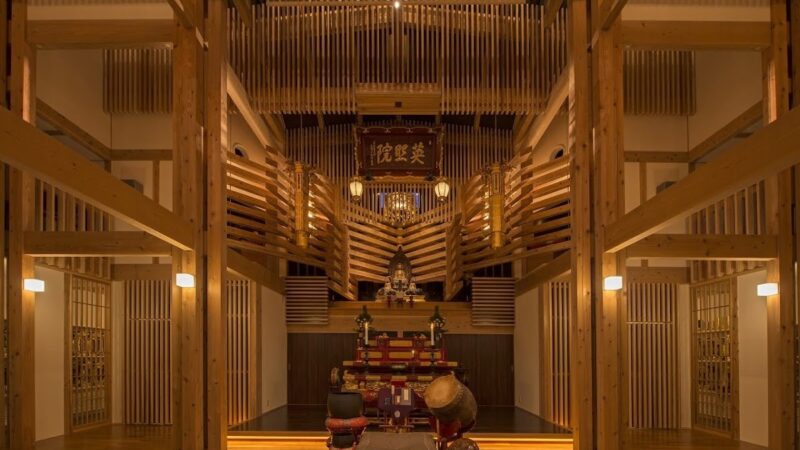
Inside the Jionji Terrace, a large-format graphic of the “Jionji Temple Landscape” is displayed on an entire wall (approximately 3m x 3m), allowing visitors to visually understand the temple’s appearance during its heyday.
A 65-inch large-screen monitor shows the “Jionji Temple Walking Guidance,” providing information on recommended walking routes within the historic Jionji Temple grounds, the latest highlights, and safety information.
Furthermore, impressive video exhibits, including projection mapping and a large theater, are available, making it enjoyable for families.
Dining Facilities: “Tera Soba” and “Tera Cafe”
Jionji Terrace also features “Tera Soba” and “Tera Cafe” as dining options. Enjoy dishes and sweets made with local ingredients, making it perfect for a break during your stroll.
Please note that the cafe is closed on the second Tuesday of each month. Enjoy local flavors while reflecting on the history of Jionji Temple.
Grounds and Highlights of Jionji Temple, Saitama
12th Temple of the Bando Thirty-Three Kannon Pilgrimage
Jionji Temple in Saitama City, Saitama Prefecture, is the 12th temple of the Bando Thirty-Three Kannon Pilgrimage, attracting many pilgrims. Its principal image, the Thousand-Armed Kannon Bodhisattva, has long been a center of faith.
As a Kannon pilgrimage site, Jionji Temple was widely known among ordinary people from the Edo period onward, and it was constantly visited by pilgrims. Even today, people on the pilgrimage visit and quietly offer their prayers.
Main Hall and Cultural Assets
The main hall of Jionji Temple is a valuable building that retains the architectural style of the Edo period. Inside, many Buddhist statues are enshrined, including the principal image of the Thousand-Armed Kannon.
Throughout the temple grounds are scattered stone Buddha statues and monuments that evoke a sense of history, conveying the depth of faith of the past.
Major Annual Events and Festivals
Events at Honzan Jionji Temple (Yamagata)
Honzan Jionji Temple holds various religious events throughout the year.
In January, the temple is bustling with many visitors for the first shrine visit of the year and New Year’s memorial services. Memorial services for ancestors are held during the Spring Equinox and Autumn Equinox.
In summer, a memorial service for hungry ghosts is held, and in autumn, memorial services to give thanks for the harvest and events such as autumn foliage illuminations are sometimes planned.
2024, in particular, marks the 1200th anniversary of the temple’s founding, and there is a possibility of special commemorative events being planned. It is recommended to check the official website and social media for the latest information before visiting.
Events at Jionji Temple (Saitama)
Jionji Temple in Saitama also holds memorial services and festivals throughout the year as a sacred site for Kannon (Goddess of Mercy). Many visitors come, especially on Kannon’s festival days.
Access Information
Access to Honzan Jionji Temple (Sagae City, Yamagata Prefecture)
Access by Train and Bus
- Approximately 10 minutes by car or taxi from JR Sagae Line “Sagae Station”
- Buses also run from Sagae Station; get off at “Jionji” bus stop and it’s a short walk.
Access by Car
- Approximately 10 minutes from Yamagata Expressway “Sagae IC”
- Parking is available around Jionji Terrace.
Address: Jionji area, Sagae City, Yamagata Prefecture
Access to Jionji Temple (Saitama City, Saitama Prefecture)
Access by Train
- Approximately 20 minutes on foot or bus from Tobu Noda Line “Iwatsuki Station”
- Approximately 5 minutes by taxi from Iwatsuki Station
Access by Car
- Approximately 15 minutes from Tohoku Expressway “Iwatsuki IC”
- Parking available (limited spaces; public transportation is recommended during peak hours).
Address: Jionji, Iwatsuki-ku, Saitama City, Saitama Prefecture
Nearby Tourist Attractions
Around Honzan Jionji Temple (Yamagata Prefecture)
Sagae Onsen
A hot spring resort located about 10 minutes by car from Jionji Temple. It boasts excellent day-trip bathing facilities, perfect for relaxing after a visit.
Sagae City Cherry Blossom Hall
A facility themed around Yamagata’s famous cherries. It’s bustling with tourists during cherry-picking season (around June).
Mogami River
One of Japan’s three major rapid rivers. Enjoy driving along the river or taking a boat trip.
Around Jionji Temple (Saitama Prefecture)
Iwatsuki Castle Ruins Park
A park developed on the site of Iwatsuki Castle. Also known as a famous cherry blossom viewing spot.
Iwatsuki Doll Museum
Iwatsuki is famous as a town of dolls. This is a valuable facility where you can learn about Japanese doll culture.
Omiya Bonsai Art Museum
A rare museum specializing in bonsai, even on a global scale. You can experience the depth of Japanese culture.
Nearby Gourmet Spots
Around Motoyama Jionji Temple (Yamagata)
Soba Restaurants
The Sagae area has many restaurants serving Yamagata’s specialty, Itasoba (buckwheat noodles served on a wooden board). Besides “Tera Soba” at Jionji Terrace, we recommend visiting other highly-rated local soba restaurants.
Cherry Sweets
As this is a cherry-producing region, there are many cafes where you can enjoy sweets made with fresh cherries.
Local Cuisine
There are also plenty of restaurants and eateries serving Yamagata’s local cuisine, such as Imoni (taro stew) and Tamakonnyaku (konjac balls).
Around Jionji Temple (Saitama)
Iwatsuki’s Long-Established Japanese Confectionery Shops
Iwatsuki has many historic Japanese confectionery shops, perfect for souvenirs after visiting the temple.
Eel Dishes
Saitama Prefecture is famous for its eels. There are many delicious eel restaurants around Iwatsuki.
Accommodation Information
Around Honzan Jionji Temple (Yamagata)
Sagae Onsen Ryokans and Hotels
Within a 10-minute drive from Jionji Temple, there are many hot spring inns and business hotels. You can relax and unwind in the hot springs while preparing for sightseeing the next day.
Hotels in Yamagata City
Approximately 30 minutes by car from the center of Yamagata City. There are more accommodation options available.
Around Jionji Temple (Saitama)
Business Hotels near Iwatsuki Station
There are reasonably priced business hotels around Iwatsuki Station.
Hotels in the Omiya Area
Omiya Station offers a variety of accommodations, and Iwatsuki is easily accessible by train in about 20 minutes.
Points to Note When Visiting Temples
Dress Code and Manners
When visiting temples, avoid revealing clothing and opt for modest attire. Behave quietly within the temple grounds and be considerate of other visitors.
Photography is generally permitted, but it may be prohibited inside halls or of Buddha statues. Always check the signs and ask a staff member if you are unsure.
Visiting Hours and Admission Fees
Both Honzan Jionji (Yamagata) and Jionji (Saitama) may have set visiting hours and admission fees. These may change depending on the season and events, so it is recommended to check the latest information on the official website before visiting.
Checking the operating hours of Jionji Terrace (Yamagata) in advance will also help ensure a smooth visit.
Considerations Regarding Weather and Season
Jionji in Yamagata experiences snowfall during the winter. Those unfamiliar with driving on snowy roads should exercise particular caution when visiting during the winter. Also, the walking paths within the temple grounds can become difficult to navigate due to snow and ice, so wearing appropriate footwear is recommended.
In summer, bring a hat and drinks to prevent heatstroke.
Summary
Jionji Temple is an ancient temple with over a thousand years of history, located in Sagae City, Yamagata Prefecture, and Saitama City, Saitama Prefecture.
The main Jionji Temple in Yamagata boasts a history of over 1200 years, making it one of the largest temples in the Tohoku region. Its former grounds, a nationally designated historical site, its collection of valuable Buddhist statues from the Heian and Kamakura periods, and its beautiful scenery throughout the seasons are its main attractions. The Jionji Terrace, a comprehensive information facility, is also well-equipped, allowing visitors to learn deeply about its history and culture.
The Jionji Temple in Saitama is the 12th temple on the Bandō Thirty-Three Kannon Pilgrimage, and has welcomed many pilgrims. As an ancient Tendai sect temple, it continues to be a center of faith in the region.
All Jionji temples hold important positions in the history of Japanese Buddhism, architecture, and art. They are recommended not only for history buffs, Buddhist art enthusiasts, and pilgrims visiting Kannon temples, but also for those who want to enjoy the beauty of nature throughout the seasons and those seeking peaceful moments.
When visiting, please check access methods and visiting hours in advance and observe proper etiquette. By experiencing the long history and culture of Jionji temples, you are sure to have a enriching experience.