
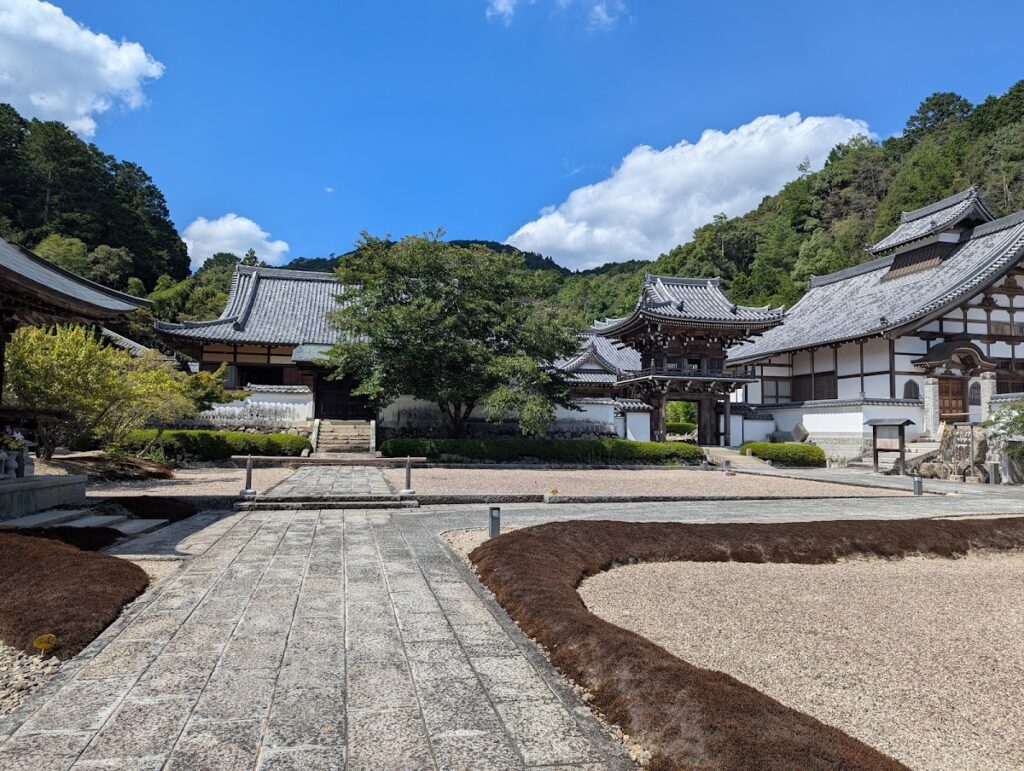
Complete Guide to Jōei-ji Temples: History, Highlights, and Access Information for Jōei-ji Temples Across Japan
There are several temples named “Jōei-ji” throughout Japan, each possessing its own unique history and cultural value. This article provides detailed explanations of the history, highlights, and access methods for three particularly famous temples: Jōei-ji Temple with its Sesshū Garden in Yamaguchi City, Jōei-ji Temple (Botamochi Temple) in Kamakura City, and Jōei-ji Temple in Setagaya Ward, Tokyo.
What is Jōei-ji Temple?
“Jōei-ji” is the name of a Buddhist temple found throughout Japan. Despite sharing the same name, each temple differs in its sect, founding date, principal image, and historical background. These temples have played important roles as centers of local faith and as cultural assets.
This article focuses on three Jōei-ji temples of particularly high historical and cultural value, detailing their unique characteristics.
Jōei-ji Temple (Yamaguchi City) – A Famous Garden Created by Sesshū
History and Origin
Jōei-ji Temple, located in Miyano-shimo Hirano, Yamaguchi City, Yamaguchi Prefecture, is a temple of the Tōfuku-ji branch of the Rinzai school of Zen Buddhism. Its mountain name is Kōzan. The most distinctive feature of this temple is the “Sesshū Garden,” said to have been created by Sesshū Tōyō, a painter-monk of the Muromachi period.
The origins of Jōei-ji Temple date back to Kōshō 1 (1455). At that time, Ōuchi Masahiro, the daimyo of Suō Province, converted his villa into a temple to mourn the passing of his mother, Myōkiji-dono Sōoka Myōshō Daishi, and named it “Myōkiji.” It is said that Masahiro commissioned Sesshū, the foremost painter-monk of the time, to create the garden.
Later, after the Sengoku period and during the era of the Mōri clan, the temple was renovated as the family temple of Mōri Takamoto, and its name was changed to “Jōei-ji.” This name has been passed down to the present day.
National Historic Site and Place of Scenic Beauty: Jōei-ji Temple Garden (Sesshū Garden)
The Jōei-ji Temple Garden was designated a national historic site and place of scenic beauty in 1926 (Taisho 15). This garden is one of the few remaining structures definitively attributed to Sesshū and occupies an extremely important position in the history of Japanese gardens.
The garden is a pond-centered strolling garden located north of the main hall. It features artificial hills and skillfully arranged garden stones resembling Mount Fuji (Fugaku) and the Three Mountains and Five Peaks of China. While Sesshū is known as a sumi-e (ink painting) artist, he also demonstrated talent in garden design, applying his painting techniques to three-dimensional spatial composition.
The Zen-inspired composition evokes a sense of tranquility and profound spirituality in the viewer. The garden displays different expressions throughout the seasons, allowing visitors to enjoy varying beauty depending on the time of year: the fresh greenery of spring, the deep green of summer, the autumn foliage, and the snowy landscape of winter.
History of Fire and Reconstruction
In 1926 (Taisho 15), a fire broke out, resulting in the tragic destruction of all buildings except the bell tower gate and treasure house. Fortunately, however, the Sesshu Garden escaped major damage. The main hall was rebuilt in 1933 (Showa 8), and stands in its current form.
This history of fire and reconstruction is remembered as an example of the importance of cultural property preservation.
Principal Image and Temple Treasures
The principal image of Joei-ji Temple is Shakyamuni Buddha. As a Rinzai Zen temple, it also serves as a training ground for transmitting Zen teachings.
Temple treasures include materials related to Sesshu, as well as items associated with the Ouchi and Mori clans.
Access Information (Joeiji Temple, Yamaguchi City)
Location: 2001-1 Miyanoshita, Yamaguchi City, Yamaguchi Prefecture
Transportation Access:
- Approximately 20 minutes on foot from JR Yamaguchi Line “Kami-Yamaguchi Station”
- Approximately 5 minutes on foot from “Joeiji Iriguchi” bus stop (take the bus bound for Miyano from JR Yamaguchi Station)
- Approximately 20 minutes by car from Chugoku Expressway “Ogori IC”
Visiting Hours: 8:00~17:00 (may vary depending on the season)
Admission Fee: Adults 300 yen, Junior and Senior High School Students 200 yen, Elementary School Students 100 yen
Parking: Available (Free)
Highlights and Points to Note When visiting Sesshu Garden, we recommend viewing the garden from various angles. The view from the main hall and the view from the walking paths each offer different scenic beauty.
The garden is especially beautiful during the autumn foliage season (mid- to late November). Furthermore, visiting during the quiet hours of early morning will allow you to experience the spirituality of Zen more deeply.
Jōei-ji Temple (Kamakura City) – A Nichiren Buddhist Temple Affectionately Known as “Botamochi Temple”
History and Founder
Jōei-ji Temple, located in Ōmachi, Kamakura City, Kanagawa Prefecture, is a Nichiren Buddhist temple. Its mountain name is Keiunzan. This temple is widely known by the nickname “Botamochi Temple” (Peony Rice Cake Temple).
The origins of Jōei-ji Temple date back to a hermitage in the Kamakura period, but its formal establishment as a temple was in Keichō 11 (1606). Nichiyū-ni was the founder, and Nichishō Shōnin was the first abbot.
Origin of “Botamochi Temple”
The origin of Jōei-ji Temple being called “Botamochi Temple” is based on a legend related to Nichiren Shōnin.
On September 12, 1271 (Bun’ei 8), Nichiren Shonin was scheduled to be executed at Tatsunokuchi (Ryūguchi). It is said that on his way to the execution grounds, a woman named Sajiki no Ama (a nun from the viewing platform) offered him sesame rice cakes (botamochi).
Miraculously, Nichiren Shonin was spared execution (the Tatsunokuchi Persecution). Because of this event, in honor of Sajiki no Ama’s faith and offering, a temple built on the site of her hermitage came to be known as “Botamochi Temple” (Botamochi Temple).
Principal Image and Faith
The principal image of Jōei-ji Temple is the Three Treasures and the Founding Masters. Based on the teachings of the Nichiren sect, the temple has attracted local faith as a center of faith in the Lotus Sutra.
Every year on September 12th, a memorial service is held to commemorate Nichiren Shonin and the offering of the botamochi, and botamochi are sometimes offered to worshippers.
Access Information (Joeiji Temple, Kamakura City)
Location: 1-12-11 Omachi, Kamakura City, Kanagawa Prefecture
Transportation Access:
- Approximately 12 minutes on foot from the East Exit of Kamakura Station on the JR Yokosuka Line
- Approximately 8 minutes on foot from Wadazuka Station on the Enoshima Electric Railway
Visiting Hours: Grounds are freely accessible (the interior of the main hall is usually closed to the public)
Admission Fee: Free
Parking: None (use nearby coin-operated parking lots)
Nearby Attractions
The Omachi area of Kamakura City has many temples in addition to Joeiji Temple. Many Nichiren Buddhist temples, such as Myohonji, Ankokuronji, and Myohoji, are concentrated in this area, and pilgrimage routes visiting multiple temples as part of a “Nichiren Shonin Pilgrimage” are popular.
Furthermore, its convenient location within walking distance of Kamakura Station makes it an easily accessible temple as part of a Kamakura sightseeing trip.
Joei-ji Temple (Setagaya Ward, Tokyo) – A Jodo Shinshu Buddhist Temple in Karasuyama Temple Town
History and Overview
Located in Kita-Karasuyama, Setagaya Ward, Tokyo, Joei-ji Temple is a Jodo Shinshu Honganji-ha (Nishi Honganji) temple. It upholds the teachings of Shinran Shonin and transmits the Jodo Shinshu faith, which relies on the vow of Amida Buddha.
Karasuyama Temple Town in Setagaya Ward is known as an area where many temples relocated after the Great Kanto Earthquake. Joei-ji Temple, as one of the temples in this temple town, plays a central role in the region’s faith and culture.
About Karasuyama Temple Town
Karasuyama Temple Town is an area with a unique landscape, home to approximately 26 temples. After the Great Kanto Earthquake of 1923, temples from various parts of Tokyo relocated to this area as part of Tokyo City’s reconstruction plan.
This area, with its concentration of numerous temples in a small area, exudes a unique atmosphere as “Tokyo’s Temple Town.” Well-maintained walking paths allow visitors to enjoy temple hopping.
Principal Image and Teachings
The principal image of Jōei-ji Temple is Amida Buddha. Based on the teachings of Jōdo Shinshū Buddhism, it conveys the belief that by chanting “Namu Amida Butsu,” rebirth in the Pure Land is promised through the power of Amida Buddha’s original vow.
The teachings of Shinran Shōnin center on the idea of salvation through the power of others, where everyone is equally saved, and this teaching is carefully preserved at Jōei-ji Temple.
Access Information (Joeiji Temple, Setagaya Ward)
Location: 4-13-1 Kitakarasuyama, Setagaya-ku, Tokyo
Transportation Access:
- Approximately 15 minutes on foot from the North Exit of Chitose-Karasuyama Station on the Keio Line
- Approximately 12 minutes on foot from Rokakoen Station on the Keio Line
- Immediately after alighting at the Teramachi bus stop
Opening Hours: Daytime (Please inquire with the temple for details)
Admission Fee: Free
Parking: Available (Limited number of spaces)
Temple Activities and Events
Joeiji Temple holds various Buddhist services and events throughout the year. Major annual events include the spring and autumn equinox services, the Obon memorial service, and the Hoonko (memorial service on the anniversary of Shinran Shonin’s death).
In addition, Buddhist lectures and Dharma talks are held regularly, engaging in activities to spread Buddhist teachings to the local community.
Guidelines for Visiting Jōei-ji Temple
Etiquette for Visiting Temples
When visiting a temple, please observe the following basic manners:
- Dress Code: Avoid revealing clothing and wear modest attire.
- Photography: Do not photograph areas where photography is prohibited, or of Buddhist statues. If unsure, please confirm.
- Quietness: Please be quiet on the temple grounds and be considerate of other visitors.
- Smoking and Eating: Please refrain from smoking and drinking outside of designated areas.
- Offerings: While not mandatory, please offer with gratitude.
Understanding Differences Between Sects
The three Jōei-ji temples introduced in this article belong to different sects:
- Jōei-ji Temple, Yamaguchi City: Rinzai Zen sect, Tōfuku-ji branch (Zen Buddhism)
- Jōei-ji Temple, Kamakura City: Nichiren sect (Hokke sect)
- Jōei-ji Temple, Setagaya Ward: Jōdo Shinshū Honganji branch (Jōdo sect)
Since each sect has different methods of worship and doctrines, understanding the characteristics of each before visiting will allow for a deeper experience.
Cultural Value of Jōei-ji Temples
Historical Significance
Jōei-ji temples throughout Japan are deeply intertwined with the history of their respective regions. The Jōei-ji Temple in Yamaguchi City tells the history of the Ōuchi and Mōri clans, two powerful warlords of the Sengoku period; the Jōei-ji Temple in Kamakura City traces the footsteps of Nichiren Shōnin; and the Jōei-ji Temple in Setagaya Ward tells the history of Tokyo’s modern urban development.
Artistic Value
In particular, the Sesshū Garden at Jōei-ji Temple in Yamaguchi City is highly regarded both domestically and internationally as one of the pinnacles of Japanese garden art. The garden, a fusion of Sesshū’s aesthetic sensibilities and the spirituality of Zen, continues to inspire many people across generations.
Value as a Place of Worship
What all Jōei-ji Temples have in common is their long history of supporting the faith of local people. Even today, these temples function not merely as tourist destinations, but as living places of worship.
Recommended Jōei-ji Temple Tours
Model Course
A trip visiting Jōei-ji Temples throughout Japan is a valuable experience in discovering the unique charm of each temple.
A Tour of Jōeiji Temples in Yamaguchi, Kamakura, and Tokyo:
- Day 1: Admire the Sesshū Garden at Jōeiji Temple in Yamaguchi City, and enjoy sightseeing in Yamaguchi City.
- Day 2: Visit Jōeiji Temple and surrounding Nichiren Buddhist temples in Kamakura City.
- Day 3: Explore Jōeiji Temple and Karasuyama Temple Town in Setagaya Ward.
Seasonal Ways to Enjoy
Spring (March-May): Beautiful fresh greenery and mild weather, perfect for visiting.
Summer (June-August): Deep green gardens, Obon memorial services, etc.
Autumn (September-November): Beautiful autumn leaves, and a memorial service related to Nichiren Shonin on September 12th in Kamakura.
Winter (December-February): Snowscapes (Yamaguchi), tranquil atmosphere.
Materials and Research on Jōeiji Temple
Academic Research
In particular, the Sesshu Garden at Jōei-ji Temple in Yamaguchi City has been studied by many researchers from the perspectives of garden history, art history, and architectural history. It is an important subject of research in areas such as Sesshu’s garden design techniques, the characteristics of Zen Buddhist gardens, and the study of Ōuchi culture.
Cultural Property Designation
- Jōei-ji Temple Garden, Yamaguchi City: National Historic Site and Place of Scenic Beauty (designated in 1926)
- Jōei-ji Temple, Kamakura City: Recognized as a historical building of the city
- Jōei-ji Temple, Setagaya Ward: Designated as a regional cultural property as a constituent temple of Karasuyama Temple Town
Summary
While sharing the same name “Jōei-ji Temple,” the Jōei-ji Temples in Yamaguchi City, Kamakura City, and Setagaya Ward each possess their own unique history and characteristics.
Jōei-ji Temple in Yamaguchi City, a Zen temple boasting a famous garden designed by Sesshū; Jōei-ji Temple in Kamakura City, known as the “Botamochi Temple” associated with Nichiren Shōnin; and Jōei-ji Temple in Setagaya Ward, a Jōdo Shinshū temple in Karasuyama Teramachi, each play a central role in the local culture and faith.
Visiting these temples will be a valuable opportunity to experience the diversity and depth of Japanese Buddhist culture. The time spent calming your mind in the tranquil temple grounds, while reflecting on history, will be a precious experience in today’s society.
We hope that through your visit to Jōei-ji Temple, you will connect with traditional Japanese culture and spirituality and find inner peace. For detailed information and the latest visiting information for each temple, we recommend checking their official websites or contacting them before your visit.

