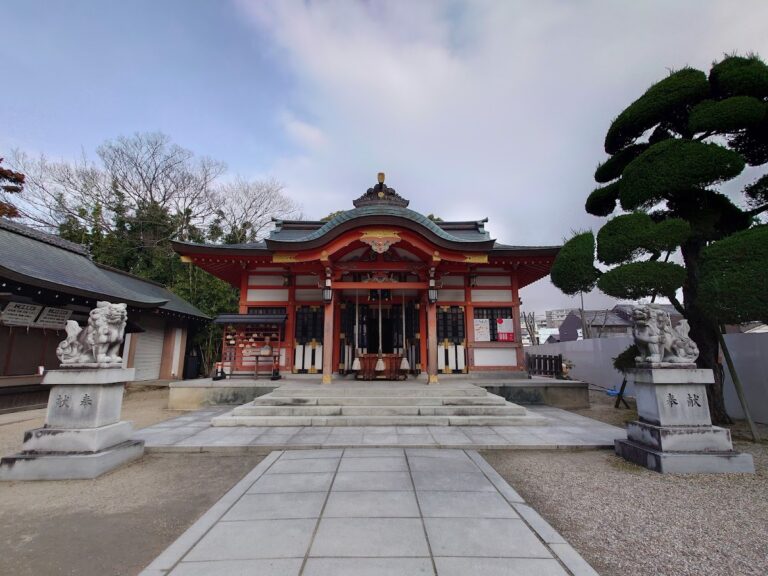
Complete Guide to Yogenji Temples | History, Origins, Goshuin (Temple Seals), and Access Information for 5 Locations Nationwide
What is Yogenji Temple?
Yogenji is the name of several temples located throughout Japan. Despite sharing the same name, each temple belongs to a different Buddhist sect and possesses its own unique history and origins. Major Yogenji temples include a Koyasan Shingon Buddhist temple in Katsuragi City, Nara Prefecture; a Soto Zen Buddhist temple in Mihama Town, Chita District, Aichi Prefecture; and Jodo Shinshu Honganji-ha temples in Yuzawa City, Akita Prefecture, Toyama City, Toyama Prefecture, and Gifu City, Gifu Prefecture. Each is a beloved place of worship deeply rooted in its local community.
This article provides detailed information on the history, origins, principal image, cultural properties, annual events, and access methods for each Yogenji temple. This comprehensive guide is useful for those considering a visit or interested in temple research.
Yōgenji Temple (Katsuragi City, Nara Prefecture) – An Ancient Temple on Mount Kakimoto
Overview and Basic Information
Located in Katsuragi City, Nara Prefecture, Kakimoto-san Yōgenji Temple is a historic temple belonging to the Koyasan Shingon sect. Situated in a scenic location at the foot of Mount Katsuragi in Yamato, it has a distinctive location where its grounds are adjacent to and connected to Kakimoto Shrine.
Basic Data:
- Mountain Name: Kakimoto-zan
- Sect: Koyasan Shingon Buddhism
- Principal Image: Wooden Eleven-faced Kannon Bodhisattva Standing Statue
- Founded: 855 (Saiko 2) or 858 (Ten’an 2)
- Founder: Shinzei Shonin
- Location: Katsuragi City, Nara Prefecture
History and Origin
According to temple tradition, Kagegenji Temple was founded in 855 (Saiko 2) or 858 (Ten’an 2) by Shinzei Shonin, one of Kobo Daishi Kukai’s most prominent disciples. Shinzei Shonin is known as a high-ranking priest who served as the chief priest of Jingoji Temple (present-day Ukyo-ku, Kyoto City).
Interestingly, even before Kagegenji Temple was founded, there was a Kakimoto Shrine in this area dedicated to Kakinomoto no Hitomaro, a famous poet of the Manyoshu anthology. According to one theory, Shinzei Shonin was a second cousin of Kakinomoto no Hitomaro. It is said that he built Kagegenji Temple to mourn Kakinomoto no Hitomaro, who is believed to have led a difficult life, and as a temple protecting the Kakimoto Shrine, which enshrines the deified Kakinomoto no Hitomaro.
Due to this history, Kagegenji Temple functioned as the head temple of Kakimoto Shrine, and during the era of syncretism of Shinto and Buddhism, the two were united in attracting worshippers. Even today, the grounds of the shrine and temple are connected, strongly retaining the traces of this syncretism.
Buddhist Statues and Treasures
The wooden standing statue of the Eleven-Headed Kannon Bodhisattva, the principal image of Kagegenji Temple, is an important cultural asset that tells the history of the temple. The Eleven-Headed Kannon is worshipped as a compassionate Buddha who looks out in all directions to save all sentient beings, and its enshrinement as the principal image makes it the spiritual center of the temple.
The temple also houses other historically valuable Buddhist statues and treasures, and it is believed that it also preserves Shingon Esoteric Buddhism ritual implements and ancient documents. These cultural artifacts are a valuable legacy that conveys the religious and cultural role that Kagegenji Temple has played throughout its long history.
Annual Event: Chinponkan Festival
The most famous event at Kagegenji Temple is the Chinponkan Festival, held annually in April in collaboration with Kakimoto Shrine. This festival, with its unique name, is a traditional event associated with Kakinomoto no Hitomaro and attracts many worshippers.
The name of the festival is said to originate from the fact that Kakinomoto no Hitomaro is revered as the god of waka poetry, and people visit to pray for improvement in language, literature, and scholarship. This festival, held jointly by the shrine and the temple, can be considered a valuable cultural event that conveys the tradition of syncretism between Shinto and Buddhism to the present day.
Visiting Information and Access
The nearest stations to Kagegenji Temple are Shinobi Station on the Kintetsu Gosho Line or Shakudo Station on the Kintetsu Minami-Osaka Line. While it’s accessible by taxi or on foot from the stations, its location at the foot of Mt. Katsuragi makes visiting by car convenient.
The temple grounds are connected to Kakimoto Shrine, allowing visitors to experience the history and culture of Shinto-Buddhist syncretism by visiting both. The quiet mountainside environment is ideal for a peaceful and serene visit.
Kagegenji Temple (Mihama Town, Aichi Prefecture) – A Temple Affectionately Known as Tokishi Kannon
Overview and Basic Information
Kagegenji Temple, located in Mihama Town, Chita District, Aichi Prefecture, is a Soto Zen temple affectionately known locally as “Tokishi Kannon.” Situated on a hill overlooking Mikawa Bay, it boasts a unique history deeply connected to the sea.
Basic Data:
- Mountain Name: Jiunzan
- Sect: Soto Zen
- Principal Image: Shakyamuni Buddha, Eleven-faced Kannon
- Founded: Eisho 1 (1504)
- Alternate Name: Tokishi Kannon
- Location: 86 Tokishi Minamihirai, Mihama-cho, Chita-gun, Aichi Prefecture
History and Legend of Kannon
The history of Kagegenji Temple is adorned with a mystical legend related to the sea. Long ago, an Eleven-faced Kannon statue was caught in the net of a fisherman fishing in Mikawa Bay, and the statue was enshrined on Sakushima Island.
However, when an epidemic later broke out on the island, Kannon Bodhisattva appeared in the dream of the island’s guardian, and it is said that the statue was moved to its current location in Tokishi. This legend of Kannon appearing from the sea represents a form of faith unique to the Chita Peninsula, which has a deep connection to the sea.
The Kannon Hall houses the legendary Eleven-Faced Kannon statue, which attracts many worshippers seeking maritime safety and safe childbirth.
128 Stone Steps and a Spectacular View
One of the most distinctive features of Kagegenji Temple is the 128 stone steps leading to the temple grounds. Located on a hill close to the sea, climbing these steps and looking back reveals a magnificent view of Mikawa Bay.
The stone steps of the approach to the temple are also a place of spiritual practice, allowing one to compose oneself with each step. The view of the sea from the top is a majestic sight that evokes the legend of Kannon emerging from the sea. The view is especially stunning on a clear day, making it a popular spot for photography.
Kannon for Safe Childbirth
Kagegenji Temple, known as Tokishi Kannon, is particularly famous for prayers for safe childbirth. The Eleven-Faced Kannon is often worshipped as a deity of fertility and safe childbirth, and many pregnant women and families visit the Kannon statue at Kagegenji Temple to pray for a safe delivery.
Affectionately known as “Tokishi no Kannon-sama” by the local people, it has been revered for generations as a guardian of family safety and health. Amulets and talismans are also available, and the temple sees a constant stream of visitors praying for safe childbirth.
Visiting Information and Access
The nearest stations to Kagegenji Temple are Chita-Okuda Station or Uenoma Station on the Meitetsu Chita Shinsen Line. From the stations, access is by bus, taxi, or on foot. For those traveling by car, the Minami-Chita Expressway is convenient.
The temple grounds have a parking lot, and consideration has been given to visitors who are not confident in their ability to climb the 128 stone steps. Visiting the temple while enjoying the view of Mikawa Bay will be a refreshing experience for both mind and body.
Other Kagegenji Temples
Kagegenji Temple (Yuzawa City, Akita Prefecture)
In Yuzawa City, Akita Prefecture, there is a Kagegenji Temple belonging to the Jodo Shinshu Honganji sect. As a Jodo Shinshu temple, it enshrines Amida Buddha as its principal deity and serves as a center for spreading the teachings of Nembutsu (recitation of Amida Buddha’s name). Located in Yuzawa City, a heavy snowfall area, the temple has served as a spiritual anchor for the local residents.
It also functions as a temple that conducts Buddhist services such as funerals and memorial services, and is a presence that accompanies people at important milestones in their lives. For detailed history and origins, you can obtain more in-depth information by contacting the temple directly.
Kagegenji Temple (Toyama City, Toyama Prefecture)
There is also a Kagegenji Temple belonging to the Jodo Shinshu Honganji sect in Toyama City, Toyama Prefecture. Toyama is known as a region with particularly strong Jodo Shinshu faith, and Kagegenji Temple plays a part in this.
This temple functions as a center of local Buddhist culture, conveying the spirit of “reliance on the power of others” (tariki hongan) and maintaining strong ties with its followers. It spreads its teachings through Dharma talks and Buddhist events.
Kagegenji Temple (Gifu City, Gifu Prefecture)
Kagegenji Temple, located in Gifu City, Gifu Prefecture, is also a temple of the Jodo Shinshu Honganji sect. Despite its urban location in Gifu City, it fulfills the role of a traditional Shinshu temple.
Even amidst increasing urbanization, it maintains its function as a temple, serving as a place to convey Buddhist teachings to people living in modern society. In addition to memorial services and funerals, it may also offer Buddhist lectures and cultural activities.
Guidelines for Visiting Kagegenji Temple
Understanding Differences Between Sects
While there are multiple Kagegenji temples throughout Japan, it is important to understand that each belongs to a different sect. The doctrines and worship practices differ among the Koyasan Shingon sect, the Soto sect, and the Jodo Shinshu Honganji sect.
Shingon Buddhism is characterized by esoteric practices and incantations, while Soto Zen Buddhism emphasizes meditation. Jodo Shinshu Buddhism teaches salvation through chanting the Buddha’s name, giving it a distinct characteristic from other sects. When visiting temples, it is advisable to understand the sect of each temple and worship with appropriate etiquette.
About Goshuin (Temple Seals)
Collecting goshuin is one of the joys of visiting temples. Many temples, including Kagegenji, offer goshuin. In particular, Kakimotoyama Kagegenji in Katsuragi City, Nara Prefecture, and Tokishi Kannon in Mihama Town, Aichi Prefecture, are thought to offer unique goshuin.
When receiving a goshuin, it is considered good manners to respectfully request it at the goshuin office after completing your prayers. Bringing a goshuin book and learning about the temple’s history and origins will lead to a deeper pilgrimage experience.
Participation in Annual Events
Each Kagegenji temple holds various events throughout the year. Participating in special events like the “Chinponkan Festival” in Katsuragi City, Nara Prefecture, allows for a deeper understanding of the temple’s history and local culture.
Event dates and details can be found on each temple’s official website or in local tourist information. It is recommended to gather information in advance and plan your visit accordingly.
Kagegenji Temple and Local Culture
The Tradition of Shinto-Buddhist Syncretism
Kagegenji Temple in Katsuragi City, Nara Prefecture, in particular, strongly retains the tradition of Shinto-Buddhist syncretism in its relationship with Kakimoto Shrine. Before the Meiji-era separation of Shinto and Buddhism, a unique form of faith that fused Shinto and Buddhism was common in Japan.
Jinguji temples like Kagegenji played a role in protecting shrines and performing Buddhist-style memorial services for the gods. The fact that the grounds of shrines and temples are still connected today speaks to this historical background. Kagegenji Temple can be considered a valuable example for understanding Japanese religious culture.
Maritime Worship and Kannon
Kagegenji Temple (Tokishi Kannon) in Mihama Town, Aichi Prefecture, is an interesting example of the connection between maritime worship and Buddhism. The legend of Kannon appearing from the sea reflects the faith of people who live by the sea.
In the Chita Peninsula, where fishing is thriving, a belief in maritime safety and abundant catches has existed since ancient times. The combination of Buddhist Kannon worship and local maritime worship formed a unique folk belief. Understanding such regional forms of belief leads to an understanding of the diversity of Japanese religious culture.
Connection to Literature
Kagegenji Temple in Katsuragi City, Nara Prefecture, also holds literary historical significance due to its connection with the Manyoshu poet Kakinomoto no Hitomaro. Kakinomoto no Hitomaro is one of the most important poets in the history of Japanese literature, and Kagegenji Temple, built as a temple associated with a shrine dedicated to him, is a place that shows the intersection of literature and religion.
The fact that the “Chinponkan Festival” developed as a festival praying for improvement in language and learning is not unrelated to this literary background. It demonstrates that temples functioned not merely as religious facilities, but also as centers of culture.
Practical Guide to Visiting Kagegenji Temples
Best Time to Visit
While visits to each Kagegenji temple are possible throughout the year, each temple has its own optimal time for visiting.
Kagegenji Temple in Katsuragi City, Nara Prefecture, is most lively during the “Chinponkan Festival” in April. Spring cherry blossoms and autumn foliage are also excellent times to visit, allowing you to enjoy the natural beauty of the Katsuragi Mountain foothills.
Kagegenji Temple (Tokishi Kannon) in Mihama Town, Aichi Prefecture, requires climbing 128 stone steps, making spring and autumn, with their pleasant weather, the best times to visit. Summer can be hot, and winter can be windy, so it’s recommended to check the weather before visiting. However, the view of Mikawa Bay on a clear day is magnificent regardless of the season. ### Estimated Time and Combined Sightseeing
The time required for a visit to Kagegenji Temple alone varies depending on the size of the grounds, but it’s advisable to allow 30 minutes to an hour.
When visiting Kagegenji Temple in Katsuragi City, Nara Prefecture, visiting the adjacent Kakimoto Shrine at the same time will allow you to gain a deeper understanding of the history of Shinto-Buddhist syncretism. Katsuragi City also has other famous temples such as Taima-dera Temple, which can be incorporated into a temple-hopping route. Combining it with a hike up Mount Katsuragi is also recommended.
Kagegenji Temple in Mihama Town, Aichi Prefecture, can be visited as part of a Chita Peninsula sightseeing trip. The Chita Peninsula has many temples and shrines, and there is also a pilgrimage route for the “Chita Shikoku Eighty-Eight Sacred Sites.” Combining a visit with Mihama Town’s coastline and seafood cuisine is also an attractive sightseeing plan.
Photography and Manners
While photography of the temple grounds and architecture is generally permitted, there may be restrictions on photographing the interior of the main hall or Buddhist statues. Before taking photos, please check with temple staff or review any posted notices.
Especially during religious services or prayers, it is considered good manners to refrain from taking photos or to do so quietly. Please be considerate of other visitors and take care not to damage the dignity of the temple when posting on social media.
Admission Fees and Donations
Many Kagegenji temples do not require an admission fee for regular visits, but there may be fees for special viewings or viewing of treasures. Also, when receiving a Goshuin (temple stamp) or amulet, a prescribed offering or donation is required.
Maintaining a temple incurs significant costs, so making an offering or donation during your visit is important in supporting the temple. There is no set amount, but it is important to offer with gratitude.
Summary
There are several temples named Kagegenji throughout Japan, each with its own unique history and traditions. Kakimotoyama Kagegenji Temple in Katsuragi City, Nara Prefecture, is a valuable temple that preserves its connection to Kakinomoto no Hitomaro and the tradition of syncretism between Shinto and Buddhism. Kagegenji Temple (Tokishi Kannon) in Mihama Town, Aichi Prefecture, is known for the legend of Kannon appearing from the sea and its spectacular views of Mikawa Bay.
Furthermore, there are Kagegenji Temples of the Jodo Shinshu Honganji sect in Yuzawa City, Akita Prefecture, Toyama City, Toyama Prefecture, and Gifu City, Gifu Prefecture, each functioning as a center of faith in its respective region.
When visiting any Kagegenji Temple, it is important to understand the temple’s sect and history and to worship with appropriate etiquette. Understanding its connection to the local history and culture will also lead to a deeper worship experience.
Temples are not merely tourist attractions; they are spiritual places that have supported people’s faith throughout a long history. We hope that your visit to Kagegenji Temples will allow you to feel the richness and diversity of Japanese religious culture.
We hope this article will be helpful to those planning a visit to Kagegenji Temples or those interested in Japanese temple culture. When you actually visit, please check the latest information with each temple to ensure you have a fulfilling visit.