Complete Guide to Kiyotaki-ji Temple | History, Access, and Highlights of the 35th Temple of the Shikoku 88 Temple Pilgrimage
Kiyotaki-ji Temple, the 35th temple of the Shikoku 88 Temple Pilgrimage, is an ancient temple of the Buzan branch of the Shingon sect located in Tosa City, Kochi Prefecture. Its official name is “Iōzan Kyōchiin Kiyotaki-ji,” and it is known as a famous temple for warding off evil. It boasts many attractions, including the legend of the spring water that gushed forth when Kobo Daishi practiced asceticism, and the standing statue of Yakushi Nyorai, a nationally designated important cultural property.
This article comprehensively introduces all the information necessary for pilgrims visiting Kiyotaki-ji Temple, including its history, principal image, highlights within the temple grounds, access methods, and parking information.
History and Origin of Kiyotaki-ji Temple
Founded by Gyōki
The history of Kiyotaki-ji Temple dates back to the Nara period. In 723 AD (Yōrō 7), Gyōki Bodhisattva, while traveling through various provinces, sensed a spiritual presence in this area. He personally carved a statue of Yakushi Nyorai (Medicine Buddha) as the principal image and founded the temple as “Kageyama Mitsuin Shakuhonji.” During this period, Gyōki carried out social welfare projects to help the people in various regions, and it is believed that Kiyotaki-ji Temple was founded as part of these efforts.
Kōbō Daishi’s Training and the Origin of the Temple’s Name
Later, during the Kōnin era (810-824), Kōbō Daishi Kūkai stayed at this temple. The Great Master built an altar on a rock approximately 300 meters north of the temple and performed a seven-day ritual. It is said that during this training, he prayed for a bountiful harvest and enshrined Akai Gongen and Ryūō (Dragon King).
On the day of fulfillment of his vows, Kobo Daishi struck the altar with his staff, and clear water gushed forth like a waterfall, overflowing to form a mirror-like pond. Due to this miraculous event, the temple’s name was changed to “Iōzan Seiryūji Kyōchiin.” The current temple name, “Seiryu-ji,” originates from this legend of the waterfall.
History and Present
Throughout its long history, Seiryū-ji has suffered damage from fires and wars, but has been rebuilt thanks to the faith of the local people. During the Edo period, it received protection from the Tosa Domain and flourished as a sacred site visited by many pilgrims. Even today, it remains one of the 88 temples of the Shikoku Pilgrimage, attracting many pilgrims throughout the year.
Principal Image and Cultural Properties
Standing Statue of Yakushi Nyorai (Nationally Designated Important Cultural Property)
The principal image of Seiryū-ji is a standing statue of Yakushi Nyorai, designated as a National Important Cultural Property. This Buddha statue, said to have been carved by Gyōki Bodhisattva himself, has attracted worshippers seeking healing from illness and prayers for good health. Yakushi Nyorai (Medicine Buddha) is the principal deity of the Eastern Pure Land of Lapis Lazuli, and is believed to have made twelve great vows to relieve people’s suffering from illness.
Nikkō Bodhisattva and Gekkō Bodhisattva are enshrined as attendants to Yakushi Nyorai, forming a triad. Because they are housed in a shrine, they are not usually visible to the public, but their miraculous power continues to attract the faith of many worshippers.
Bronze Mirror Images (Prefectural Designated Cultural Property)
Kiyotaki-ji Temple houses four bronze mirror images, designated cultural properties of Kochi Prefecture. These are valuable artifacts illustrating medieval religious practices, evidence of the use of mirrors as vessels for deities. They are deeply connected to the temple’s name, “Kyōchi-in,” and are important temple treasures that tell the story of Kiyotaki-ji Temple’s religious history.
Highlights of the Temple Grounds
The Sacred Water of Kiyotaki
Beside the main hall is a spring said to have sprung forth when Kobo Daishi struck it with his staff, flowing down as a small waterfall. This Kiyotaki is the sacred water from which the temple’s name originates, and it continues to flow without drying up. Visitors can purify their hands with this spring water and receive its miraculous blessings.
The spring forms a mirror-like pond, creating a beautiful landscape that reflects the surrounding trees. This pond, which changes its appearance with the seasons, offers visitors a tranquil time.
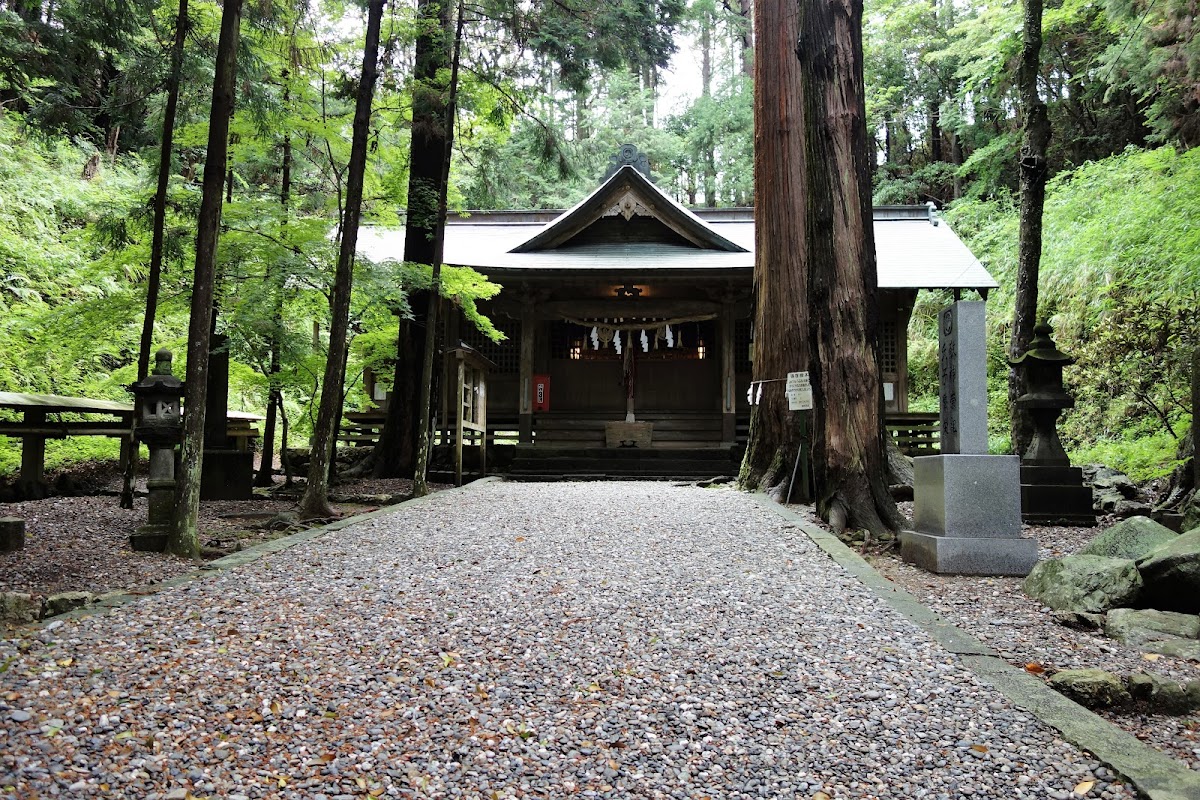
The Main Hall and Daishi Hall
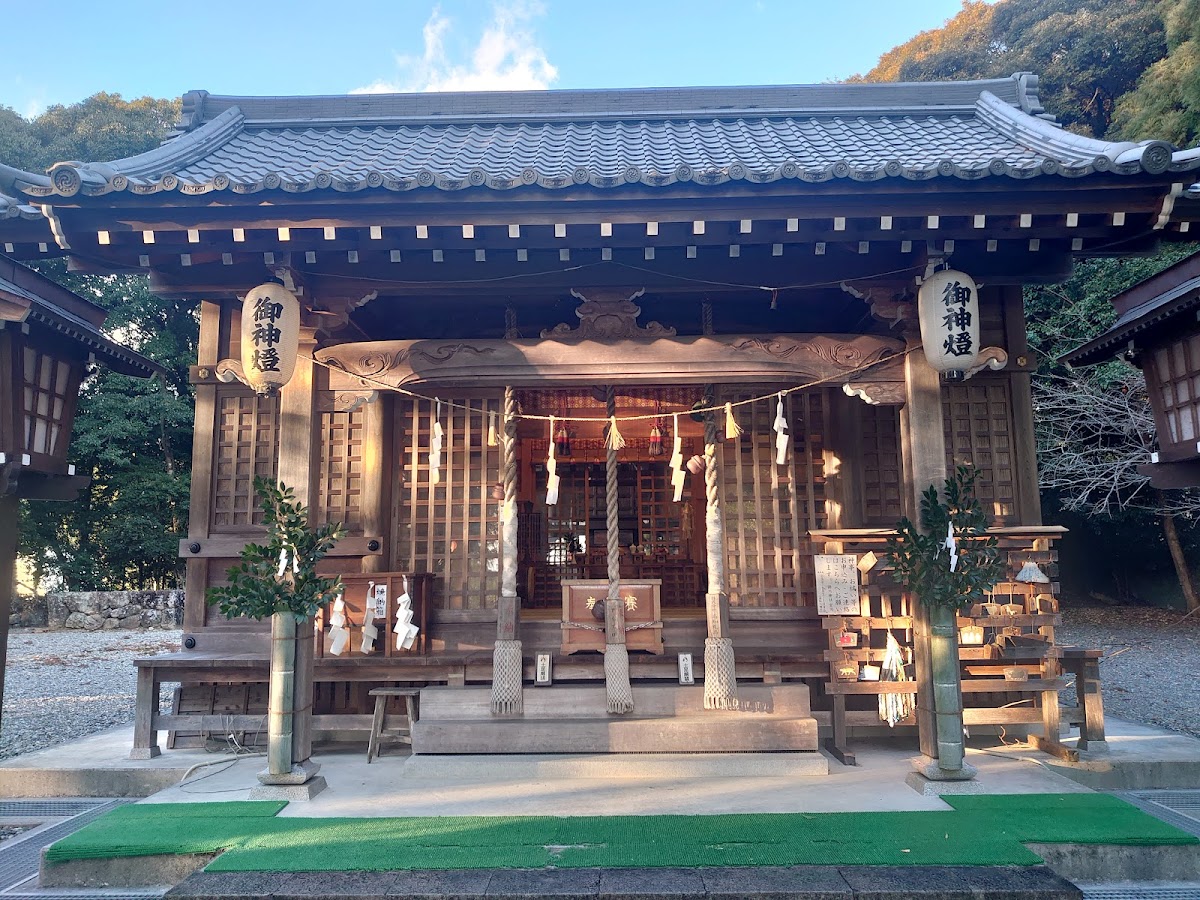
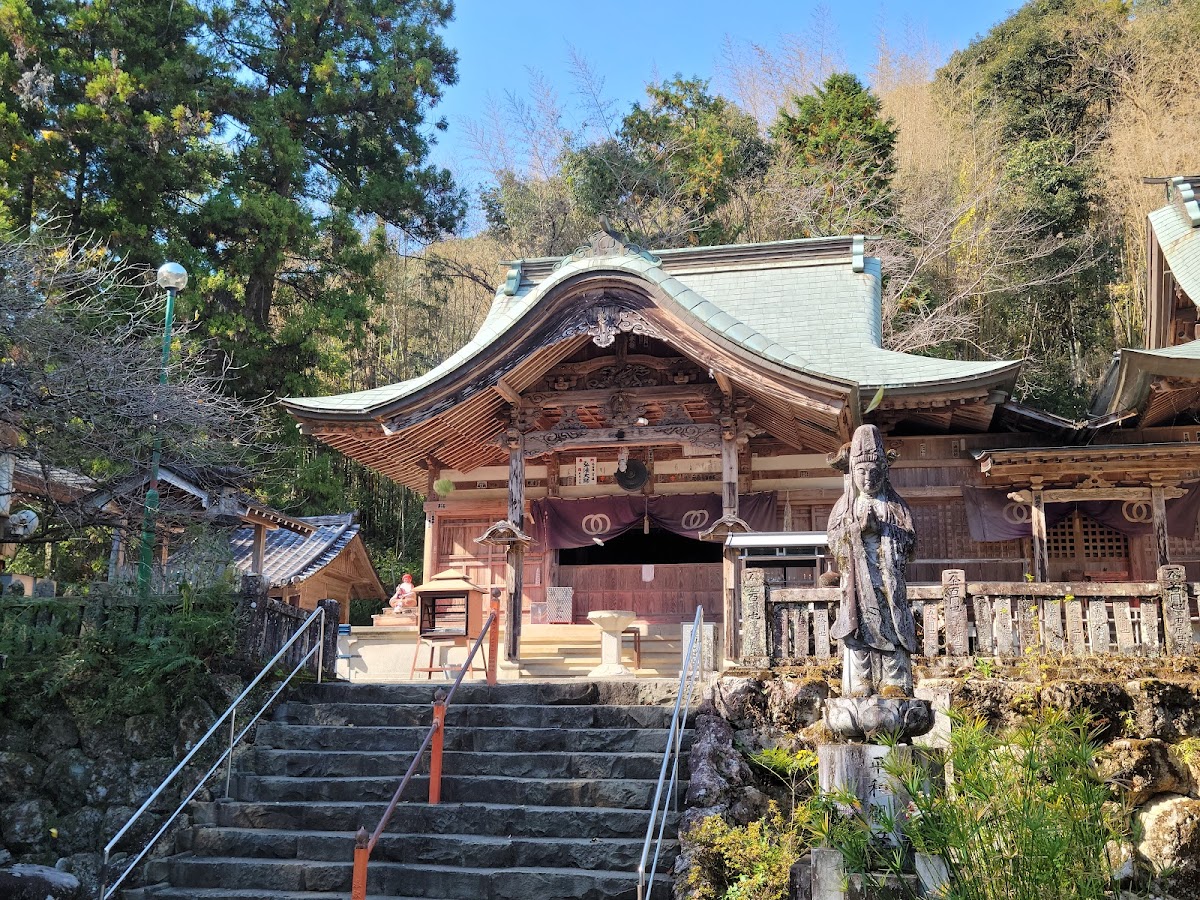
The main hall is built on the mountainside and houses a statue of Yakushi Nyorai (Medicine Buddha). Visitors can offer sutras and prayers inside the hall, and receive blessings for protection from misfortune and traffic safety. In recent years, it has become particularly known as a Yakushi for traffic safety, and the number of people visiting to pray for safe driving has increased.
The Daishido Hall houses a statue of Kobo Daishi and is a place that pilgrims always visit when receiving their sutras. The temple, nestled in a quiet mountain valley, still conveys the solemn atmosphere of a place of ascetic practice.
Approach and Natural Environment
The approach to Kiyotaki-ji Temple is a narrow mountain path winding through mandarin orange groves. The winding, sloping road, only wide enough for one car, retains the appearance of the old pilgrimage route. Climbing this path itself is part of the spiritual practice, and visitors naturally compose their minds as they make their way to the temple.
The surrounding area is rich in nature, allowing visitors to enjoy the scenery of each season. From cherry blossoms in spring, to fresh greenery in early summer, and autumn leaves in fall, the temple grounds, displaying different expressions with each season, soothe the hearts of visitors.
Faith and Benefits of Kiyotaki-ji Temple
A Famous Temple for Warding Off Evil
Kiyotaki-ji Temple has long been known as a sacred place for warding off evil. Due to the merits of Yakushi Nyorai (Medicine Buddha) and the blessings of Kobo Daishi (Kukai), this temple has attracted many worshippers seeking protection from misfortune during their unlucky years. Especially during the year of one’s main unlucky year, many visitors come to pray for protection against misfortune.
Prayers for protection against misfortune are accepted at any time, and can be made by individuals or groups. After the prayer, you will receive a protective amulet or charm.
Prayer for Traffic Safety
In recent years, Kiyotaki-ji Temple has become particularly famous as a Yakushi temple for traffic safety. In today’s car-dependent society, many people visit to pray for protection from traffic accidents, and the number of visitors seeking prayers for new car purchases and safe driving charms is increasing.
Car blessings are also performed on the temple grounds, and prayers can be received while the car is parked in the parking lot. Traffic safety stickers and charms are also popular.
Prayer for Recovery from Illness and Good Health
The principal image, Yakushi Nyorai, is the Buddha of medicine and is believed to grant blessings for recovery from illness and good health and longevity. People suffering from chronic or incurable illnesses, in particular, visit this temple seeking the blessings of Yakushi Nyorai (the Medicine Buddha).
The sacred water of Kiyotaki is also believed to be beneficial to health, and some visitors take it home to drink. While you can freely draw water, boiling is recommended before drinking.
Visiting Information and Manners
Temple Visiting Hours and Admission Fees
Temple Visiting Hours
- April to October: 7:00 AM to 5:00 PM
- November to March: 7:00 AM to 5:00 PM
Admission Fees
- Temple Grounds Admission: Free
- Temple Visiting Fee: 300 yen (Temple stamp)
- Main Image Temple Visit: 500 yen (with image)
*Please note that these hours may change depending on the season and events; it is recommended to check in advance.
Pilgrimage Etiquette
We will introduce the basic etiquette for visiting Kiyotaki-ji Temple.
- A Bow at the Temple Gate: Bow before passing through the temple gate to compose yourself.
- Purify Yourself at the Water Basin: Purify your hands and mouth before entering the temple grounds.
- Ring the Bell at the Bell Tower: Ring the bell before praying (do not ring it after receiving your sutra).
- Praying at the Main Hall: Place your votive slip, offer candles and incense, make an offering, and chant sutras.
- Praying at the Daishi Hall: Pray in the same way as at the Main Hall.
- Receive Your Goshuin (Temple Stamp) at the Sutra Office: Finally, receive your Goshuin at the Sutra Office.
Notes on the Approach to the Temple
The approach to Kiyotaki-ji Temple is narrow, and there are places where it is difficult for oncoming vehicles to pass each other. Signs soliciting donations for road repairs have been erected, and cooperation in maintaining the temple is being requested.
If you are not confident in your driving skills, please consider parking your car in the parking lot at the foot of the mountain and walking up. If walking, it takes approximately 15-20 minutes to reach the main hall.
Access Methods
Access by Car
From the Kochi Expressway
- Approximately 10 minutes (approx. 5km) from Tosa IC
- Take National Route 56 and follow the signs to the mountain road
From Kochi City
- Approximately 30 minutes west on National Route 56
- Pass through Tosa city and head towards the mountains
Car Navigation Settings
- Address: 568-1 Takaoka-cho, Tosa City, Kochi Prefecture
- Phone Number: 088-852-0316
Access by Public Transportation
Using JR
- Get off at Tosa City Station on the JR Dosan Line
- Approximately 10 minutes by taxi (approx. 3,000 yen)
- Approximately 50 minutes on foot (uphill)
Using the Bus
- There are no regular bus routes from Tosa City Station, so taking a taxi is recommended
Pilgrimage Bus Tour
- Several travel agencies operate bus tours of the Shikoku 88 Temple Pilgrimage.
- Choosing a course that includes Kiyotaki-ji Temple allows for efficient pilgrimage.
For those walking the pilgrimage
From the previous temple (No. 34, Tanemachi-ji)
- Distance: Approximately 13.5 km
- Estimated time: Approximately 3.5-4 hours
- Proceed west along National Route 56, passing through Tosa city.
To the next temple (No. 36, Seiryu-ji)
- Distance: Approximately 58 km
- Estimated time: Approximately 14-15 hours (usually walked over two days)
- Long distance section passing through Kochi city.
Parking Information
Temple Grounds Parking
Capacity: Approximately 15 regular cars
Parking Fee: Free
Operating Hours: Same as the temple’s closing time
You can drive up to the temple grounds, but the road is narrow, so caution is required while driving. Since you can drive close to the main hall, it is convenient for those with mobility issues or the elderly. ### Parking Information
- The approach road is not one-way, so be careful of oncoming traffic.
- In places where passing is difficult, vehicles going downhill should have priority and back up.
- Large vehicles may not be able to reach the temple grounds.
- Congestion is expected during peak seasons (New Year’s, equinox, Obon, etc.).
Nearby Attractions and Accommodations
Nearby Tourist Spots
Tosa City Sightseeing
- Usa Coast: A scenic spot with panoramic views of the Pacific Ocean.
- Yokonami Peninsula: Dragon Square and Yokonami Skyline.
- Tosa Market: A market where you can buy fresh seafood.
Previous and Next Temples
- Temple No. 34, Tanemachi Temple: Approximately 13.5km east.
- Temple No. 36, Seiryuji Temple: Approximately 58km west (from Tosa City towards Susaki City).
Accommodations
Guesthouses and Inns
- There are several guesthouses in Tosa City that welcome pilgrims.
- Approximately 6,000 to 8,000 yen per night with two meals included.
Business Hotels
- Your options expand once you return to Kochi City.
- It’s about a 30-minute drive from Kochi City to Kiyotaki-ji Temple.
Temple Lodgings
- Kiyotaki-ji Temple does not have its own temple lodgings, but some temples and other temples in the surrounding area may offer them.
Best Season for Visiting Kiyotaki-ji Temple
Spring (March-May)
Spring is a mild season, making it ideal for visiting. The temple grounds are vibrant during cherry blossom season, and you can also enjoy the beauty of the fresh greenery. However, crowds are expected during Golden Week.
Summer (June-August)
Rain gear is essential during the rainy season. Summer temperatures are high, and you’ll sweat climbing the mountain paths, so don’t forget to stay hydrated. The shade of the trees is cool, and the sound of the Kiyotaki waterfall provides a refreshing coolness.
Autumn (September-November)
Autumn is the most popular season for visiting, with its beautiful autumn foliage. The temperature is moderate, making it ideal for walking the pilgrimage. October and November are particularly busy months for pilgrims.
Winter (December-February)
In winter, there are fewer visitors, allowing for a peaceful visit. While Kochi Prefecture is relatively mild, mountainous areas can get quite cold. The first three days of the New Year are bustling with visitors.
Frequently Asked Questions
How long does it take?
A typical visit takes about 30 minutes to an hour. This includes receiving the sutra book, chanting in the main hall and Daishi hall, and strolling around the temple grounds. If you want to visit at a more leisurely pace, allow at least an hour.
Can beginners visit?
First-time visitors can visit without any problems. You can ask about the proper way to visit at the sutra book office, and they will explain it carefully. You can visit as a regular pilgrim even without pilgrimage supplies.
Can I get a Goshuin (temple stamp)?
You can receive a Goshuin (temple stamp) at the sutra book office. You can have your pilgrimage book, hanging scroll, white robe, or anything else you have with you inscribed. The offering fee starts from 300 yen.
Can I bring my pet?
Generally, it is discouraged to bring pets to temples. If you enter the temple grounds, you must be considerate and carry your pet or put it in a carrier. We recommend checking with the temple in advance.
Is photography allowed?
Photography is generally permitted within the temple grounds, but photography inside the main hall or of Buddha statues may be prohibited. We recommend checking beforehand or obtaining permission at the pilgrimage office.
Summary
Kiyotaki-ji Temple is a sacred site where the miraculous powers of Kobo Daishi and the virtues of Yakushi Nyorai (Medicine Buddha) still resonate. There are many sights to see, including the tranquil temple grounds that unfold after climbing a narrow mountain path, the pure sacred water, and the standing statue of Yakushi Nyorai, a nationally important cultural property.
Many visitors come throughout the year seeking blessings for protection from misfortune, traffic safety, and recovery from illness. As part of the Shikoku 88 Temple Pilgrimage, or as a solo visit, Kiyotaki-ji Temple offers visitors peace of mind and the strength of faith.
While access can be somewhat challenging, the sense of accomplishment upon reaching the temple and the tranquil atmosphere of the pilgrimage are truly exceptional. When visiting Kochi Prefecture, be sure to include a visit to Kiyotaki-ji Temple in your plans.
Basic Information
- Official Name: Iōzan Kyōchiin Kiyotakiji Temple
- Sect: Shingon-shu Buzan-ha
- Principal Image: Yakushi Nyorai (Medicine Buddha)
- Founder: Gyōki Bodhisattva
- Founded: Yōrō 7 (723)
- Address: 568-1, Takaoka-chō, Tosa City, Kōchi Prefecture 781-1165
- Phone: 088-852-0316
- Temple Offering Hours: 7:00 AM – 5:00 PM
- Parking: Available (Free)
- Access: Approximately 10 minutes by car from Tosa IC