Complete Guide to Kakegawa Shrine (Kochi Prefecture) | The Charm of a Historic Shrine Protecting the Northeast Gate of Kochi Castle and Information on its Goshuin (Shrine Seal)
Kakegawa Shrine, located in Azamino-cho, Kochi City, is a historic shrine that has protected the northeast gate of Kochi Castle since the early Edo period. It is known as a shrine associated with the Yamauchi family, the lords of the Tosa Domain, and also as a Toshogu Shrine dedicated to Tokugawa Ieyasu, and is a member of the National Toshogu Association. This article provides a detailed explanation of Kakegawa Shrine’s history, goshuin (shrine seal), highlights for visitors, and access methods.
History and Origins of Kakegawa Shrine
Background of its Founding and Yamauchi Tadayoshi
Kakegawa Shrine was founded in 1641 (Kanei 18) by Yamauchi Tadayoshi, the second lord of the Tosa Domain. Yamauchi Tadayoshi was the adopted son of the first lord, Yamauchi Kazutoyo, and inherited the Tosa Domain. Tadayoshi invited a divided spirit of the Gozu Tenno Shrine (present-day Ryuo Shrine) in Kakegawa, Totomi Province (present-day Kakegawa City, Shizuoka Prefecture), his tutelary deity, and enshrined it in Azamino as a guardian against evil influences from the northeast (demon’s gate) of Kochi Castle.
The Yamauchi family originally hailed from Kakegawa in Totomi Province, and Yamauchi Kazutoyo served as the lord of Kakegawa Castle at one point. Later, he was granted Tosa Province for his achievements in the Battle of Sekigahara, but out of longing for his homeland and his faith, he welcomed the deity of Kakegawa to Tosa.
Role of Guarding Against Evil Influences
The Azamino area where Kakegawa Shrine was built is located northeast of Kochi Castle. In Onmyodo (Japanese esoteric cosmology), the northeast is called the “demon’s gate” and has been considered an inauspicious direction where evil spirits easily enter. Therefore, it was customary to enshrine a guardian deity in the direction of the demon’s gate of castles and residences, and Kakegawa Shrine played a crucial role in protecting the demon’s gate of Kochi Castle.
The successive lords of the Tosa Domain deeply revered and protected Kakegawa Shrine for generations. The lords themselves sometimes visited the shrine, and it functioned as one of the important places of prayer for the Tosa Domain.
Aspect as a Toshogu Shrine
Another important aspect of Kakegawa Shrine is its character as a Toshogu Shrine dedicated to Tokugawa Ieyasu. A Toshogu Shrine is enshrined within the grounds, with Tokugawa Ieyasu as the principal deity. Therefore, Kakegawa Shrine is a member of the National Toshogu Association and is known as a shrine associated with the Tokugawa family.
The Yamauchi family, a hereditary daimyo family that ruled Tosa as a Tokugawa vassal, had a strong reverence for Tokugawa Ieyasu, which is likely why they enshrined the Toshogu Shrine within the Kakegawa Shrine. The shrine buildings bear the Tokugawa family crest, the “three-leaf hollyhock,” conveying this historical connection to the present day.
Deities and Blessings
Main Deity
The main deity of Kakegawa Shrine is Susanoo-no-Mikoto. Susanoo-no-Mikoto is identified with Gozu Tenno and is believed to offer blessings for protection against misfortune, eradication of disease, and matchmaking. He has been a beloved deity among the people since ancient times and is believed to ward off calamities with his powerful divine authority.
Enshrined Deities
The Toshogu Shrine within the grounds enshrines Tokugawa Ieyasu and is believed to offer blessings for good fortune, success in competitions, and career advancement. Furthermore, due to its connection with successive lords of the Tosa Domain, it also has a strong character as a guardian deity of the region, making it suitable for prayers for family safety and regional peace.
Kakegawa Shrine Grounds and Highlights
Features of the Shrine Building
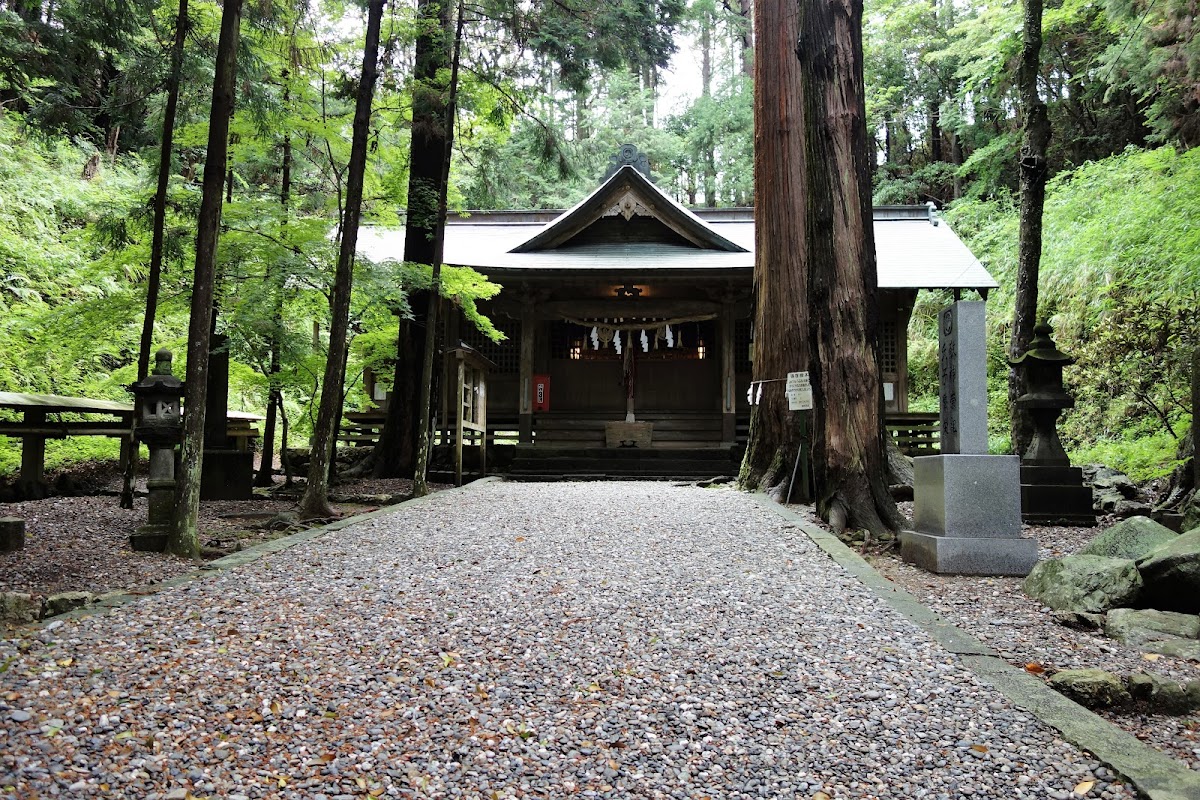
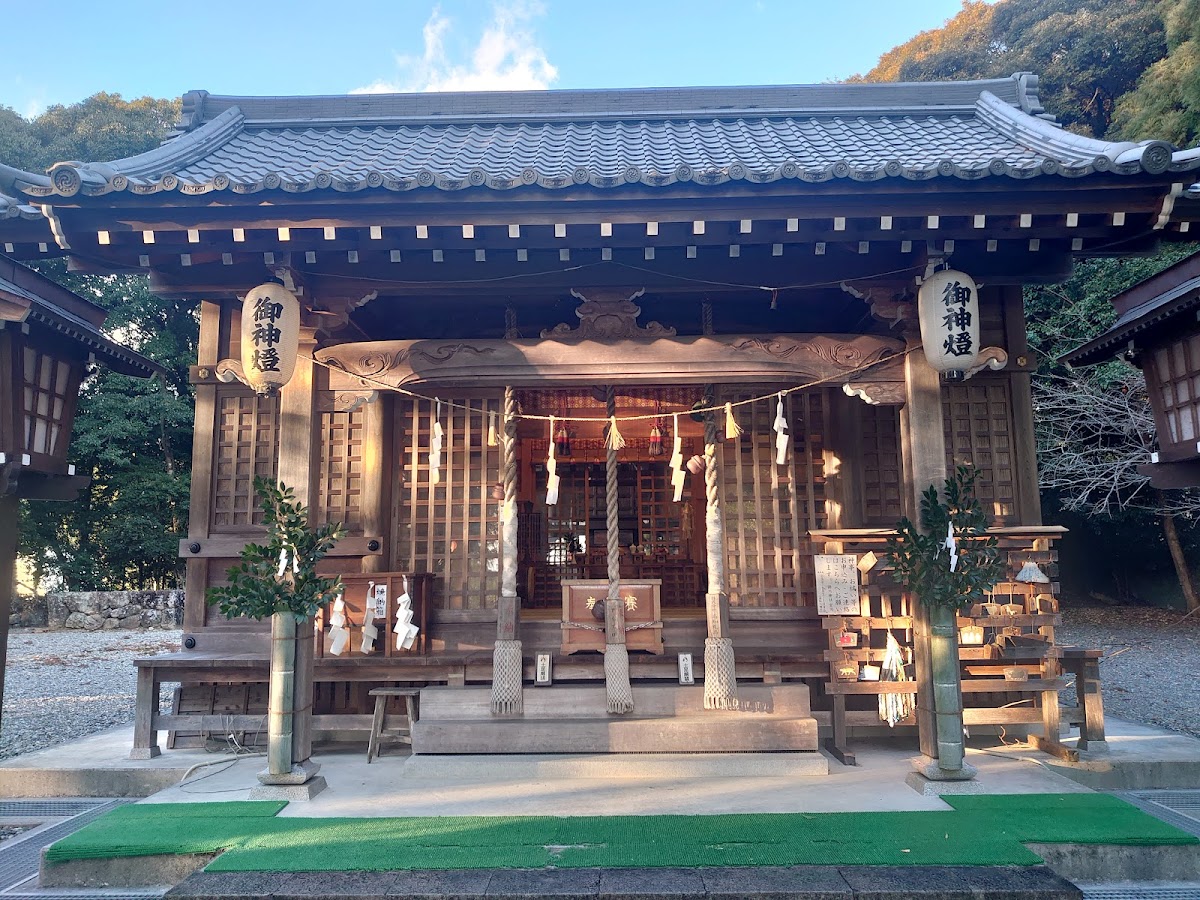
The shrine building of Kakegawa Shrine is a valuable structure that preserves the architectural style of the Edo period. Both the main shrine and the worship hall are built simply yet exude a sense of dignity, reflecting their long history. The shrine buildings display the “Three-Leaf Aoi” crest and the “Three Oak Leaves in a Circle” crest, indicating the connection between the Tokugawa and Yamauchi families.
The shrine grounds are enveloped in a quiet and peaceful atmosphere, possessing a sacred aura despite its urban location. The well-maintained grounds suggest that they have been carefully preserved by the local community.
Highlights of the Shrine Grounds
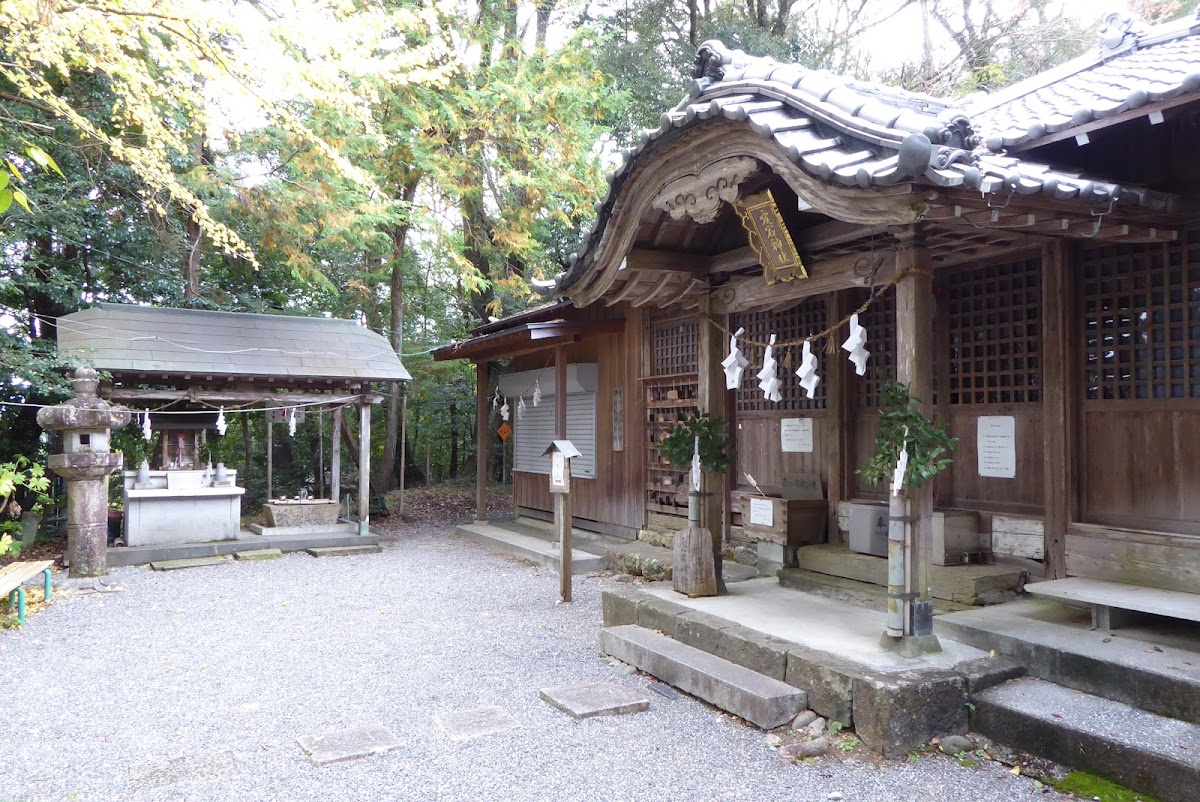
Besides the main shrine and worship hall, the grounds include a purification fountain and guardian lion-dogs. Of particular note is the frequent appearance of the Tokugawa family crest, the Three-Leaf Aoi, throughout the grounds. This crest is used on the plaque in the worship hall and on the offering box, strongly indicating its character as a Toshogu Shrine.
Furthermore, the grounds contain stone lanterns said to have been donated by successive feudal lords, illustrating the deep connection with the Tosa Domain. Depending on the season, the trees on the shrine grounds turn beautiful colors, delighting the eyes of visitors.
Information on Kakegawa Shrine’s Goshuin (Shrine Seal)
Features of the Goshuin
The goshuin of Kakegawa Shrine is characterized by the shrine’s crests: the “Three-Leaf Aoi” and the “Three Oak Leaves in a Circle.” The goshuin, featuring the crests of both the Tokugawa and Yamauchi families, is a unique and valuable item specific to this shrine. The name “Kakegawa Shrine” is written in ink, and the shrine’s crest is stamped on the red seal.
As a member of the National Association of Toshogu Shrines, it is an important shrine for visitors on a pilgrimage to Toshogu shrines.
Where to Obtain the Goshuin
Importantly, Kakegawa Shrine does not directly issue goshuin. Goshuin are issued at Kochi Hachimangu Shrine. Kochi Hachimangu Shrine is located about 15 minutes by car from Kakegawa Shrine and is the shrine that manages Kakegawa Shrine.
The process involves visiting Kakegawa Shrine first, then heading to Kochi Hachimangu Shrine to receive your goshuin (shrine stamp). Knowing this beforehand will ensure a smooth goshuin experience.
Points to Note When Receiving a Goshuin
When receiving the goshuin for Kakegawa Shrine at Kochi Hachimangu Shrine, be sure to mention that you have actually visited Kakegawa Shrine. The goshuin is not a stamp rally item, but rather proof of your visit. It’s important to follow the correct order: offer your prayers sincerely at Kakegawa Shrine, and then receive your goshuin at Kochi Hachimangu Shrine.
Access and Visiting Information
Basic Information
Location: 8-30 Azamino Nakamachi, Kochi City, Kochi Prefecture
Postal Code: 781-0013
Shrine Rank: Unranked Shrine
Deities Enshrined: Susanoo-no-Mikoto, Tokugawa Ieyasu (Toshogu Shrine)
Access by Train
Approximately a 10-minute walk from Azamino Station on the Tosaden Kotsu Ino Line. Azamino Station is located north of central Kochi City and is easily accessible by streetcar. The path from the station to the shrine passes through a residential area, allowing you to experience the local atmosphere.
Access by Car
Approximately 15 minutes from the Kochi IC on the Kochi Expressway, and approximately 10 minutes from central Kochi City. Parking is available around the shrine, but spaces are limited, so consider using public transportation during peak seasons.
Kakegawa Shrine is approximately a 15-minute drive or a 40-minute walk from Kochi Castle. If you are visiting in conjunction with a trip to Kochi Castle, using a car or taxi is recommended.
Visiting Hours
The shrine grounds are generally open for free worship. However, it is recommended to avoid visiting early in the morning or late at night, and instead visit during daylight hours. Please be mindful of the quiet environment during your visit.
Nearby Tourist Attractions
Kochi Castle
Located approximately 3km southwest of Kakegawa Shrine, Kochi Castle is one of the 12 remaining original castle keeps and is designated as a National Important Cultural Property. Kakegawa Shrine has historically played a role in protecting Kochi Castle from evil influences, so visiting both will allow you to gain a deeper understanding of their historical connection.
Kochi Castle offers numerous attractions, including views from the keep, the main palace, and the Otemon Gate. The atmosphere of the castle town remains, making it ideal for a historical stroll.
Kochi Hachimangu Shrine
Kochi Hachimangu Shrine, which offers the Goshuin (seal) of Kakegawa Shrine, is another must-visit spot. This shrine has long been revered as the guardian shrine of Kochi City, and boasts a magnificent shrine building and sacred trees within its grounds. Visiting it together with Kakegawa Shrine will make for a more fulfilling shrine pilgrimage.
Exploring the Azamino District
The Azamino district, where Kakegawa Shrine is located, is a quiet residential area in the northern part of Kochi City. There are traditional shopping streets and parks nearby, allowing for a leisurely stroll while experiencing local life. It’s an area where you can enjoy a peaceful time away from the hustle and bustle of central Kochi City.
Annual Events at Kakegawa Shrine
Annual Grand Festival
Kakegawa Shrine holds its annual grand festival once a year. Local people gather to preserve the shrine’s history and traditions. For detailed information on the festival schedule, it’s best to inquire at Kochi Hachimangu Shrine.
New Year’s Visit
At the start of the new year, the shrine is visited by worshippers for their first shrine visit of the year. As a shrine protecting the northeast direction of Kochi Castle, it is bustling with people praying for protection from evil and for a safe year. This shrine is ideal for offering New Year’s prayers in its tranquil grounds.
Manners and Mindset for Visiting a Shrine
Basic Worship Etiquette
When visiting a shrine, first bow before the torii gate. Walk along the path, avoiding the center, and purify your hands and mouth at the purification fountain. At the main hall, perform the “two bows, two claps, one bow” ritual.
While Kakegawa Shrine is often unattended, it is important to remember to show respect to the deities and worship quietly.
Photography
Photography is generally permitted on the shrine grounds, but please be considerate of other visitors. If there are signs prohibiting photography inside the shrine or in specific areas, please abide by them.
History of Kakegawa Shrine and Tosa
The Yamauchi Family and the Tosa Domain
After the Battle of Sekigahara, the Yamauchi family received the entire province of Tosa from Tokugawa Ieyasu and ruled the Tosa Domain for approximately 270 years. Kakegawa Shrine is an important cultural heritage site that demonstrates the connection to Kakegawa in Tōtōmi Province, the hometown of the Yamauchi family, and is also a symbol of the Yamauchi family’s rule in Tosa.
Successive feudal lords have prayed at Kakegawa Shrine for their hometown and for the peace and well-being of their people. This shrine is not merely a religious facility, but an indispensable part of understanding the history and culture of Tosa.
Faith Passed Down to the Present
With a history of over 380 years since the Edo period, Kakegawa Shrine is still carefully preserved by the local people today. Although it is a small shrine without official rank, its historical value and cultural significance are immense.
For tourists visiting Kochi, it is quietly attracting attention as a valuable spot where one can experience the history of Tosa firsthand.
Summary: The Significance of Visiting Kakegawa Shrine
Kakegawa Shrine was founded in the early Edo period as a shrine protecting the northeast direction of Kochi Castle, and is a special place where the histories of the Tosa feudal lords, the Yamauchi family, and the Tokugawa family intersect. This shrine serves as a historical bridge connecting Kakegawa City in Shizuoka Prefecture and Kochi City, and holds an important position as a Toshogu Shrine affiliated with the National Association of Toshogu Shrines.
As indicated by its crests, the “Three-Leaf Aoi” and “Three Oak Leaves in a Circle,” this shrine is unique in that it fused the faiths of two prestigious families, the Tokugawa and the Yamauchi. Located in the quiet residential area of Azamino in Kochi City, it boasts a history spanning over 380 years.
A distinctive system is that the shrine’s seal (Goshuin) is issued at Kochi Hachimangu Shrine, further demonstrating the connection between the two shrines. Visiting Kakegawa Shrine and then receiving a Goshuin at Kochi Hachimangu Shrine offers an excellent opportunity to gain a deeper understanding of Kochi’s shrine culture.
Visiting it in conjunction with a visit to Kochi Castle will provide a more comprehensive understanding of the history and culture of the Tosa Domain. While not a bustling tourist destination, it is an ideal shrine for quietly reflecting on history. When visiting Kochi, be sure to pay a visit.