Complete Guide to Kawasukune Shrine: The History of the Fourth Shrine of Kōzuke Province and the Charm of a Shikinaisha Shrine Dedicated to the River God
What is Kawasukune Shrine?
Kawasukune Shrine is an ancient shrine located in Shibukawa City, Gunma Prefecture. It is a Shikinaisha shrine said to have been founded in 771 AD during the Nara period. It is listed in the Engishiki Jinmyōchō (a list of shrines compiled in the Heian period) as a minor shrine in Gunma District, Kōzuke Province, and has long been revered as the “Fourth Shrine” of the Twelve Shrines of Kōzuke Province.
There are several shrines with the same name within Shibukawa City, with Kawashima, Gyōkōda, and Higashiagatsuma towns each housing a Kawasukune Shrine. This article will primarily focus on the Kawashima Kawasukune Shrine. This shrine is known as one of the few rare shrines in Japan dedicated to the river god, and its former shrine rank was Gōsha (village shrine).
The History and Origins of Kōha Sukune Shrine
Founding and Ancient Beliefs
Kōha Sukune Shrine is believed to have been founded on September 29, 771 (Hōki 2). During this late Nara period, the Ritsuryo state’s rule extended to the provinces, and official shrines were established throughout the region. Kōha Sukune Shrine was founded within this historical context and became an important site of local religious ceremonies.
The name “Kōha” is thought to mean “river,” and its location along the Agatsuma River suggests it was a central figure in water deity worship in this region.
Promotion of Divine Rank in the Heian Period
In the Heian period, the divine status of Kōha Sukune Shrine came to be recognized by the central government. According to the *Shoku Nihon Kōki*, there is a record that it was granted the rank of Junior Fifth Rank, Lower Grade in 846 (Jōwa 13). This indicates a high status for a shrine at the time and is evidence of its importance to the imperial court.
Its name appears in records compiled in 869 (Jōgan 11), and it was listed as a Shikinaisha (a shrine listed in the Engishiki) in the Engishiki Jinmyōchō (a list of shrines compiled in the Heian period). While there were many Shikinaisha in Gunma District, Kōzuke Province, Kōwa Sukune Shrine held a particularly important position among them.
The Fourth Shrine of the Twelve Shrines of Kōzuke Province
Kōwa Sukune Shrine was positioned as the “Fourth Shrine” of the Twelve Shrines of Kōzuke Province. The Twelve Shrines of Kōzuke Province were a ranking of particularly high-ranking shrines within Kōzuke Province, with ranks from the First Shrine to the Twelfth Shrine. Its high ranking as the Fourth Shrine indicates that this shrine was an extremely important object of worship in the region.
From the medieval to the early modern period, the local people deeply revered Kōwa Sukune Shrine as the Fourth Shrine, and various festivals and prayers were held. In particular, prayers for securing agricultural water and protection from floods were prevalent.
The Tenmei Eruption of Mount Asama and its Reconstruction
In July of Tenmei 3 (1783), during the mid-Edo period, Mount Asama erupted violently. This eruption was a major disaster that contributed to the Tenmei Great Famine, causing immense damage to the surrounding area through pyroclastic flows and volcanic ash.
Kōha Sukune Shrine was no exception, and its main building was destroyed by fire during the eruption. However, thanks to the fervent faith of the local people, it was rebuilt in Tenmei 5 (1785). It is said that the shrine was built on the site where the original Suwa Shrine stood.
This reconstruction laid the foundation for the current shrine building, and it has since been maintained as a center of local faith.
Developments Since the Modern Era
Due to the Meiji-era reform of the shrine system, Kōha Sukune Shrine was elevated to the rank of Gōsha (village shrine). Gōsha is a higher rank than Murasha (village shrine), signifying official recognition of its importance in the region.
Even as the eras of Showa, Heisei, and Reiwa have changed, Kōha Sukune Shrine continues to welcome many worshippers as the local guardian shrine and a historically significant Shikinaisha (shrine listed in the Engishiki). In recent years, the popularity of Goshuin (shrine stamps) has led to an increase in visitors to this historic shrine.
Deities and Divine Virtues
Hayaakitsuhiko-no-Mikoto and Hayaakitsuhime-no-Mikoto
The deities enshrined at Kōha Sukune Shrine are Hayaakitsuhiko-no-Mikoto and Hayaakitsuhime-no-Mikoto. These deities are known in Japanese mythology as gods of water, particularly those who preside over river mouths and ports.
According to the Kojiki and Nihon Shoki, Hayaakitsuhiko-no-Mikoto and Hayaakitsuhime-no-Mikoto were born during Izanagi and Izanami’s creation of Japan. “Akitsu” is thought to refer to a place where water flows vigorously, especially the confluence of rivers or river mouths.
A Rare Shrine Dedicated to the River God
While most shrines in Japan enshrine mountain gods or agricultural deities, Kōha Sukune Shrine is one of the few rare shrines in the country that enshrines the river god as its main deity. Located along the Agatsuma River, this shrine has long attracted worshippers related to water transport, irrigation, and flood prevention.
The river god is also worshipped as a deity who purifies people by washing away their sins and impurities with the flow of water. Therefore, it is deeply connected to the belief in misogi-harae (purification ritual), and many worshippers visit the shrine seeking purification of mind and body.
Divine Virtues and Faith
The main divine virtues of Kōha Sukune Shrine are as follows:
- Protection from Water-Related Disasters and Floods: As the god of rivers, it protects against floods and water-related disasters.
- Safe Navigation and Traffic Safety: As the guardian deity of water transport, it watches over safe travel.
- Abundant Harvest: As the god who governs agricultural water, it brings about bountiful harvests.
- Protection from Evil and Purification: As the god who washes away sins and impurities, it wards off misfortune.
- Matchmaking and Marital Harmony: As it enshrines a married couple of deities, it brings blessings for good relationships and harmonious family life.
It is particularly revered by people in water-related occupations and agricultural workers, and even today, worshippers with various wishes visit the shrine.
Highlights of the Shrine Grounds
Shrine Buildings and Architecture
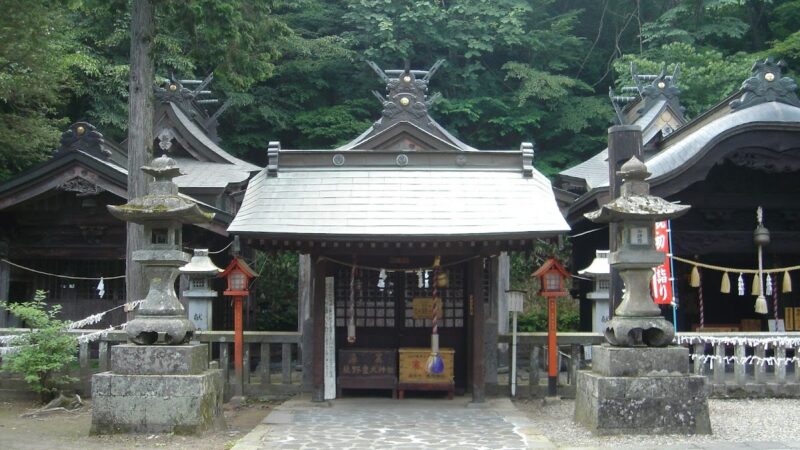
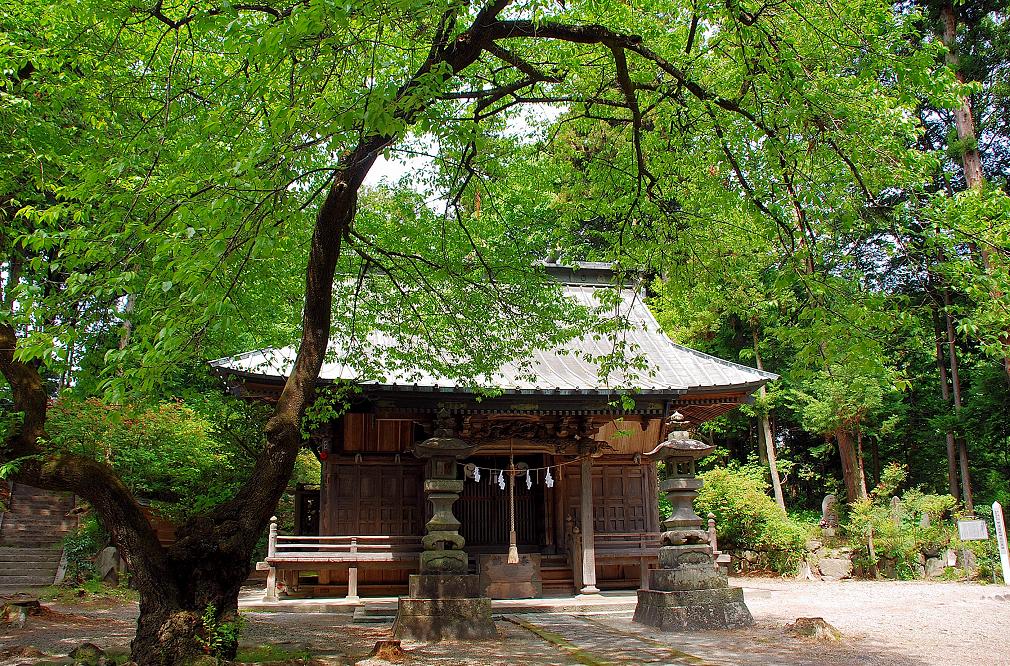
The shrine buildings of Kōha Sukune Shrine are based on those rebuilt in 1785 (Tenmei 5), after the eruption of Mount Asama in the Tenmei era. The main hall is protected by a protective structure and preserves the architectural style of the late Edo period.
The worship hall, while simple, exudes a sense of dignity, befitting a Shikinaisha (shrine listed in the Engishiki) with a long history. The shrine grounds are located on a hill beyond the Joetsu Shinkansen line, and worshippers ascend stairs to reach them.
Subsidiary Shrines and Auxiliary Shrines
Several subsidiary shrines are enshrined around the main hall. These auxiliary shrines enshrine deities who, along with the main deity, have supported the local faith, and worshipping at each of them allows one to receive even greater divine blessings.
The relationship with Suwa Shrine is particularly deep; there is a legend that the shrine buildings were constructed on the site of the former Suwa Shrine during the reconstruction after the Tenmei eruption.
Stone Monuments and Memorials
The shrine grounds are dotted with various stone monuments and memorials dating from the Edo period to the modern era. These are valuable historical materials that convey the history of the shrine and the faith of the local people.
The donated stone lanterns and guardian lion-dogs also reflect the forms of faith of each era and are one of the highlights when strolling through the shrine grounds.
Natural Environment
The grounds of Kōha Sukune Shrine, situated on a hill, are surrounded by abundant nature. Especially during the seasons of fresh greenery in spring and autumn foliage, visitors can enjoy beautiful scenery.
The location overlooking the Agatsuma River is fitting for a shrine dedicated to the river god, providing a peaceful environment for worship while listening to the sound of water.
Cultural Properties and Historical Value
Shibukawa City Designated Important Cultural Properties
Kōha Sukune Shrine houses important cultural properties designated by Shibukawa City. These cultural properties demonstrate the long history of the shrine and its cultural importance to the region.
Specifically, these include ancient documents, votive votive tablets, and tools used in rituals, making them valuable resources for the study of local history.
Value as a Shikinaisha Shrine
The Shikinaisha shrines listed in the Engishiki Jinmyocho (a list of shrines compiled in the Heian period) number approximately 3,000 throughout Japan. Kōha Sukune Shrine is one of them, a venerable shrine with a history of over a thousand years.
Among Shikinaisha shrines, the example of one with a river god as its main deity is rare, and it occupies an important position in the study of water deity worship.
Value as Historical Resources
The ancient documents and records remaining at the shrine are valuable historical resources for studying the history of Kōzuke Province, particularly the local history of Gunma County. Many clues to understanding local history remain, such as the record of the shrine’s promotion in divine rank in Jōwa 13 (1848) and the history of damage and reconstruction following the Tenmei eruption.
Annual Events and Festivals
Annual Festival
Kōha Sukune Shrine holds an annual festival every year. The annual festival is the most important ritual for the shrine, where gratitude is offered to the enshrined deity and prayers are made for peace in the region and a bountiful harvest.
The sight of local people gathering and the traditional Shinto rituals being solemnly performed has a grandeur unique to a shrine with a long history.
Seasonal Festivals
Various festivals are held throughout the year. From the New Year’s visit to the shrine, to the Setsubun festival, the spring and autumn annual festivals, and the year-end purification ceremony, traditional Japanese shrine rituals are preserved.
Especially as a shrine dedicated to the water god, prayers for rain and prevention of floods have been offered since ancient times.
Goshuin (Shrine Seal) and Visiting Information
About Goshuin (Shrine Seals)
Koha Sukune Shrine offers goshuin. The goshuin, stamped with ink and red seal indicating its status as a Shikinaisha (a shrine listed in the Engishiki), is popular as a memento of the visit by many worshippers.
Goshuin are given when someone is at the shrine, but they may not always be present, so it is recommended to check in advance. It is important to bring your Goshuincho (stamp book) and make your request respectfully.
Etiquette for Visiting a Shrine
Please observe the basic etiquette for visiting a shrine:
- Bow before passing through the torii gate
- Cleanse your hands and mouth at the temizuya (water basin)
- Bow twice, clap twice, and bow once in front of the main hall
- Visit the subsidiary shrines within the grounds
- Bow once again at the torii gate when leaving
As this shrine enshrines the god of rivers, it is especially important to visit with a feeling of gratitude for water.
Access and Surrounding Information
Access by Train
From JR Joetsu Line “Kanashima Station”
- Approximately 15 minutes on foot west from the station (approximately 1 km)
- Located on a hill beyond the Joetsu Shinkansen line
Kanashima Station is a small station where only local trains stop, but it is close to Shibukawa Station and relatively easy to access.
Access by Car
From the Kan-Etsu Expressway
- Approximately 10 minutes from Shibukawa-Ikaho Interchange
- Parking: There are several parking spaces on the shrine grounds.
Caution is advised for large vehicles as there are narrow sections of road. You can search for “Koha Sukune Shrine” or the address “1287 Kawashima, Shibukawa City, Gunma Prefecture” on your car navigation system.
Nearby Tourist Attractions
Highlights in Shibukawa City
- Ikaho Onsen: One of Japan’s three most famous hot springs, famous for its stone steps
- Mizusawa Kannon: The 16th temple of the Bando Thirty-Three Kannon Pilgrimage
- Shibukawa Skyland Park: An amusement park enjoyable for families
- Shibukawa, the Center of Japan: Geographically located in the center of Japan
Visiting these tourist spots in conjunction with your visit to Koha Sukune Shrine is highly recommended.
Best Seasons for Visiting
Kōha Sukune Shrine boasts beauty in every season, but the most recommended seasons are:
- Spring (April-May): Beautiful fresh greenery and mild weather
- Autumn (October-November): Peak autumn foliage and the season of the annual festival
- New Year’s Visit (January): Many worshippers visit to pray for the new year
Summer is lush and cool, while winter’s snowscape creates a mystical atmosphere.
About the Multiple Candidate Shrines for Kōha Sukune Shrine
Multiple Existing Kōha Sukune Shrines
There are multiple candidate shrines for the Shikinaisha (shrine listed in the Engishiki) “Kōha Sukune Shrine.” A candidate shrine refers to one of several possible locations for an ancient shrine.
Main Shrines Investigated:
- Kōha Sukune Shrine (Kawashima, Shibukawa City): The shrine primarily featured in this article.
- Kōha Sukune Shrine (Yukikoda, Shibukawa City): Located in the Yukikoda area.
- Kōha Sukune Shrine (Higashiagatsuma Town): Located in Higashiagatsuma Town, Agatsuma District.
All of these shrines enshrine river gods and bear the name “Kōha,” but each has its own unique history and beliefs.
The Superiority of Kawashima’s Kōha Sukune Shrine
The reasons why Kawashima’s Kōha Sukune Shrine is considered a strong candidate for a Shikinaisha (shrine listed in the Engishiki) are:
- A clear tradition of its founding in the second year of the Hōki era (771 AD)
- A tradition as the fourth of the twelve shrines of Kōzuke Province
- Consistency with the record of its promotion in divine rank in the 13th year of the Jōwa era (1616)
- A suitable location for a river god, along the Agatsuma River
- A high rank as a Gōsha (village shrine)
Based on these factors, Kawashima’s Kōha Sukune Shrine is considered the most likely candidate for a Shikinaisha.
The Faith of Kōha Sukune Shrine and the Modern Era
Gratitude for Water and Environmental Protection
In the modern era, the river god worship at Kōha Sukune Shrine is beginning to take on new meaning. Today, with the importance of water resources and the protection of river environments being emphasized, the shrine, dedicated to the water god, has become a spiritual cornerstone for environmental conservation.
Protecting the pristine waters of the Agatsuma River and preserving its beautiful natural environment for future generations can be considered the best service to the river god.
Center of the Local Community
For over a thousand years, Kōha Sukune Shrine has functioned as the spiritual center of the local community. Even today, it remains a gathering place for local people through festivals, cleaning activities, and other events.
In rural areas facing depopulation and an aging population, shrines play a vital role in maintaining community bonds.
Historical Tourism and Shrine Pilgrimages
Due to the recent boom in history and the popularity of collecting Goshuin (shrine stamps), the number of visitors to Shikinaisha (shrines listed in ancient records) and ancient shrines has increased. Kōha Sukune Shrine, as a historical shrine and a rare shrine dedicated to a river god, is attracting attention.
The charm of shrines is being shared on social media, spreading shrine culture to younger generations.
Precautions and Manners When Visiting
Basic Manners
- Be quiet: The shrine grounds are a sacred place. Please refrain from speaking loudly.
- Photography: Generally permitted, but please do not take photos inside the main hall or in prohibited areas.
- Take your trash home: Let’s keep the lush grounds clean.
- No trespassing on private property: There are private homes around the shrine.
Regarding attire
There are no particularly strict dress code regulations, but please wear clean clothing appropriate for visiting a shrine. Since you will need to climb stairs, comfortable walking shoes are recommended.
Regarding offerings
Offerings are a way of expressing gratitude to the gods. There are no set amounts, but please offer with sincerity. It is considered polite to gently place coins into the offering box rather than throwing them in.
Summary: The Charm of Kōha Sukune Shrine
Kōha Sukune Shrine is a venerable shrine with a history of over 1250 years, and possesses unique value as a rare shrine in Japan that enshrines a river god. The history of this shrine as the fourth of the twelve shrines of Kōzuke Province, its reverence for the local community, its rebuilt shrine buildings after surviving the Tenmei eruption, and its deep connection with the region that continues to this day are all major attractions of this shrine.
Listening to the gentle murmur of the Agatsuma River, a quiet visit to the shrine grounds atop a hill will allow you to connect with the spirit of the ancient water deity worship. When you visit Gunma Prefecture, be sure to visit Kōha Sukune Shrine and receive the divine blessings of the river god.
Surrounded by the rich nature and history of Shibukawa City, Kōha Sukune Shrine will surely be a precious spiritual oasis for modern people seeking peace of mind.