Complete Guide to Kojika Shrine | Thorough Explanation of Deities, Blessings, Access, and Festivals
Kojika Shrines are scattered throughout Japan, each possessing a different history and characteristics depending on the region. This article provides a detailed explanation of the history, deities, blessings, worship methods, and access information of Kojika Shrines, offering comprehensive information you should know before visiting.
What is Kojika Shrine?
Kojika Shrines exist throughout Japan, each deeply connected to the history and culture of its region. The name “Kojika” (小鹿) is often associated with the deer, a sacred animal, and is thought to stem from the ancient belief in deer as messengers of the gods.
In Japan, deer worship has a long history, as exemplified by Kasuga Taisha Shrine in Nara, where deer have been revered as sacred animals. Kojika Shrines also follow this tradition and have been cherished as guardian deities of their respective regions for many years.
Major Kojika Shrines Nationwide
Kojika Shrine in Shizuoka City, Shizuoka Prefecture
Located in Kojika, Suruga Ward, Shizuoka City, Kojika Shrine has long been revered as the local guardian deity. This shrine is deeply intertwined with the lives of local residents, and various festivals are held throughout the year.
Location Information
- Address: Kojika area, Suruga Ward, Shizuoka City, Shizuoka Prefecture
- Founding: The exact founding date is unknown, but according to local historical documents, it is said to have a history of several hundred years.
- Characteristics of the Shrine Grounds: Located in a quiet residential area, it serves as a place of relaxation for the community.
Other Kojika Shrines in Other Regions
There are several Kojika Shrines throughout Japan, each with its own unique history and characteristics. In some regions, many are small but cherished by local people, playing a central role in the community.
Deities Enshrined at Kojika Shrines
The deities enshrined at Kojika Shrines vary from shrine to shrine, but generally, the following gods are worshipped:
Main Deities Enshrined
Amaterasu Omikami
The supreme deity in Japanese mythology, the goddess of the sun. Considered the ancestral deity of the Imperial family, she is enshrined as the principal deity in many shrines.
Takeminakata-no-kami
The enshrined deity of Suwa Grand Shrine, known as the god of martial prowess. He has a deep connection with deer and is sometimes enshrined as the principal deity of Kojika Shrine.
Okuninushi-no-mikoto
A deity widely worshipped as a god of matchmaking and good fortune, known for the myth of nation-building.
Local Guardian Deity
Sometimes, these deities have been worshipped since ancient times as guardians of their respective regions.
Benefits of Kojika Shrine
Kojika Shrine is believed to offer various benefits.
Main Benefits
Family Safety
It is believed to provide protection for the health and happiness of all family members. Many people visit regularly to pray for peace in their homes.
Business Prosperity
Many visitors come to pray for the development and prosperity of their businesses. It is especially common to visit at the New Year and at significant business milestones.
Traffic Safety
Many people pray for traffic safety, including for cars and motorcycles. Some shrines offer car blessings.
Exorcism and Good Fortune
Popular with visitors seeking protection from misfortune during their unlucky years and for improved luck. Many also visit at turning points in their lives.
Academic Success
Students and students visit to pray for academic success. Amulets for passing exams are also available.
Matchmaking
People seeking good relationships visit to pray for romantic fulfillment and good encounters.
History and Origins of Kojika Shrine
The history of Kojika Shrine varies by region, but in most cases, it is said to have been founded between ancient and medieval times.
Background of Founding
Many Shinto shrines in Japan originated from the worship of nature and ancestors of the land. Kojika Shrine is no exception; it is believed to have spontaneously formed as a place of worship where local people prayed for bountiful harvests and safety.
Deer have been considered sacred animals since ancient times and revered as messengers of the gods. In particular, at Kasuga Taisha Shrine in Nara, deer are highly valued as messengers of the gods, and it is presumed that this belief spread throughout the country, leading to the establishment of deer-related shrines in various locations.
Historical Changes
Ancient and Medieval Periods
As the tutelary deity of the region, it played a central role in the village community. Agricultural rituals and seasonal festivals were held, and it was closely intertwined with people’s lives.
Early Modern Period (Edo Period)
During the Edo period, shrines received patronage from various feudal domains or were maintained by influential local figures. Many shrines underwent improvements to their buildings and established festivals during this period.
Modern Era
Many shrines were affected by the Meiji-era decree separating Shinto and Buddhism and the policy of consolidating shrines. Kojika Shrine was no exception; during this period, it was merged with other shrines and its rank was determined.
After the war, it functioned as a central hub for the local community, deepening community bonds through festivals and events.
Guide to Kojika Shrine Grounds
The grounds of Kojika Shrine offer various points of interest for visitors.
Main Facilities
Torii Gate
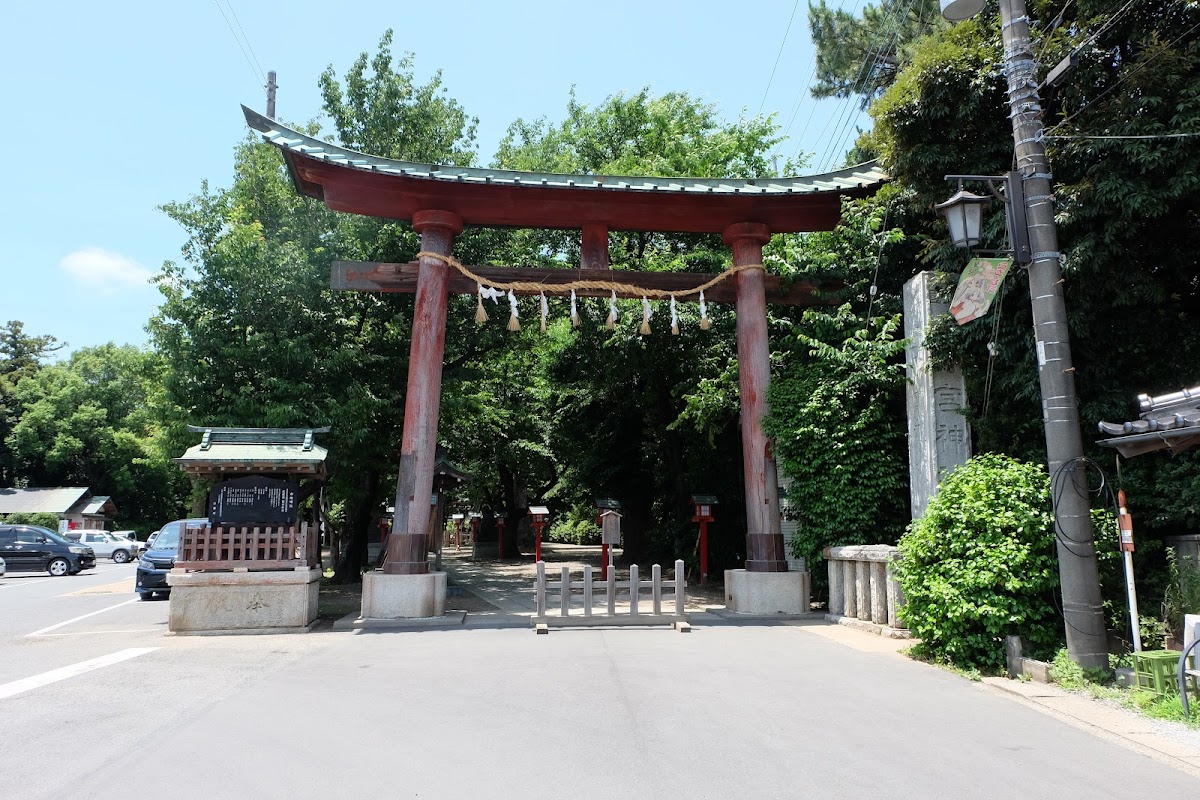
The torii gate, marking the entrance to the sacred area, is a symbolic presence of the shrine. Passing through the torii gate signifies a transition from the secular world to a sacred space.
Temizuya (Water Basin)
This is where one purifies their hands and mouth before praying. It is important to purify oneself according to the correct etiquette before praying.
Haiden (Worship Hall)
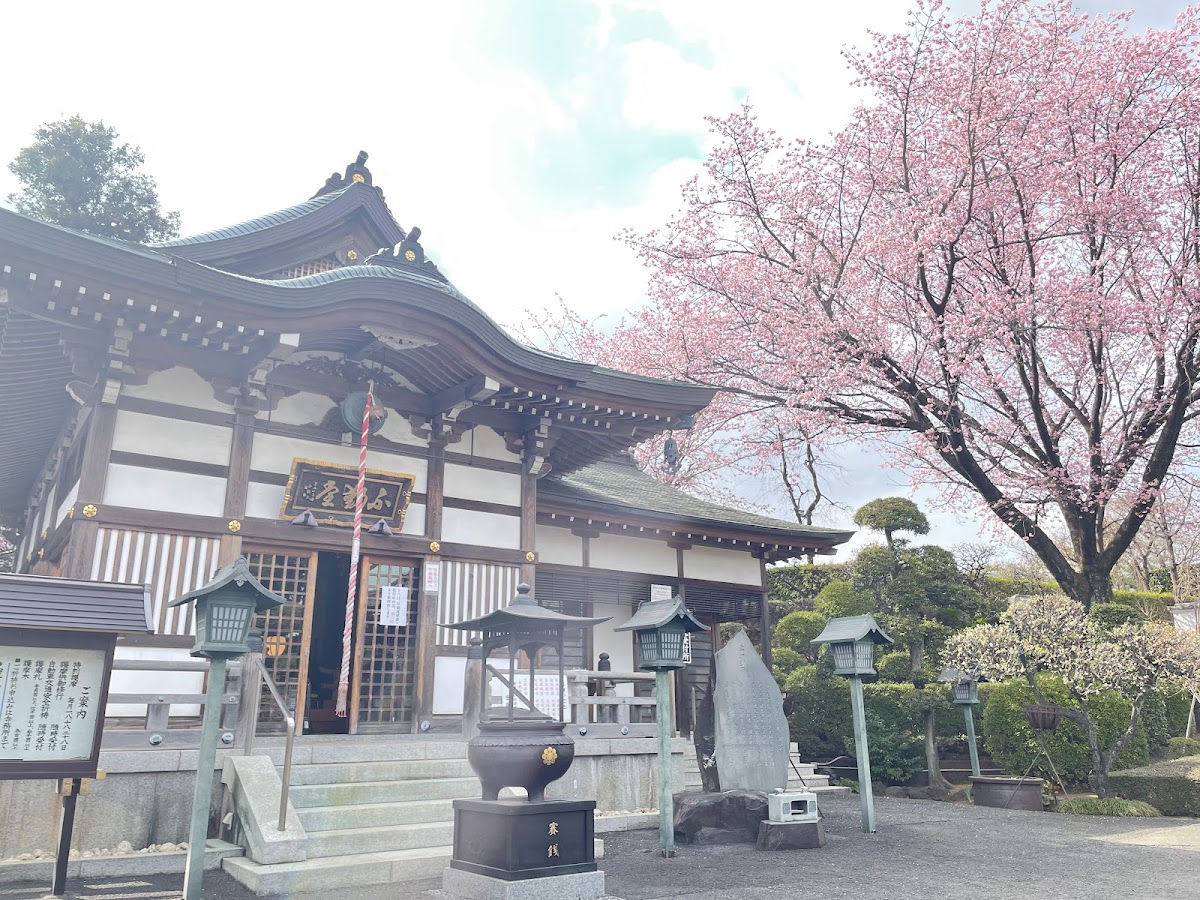
This building, where worshippers offer their prayers, is the central facility of the shrine. There is an offering box, and prayers are offered here.
Main Shrine
This is the most sacred building where the deity is enshrined. It is usually located behind the worship hall, and is not accessible to the general public.
Shrine Office
This is where amulets and Goshuin (shrine stamps) are given out. A Shinto priest is always present, and prayer requests are also made here.
Subsidiary Shrines (Auxiliary Shrines/Missing Shrines)
There may be small shrines within the grounds that enshrine deities other than the main deity. Each is believed to offer different blessings.
How to Worship and Manners
When visiting Kojika Shrine, it is important to know the correct way to worship.
Basic Worship Procedure
1. Bowing at the Torii Gate
Before passing through the torii gate, stop and bow slightly. This is a courtesy before entering the sacred area.
2. How to Walk Along the Path
The center of the path is considered the path of the gods, so it is proper etiquette to walk along the sides.
3. Proper Ritual of Washing Hands
At the water basin, purify yourself in the following order:
- Hold the ladle in your right hand and wash your left hand.
- Switch the ladle to your left hand and wash your right hand.
- Hold the ladle in your right hand again, receive water in your left hand, and rinse your mouth.
- Wash your left hand once more.
- Hold the ladle upright and pour water over the handle to cleanse it.
4. Worship at the Main Hall
The basic ritual is “two bows, two claps, one bow”:
- Quietly place your offering in the offering box.
- Ring the bell if there is one.
- Bow deeply twice.
- Clap your hands twice at chest height.
- Pray sincerely.
- Bow deeply once.
5. Bowing Upon Exit
When leaving the shrine grounds, turn around and bow after passing through the torii gate.
Precautions When Visiting the Shrine
- Please be quiet and refrain from speaking loudly on the shrine grounds.
- Do not take photographs in areas where photography is prohibited.
- Pet policies vary by shrine, so please check in advance.
- Smoking and eating are only permitted in designated areas.
- Be mindful that this is a sacred place and act with respect.
Annual Events and Festivals
Ojika Shrine holds various festivals throughout the year.
Main Annual Events
Hatsumode (January 1st-3rd)
This is the first visit to the shrine after the New Year. Many people visit to pray for the health of their families and happiness throughout the year.
Setsubun Festival (around February 3rd)
This is a bean-throwing ceremony to ward off evil and invite good fortune. Beans are thrown while chanting “Oni wa soto, Fuku wa uchi” (Out with the demons, in with good fortune).
Spring Festival (April-May)
This festival celebrates the arrival of spring and prays for a bountiful harvest. In some regions, these festivals are held to coincide with cherry blossom season.
Summer Festival (July-August)
These festivals are held in the height of summer, and in some regions, Bon Odori (traditional Japanese dance) and fireworks displays are also held.
Autumn Festival (September-November)
These festivals are held to give thanks for the harvest and are often grandly celebrated as annual festivals. Portable shrines are paraded, and dedication ceremonies are held.
Shichi-Go-San (around November 15th)
This is a ceremony to celebrate children’s growth and pray for their healthy development. Children aged 3, 5, and 7 visit the shrine wearing formal attire.
Great Purification Ceremony (June 30th & December 31st)
This is a Shinto ritual to purify and cleanse away the impurities accumulated over the past six months. The Great Purification Ceremony at the end of the year is considered particularly important for welcoming the new year with a pure heart.
Amulets and Goshuin (Shrine Seals)
Ojika Shrine offers a variety of amulets and Goshuin.
Types of Amulets
Exorcism Amulet
A popular amulet for those in their unlucky year or those seeking protection from misfortune.
Traffic Safety Amulet
An amulet for praying for traffic safety, such as for cars and motorcycles, and can be displayed inside the vehicle.
Academic Success Amulet
Popular among students and those taking exams, it prays for passing exams and improving academic performance.
Health Amulet
An amulet for those wishing for recovery from illness and maintaining good health.
Matchmaking Amulet
Popular among those seeking good relationships or wishing for success in love.
About Goshuin (Shrine Seals)
Goshuin are seals given as proof of visiting a shrine. Because they are written directly into a goshuincho (seal book), collecting them as a memento of visits is becoming increasingly popular.
Manners for Receiving a Goshuin (Shrine Stamp)
- Receive your Goshuin after completing your prayers.
- Check the shrine office’s reception hours (usually 9:00 AM to 5:00 PM).
- Open your Goshuincho (stamp book) and indicate the page you want the stamped on.
- Prepare the offering fee (usually 300-500 yen).
- Wait quietly while the priest writes the stamp.
Access Information
Access to Kojika Shrine varies depending on the location of each shrine. Here, we introduce general access methods.
Access by Public Transportation
Using Trains and Buses
It is common to access the shrine on foot from the nearest station or by bus. It is recommended to check the nearest station, bus stop, and travel time in advance.
In some areas, the shrine may be far from the station, so you may want to consider taking a taxi.
Access by Car
Parking Information
Many Kojika Shrines have parking lots for visitors, but the size varies depending on the shrine. During New Year’s visits and festivals, crowds are expected, so please consider using public transportation.
Car Navigation Settings
Enter the shrine’s address or phone number to set your navigation. If using a map app, searching for “Ojika Shrine” may display it.
Points to Note When Visiting
- Check the shrine’s opening and closing times (usually from sunrise to sunset)
- Check the reception hours of the shrine office (if you wish to purchase amulets or goshuin stamps)
- Check the dates of festivals and events in advance
- The path to the shrine may become slippery depending on the weather, so wear comfortable shoes.
Nearby Tourist Attractions
When visiting Ojika Shrine, you can make your experience more fulfilling by also visiting nearby tourist attractions.
Historical Buildings
There are often old temples and historical sites scattered around the shrine. A stroll while experiencing the local history is also recommended.
Natural Spots
You can enjoy the natural scenery that shows different expressions depending on the season. You can enjoy the beauty of each season, from cherry blossoms in spring to autumn leaves in fall.
Local Food Culture
After visiting the shrine, enjoying local specialty dishes and products is one of the pleasures of your trip. Try visiting local restaurants and Japanese confectionery shops.
Prayers and Exorcisms at Kojika Shrine
Kojika Shrine accepts prayers and exorcisms for individuals and groups.
Types of Prayers
Exorcism Prayer
This prayer is for those in their unlucky year to ward off evil and avoid misfortune.
Family Safety Prayer
This prayer is for the health and happiness of all family members.
Business Prosperity Prayer
This prayer is for the development and prosperity of your business.
Car Exorcism
You can receive a car exorcism when purchasing a new car or as a regular prayer for traffic safety.
Prayer for Safe Childbirth
This prayer is often performed on the Day of the Dog in the fifth month of pregnancy.
First Shrine Visit
This is the first visit to a shrine after a baby is born, where prayers are offered for their healthy growth.
How to Apply for a Prayer
- Make a reservation by phone in advance or apply at the shrine office on the day of your visit.
- Fill out the application form with the necessary information.
- Pay the offering fee (this varies depending on the type of prayer).
- Enter the main hall at the designated time and receive the prayer.
Cultural Assets and Highlights of Kojika Shrine
Kojika Shrine preserves cultural assets of historical and cultural value.
Buildings
The shrine buildings and torii gates, built in ancient times, are valuable cultural assets that convey the architectural techniques and styles of that era. Pay attention to the carvings and decorations.
Votive Offerings
Votive offerings such as ema (votive tablets), votive plaques, and guardian lion-dogs remain on the shrine grounds, telling the story of the history of faith. These are expressions of the faith of the local people and also have value as historical materials.
Sacred Trees
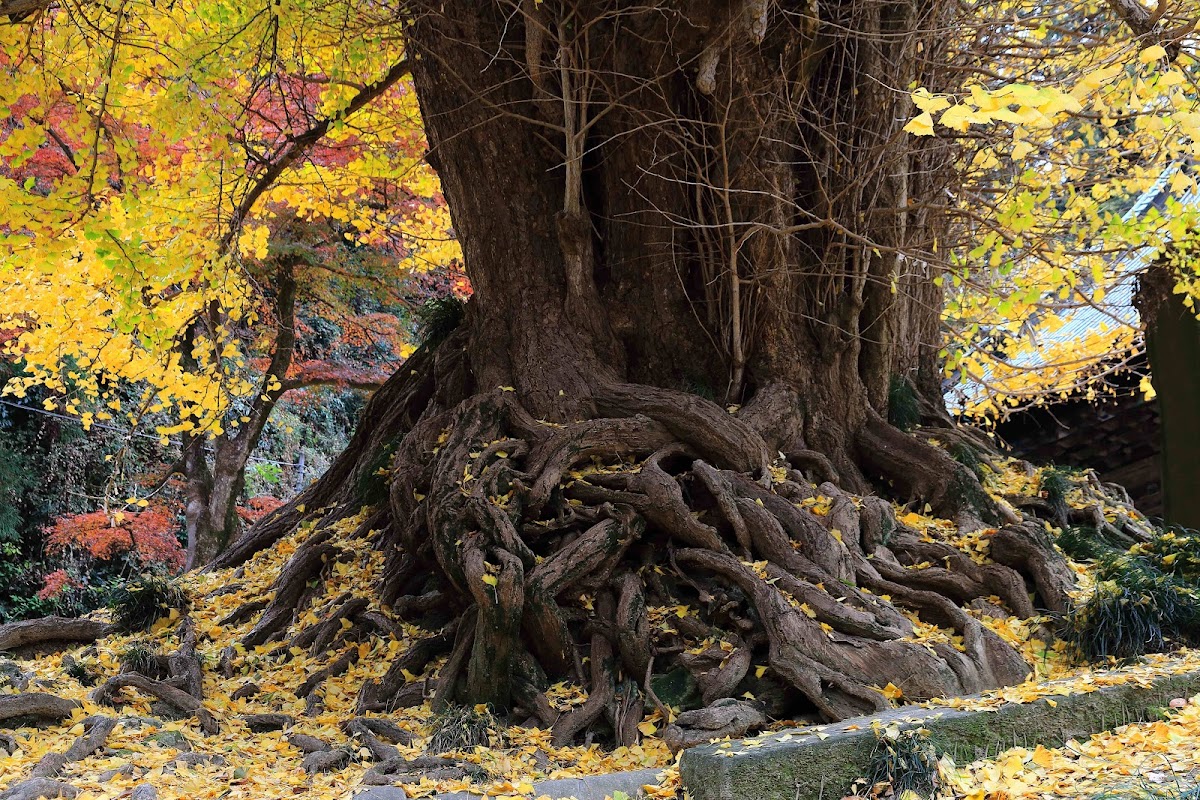
Within the shrine grounds, there are sometimes sacred trees that are hundreds of years old. These ancient trees are revered as sacred beings and are popular as power spots.
Kojika Shrine and the Local Community
Kojika Shrine is not merely a place of worship, but also plays an important role as the center of the local community.
Hub for Local Events
Through festivals and events, it serves as a place where local residents gather and interact. Especially during the annual grand festival, many residents cooperate to make the festival a success.
Preservation of Traditional Culture
Traditional performing arts such as Kagura (sacred dance) and Shishimai (lion dance) are sometimes offered, playing a role in passing on local culture to the next generation.
A Place for Children’s Growth
As a place visited during milestones in children’s growth, such as Shichi-Go-San (a traditional rite of passage for children) and Hatsumieyamairi (a first shrine visit for newborns), it has become a place of cherished memories for local children.
Guidelines for Visiting Kojika Shrine
When visiting Kojika Shrine, it is important to keep the following guidelines in mind. ### Respect and Gratitude
Shrines are sacred places. Let us visit with respect for the gods and gratitude for our daily lives.
A Pure Heart
Before visiting, it is important not only to purify oneself with water at the purification fountain, but also to purify one’s heart before standing before the gods.
Wishes and Vows
It is important not only to make wishes, but also to vow to make efforts oneself. It is believed that the gods support those who strive.
Summary
Ojika Shrine, as a shrine deeply rooted in the community, has a long history and tradition. It has many attractions, including faith in its enshrined deities, various blessings, and festivals held throughout the year.
When visiting, it is important to observe proper etiquette and manners and visit with respect. Furthermore, receiving amulets, goshuin (shrine stamps), or prayers can lead to a deeper religious experience.
Ojika Shrine plays an important role as the center of the local community, deepening the bonds between people through festivals and events. You can enjoy the seasonal events and the beauty of nature, and spend peaceful time here.
Please visit Kojika Shrine, experience its history and culture, and gain peace of mind and renewed energy. Regular visits will deepen your connection with the gods and bring positive influences to your daily life.