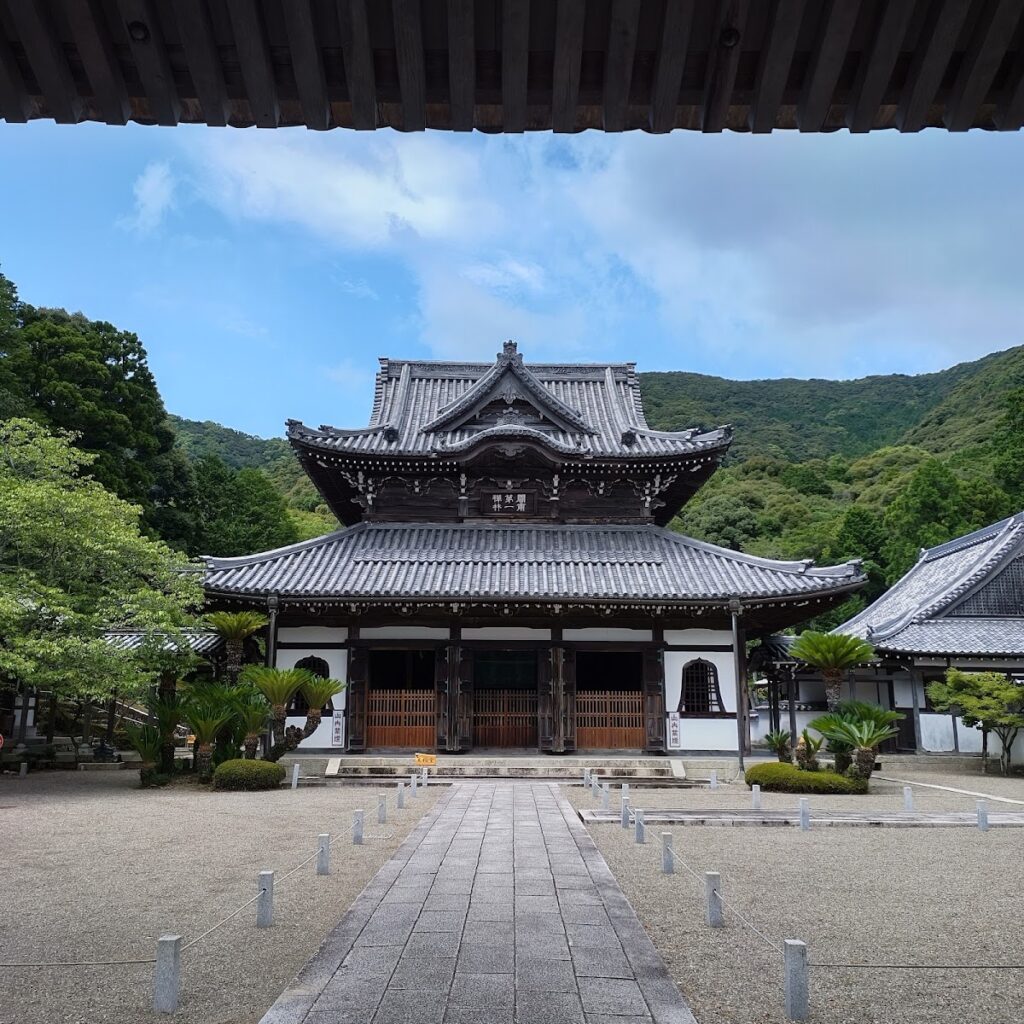
Complete Guide to Kokokuji Temple | The Legend of the Tengu and the History of Hoto Kokushi in the Birthplace of Soy Sauce
Kokokuji Temple, located in Yura-cho, Hidaka-gun, Wakayama Prefecture, is a historical temple deeply connected to Japanese food culture. Known not only as the birthplace of soy sauce and Kinzanji miso, it is also renowned as a center of Tengu legends and Komuso culture, and is an ancient temple of the Myoshinji branch of the Rinzai school of Zen Buddhism. This article provides a detailed explanation of everything you need to know before visiting Kokokuji Temple, including its history, cultural value, highlights, and access information.
History and Founding of Kokokuji Temple
Founded as a Temple to Mourn the Deceased Minamoto no Sanetomo
The founding of Kokokuji Temple dates back to Antei 1 (1227). After Minamoto no Sanetomo, the third shogun of the Kamakura shogunate, was assassinated in 1219, Kazurayama Kagetomo, a close attendant of Sanetomo, built this temple to pray for his lord’s soul.
Kazurayama Kagetomo was a man who, at Sanetomo’s command, copied maps of the mountains of Song China. Deeply mourning his lord’s death, he became a monk at Mount Koya, taking the name Gansho. Afterwards, he established a temple in this location, passing through Kongozanmai-in. Initially called Saihoji, it was renamed “Kokokuji” in 1340, during the reign of Emperor Go-Murakami.
The Development of the Temple and the Dharma Lamp National Teacher Kakushin
Indispensable to understanding Kokokuji is the existence of Dharma Lamp National Teacher Kakushin. Hōtō Kokushi was a high-ranking monk who traveled to Song Dynasty China and studied Zen at Jing Shan Temple. Upon returning to Japan, he entered Kōkoku-ji Temple.
Using the knowledge and techniques he brought back from China, Hōtō Kokushi developed Kōkoku-ji Temple to the point where it was known as the “foremost Zen temple in southern Sino-Kansai.” He spread the teachings of Zen Buddhism and, by introducing the methods of making miso and soy sauce that he learned in China, had an immeasurable impact on Japanese food culture.
Cultural Value as the Birthplace of Soy Sauce and Kinzanji Miso
A Temple That Changed Japanese Food Culture
Kōkoku-ji Temple is known as the “birthplace of soy sauce” and the “birthplace of Kinzanji miso” because Hōtō Kokushi Kakushin brought the manufacturing methods back from Jing Shan Temple in China. The liquid produced during the manufacturing process of Jing Shanji miso is believed to be the prototype of modern soy sauce.
This technique spread from Kokoku-ji Temple throughout the Kishu region and eventually across Japan. The existence of Kokoku-ji Temple is a key factor in Wakayama Prefecture becoming a major soy sauce producing area. Considering that the origin of this essential Japanese condiment lies here, the high cultural value of Kokoku-ji Temple becomes clear.
As a Sacred Site of Soy Sauce Culture
Kokoku-ji Temple remains an important spot in the history of food culture, considered the “birthplace of soy sauce culture.” Every year, many food culture researchers and soy sauce industry professionals visit to confirm its historical significance. Kokoku-ji Temple is a must-see for anyone tracing the roots of Japan’s traditional fermented food culture.
The Legend of the Tengu and the Mystery of the Great Tengu Mask
The Legend of the Tengu Who Built the Temple Overnight
An intriguing Tengu Legend is passed down at Kokoku-ji Temple. According to legend, when the temple’s main hall was being built, a great tengu (a mythical creature) admired the virtues of the monk Hōtō Kokushi and built the temple in a single night.
The tengu in this legend is said to be the great tengu of Mount Akagi, who was so impressed by Hōtō Kokushi’s high virtue and the results of his training that he offered his assistance. This story has been passed down through generations as a tale symbolizing the high spiritual power of Kōkoku-ji Temple and the greatness of Hōtō Kokushi.
The Giant Tengu Mask Enshrined in the Tengu Hall
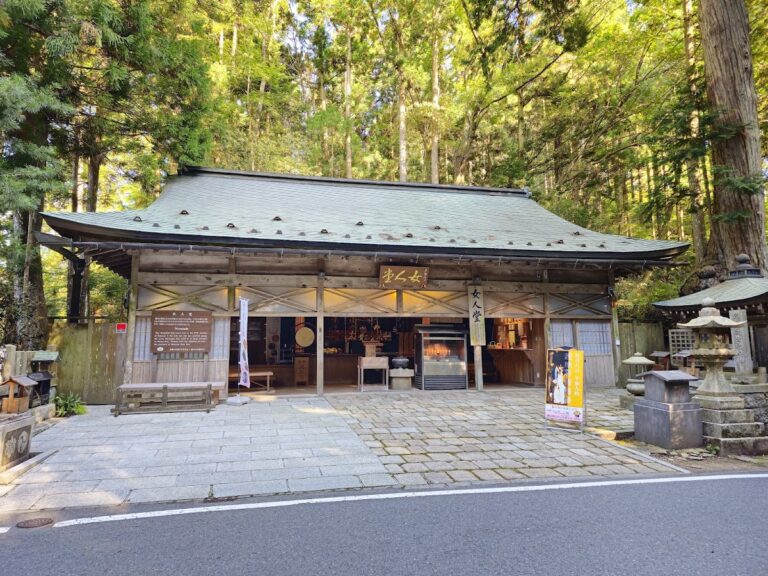
Within the grounds of Kōkoku-ji Temple is the Tengu Hall, where a large Tengu mask, approximately 2 meters tall, is enshrined. This Tengu mask is incredibly impressive and overwhelms visitors.
Every year, a memorial service is held to express gratitude to the Tengu, and the Tengu faith remains a living tradition for the local people. Visiting the Tengu Hall allows you to experience a unique culture where Japanese folk beliefs and Buddhism are fused.
A Sacred Site of Komuso and Fuke Shakuhachi
Center of Komuso Culture
Kokoku-ji Temple is widely known as the temple of Fuke Shakuhachi and Komuso. Komuso are a branch of Zen Buddhism who practiced alms-seeking while concealing their faces with deep straw hats and playing the shakuhachi (bamboo flute).
Kokoku-ji Temple is one of the important centers of Komuso training, and many Komuso trained here. The tradition of Fuke Shakuhachi continues to this day and occupies an important position in the history of Japanese musical culture.
The Origins of Shakuhachi Music
The shakuhachi music played by the Komusō (wandering monks) was not merely instrumental performance, but a Zen practice called “Suizen” (playing the shakuhachi). Shakuhachi playing was an important religious practice, involving regulating breathing and unifying the mind. Kōkoku-ji Temple is noteworthy from both a music history and religious history perspective as a center for the transmission of this spiritual culture.
Kōkoku-ji Temple’s Buildings and Cultural Properties
Mountain Name and Sect
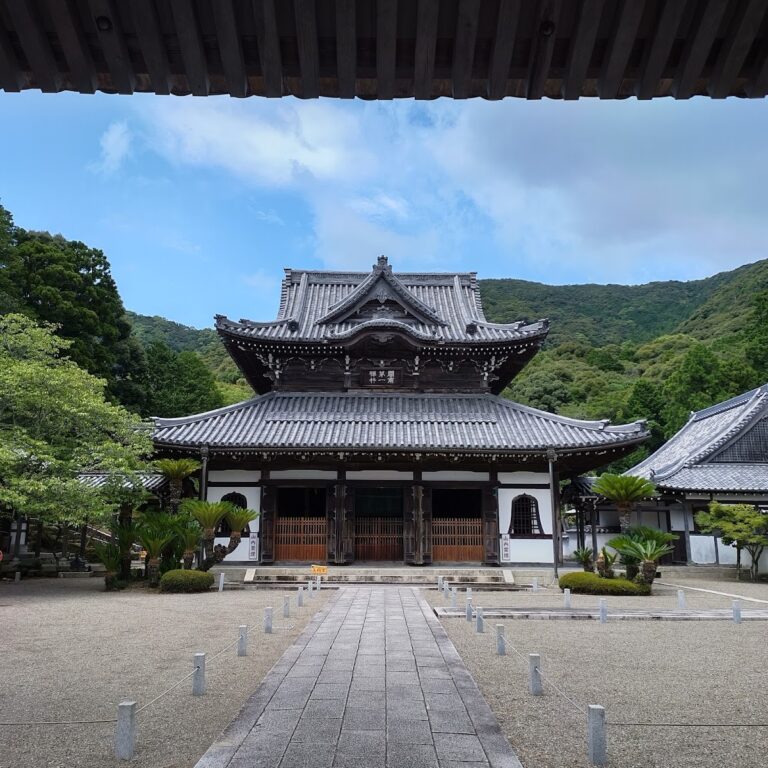
Kōkoku-ji Temple’s mountain name is Shūhōzan, and its sect is the Rinzai Zen Myōshin-ji School. The principal image is Shakyamuni Buddha, and the temple possesses a solemn atmosphere befitting an ancient Zen temple.
Important Cultural Properties and Temple Treasures
Kōkoku-ji Temple houses numerous cultural properties. However, many of the important cultural properties are not open to the public and cannot be seen during regular visits. It is recommended to aim for special public viewing opportunities or inquire in advance.
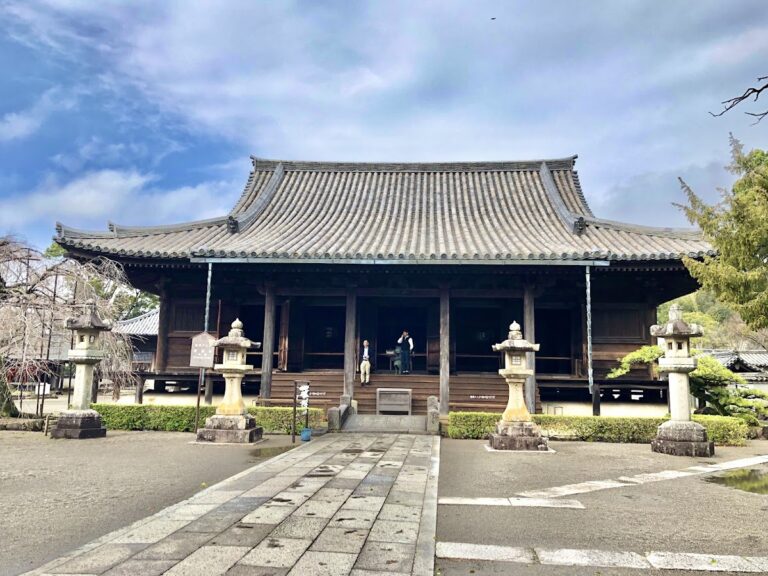
The temple grounds maintain the typical style of Zen Buddhist temples, and simply walking through the tranquil grounds allows one to feel the weight of history and the spirit of Zen.
History of Reconstruction
Kokoku-ji Temple has suffered damage from fires and other disasters several times throughout its long history, and many of the current buildings are reconstructed. However, it still conveys the atmosphere and dignity of a Zen Buddhist temple that has continued since the Middle Ages.
Annual Events and the Fire Festival
Traditional Events Held Every Year
Kokoku-ji Temple holds various traditional events every year. Among them, the most famous is the Fire Festival, which attracts many worshippers as an important religious event in the region.
The Fire Festival is a ceremony to express gratitude to the Tengu (mythical mountain spirits) and pray for a bountiful harvest, and the sight of flames illuminating the night sky is fantastical. Through this festival, it is clear that Kokoku-ji Temple is not merely a historical building, but still functions as a center of faith in the region.
Access and Basic Information
Access by Train
- Nearest Station: JR Kisei Main Line “Kii-Yura Station”
- Travel Time from Station: Approximately 15 minutes on foot
The walk from Kii-Yura Station to Kokoku-ji Temple is a pleasant route through a peaceful townscape. Signposts are well-maintained, so you should arrive without getting lost.
Access by Car and Parking
Kokoku-ji Temple has a parking lot, making it convenient to access by car. It’s approximately 20 minutes from the Hirokawa IC or Yuasa IC on the Yuasa-Gobō Expressway.
Parking is free and there is ample space for regular-sized cars. However, it may get crowded during festivals and tourist seasons, so early arrival is recommended.
Basic Information
- Address: 801 Monzen, Yura-cho, Hidaka-gun, Wakayama Prefecture
- Phone: 0738-65-0154
- Visiting Hours: Grounds are freely accessible (please check for building interiors)
- Admission Fee: Grounds are free (additional fees may apply for special viewings)
- Sect: Rinzai Zen Myoshinji School
- Mountain Name: Washimineyama
- Principal Image: Shakyamuni Buddha
Tourist Attractions Around Kokoku-ji Temple
Highlights of Yura Town
After visiting Kokoku-ji Temple, be sure to explore other tourist spots in Yura Town. Yura Town is blessed with a beautiful coastline and abundant nature, with popular attractions including Shirasaki Beach and Yura Sea Fishing Park.
Experience Soy Sauce Culture
Since Kokoku-ji Temple is the birthplace of soy sauce, there are many facilities and shops related to soy sauce in the surrounding area. Visiting local soy sauce breweries and sampling regional dishes made with soy sauce will deepen your understanding of Kokokuji Temple’s cultural heritage.
Points to Note and Tips for Visiting
Experiencing the Spirit of Zen in the Tranquil Temple Grounds
Kokokuji Temple is a quiet, ancient temple that hasn’t been overly commercialized. When visiting, it’s recommended to respect the tranquil atmosphere characteristic of a Zen temple and worship in a calm manner. Strolling through the grounds and following the same paths walked by Hoto Kokushi and the Komuso monks allows you to enjoy a dialogue with history.
The Tengu Hall is a Must-See
The Tengu Hall is a particularly unmissable sight within the temple grounds. The giant Tengu mask makes for great photos, but you’ll gain a deeper appreciation by contemplating the legends and history of faith behind it.
Advance Inquiry Recommended
Special viewings and the availability of cultural properties vary depending on the season, so if you want to be sure to see them, it’s recommended to inquire by phone in advance. Furthermore, visiting during events such as the Fire Festival will provide an even more memorable experience.
The Influence of Kokoku-ji Temple on Japanese Culture
Contribution to Food Culture
The influence of Kokoku-ji Temple on Japanese food culture is immeasurable. As the birthplace of two important seasonings, soy sauce and Kinzanji miso, its contribution to laying the foundation of Japanese cuisine continues to this day.
Transmission of Spiritual Culture
Kokoku-ji Temple, which spread the teachings of Zen Buddhism and fostered the culture of Komuso (wandering monks), also made a significant contribution to the formation of Japanese spiritual culture. Its unique practice of Suizen, a fusion of music and religion, continues to fascinate many people as a uniquely Japanese cultural phenomenon.
As the Core of Regional Culture
Kokoku-ji Temple has been the center of Yura Town’s history and culture, and the core of its regional identity. The culture, a fusion of folk beliefs and Buddhism, such as the Tengu legend and the Fire Festival, forms a unique religious culture specific to this region.
Summary: The Significance of Visiting Kokoku-ji Temple
Kokoku-ji Temple is a unique place where Japanese food culture, spiritual culture, and folk beliefs intersect. Its history, passed down for approximately 800 years since its founding in the first year of the Antei era, is not merely a legacy of the past, but a vibrant culture that continues to thrive today.
Kokoku-ji Temple has etched its name in the history of food culture as the birthplace of soy sauce, conveys the richness of folk beliefs through its Tengu legend, and demonstrates the depth of spirituality through its Komuso (wandering monk) culture. The convergence of these three aspects creates a unique charm unlike any other temple.
When visiting Wakayama Prefecture, be sure to visit Kokoku-ji Temple in Yura Town. Its easy access from the station (15-minute walk), convenient parking, and above all, the invaluable experience of touching the depths of Japanese culture await you. The paths walked by the monk Hōtō Kokushi, the temple complex said to have been built overnight by a tengu (mythical creature), the temple grounds where mendicant monks played the shakuhachi (bamboo flute)—each and every one of these is an important piece of Japanese history and culture.