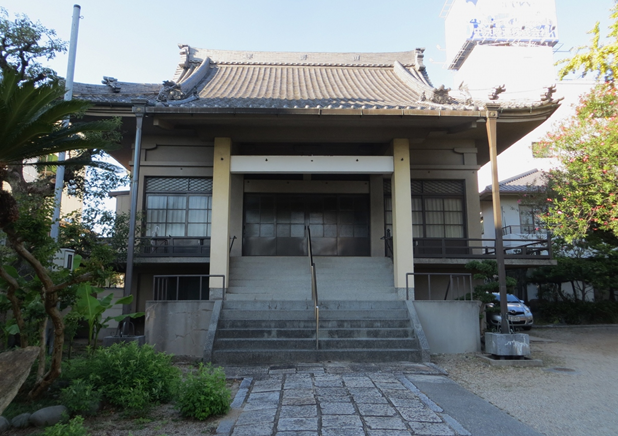
Complete Guide to Kozoji Temples | Comprehensive Information on the History, Cultural Properties, and Access to Kozoji Temples Nationwide
There are several temples named Kozoji throughout Japan. Each has its own unique history and cultural properties, and has played an important role as a center of local faith. This article provides a detailed explanation of the major Kozoji temples, including their historical background, cultural properties, transportation access, and surrounding information.
Table of Contents
This article comprehensively covers the following:
- Overview and Characteristics of Kozoji Temples in Various Locations
- Detailed History and Background of Founding
- Important Cultural Properties and Temple Treasures
- Location and Access Methods for Each Temple
- Nearby Tourist Spots and Highlights
- Annual Events and Visitor Information
What is Kozoji?
Kozoji is the name of a temple that exists throughout Japan, each with different sects, histories, and characteristics. Major temples with the sect of Takakura include a Tendai sect temple in Kasugai City, Aichi Prefecture; a Shingon sect temple in Kakuda City, Miyagi Prefecture; a Shingon sect temple of the Buzan branch in Machida City, Tokyo; a Shingon sect temple of the Chizan branch in Iwaki City, Fukushima Prefecture; and a Shingon sect temple of the Buzan branch in Kisarazu City, Chiba Prefecture.
Many of these temples were founded between the Heian and Kamakura periods, and have a history of over a thousand years as centers of local faith.
Takakura Temple in Kasugai City, Aichi Prefecture
History and Founding
Takakura Temple in Kasugai City is an ancient temple belonging to the Tendai sect. Its mountain name is Tomyozan, and it is located at the southern foot of Mt. Takakura in eastern Kasugai City. According to temple tradition, it was founded in 933 (Shohei 3) during the mid-Heian period by Chizo, a monk from Mt. Hiei.
Chizō was a high-ranking monk who trained at Mount Hiei, and it is said that he founded this temple after feeling a spiritual connection to the area. Since then, it has developed as a training ground for the Tendai sect and a center of local faith.
Cultural Assets and Highlights
Kozōji Temple in Kasugai City preserves valuable cultural assets accumulated over its long history. The main hall is an important building that still conveys the architectural style of the Edo period. Ancient stone Buddha statues and stone pagodas are scattered throughout the temple grounds, telling the story of faith from the medieval to the early modern period.
Of particular note are the Buddhist statues preserved as temple treasures. Many of the Buddha statues, including the principal image, were created from the Heian to Muromachi periods and are considered to be of high value in the history of Buddhist art.
Location and Access
Location: Takazoji-cho, Kasugai City, Aichi Prefecture
Transportation Access:
- Walking or bus from JR Chuo Main Line “Takazoji Station”
- Approximately 15 minutes on foot from the nearest bus stop if using Meitetsu Bus
- Approximately 20 minutes by car from Chuo Expressway “Kasugai IC”
- Parking available
Surrounding Area Information
The area around Takazoji is rich in nature and is a popular hiking course on Mt. Takaza. The eastern part of Kasugai City is a historical area with many ancient temples and shrines, making it ideal for strolling. The area around Takazoji Station has developed as a residential area and is attracting attention as a place where you can enjoy a rich lifestyle that allows you to appreciate the four seasons.
Takazoji, Kakuda City, Miyagi Prefecture
History and Founding
Takazoji in Kakuda City is an ancient Shingon Buddhist temple with the mountain name of Shōrakuzan. According to temple tradition, the temple was founded in 819 AD (Kōnin 10) by Tokuichi Bodhisattva. Tokuichi was a highly esteemed Buddhist monk who was active from the Nara period to the early Heian period, and is known for founding many temples in the Tohoku region.
Located in the lower reaches of the Abukuma River, west of Kakuda City, Takakura-ji Temple sits in a tranquil location, slightly off the stream and surrounded by mountains on three sides. This location is believed to have been chosen as an ideal environment for ascetic practice.
Cultural Properties and Features
Takakura-ji Temple in Kakuda City preserves Buddhist statues and scriptures dating back to the Heian period. In particular, the principal image is a historically significant Buddhist statue that has attracted worshippers since the time of Tokuichi. While many of the temple buildings were rebuilt during the Edo period, the layout of the temple complex from ancient times is still preserved.
Location and Access
Location: Kakuda City, Miyagi Prefecture
Transportation Access:
- By bus or taxi from Kakuda Station on the Abukuma Express Line
- By car, approximately 30 minutes from the Shiroishi Interchange on the Tohoku Expressway
- Due to its mountainous location, access by car is convenient.
Nearby Attractions
Kakuda City is a naturally rich area in the Abukuma River basin, offering beautiful scenery throughout the seasons. Other temples founded by Tokuichi are scattered throughout the area, making it an interesting area for pilgrimages tracing the history of ancient Tohoku Buddhism.
Takakura-ji Temple, Machida City, Tokyo
History and the “Temple of Flowers”
Takakura-ji Temple, located in Tsurukawa, Machida City, is a temple belonging to the Buzan branch of the Shingon sect and is widely known as the “Temple of Flowers.” Its mountain name is Takarabashi-san. The most distinctive feature of this temple is its beautiful grounds surrounded by seasonal flowers, including rhododendrons.
As the tenth temple on the Tama Shikoku 88 Temple Pilgrimage and the fifth temple in Tokyo on the Eastern Japan Flower Temples 100, it attracts many pilgrims and flower lovers.
Cultural Assets and Flowers on the Temple Grounds
The greatest charm of Takakura-ji Temple in Machida City is the flowers that bloom throughout the seasons. The rhododendrons in spring are particularly magnificent, with thousands of plants adorning the temple grounds. In addition, cherry blossoms, hydrangeas, and autumn leaves create an environment surrounded by flowers and greenery throughout the year, welcoming visitors.
The main hall and other buildings house many Buddhist statues, including Dainichi Nyorai, the principal deity of the Shingon sect.
Location and Access
Location: Tsurukawa, Machida City, Tokyo
Transportation Access:
- Approximately 10 minutes by bus from Tsurukawa Station on the Odakyu Line
- Approximately 15 minutes by car from the Yokohama Aoba Interchange on the Tomei Expressway
- Parking available for visitors
Annual Events and Visiting Information
At Takakura-ji Temple in Machida City, various memorial services and events are held throughout the year. Special viewings are sometimes held, especially during the peak flowering season. Perpetual memorial services, burial plot sales, and various prayers are also accepted.
Takakura-ji Temple in Iwaki City, Fukushima Prefecture
History and Founding
Takakura-ji Temple, located in Takakura-machi, Iwaki City, is a Shingon sect Chizan-ha temple with the mountain name Kaiunzan. It is said to have been founded in 807 (Daido 2) by Tokuichi, and has since flourished as a sacred site for Kannon.
This temple is considered one of the important historical sites demonstrating Tokuichi’s activities in the Tohoku region.
Cultural Properties and the Three-Storied Pagoda
The highlights of Takakura-ji Temple in Iwaki City are its beautiful three-storied pagoda and Kannon Hall. The Kannon Hall is modeled after the National Treasure Shiramizu Amida Hall, and houses a statue of the Thousand-Armed Kannon. This architectural style is a valuable example of Heian period Pure Land Buddhism.
The three-storied pagoda was built during the Edo period and clearly demonstrates the characteristics of temple architecture in the Tohoku region.
Iris Colony
Takakura-ji Temple is also famous for its colony of approximately 500,000 iris plants. Every year from late April to early May, the temple grounds are covered in a breathtaking display of white flowers. Many tourists visit during this time to enjoy the temple’s charm as a flower temple.
Location and Access
Location: Takakura-machi, Iwaki City, Fukushima Prefecture
Transportation Access:
- Approximately 40 minutes by bus from JR Joban Line “Iwaki Station”
- Approximately 30 minutes by car from Joban Expressway “Iwaki Chuo IC”
- Temporary parking may be available during the peak blooming season for irises.
Surrounding Sightseeing
Iwaki City is a region with a mild climate facing the Pacific Ocean, and the surrounding area is rich in tourist resources such as hot springs and beaches. You can enjoy Iwaki’s nature and culture in conjunction with a visit to Takakura-ji Temple.
Takakura-ji Temple (Takakura Kannon) in Kisarazu City, Chiba Prefecture
History and Faith
Takakura-ji Temple in Kisarazu City is a Shingon sect Buzan-ha temple whose mountain name is Hirano-yama, and it is affectionately known as Takakura Kannon. As a sacred site of Kannon worship, it has attracted many worshippers since ancient times.
Prayers and Memorial Services
Takakura Kannon accepts various prayers and memorial services, including those for a baby’s first shrine visit, Shichi-Go-San (7-5-3) festival, protection from evil, safe childbirth, traffic safety, memorial services for stillborn babies, and pet memorial services. Since prayers (memorial services) are generally performed for one person at a time, advance reservations are required.
This attentive service has earned the temple a prominent position as a center of faith in the Boso region.
Location and Access
Location: Kisarazu City, Chiba Prefecture
Access:
- By bus or taxi from JR Uchibo Line “Kisarazu Station”
- By car, approximately 15 minutes from Tateyama Expressway “Kisarazu Minami IC”
- Parking available for visitors
Other Takakura Temples
Takakura Temple in Kurashiki City, Okayama Prefecture
Kurashiki City has Io-zan Jimyoin Takakura Temple, which attracts local faith. They also engage in modern missionary activities, such as web-streaming sermons and morning services. ### Common Characteristics of Kozoji Temples Across Japan
What all Kozoji temples across Japan have in common is that they are historical temples founded from ancient to medieval times, have functioned as centers of local faith, and are located in areas blessed with abundant natural environments.
Furthermore, it is characteristic that many Kozoji temples belong to esoteric Buddhist sects such as Shingon and Tendai. This indicates that the nature of esoteric Buddhism, which emphasizes mountain asceticism, is well-suited to the environment of Kozoji temples, which are located in mountainous areas or places rich in nature.
Guidelines for Visiting Takakura-ji Temple
Temple Visiting Manners
When visiting a temple, please observe the following basic manners:
- Bow at the Temple Gate: Bow before entering the temple grounds.
- Purification at the Water Basin: Purify your hands and mouth before praying.
- Praying at the Main Hall: Quietly join your hands in prayer and pray with sincerity.
- Photography: Take photographs only in permitted areas and be considerate of other visitors.
- Temple Grounds Preservation: Take your trash with you and protect the natural environment.
About Goshuin (Temple Seals)
Many Takakura-ji temples offer Goshuin. Bring your Goshuincho (stamp book) and politely request one. It is important to remember that Goshuin are proof of your visit, not a stamp rally.
Takakura-ji Temple and Local Culture
Center of the Local Community
Takakura-ji Temple has functioned not only as a religious facility but also as a center of the local community. Through festivals and annual events, it serves as a place for interaction among local residents and plays an important role in the transmission of traditional culture.
Value as a Tourism Resource
In recent years, Takakura-ji Temple has attracted attention not only for its historical and cultural value but also as a tourism resource. Temples known as “flower temples” and those housing numerous cultural properties attract many tourists from both within Japan and internationally.
From the perspective of regional revitalization and cultural property preservation, the existence of Takakura-ji Temple is becoming increasingly important.
Annual Events at Takakura-ji Temple
Major Buddhist Services and Events
Takakura-ji Temples hold various Buddhist services and events throughout the year:
Spring:
- Spring Equinox Service
- Flower Festival (Buddha’s Birthday)
- Special Viewing during the Flowering Season
Summer:
- Obon Service
- Segaki Service
- Summer Special Service
Autumn:
- Autumn Equinox Service
- Thirteenth Night Service
- Special Viewing during the Autumn Foliage Season
Winter:
- New Year’s Eve Bell Ringing
- First Shrine Visit of the Year
- Setsubun Festival
Specific dates and content vary by temple, so it is recommended to check in advance.
Information around Takakura-ji Station
Takakura-ji Station in Kasugai City, Aichi Prefecture, is a JR Chuo Main Line station and a key transportation hub in the area. The area around the station has developed as a residential area, with a wealth of commercial and public facilities.
The path from Kozoji Station to Kozoji Temple is a walking trail where you can enjoy the changing seasons, and it is a popular place for relaxation among local residents. The area around the station offers an environment that allows for a rich and fulfilling life, making everyday life more enjoyable.
Best Season to Visit Takakura-ji Temples
The best season to visit each Takakura-ji temple varies depending on its unique characteristics:
Spring (April-May):
- Many temples are in full bloom with irises and rhododendrons.
- The fresh greenery is beautiful, and the weather is ideal for visiting temples.
Summer (June-August):
- Hydrangeas are at their most beautiful.
- Temples in mountainous areas are comfortable as summer retreats.
Autumn (October-November):
- The autumn foliage is magnificent.
- Visiting temples in the crisp autumn air is exceptional.
Winter (December-February):
- You can visit temples in a tranquil atmosphere.
- Special events such as the ringing of the New Year’s Eve bell and New Year’s visits take place.
Summary
Temples bearing the name Takakura-ji are scattered throughout Japan, each cultivating its own unique history and culture. From Tendai Buddhist temples in Kasugai City, Aichi Prefecture, to the ancient temple founded by Tokuichi in Kakuda City, Miyagi Prefecture, to the flower temple in Machida City, Tokyo, to the famous iris viewing spot in Iwaki City, Fukushima Prefecture, and Takakura Kannon in Kisarazu City, Chiba Prefecture, each temple plays a vital role as a center of local faith.
From temples with over a thousand years of history to those that continue to preserve deeply rooted local faiths, the diversity of Takakura temples speaks to the richness of Japanese Buddhist culture. In modern times, Takakura temples play a wide range of roles, including the preservation of cultural properties, the maintenance of local communities, and their utilization as tourist resources.
Using the information presented in this article as a guide, we encourage you to visit Takakura temples throughout Japan and experience their history, culture, and beautiful natural surroundings. By experiencing the unique charm of each temple and the deeply rooted faith of its community, you will deepen your understanding of traditional Japanese culture.
When visiting, it is important to show respect for the temple’s history and cultural properties and to observe appropriate manners. Furthermore, we recommend checking the official websites of each temple or local tourist information sources for the latest information on visiting hours and event schedules.